How Many Geese Stage at Horicon Marsh
It's a question many hunters and bird enthusiasts ponder, especially as autumn leaves begin to turn: just how many Canada geese descend upon Horicon Marsh each fall? If you've ever driven past or, better yet, hunted the edges of this vast wetland, you know the numbers are astounding, almost unbelievable. It can be incredibly frustrating to try and visualize the sheer scale, let alone understand the dynamics that bring these massive flocks to one central location. This guide will take a deep dive into the incredible phenomenon of goose staging at Horicon Marsh, exploring the factors that contribute to these immense congregations and what it means for both wildlife and hunters.
The Autumn Spectacle: Understanding Goose Staging at Horicon
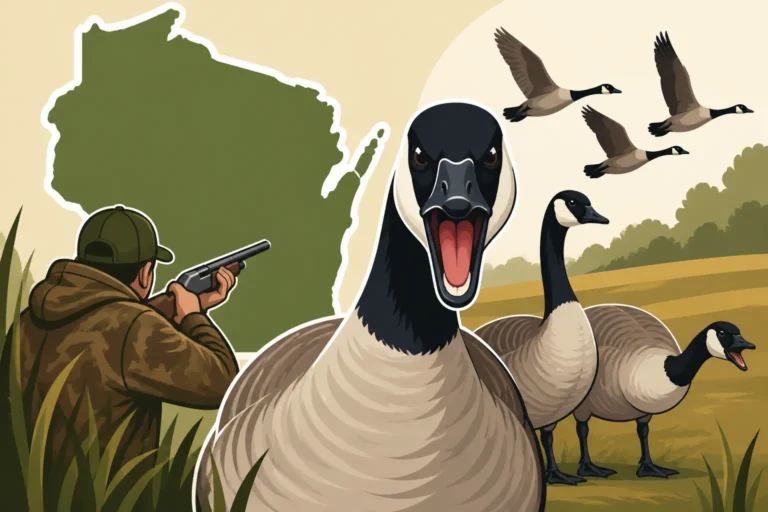
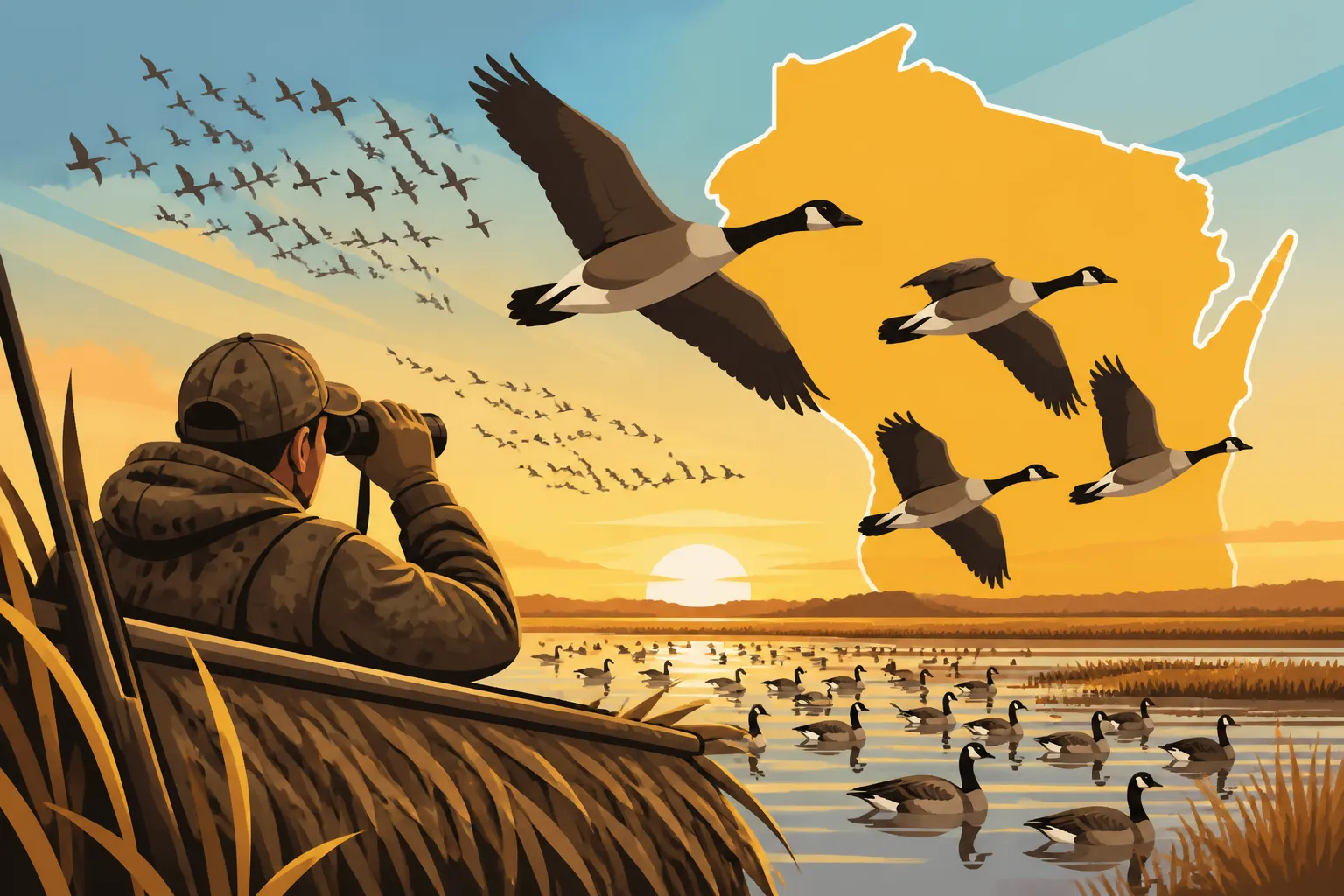
When we talk about geese "staging" at Horicon Marsh, we're not just talking about a few thousand birds hanging out. We're talking about a biological event of monumental proportions, where hundreds of thousands of Canada geese gather, refuel, and prepare for the next leg of their journey south. It's a critical stopover point on the Mississippi Flyway, a place where these birds can rest, feed, and socialize before tackling the longer migratory push.
The Phenomenon of Staging
Staging refers to a specific migratory behavior where birds gather in large concentrations at a particular site before or after a major migratory flight. For Canada geese, Horicon Marsh provides an ideal staging ground due to its unique combination of abundant food sources and secure roosting areas. As late summer turns into fall, birds from breeding grounds across northern Wisconsin, Canada, and even parts of the arctic start to funnel into this immense wetland. They spend weeks, sometimes even months, building up fat reserves, which are absolutely crucial for powering their long flights south. If you've ever tried to plan a hunt without understanding these patterns, you know how vital it is to recognize when the birds are simply passing through versus when they're truly settling in for a longer stay. It's a dynamic process that shifts with the weather and the availability of resources.
The sound alone can be deafening, a cacophony of honking that truly defines the autumn landscape around the marsh. Imagine standing on the edge of the marsh, the sun setting, and the sky darkening with wave after wave of geese returning to roost. It's an experience that stays with you, a testament to the wildness that Wisconsin still holds. These huge concentrations mean that birds are constantly moving, feeding in fields during the day, and returning to the safety of the marsh at night. This daily commute offers distinct opportunities for hunters, but also creates unique challenges, as the birds quickly learn to avoid pressure points.
Historical Context and Conservation Success
The incredible numbers we see today at Horicon Marsh are not an accident; they are a direct result of decades of conservation efforts. In the early 20th century, Canada goose populations were struggling due to overhunting and habitat loss. Horicon Marsh itself had a tumultuous history, being drained for agriculture and then painstakingly restored to its wetland glory. This restoration, coupled with strong conservation programs like those championed by the U.S. Fish and Wildlife Service and the Wisconsin DNR, allowed goose populations to rebound dramatically.
The Horicon National Wildlife Refuge, established in 1941, along with the Horicon Marsh State Wildlife Area, provides hundreds of thousands of acres dedicated to waterfowl habitat. This commitment to habitat preservation has been instrumental in making Horicon the premier goose staging area it is today. Hunters, too, played a crucial role, through their contributions to conservation funding via license sales and excise taxes on hunting equipment. It’s a true testament to what can be achieved when various groups work together for the benefit of wildlife. Understanding this history gives you a deeper appreciation for every single bird you see or hear.
Factors Influencing Goose Numbers at Horicon
The precise number of geese at Horicon Marsh is never static; it's a fluctuating figure influenced by a complex interplay of environmental factors. Predicting these peak numbers can feel like a guessing game, especially when you're trying to time your hunt perfectly. However, understanding the underlying drivers can help you make more informed decisions when planning your fall excursions.
Habitat and Food Availability
At its heart, Horicon Marsh is a giant buffet and a safe haven for waterfowl. The sheer expanse of wetland, combined with adjacent agricultural fields, offers an unparalleled food source. Geese are grazers, and they thrive on waste grain in cornfields, winter wheat, and various aquatic vegetation within the marsh. When local agricultural harvests are particularly good, or when fields are left unplowed, it creates a bonanza for the birds.
Conversely, if there's a poor crop year or if farmers plow under their fields immediately after harvest, food resources can be scarcer, potentially causing birds to move on more quickly. Water levels within the marsh are also crucial. Optimal water levels provide accessible feeding areas in shallow wetlands and secure roosting sites away from predators. Too high or too low, and the birds might find other locations more appealing. For serious hunters, keeping an eye on local crop reports and rainfall patterns can be as important as scouting the fields themselves. The Scouting With the Wisconsin Hunt Wild App can be a huge asset in monitoring these conditions across different areas. Even services like GoHunt offer tools that help visualize land use and habitat features, which can be invaluable for pinpointing likely feeding and roosting spots.
Weather Patterns and Migration
The timing and duration of the goose staging at Horicon are heavily dictated by weather patterns, both locally and further north. An early cold snap in Canada, accompanied by snow and ice, can push birds south much sooner than usual, leading to earlier peak numbers at Horicon. Conversely, a mild autumn might mean birds linger longer on their northern breeding grounds, resulting in a later arrival at the marsh.
Once at Horicon, sustained cold fronts or major snow events can trigger a mass exodus further south to more open water and accessible food. Mild weather, however, can keep the birds at Horicon well into winter, sometimes even through much of December. It's a constant dance with Mother Nature. One season, you might experience an incredibly early influx, while the next, you're waiting until late October for the main push. This variability can be a real challenge for hunters who have limited time to get out, as the "right" week changes every year.
Here's a simplified look at how some factors might influence peak numbers:
| Factor | Impact on Goose Numbers at Horicon (Peak) | Typical Timing Shift (Relative to Average) |
|---|---|---|
| Early Northern Cold Snap | Higher & Earlier | 1-2 weeks earlier |
| Mild Northern Fall | Lower & Later | 1-2 weeks later |
| Abundant Local Waste Grain | Higher & Longer Stay | Extends stay by 1-3 weeks |
| Extensive Local Plowing | Lower & Shorter Stay | Reduces stay by 1-2 weeks |
| Early Local Snow/Ice | Significant Drop & Earlier Departure | 1-2 weeks earlier departure |
| Sustained Mild Local Weather | Higher & Longer Stay | Extends stay into early winter |
Hunting Pressure and Refuge Status
While Horicon Marsh is a haven, it's also a major hunting destination. The Horicon National Wildlife Refuge is largely closed to hunting, providing an undisturbed sanctuary where geese can feel safe. This "refuge effect" is a significant reason why so many birds choose Horicon. They know they can roost and rest without constant harassment. However, the surrounding Horicon Marsh State Wildlife Area and nearby private lands are open to hunting, which creates interesting dynamics.
Heavy hunting pressure on these outer areas can push birds back into the refuge, making them harder to access for hunters. Conversely, if pressure is light, geese might venture further out into accessible fields. Birds quickly learn where the safe zones are, and they adjust their flight paths and feeding locations accordingly. This means a good scouting app, like those that offer detailed public land boundaries or even hunting pressure overlays, can be incredibly useful. Knowing when Hunting Horicon Marsh Waterfowl is most effective often comes down to understanding this delicate balance between pressure and sanctuary. The geese are smart, and they adapt quickly to changes in their environment, including where hunters are concentrated.
Monitoring and Significance of Horicon's Goose Population
The sheer volume of geese at Horicon Marsh isn't just a spectacle; it's a critical indicator of the health of the Canada goose population and the broader ecosystem. Tracking these numbers is essential for conservationists and informs hunting regulations, ensuring sustainable populations for future generations.
Monitoring Efforts and Data Collection
Wildlife biologists and refuge staff meticulously monitor the goose populations at Horicon. This isn't a casual count; it's a systematic effort using various methods, including aerial surveys, ground counts, and banding data. During peak migration, weekly aerial surveys are conducted, often from small planes flying over the marsh, allowing biologists to estimate the number of birds present. These surveys provide crucial data points that help track the timing of migration, peak numbers, and overall trends.
The U.S. Fish and Wildlife Service, in cooperation with state agencies like the Wisconsin DNR, compiles this data. This information is then used to set harvest quotas and season dates across the Mississippi Flyway. Without these diligent efforts, managing such a large migratory population would be impossible. If you're wondering about the latest numbers or trends, official reports from the DNR or the Horicon National Wildlife Refuge are your best bet. Keep an eye on the official GoHunt website or similar state agency portals, as they often publish these reports or summaries, offering valuable insights into current conditions and expected peaks. It helps hunters understand not just how many birds are there, but how populations are faring overall.
Implications for Hunters and Wildlife Enthusiasts
For hunters, the massive staging numbers at Horicon Marsh translate into significant opportunities, particularly for those targeting Canada geese. The sheer density of birds means that while they might be pressured, there are always geese moving. Understanding the daily routines—where they fly to feed in the morning and return to roost in the evening—is key. This insight can help hunters position themselves strategically on private lands adjacent to the marsh or on accessible public parcels within the state wildlife area. Wisconsin Waterfowl Hunting on Marsh and River can be a completely different experience than hunting the open fields near Horicon.
The conservation success story that Horicon represents also ensures that future generations will have the chance to witness and participate in this tradition. It's a living laboratory for wildlife management, demonstrating the power of protected areas. For wildlife enthusiasts, Horicon offers unparalleled bird-watching opportunities, especially during the peak fall migration. The visitor centers and observation areas provide excellent vantage points to experience this natural wonder up close. Whether you're a seasoned waterfowler or simply someone who appreciates nature, the numbers at Horicon remind us of the incredible wild heritage we have in Wisconsin. Understanding Canada Geese at Horicon Marsh and their lifecycle is part of appreciating this unique resource.
Balancing Conservation and Recreation at Horicon
Horicon Marsh is a powerful example of how large-scale wildlife management can create a thriving ecosystem that supports both robust wildlife populations and significant recreational opportunities. However, managing such a dynamic and high-profile resource requires constant attention and careful balancing acts.
The Role of Managed Hunting
Hunting at Horicon is not just a recreational activity; it's an integral part of the management strategy. Regulated hunting helps to manage goose populations, keeping them within ecological carrying capacities and reducing potential conflicts with agriculture. Without hunting, goose numbers could potentially grow to levels that cause extensive crop damage or even degrade the very habitats they rely upon. The DNR sets specific bag limits and season structures to ensure a sustainable harvest, allowing ample opportunity for hunters while safeguarding the long-term health of the flock.
Many hunters applying for a Wisconsin Managed Waterfowl Draw at Horicon or other managed properties understand they are contributing to this delicate balance. These draws often allocate specific blinds or hunting zones to control pressure and distribute harvest efficiently. This level of management ensures that the staging grounds remain viable for the geese year after year, and that hunters continue to have access to this incredible resource. It's a cooperative effort, and hunters are active participants in the conservation cycle.
Preserving the Experience
Beyond the numbers and the harvest, there's the invaluable experience of Horicon. For many, it's about connecting with nature, witnessing the power of migration, and carrying on family traditions. The challenge lies in accommodating thousands of hunters, bird watchers, and nature lovers without diminishing the quality of the experience or unduly disturbing the wildlife. Regulations on entry, access, and even decoy placement (Decoy Placement for Pressured Birds is often a hot topic) are all designed to help maintain this balance.
The refuge and state areas work to provide information and education, helping visitors understand the importance of respecting wildlife and following guidelines. This ensures that the magic of Horicon, with its incredible goose populations, remains vibrant for generations to come. It’s a place where you can feel the pulse of the wild, and understanding how many geese stage there simply deepens that connection.
Disclaimer
This article is for general informational purposes only and does not constitute professional advice. Laws, prices and regulations vary by location and change over time. Consult a qualified professional for guidance on your specific situation.