Wolf Depredation on Wisconsin Hounds
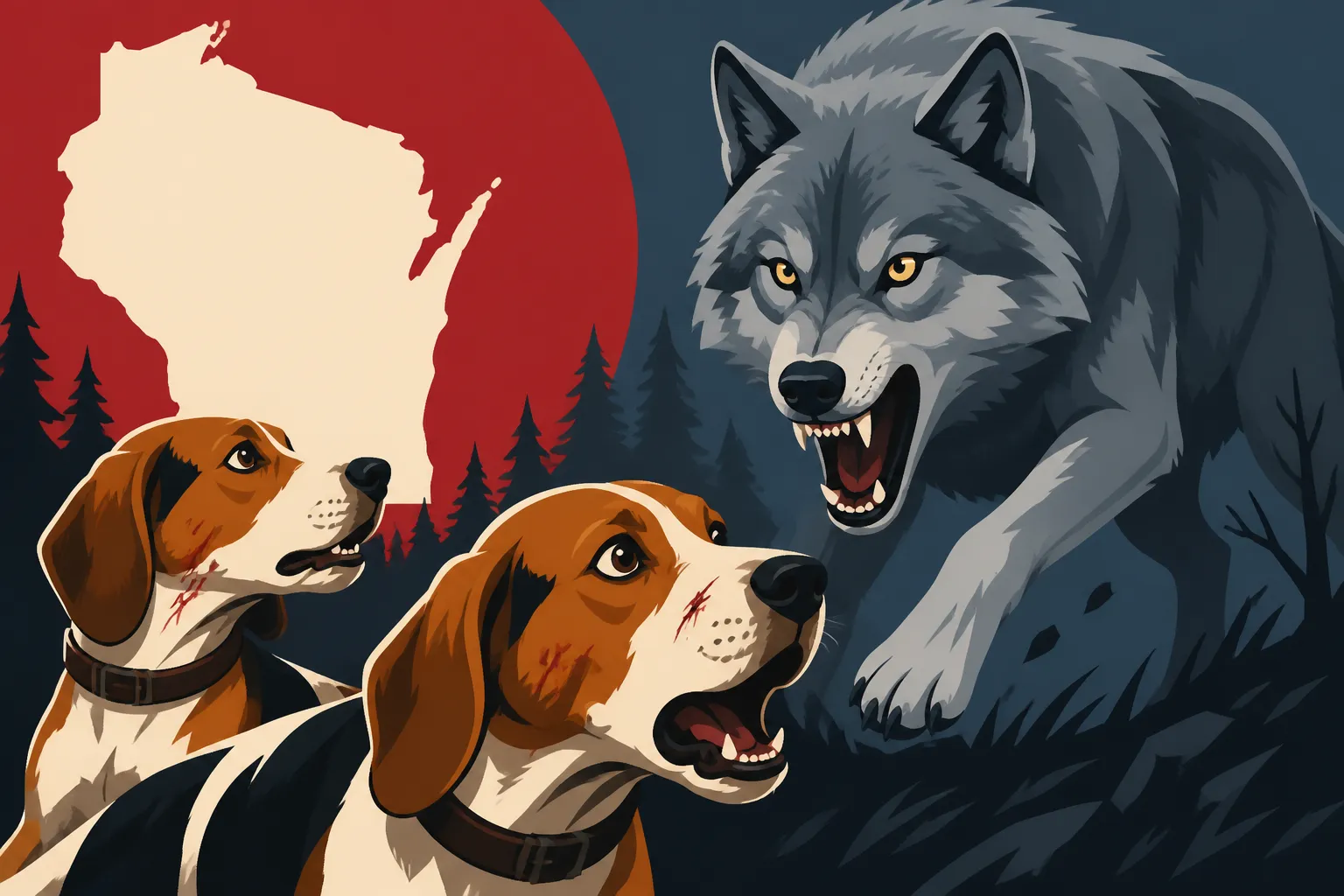
For many Wisconsin hunters who rely on hounds, the specter of wolf depredation isn't just a distant concern; it's a gut-wrenching, often financially devastating reality that can turn a day of hopeful pursuit into a tragic loss. This isn't merely about losing a hunting dog; it's about losing a family member, a skilled partner, and an investment of time, training, and love. This guide will walk you through understanding why these conflicts occur, what to do if the unthinkable happens, and critically, what steps you can take to minimize the risk to your beloved hounds in Wisconsin's wild landscapes.
Understanding the Conflict: The Natural Overlap
The northern reaches of Wisconsin, particularly, are home to a healthy wolf population, a testament to conservation efforts. While this is a success story for wildlife, it unfortunately creates a complex challenge for those who hunt with hounds for species like bear, bobcat, and even coyote. The overlap in territory and hunting methods sets the stage for potential conflict, a reality that deeply impacts hound hunters.
Why Wolves and Hounds Cross Paths
Wolves are territorial animals, and they perceive other canids, including domestic dogs, as potential threats or competition for resources within their home range. When a pack of hounds is actively working a scent trail, baying loudly and moving through the woods, they are essentially announcing their presence and often entering or crossing prime wolf habitat. This is particularly true in the vast forests of northern Wisconsin, where wolf territories are well-established. Imagine a bear hound, focused intently on a hot track, pushing deep into a cedar swamp or traversing a remote ridge point. It's not uncommon for these trails to lead directly through areas favored by wolves for denning, raising pups, or simply traveling. The dogs, driven by instinct and training, might be completely oblivious to the signs of a nearby wolf pack until it’s too late. The unfortunate truth is that a hound's loud, persistent work, which is so effective for driving game, can also draw unwanted attention from predators.
The Instinctual Nature of the Interactions
To a wolf, a domestic dog, especially one operating independently or in a small group, can be viewed through several lenses: a rival predator, an intruder on their territory, or even, in some cases, a potential prey item. Wolves are highly social and intelligent creatures, but their interactions are governed by wild instincts. They don't differentiate between a coyote hound and a wild canid; they see another dog entering their space. This can trigger a defensive reaction. The scent left by a hound, the vocalizations, and the chase itself can all be interpreted as a challenge or an invasion. It's a primal encounter, not one based on malice, but on the survival instincts of two different canid species in the same environment. This is why even a well-trained, disciplined hound can fall victim; their training for hunting doesn't equip them to deal with a territorial wolf pack. For many hound hunters, this reality is incredibly difficult to accept, but understanding the underlying biology is a crucial first step in trying to mitigate the risks.
Historical Context of the Issue
The issue of wolf depredation on hunting hounds in Wisconsin isn't new, nor is it unique to our state. It's a recurring theme wherever healthy wolf populations coexist with hound hunting traditions. Historically, these conflicts ebbed and flowed with both wolf numbers and hunting pressure. As wolf populations rebounded and expanded their range in Wisconsin, particularly in the Northwoods, incidents of depredation naturally increased. There have been periods of intense debate and frustration, with hunters feeling their concerns weren't fully heard, and wildlife advocates emphasizing the wolf's protected status. This historical tension highlights the ongoing challenge of managing a recovered predator species alongside traditional hunting practices. It’s a delicate balance, and the rules and regulations around wolf management, including delisting and potential hunting seasons, have been a constant point of contention, directly influencing the frequency and severity of these unfortunate encounters. Understanding this history helps explain why the issue remains so sensitive and complex for all involved. Wisconsin Wolf Delisting History is a good example of this ongoing policy struggle.
Recognizing and Reporting Depredation Incidents
When a hound goes missing or is found injured or worse, the immediate reaction is often panic and grief. However, knowing how to identify a wolf attack and properly report it is critical, not just for potential compensation but for contributing to the overall understanding of wolf-hound interactions.
Identifying a Wolf Attack
Distinguishing a wolf attack from other predator encounters or even accidents can be challenging, especially in the emotional aftermath. However, there are often tell-tale signs. Wolves typically attack from behind or the flanks, often targeting the hindquarters or neck. Look for deep puncture wounds, especially canine tooth marks, that don't match those of a coyote or bobcat. Coyotes tend to leave smaller, more numerous bites, and bobcats, while formidable, usually focus on quick, decisive kills. With wolves, you might see signs of a struggle over a broader area, indicating a chase. Tracks in the snow or soft ground can also be a key indicator; wolf tracks are significantly larger than a coyote's. A wolf track might be around 4-5 inches long, compared to a coyote's 2-3 inches. The presence of wolf scat or hair around the incident site can further confirm the predator. Unfortunately, if a hound is found deceased, the nature of the wounds, including crushed bone or extensive trauma, can also point towards a larger, more powerful predator like a wolf. Always prioritize your safety when examining a scene, as wolves may still be in the vicinity.
The Official Reporting Process
If you suspect your hound has been the victim of a wolf attack, acting quickly and following the official reporting process is crucial. In Wisconsin, the first step is typically to contact the USDA Wildlife Services or your local Department of Natural Resources (DNR) warden or wildlife biologist. They are the experts trained to investigate these incidents. It's important to provide as much detail as possible: the exact location (GPS coordinates are incredibly helpful), the time the incident occurred or when the hound was last seen, a description of the hound, and any observations you've made at the scene. Do not disturb the site more than necessary before officials arrive, as this can compromise the investigation. Take photographs if you can do so safely, documenting the scene, tracks, and injuries. This detailed information aids investigators in confirming wolf involvement, which is a prerequisite for any potential compensation. Be prepared to be patient; investigations can take time, especially in remote areas or if conditions are challenging.
Compensation Programs and Their Limitations
Wisconsin does have a compensation program in place for confirmed wolf depredation incidents involving livestock and domestic animals, which includes hunting hounds. While the specifics can change, the program generally aims to provide financial relief for confirmed losses. This compensation can cover the fair market value of the hound. However, it's vital to understand the limitations. Firstly, the depredation must be confirmed by official investigators from USDA Wildlife Services or the DNR. This confirmation process involves detailed forensic work at the scene. Secondly, the compensation amount, while helpful, may not fully cover the emotional toll or the specialized training, lineage, or sentimental value of a beloved hunting partner. It's a reimbursement, not a replacement for the loss. There are also specific requirements for documentation and timelines for reporting. Hunters often find the process, while necessary, cannot truly mitigate the full impact of losing a valuable and cherished hound. It's a safety net, but one that underscores the severe consequences of these encounters.
Here's a simplified look at the reporting process:
| Step | Action Required | Key Information Needed |
|---|---|---|
| 1. Secure the Scene (Safely) | Do not disturb the area excessively. Ensure your own safety. | Your location, confirmation of other animals nearby (if any). |
| 2. Contact Authorities Immediately | Call USDA Wildlife Services or local DNR warden. | Your contact info, precise location (GPS), time of incident. |
| 3. Document Evidence (If Safe) | Take photos of injuries, tracks, and the surrounding area. | Visual evidence, descriptions of wounds/tracks, signs of struggle. |
| 4. Cooperate with Investigators | Be available to guide officials to the site. | Provide all details, hound's history, last known movements. |
| 5. Follow Compensation Procedures | Submit necessary paperwork if wolf depredation is confirmed. | Proof of ownership, hound's value (receipts, training records). |
Mitigation Strategies for Hound Hunters
While wolf encounters can't be entirely eliminated in areas where their ranges overlap, hound hunters are not powerless. There are proactive steps and strategic adjustments that can significantly reduce the risk of depredation and protect these valuable hunting companions.
Scouting and Awareness
One of the most effective tools a hound hunter has is knowledge of the landscape and the wildlife within it. Before ever turning a dog loose, thorough scouting is paramount. This isn't just about finding game; it's about understanding potential risks. Utilize mapping applications like GoHunt or the Wisconsin DNR's "Hunt Wild" app to study public land boundaries, terrain features, and historical wolf activity areas. Look for any reported wolf sightings or known den sites that are publicly available. Pay attention to signs of wolf presence while scouting, such as tracks, scat, or howls. If you're heading into an area that has high wolf densities, consider if it's truly worth the risk. The goal is to avoid high-risk areas entirely, or at least be hyper-aware of the increased potential for conflict. For instance, if you're planning on Running Bear Hounds in Northern Wisconsin, scouting not just for bear sign but also for wolf activity is a crucial pre-hunt ritual. Being aware also means paying attention to advisories from the DNR about localized increases in wolf activity.
Technology and Prevention
Technology has come a long way in assisting hound hunters. GPS collars, like those offered by Garmin, are now standard equipment for many. Beyond simply tracking your dog's location, some advanced systems offer geofencing capabilities, alerting you if a dog ventures into a predefined high-risk area. While a GPS collar won't stop a wolf attack, it allows for faster recovery of a lost or injured dog, potentially saving valuable time. Another increasingly popular, albeit debated, preventative measure is the use of protective vests designed for dogs. These vests, often made from durable materials like Kevlar, can offer a degree of protection against bites and punctures. While not foolproof, they can sometimes lessen the severity of an attack, giving a dog a fighting chance. Some hunters also experiment with bells or other noise-makers on their dogs, hoping to make their presence known to wolves, potentially deterring an ambush. While no single piece of technology guarantees safety, a combination of these tools can significantly enhance your hounds' chances of avoiding or surviving an encounter. GPS Collars for Bear Hounds is a crucial piece of gear that can provide peace of mind and improve recovery chances.
Tactical Adjustments
Beyond scouting and gear, modifying your hunting tactics can also play a huge role in minimizing depredation risk.
- Timing is Everything: Wolves are often most active during dawn, dusk, and nighttime hours. If possible, consider hunting during midday when wolves might be less active, especially if you're training young dogs or working in a known wolf area. Avoiding early morning and late evening releases, particularly during the breeding or denning seasons for wolves, can reduce encounters.
- Hunting in Groups: Lone dogs are far more vulnerable than a pack. Hunting with multiple hounds, even for species typically hunted with fewer dogs, can create a more intimidating presence that might deter a lone wolf or even a small pack. More eyes and ears also mean quicker detection of potential threats.
- Vigilance with GPS: Don't just track your dogs; interpret their movements. If a dog's pace suddenly changes, if they stop for an unusually long time, or if their track shows erratic movement, it's a red flag. Head toward them immediately. The faster you can reach a dog in distress, the better its chances.
- Recall Training: While impossible during an active chase, strong recall training for your hounds is always beneficial. In a rare instance where you might spot a wolf or detect signs of an imminent threat, being able to call your dogs back to you could be a lifesaver. This is especially true for Running Hounds for Wisconsin Bobcats where the pursuit can lead dogs into dense cover quickly.
- Public Land Awareness: Be mindful of where you're hunting on public lands. Areas with less human activity might have higher wolf presence. Conversely, areas with more hunting pressure might offer slightly reduced risk simply due to more human scent. Understanding Hunting Pressure on Wisconsin Public Land can help you make informed decisions.
By combining careful scouting, smart use of technology, and thoughtful tactical adjustments, hound hunters can significantly reduce the heartbreaking risk of wolf depredation, allowing them to continue their cherished traditions with greater peace of mind.
The Future of Wolf Management and Hound Hunting
The relationship between Wisconsin's wolf population and its hound hunting community is an ongoing saga, shaped by science, policy, and deeply held beliefs. The future will undoubtedly bring continued discussion and evolving strategies.
Ongoing Debates and Policy Changes
Wolf management in Wisconsin has always been a contentious issue, a pendulum swinging between state and federal protection, and various hunting and control measures. These policy decisions directly impact the daily lives and traditions of hound hunters. When wolves are listed as a federally protected species, the ability of the state to manage their numbers or implement lethal control in depredation zones is severely limited, increasing the risk to hounds. Conversely, when wolves are delisted and state management resumes, there's often more flexibility for intervention. This dynamic legal and biological landscape means that the "rules of the game" are constantly shifting. Each new legal challenge or scientific study adds another layer to an already complex debate. For hound hunters, this uncertainty is incredibly frustrating, as it directly affects their ability to safely pursue their passion. Discussions around wolf quotas, management zones, and even the definition of "depredation" are always on the table, reflecting the diverse viewpoints involved.
Hunter Involvement and Advocacy
Given the significant impact on their sport and their animals, it's crucial for hound hunters to be actively involved in the ongoing discussions about wolf management. Their firsthand experience on the ground, witnessing wolf-hound interactions, is invaluable. Hunters can advocate for their interests by participating in public hearings, engaging with their local DNR advisory councils, and contacting their elected officials. Organizations dedicated to hound hunting or predator management often provide platforms for collective advocacy, ensuring that the voice of the hunting community is heard amidst other stakeholders. Sharing personal stories, backed by factual observations and data from confirmed depredation incidents, can be powerful in shaping public opinion and policy. It’s not just about complaining; it’s about contributing to a balanced, sustainable solution that considers both wildlife conservation and traditional hunting practices. Understanding official channels for reporting and data collection is a key part of this, as accurate data underpins informed policy decisions.
Coexistence Challenges
Ultimately, the long-term goal for Wisconsin's wildlife managers and for many hunters is to find a way for wolves and hound hunting to coexist. This is a monumental challenge, as it requires navigating the biological realities of predator-prey dynamics with the cultural and economic value of hunting traditions. Coexistence doesn't mean the complete absence of conflict, but rather strategies and policies that minimize negative interactions while allowing both populations and practices to thrive. This might involve innovative habitat management, continued research into wolf behavior, and adaptable hunting regulations. It will also require an ongoing dialogue among all stakeholders – hunters, farmers, conservationists, and the general public – to find common ground. The journey toward a sustainable coexistence is long and fraught with difficulties, but it's a necessary path to ensure that Wisconsin remains a state where both its iconic wildlife and its rich hunting heritage can continue for generations to come. White-Tailed Deer Across Wisconsin and Wisconsin's Black Bear Population are species where this coexistence challenge is always at play, affecting not just hounds, but the entire ecosystem.
Disclaimer
This article is for general informational purposes only and does not constitute professional advice. Laws, prices and regulations vary by location and change over time. Consult a qualified professional for guidance on your specific situation.