How Turkeys Reached Northern Wisconsin
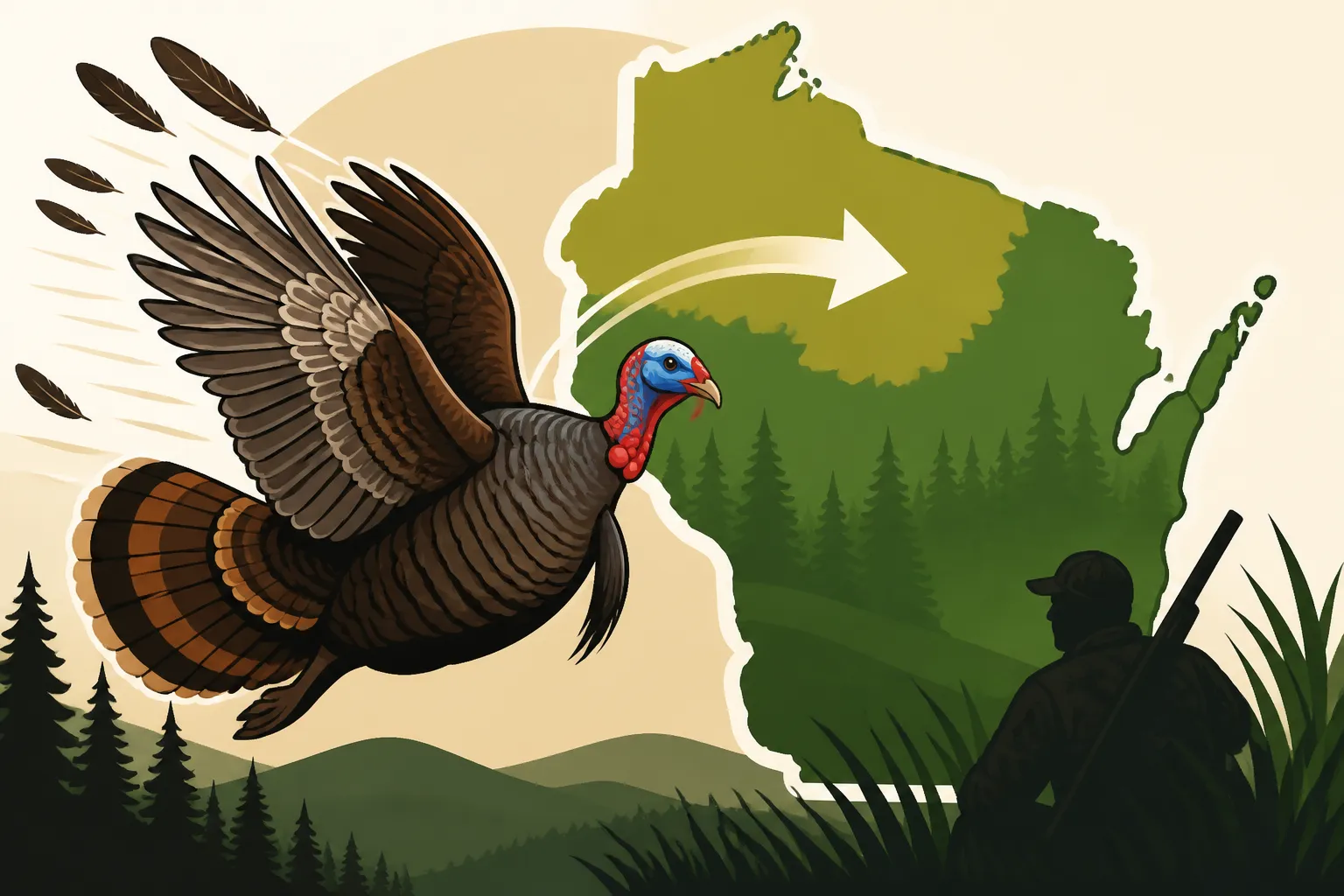
Many long-time Wisconsin residents, especially those who grew up hunting, remember a time when seeing a wild turkey, particularly in the deep woods of the northern part of the state, was almost unheard of. It might seem like these magnificent birds have always been here, but the truth is, their return to northern Wisconsin is one of the greatest wildlife conservation success stories, and it wasn't an easy journey. This guide will walk you through how wild turkeys, once nearly extirpated, found their way back to flourish in the challenging northern landscapes of our state.
The Vanishing Act: Why Turkeys Disappeared from Wisconsin's North
It’s hard to imagine Wisconsin without the booming gobble of a wild turkey echoing through the spring woods, or the sight of a flock scratching for acorns under a frosted oak in late fall. But for a significant period of our state's history, especially throughout the entire northern half, these magnificent birds were largely absent. Their disappearance wasn't a sudden event, but rather a slow, devastating process that took its toll over generations, leaving a void in our natural soundscape and a longing for their return. Understanding this historical absence is key to appreciating the monumental effort that went into bringing them back.
Native Populations and Early Decline
Before European settlement, wild turkeys were indeed native to Wisconsin. They roamed the oak savannas and mixed hardwood forests, primarily in the southern two-thirds of the state, extending somewhat into the transitional zones toward the north. These birds were an integral part of the ecosystem, adapted to the specific patterns of forest and open land. However, their numbers were never as dense or widespread in the deep northern forests compared to the more hospitable southern woodlands, which offered a greater abundance of mast crops and milder winters.
As settlement pushed westward and northward, these native populations faced immense pressure. Subsistence hunting, followed by relentless market hunting, took a severe toll. Turkeys were an easy target, providing a valuable source of food and income. This wasn't unique to Wisconsin; it was a pattern seen across much of their historic range in North America. The relentless pursuit for meat and feathers, coupled with other factors, began to chip away at their ability to sustain viable populations.
Habitat Destruction and Market Hunting's Role
Beyond direct hunting pressure, the landscape itself underwent a radical transformation. The vast, unbroken forests of northern Wisconsin, though less prime turkey habitat initially, saw extensive logging during the late 19th and early 20th centuries. While some new growth eventually provided different kinds of cover, the initial clear-cutting practices drastically altered the mature hardwood stands that turkeys relied on for food (especially acorns and other mast) and roosting. Imagine what it would be like if your entire grocery store and bedroom disappeared overnight – that’s essentially what happened to vast tracts of their preferred environment.
Furthermore, the lack of effective wildlife management and conservation laws at the time meant there was no safety net for these declining populations. By the early 1900s, wild turkeys were considered extirpated from Wisconsin, meaning they were completely gone from the state. For decades, the only wild turkeys seen in Wisconsin were the ones captured in old photographs or remembered in fading oral histories. The prospect of their return seemed distant, if not impossible, particularly in the more remote and historically less populated northern regions.
A Grand Comeback: The Wisconsin Restoration Initiative
The idea of bringing wild turkeys back to Wisconsin, let alone its challenging northern reaches, was once seen as a pipe dream. But thanks to dedicated conservationists, sportsmen, and the Wisconsin Department of Natural Resources (DNR), that dream became a reality. This monumental effort wasn't about simply releasing pen-raised birds; it was a complex, multi-decade undertaking built on a proven method of reintroduction. The success we see today is a testament to perseverance and sound wildlife science. To really understand the current Wisconsin Turkey Population Trends, you have to look back at these crucial steps.
Trap and Transfer: The Game-Changing Strategy
The real breakthrough in turkey restoration, not just in Wisconsin but across the nation, came with the development and widespread application of the "trap and transfer" method. This wasn't some haphazard release of farm-bred birds, which had failed miserably in earlier attempts because these domestic turkeys lacked the survival instincts of their wild cousins. Instead, wild turkeys were carefully captured in areas where their populations were robust – initially from states like Missouri and later from our own thriving southern Wisconsin flocks – and then relocated to suitable habitats in other parts of the state.
The process involved using specialized nets, often cannon-fired, to capture entire flocks. Once captured, the birds were health-checked, tagged, and immediately transported to their new homes. This method ensured that only truly wild, adaptable birds were introduced, giving them the best possible chance to establish new populations. It was a painstaking, often cold and early-morning endeavor for the crews involved, but the results spoke for themselves. Each successful transfer represented a step closer to restoring a missing piece of Wisconsin's wildlife puzzle.
Southern Success Paves the Way North
Wisconsin's turkey restoration began in the late 1970s and early 1980s, primarily in the southwestern Driftless Area. This region, with its rugged terrain, mixed hardwoods, and agricultural lands, provided excellent habitat and allowed populations to boom relatively quickly. As these initial stockings flourished, the DNR was able to begin trapping turkeys from these now-established Wisconsin flocks to further expand the restoration efforts within the state. This self-sustaining source of wild birds was crucial. For many years, hunters seeking Wisconsin Spring Turkey Zones and Periods would have mostly found opportunities in these southern zones.
With southern Wisconsin's turkey populations thriving, the ambitious goal of reintroducing them to northern Wisconsin became a real possibility. The northern forest presents unique challenges, as we'll discuss, but the success in the south provided the blueprint and, more importantly, the healthy birds needed to attempt this next, more difficult phase. The initial reluctance some might have felt about turkeys surviving the harsh northern winters slowly gave way to optimism as biologists observed the resilience of these wild birds. If you're using a tool like GoHunt today to scout for new turkey spots, you'll see just how far north their range has extended since those early days, a direct result of these successful southern expansion efforts.
Conquering the Cold: Turkeys Adapt to Northern Challenges
Bringing turkeys back to northern Wisconsin wasn't just about dropping them off and wishing them luck. The northern landscape, characterized by its extensive forests, deep snow, and brutally cold winters, presented a formidable set of challenges that differed significantly from the milder, more agricultural southern regions. Yet, against these odds, the wild turkey not only survived but thrived, showcasing an incredible adaptability that continues to impress even seasoned wildlife biologists and hunters.
Battling Harsh Winters and Deep Snow
The most significant hurdle for turkeys in northern Wisconsin is undeniably the winter. Unlike deer, which can browse on woody vegetation, turkeys primarily feed on nuts, seeds, and insects found on the forest floor. When heavy snow blankets the ground for months, accessing these food sources becomes incredibly difficult, if not impossible. Deep, powdery snow, in particular, can be a death sentence, trapping birds and making travel exhausting and dangerous, especially when predators like coyotes are on the prowl. How Severe Winters Hit Northern Deer also shows how much the elements can impact wildlife.
However, northern turkeys have shown remarkable behavioral adaptations. They learn to exploit areas where snow is less persistent, such as south-facing slopes or areas with coniferous cover that intercepts snow. They also become masters at finding persistent food sources, like tree buds, conifer seeds, and even lingering agricultural waste where available, though this is less common in the deep woods. Biologists also noted that the hardy, wild-trapped birds were genetically predisposed to handling colder climates, a factor that was instrumental in their survival and ability to overcome the unforgiving cold and snow.
Finding Food and Shelter in the Northwoods
Beyond just surviving the cold, northern turkeys needed to find sustainable food and shelter. The diverse northern forest, while different from the south, offered pockets of excellent habitat. Mature oak stands in pockets of the north still provide critical mast crops, especially in years with good acorn production. Aspen and birch forests, common after logging cycles, offer buds and catkins. Clear-cuts and managed forest openings, which might seem sparse to us, actually provide crucial insect foraging opportunities in warmer months and diverse undergrowth for cover.
Roosting sites are also critical, particularly in a landscape with heavier snowfall. Turkeys prefer tall, sturdy trees for roosting, often conifers that provide some shelter from the wind and snow, or mature hardwoods near protected valleys. Finding suitable roosting habitat that offers both safety from predators and some thermal protection is vital for their winter survival. Hunters trying to locate birds using a GoHunt map for public land scouting will often key in on these specific habitat types, looking for combinations of food sources and ideal roosting cover, which is often found near water or along distinct ridges. You can also dive deeper into Where Wisconsin Gobblers Roost to understand these patterns.
Northern Turkeys Today: A Hunter's Perspective
The flourishing wild turkey population in northern Wisconsin is not just an ecological success story; it's also a significant boon for hunters. What was once an unheard-of hunting opportunity in many northern counties is now a cherished tradition for many, providing exciting spring and fall seasons. This transformation has reshaped hunting culture in the region and continues to be managed carefully to ensure these populations remain robust for generations to come. Today's hunters can celebrate these hard-won victories every time they step into the woods.
Thriving Populations and Hunting Opportunities
Walk into almost any northern Wisconsin sporting goods store or local diner during spring turkey season, and you'll hear chatter about gobblers. The birds are truly back, and their numbers are strong enough to support robust hunting seasons. The Wild Turkeys in Wisconsin are now a permanent fixture. This means hunters in zones like Zone 5, which encompasses a large portion of the northern forest, have excellent opportunities for both spring and fall hunts. The ability to chase gobblers in the vast public lands of the Chequamegon-Nicolet National Forest, or the numerous county forests, is something that simply wasn't possible for most of the 20th century.
Hunting northern turkeys often presents a different experience than hunting in the more agricultural southern zones. The birds can be spread out in the large timber blocks, making patience and effective calling paramount. Many hunters enjoy the challenge of covering ground, using run-and-gun tactics to locate birds in the expansive woods. Whether you prefer the thrill of calling a big tom off the roost or trying to intercept a lone gobbler mid-morning, the northern woods offer unique and rewarding experiences. For those planning a hunt, understanding the Wisconsin Fall Turkey Seasons is just as important as the spring dates.
Responsible Management for the Future
The success of the northern turkey restoration is not a reason for complacency; it underscores the importance of continued responsible management. The Wisconsin DNR actively monitors turkey populations, harvest data, and habitat conditions to ensure the long-term health of the species. This includes setting appropriate quotas, managing Wisconsin turkey application periods, and conducting research to better understand turkey ecology in northern climates. Hunters play a vital role in this management by purchasing licenses, adhering to regulations, and participating in voluntary surveys.
Conservation efforts are ongoing, focusing on habitat improvements, particularly the maintenance of diverse forest structures that provide both mast and coniferous cover. Organizations like the National Wild Turkey Federation also continue to be key partners in these efforts, contributing both funds and volunteer labor to ensure the future of the wild turkey. For any hunter planning their strategy, consulting resources like the Wisconsin DNR's GoWild system or mapping apps like GoHunt can provide crucial, up-to-date information on zones, public land access, and potential hotspots, helping to bridge the historical success with current hunting practices. We all have a part to play in ensuring that the gobble continues to echo through our northern woods for generations to come.
Wisconsin Wild Turkey Restoration Timeline
| Era | Key Events | Geographic Focus | Impact on Turkey Population |
|---|---|---|---|
| Pre-1900s | Native populations present, declining rapidly. | Primarily Southern Wisconsin | Extirpated by early 1900s |
| 1900s – 1970s | Turkeys absent from Wisconsin. Failed reintroduction attempts with pen-raised birds. | None | Zero |
| Late 1970s – Early 1980s | First successful trap-and-transfer from Missouri. | Southwestern (Driftless Area) | Populations established, growing |
| Mid-1980s – 1990s | In-state trap-and-transfer expands from southern birds. | Southern/Central Wisconsin, gradually expanding | Rapid population growth, range expansion |
| Late 1990s – Present | Continued expansion into Northern Forest. Turkeys adapt to cold. | Northern Wisconsin, statewide saturation | Thriving populations, huntable across most of the state |
Disclaimer
This article is for general informational purposes only and does not constitute professional advice. Laws, prices and regulations vary by location and change over time. Consult a qualified professional for guidance on your specific situation.