Why Wisconsin Elk Numbers Hit a Record
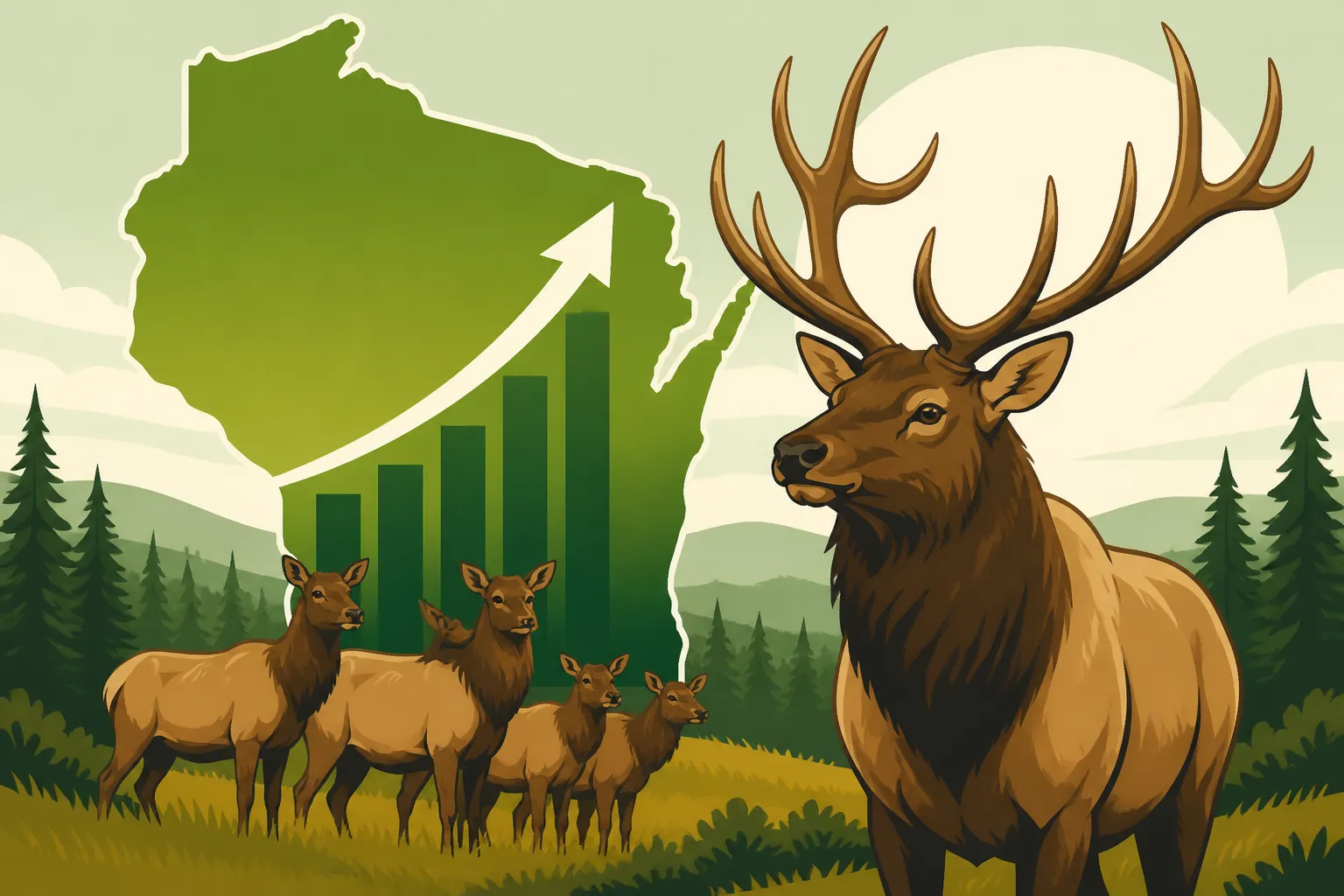
For so many of us who cherish Wisconsin's wild places, the thought of elk bugling across our northern forests was once just a wistful dream, a whisper of what once was. It’s hard to imagine these magnificent creatures were completely gone from our state for over a century, a stark reminder of how fragile even the most robust wildlife populations can be. But fast forward to today, and that dream isn't just alive; it's thriving. We're now celebrating record-breaking elk numbers in Wisconsin, a testament to decades of dedicated effort and a real beacon of hope for conservation. This guide will dive deep into the incredible journey of how Wisconsin brought its elk herds back from the brink, exploring the historical context, the meticulous management strategies, and the community passion that made this conservation success story possible.
A History of Hope: Bringing Elk Back to Wisconsin
It’s easy to forget that Wisconsin was once home to a robust elk population, with these majestic animals roaming freely across vast swaths of the state. Unfortunately, the march of European settlement, coupled with unregulated hunting and widespread habitat destruction, led to their complete disappearance by the late 1800s. For generations, the only elk to be found were in old photographs or natural history books, a haunting reminder of what we had lost. The idea of bringing them back seemed monumental, almost impossible, but the seeds of that dream began to sprout with a few dedicated individuals.
The Original Disappearance and Early Efforts
The story of elk in Wisconsin is a poignant one, a classic tale of frontier expansion leading to the extirpation of a magnificent species. As logging cleared immense forests and agricultural lands spread, the habitat elk needed to survive simply vanished. Couple that with market hunting and subsistence hunting that often knew no limits, and the handwriting was on the wall. By 1880, if you saw an elk in Wisconsin, you were looking at one of the very last. It took over a century for the idea of reintroduction to gain serious traction, fueled by a growing conservation ethic and the successful return of other species like wild turkeys. The path was long, filled with biological hurdles, financial challenges, and the need for public education, but the desire to right a historical wrong was powerful.
The Clam Lake and Black River Reintroductions
The modern era of Wisconsin elk began in 1995 with the groundbreaking reintroduction efforts in the Clam Lake area of Sawyer County, right in the heart of the Chequamegon-Nicolet National Forest. This wasn't a casual endeavor; it was a carefully planned, multi-agency initiative. Elk were brought from Michigan, released into a vast, recovering forest landscape that held the promise of suitable habitat. These initial efforts were critical, laying the groundwork for what we see today. The success of the Clam Lake herd spurred further ambition, leading to the creation of Wisconsin's second elk herd. When Elk Were Reintroduced at Clam Lake, it was a monumental moment for conservationists.
Then, starting in 2015, additional elk were sourced from Kentucky and released into the Black River Falls area, establishing what is now known as the Central Wisconsin Elk Herd. This expansion into a new region was strategic, aimed at diversifying the population and increasing overall numbers. Both of these reintroduction sites were chosen for their expansive public lands, relatively low human population density, and suitable forest cover, providing the best possible chance for the elk to thrive and grow. This dual-herd approach has been a cornerstone of the record growth we're witnessing. These days, when you talk about Wisconsin's Northern and Central Elk Herds, you're talking about a true success story.
Strategic Management: Nurturing Growth in the Wilds
Bringing elk back is one thing, but sustaining and growing their numbers to record levels requires incredibly thoughtful and persistent management. It's not just a matter of releasing animals and hoping for the best; it's a long-term commitment to habitat, health, and careful population oversight. The Wisconsin Department of Natural Resources (DNR) and its partners have invested immense resources and expertise into making these herds flourish.
Habitat Restoration and Protection
One of the most crucial elements in the growth of Wisconsin's elk population has been the unwavering focus on habitat. Elk are large animals with specific needs: they require vast tracts of diverse forest, open grassy areas for foraging, and dense cover for bedding and calving. Conservation partners, including the Rocky Mountain Elk Foundation, the Forest Service, and private landowners, have worked tirelessly to create and maintain these ideal conditions. This involves strategic timber harvests to create early successional forest, prescribed burns to stimulate new growth, and the planting of native grasses and forbs. The goal isn't just any forest; it's a healthy, mosaic landscape that provides everything an elk needs through all seasons. When you're scouting areas, looking at mapping tools similar to what you might find on platforms like GoHunt, you can really see the effort put into creating these varied habitat types. Understanding The Clam Lake and Black River Elk Herds means understanding the habitat that supports them.
Disease Monitoring and Herd Health
Maintaining a healthy herd is paramount, especially when reintroducing a species. The Wisconsin DNR has implemented rigorous disease monitoring programs to safeguard the elk. This includes regular testing for diseases that could potentially decimate the population or pose a risk to other wildlife and livestock. While Chronic Wasting Disease (CWD) is primarily associated with deer, efforts to prevent its spread and manage overall herd health are comprehensive across all cervid species. Understanding CWD Risk to the Wisconsin Elk Herd is a constant concern. Veterinarians and wildlife biologists work year-round, studying movement patterns, testing harvested animals, and responding to any signs of illness. This proactive approach ensures that the elk population remains robust and resilient, minimizing threats that could undo decades of conservation work.
Careful Quota Setting and Harvest Management
The ultimate sign of a thriving elk population is when it can sustain a carefully managed harvest. For many years after reintroduction, hunting was not allowed, allowing the herds to establish and grow without additional pressure. Once numbers reached a sustainable level, Wisconsin implemented an extremely limited, highly coveted elk hunt. This isn't about reducing the population, but rather about managing its growth, providing unique recreational opportunities, and generating funds for further conservation. The number of tags issued is incredibly small, determined annually by careful population surveys and scientific models to ensure that the overall herd continues to expand. Hunters apply through a lottery system, and the odds are long, reflecting the preciousness of these animals. For those keenly interested in the specifics, resources like GoHunt often offer breakdowns of past drawing odds and herd data, demonstrating the careful balance struck between growth and opportunity. These strategic decisions are why How Many Wisconsin Elk Tags Are Issued is such a carefully considered number each year.
Overcoming Challenges and Looking Ahead
The journey to record elk numbers hasn't been without its bumps in the road. Nature is complex, and managing a reintroduced species involves navigating a host of natural challenges and ensuring ongoing community buy-in. But through persistence and adaptive strategies, Wisconsin's elk program has continued to flourish.
Navigating Predator Pressures and Survival
One of the natural challenges facing Wisconsin's elk herds, particularly the young calves, is predation. As a state with established wolf and bear populations, elk calves inevitably become part of the food chain. Wolves and Wisconsin Elk Calves are a natural dynamic in the ecosystem. While some predation is expected and healthy, biologists closely monitor its impact to ensure that it doesn't hinder the overall growth of the herd. What we’ve seen, however, is that despite these natural pressures, the elk population continues to grow, signifying a healthy and resilient herd that is able to sustain itself. This balance is a strong indicator of a functioning ecosystem, where elk are once again integrated members of Wisconsin's wildlife community. It’s a powerful lesson in how a restored landscape can support a diversity of species, even predators and prey.
Community Engagement and Support
The success of Wisconsin's elk reintroduction is not solely a story of biologists and habitat managers; it's equally a story of community. From the local residents near Clam Lake and Black River Falls who embraced the return of elk, to conservation organizations and hunters who tirelessly fundraised and volunteered, the support has been immense. Landowners have played a crucial role, often modifying agricultural practices or allowing elk to traverse their properties. Public education efforts have been vital in fostering understanding and appreciation for the elk, helping to minimize conflicts and build a sense of shared ownership in their success. This strong community backing, often informed by detailed information from organizations and platforms akin to what GoHunt provides, has been a bedrock for the program's expansion. Without this collective spirit, reaching record How Many Elk Wisconsin Has would have been a much steeper climb.
Future Outlook and Continued Monitoring
Looking forward, the future for Wisconsin's elk herds appears brighter than ever. With two distinct herds, a robust management plan, and widespread public support, the groundwork is laid for continued success. The goal isn't just to maintain numbers, but to continue to expand their range where suitable habitat allows, while ensuring the health and genetic diversity of the herds. Ongoing research into elk ecology, movement patterns, and habitat use will be critical. Technologies that allow for remote monitoring, and public participation through citizen science initiatives, will continue to play a role. For anyone interested in the broader picture of White-Tailed Deer Across Wisconsin, understanding the elk success story provides a fascinating parallel in large ungulate management. This sustained commitment ensures that future generations will also have the opportunity to experience the awe-inspiring sight and sound of wild elk in Wisconsin's forests.
Key Factors in Wisconsin Elk Population Growth
The journey from extirpation to record numbers is a complex one, but several key factors stand out as pillars of success for Wisconsin's elk.
| Factor | Contribution to Growth | Impact on Herd Health |
|---|---|---|
| Strategic Reintroduction | Establishment of two distinct herds (Clam Lake & Black River) at optimal sites. | Diversified genetics, reduced risk from localized threats. |
| Dedicated Habitat Work | Restoration of diverse forest ecosystems, forage areas, and protective cover. | Ensured ample food, shelter, and breeding grounds for expanding populations. |
| Disease Management | Proactive monitoring and testing for potential diseases. | Minimized disease outbreaks, maintained high survival rates. |
| Careful Harvest Quotas | Very limited, scientifically determined hunting tags. | Allowed populations to grow for decades before any harvest, ensuring long-term expansion. |
| Community Support | Public education, landowner cooperation, and volunteer efforts. | Reduced human-elk conflict, provided vital resources and advocacy. |
| Predator-Prey Balance | Elk able to thrive despite natural predation from wolves and bears. | Indicator of a healthy, resilient herd integrated into the ecosystem. |
Conclusion
The resurgence of elk in Wisconsin is nothing short of a modern conservation miracle, a true triumph of sustained effort and unwavering dedication. From their historical absence to the celebratory calls of record numbers echoing through the Northwoods and Central forests, it’s a journey that reminds us of the power of conservation. It proves that with scientific management, habitat restoration, and passionate community involvement, we can not only bring back what was lost but see it flourish beyond our wildest dreams. When you hear about The Northern Wisconsin Elk Herd Size or The Central Wisconsin Elk Herd Size, remember the generations of effort that went into making those numbers possible. The next time you find yourself in the vast public lands that these magnificent creatures now call home, take a moment to appreciate this living legacy.
Disclaimer
This article is for general informational purposes only and does not constitute professional advice. Laws, prices and regulations vary by location and change over time. Consult a qualified professional for guidance on your specific situation.