How Many Elk Wisconsin Has
It’s easy to feel a bit lost when trying to grasp the health and size of Wisconsin's wild populations. You hear whispers and rumors, but getting a clear picture of how many elk are actually roaming our woods can feel like chasing a ghost. This guide is designed to cut through that noise, giving you a solid, realistic understanding of Wisconsin's magnificent elk herds, their incredible comeback story, and what their presence means for all of us who love the outdoors here.
The Journey of Wisconsin's Elk Population
Wisconsin’s elk population today is nothing short of a conservation triumph, but it wasn't always this way. For a long time, the notion of wild elk in our state was just a historical footnote. Their journey back has been long and dedicated, a testament to what focused effort can achieve.
From Extinction to Reintroduction
Imagine a Wisconsin where elk bugled through the timber, their massive antlers catching the sun. That was once a reality, but by the late 1800s, unchecked hunting and widespread habitat destruction had led to their complete extirpation from the state. They were gone, a true loss to our natural heritage. For decades, Wisconsin's forests were silent of their calls.
However, the dream of seeing elk roam free again never died. Conservationists and the Wisconsin DNR began exploring reintroduction possibilities. It wasn't a simple task; it required careful planning, securing suitable habitat, and navigating complex logistics to bring animals from other states. The vision was clear: to return a piece of wild Wisconsin that had been lost. These efforts were truly pivotal, laying the groundwork for the herds we see today. If you're interested in the historical perspective, you might enjoy reading about How Elk Returned to Wisconsin.
The Clam Lake Herd
The first modern chapter of Wisconsin's elk story began in 1995 with the release of 25 elk from Michigan into the Chequamegon-Nicolet National Forest near Clam Lake. This was a monumental moment, the culmination of years of hard work and hope. These initial animals faced significant challenges, adapting to a new environment, dealing with predators, and simply surviving their first Wisconsin winter.
For years, this Clam Lake herd was the only wild elk population in the state. Their numbers grew slowly but steadily, each new calf a victory for conservation. They adapted to the vast northern forests, finding refuge in the dense timber and making use of clearings and wetlands. It was a slow build, but seeing even a small herd thrive again was incredibly encouraging. Their resilience in the face of various challenges, from harsh weather to occasional road accidents, truly showcased the species' toughness. This original herd remains a cornerstone of Wisconsin's elk story.
The Black River Falls Herd
As the Clam Lake herd demonstrated its viability, the idea of expanding the elk's range gained traction. In 2015, another significant reintroduction effort took place, bringing elk from Kentucky to the Black River State Forest area, near Black River Falls in central Wisconsin. This marked the creation of our state’s second distinct herd. The goal was to establish a separate, self-sustaining population, reducing the risk of a single catastrophic event impacting all of Wisconsin's elk.
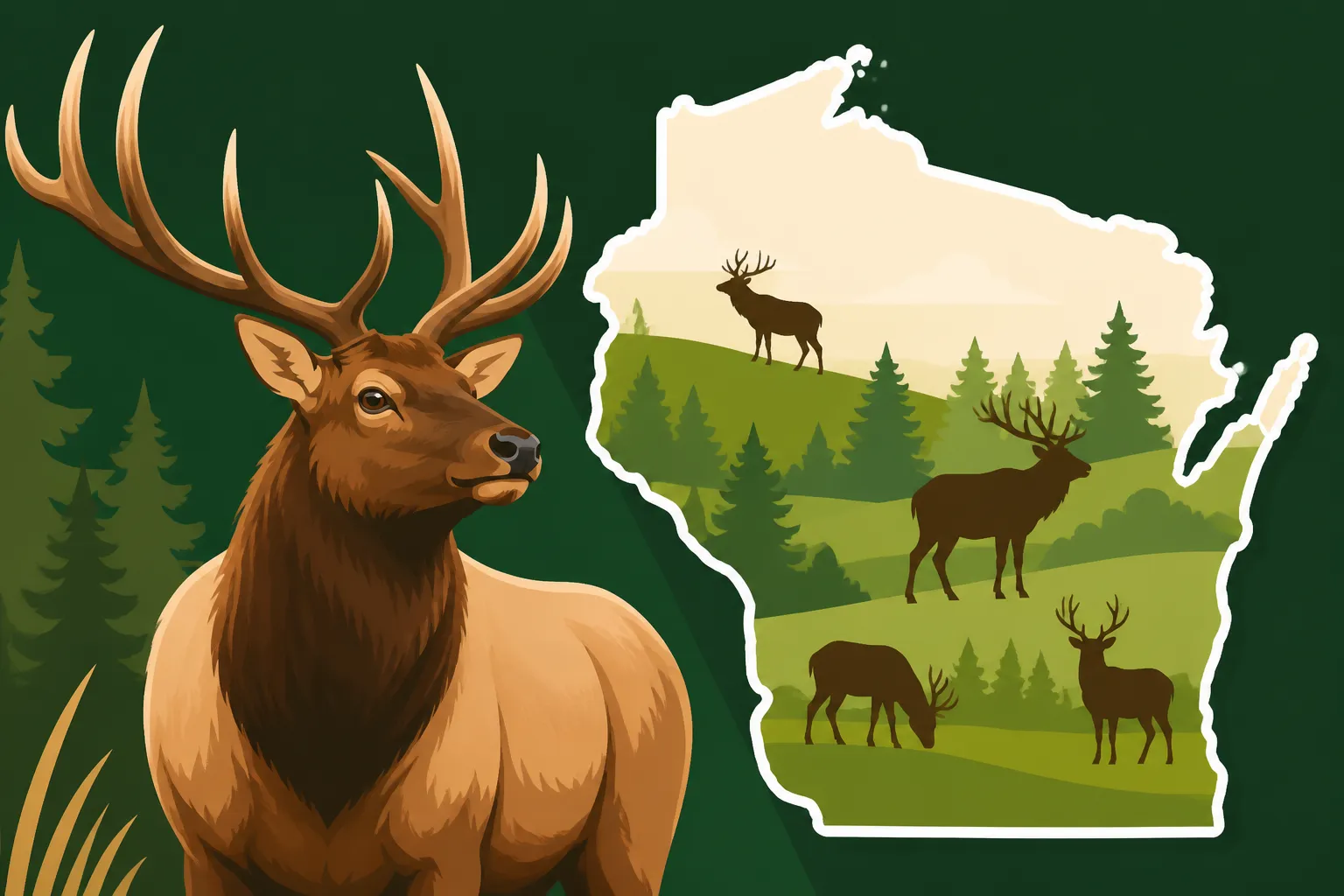
The Black River Falls herd benefited from the lessons learned at Clam Lake. Releases were carefully managed, and the chosen habitat offered excellent forage and cover. This central Wisconsin herd has also been growing, albeit with its own set of challenges, including adapting to a landscape with more agriculture interspersed with forest. The establishment of this second herd was a crucial step in ensuring the long-term success and genetic diversity of elk in Wisconsin. Both herds contribute to Wisconsin's Northern and Central Elk Herds and their overall stability.
Current Elk Population Estimates and Growth Factors
Understanding the actual number of elk in Wisconsin isn't as simple as counting sheep. It's a complex process that combines boots-on-the-ground fieldwork with scientific analysis. These numbers are vital for managing the herds and ensuring their continued health and expansion.
Understanding the Numbers
Estimating wildlife populations, especially for a large, wide-ranging animal like an elk, is a formidable task. The Wisconsin DNR, often in collaboration with tribal nations and other partners, employs several methods to get the most accurate count possible. This includes aerial surveys, where trained observers fly over known elk ranges, literally counting animals from the sky, particularly effective during winter when snow cover makes elk more visible against the landscape. They also rely on ground observations, tracking data from collared animals, and reports from hunters and the public.
These aren't exact headcounts but rather sophisticated estimations designed to provide a robust understanding of population trends. Factors like herd health, calf recruitment (how many calves survive to adulthood), and mortality rates (from natural causes, predation, and vehicle collisions) are all factored into these calculations. It's a continuous effort to refine these numbers, giving wildlife managers the best possible data to make informed decisions about herd management and hunting opportunities. For those who follow wildlife data closely, platforms like GoHunt can offer tools to visualize population trends and historical data in other states, though Wisconsin's specific data is managed by the DNR.
Factors Influencing Elk Growth
Several critical factors play a role in how quickly or slowly Wisconsin's elk herds grow. Habitat is paramount: elk need vast areas of mixed forest and open clearings for foraging, bedding, and calving. The health and availability of these habitats are constantly monitored and, where possible, improved through active forest management. Predation, primarily from wolves, can impact calf survival, especially in the northern reaches where wolves are more prevalent. However, elk are large, formidable animals, and predation is a natural part of a healthy ecosystem.
Disease, while always a concern, has thankfully not had a widespread devastating impact on Wisconsin's elk to date, though monitoring for issues like Chronic Wasting Disease (CWD), which affects deer, is ongoing. Road collisions also pose a threat, particularly as elk expand into areas with more human infrastructure. The careful balance of these factors – ample habitat, healthy calf recruitment, manageable predation, and minimal disease – is crucial for the herds to continue their impressive growth trajectory.
Annual Surveys and What They Mean
Each year, dedicated teams undertake comprehensive surveys to update the elk population estimates. These annual counts are more than just numbers; they tell a story of success, challenges, and future potential. For instance, the Clam Lake herd has consistently shown strong growth, often exceeding initial expectations. The Black River Falls herd, being newer, is still in a phase of rapid expansion. These surveys also provide insights into herd composition, such as the ratio of cows to calves, which is a key indicator of reproductive success and future growth potential.
The data gathered from these surveys directly informs management decisions, including harvest quotas for the limited elk hunting season. When you see announcements about the Wisconsin elk population, these are the carefully calculated figures that have gone through extensive review. Keeping track of these figures is a great way for any outdoor enthusiast to stay informed about the health of our wild resources. If you're mapping out potential viewing spots or applying for a tag, knowing these trends can be quite helpful.
Let's look at the estimated population sizes for each herd, understanding these are dynamic and subject to change with each annual survey:
| Herd Location | Estimated Population (Approximate) | Primary Growth Stage | Notes |
|---|---|---|---|
| Clam Lake (Northern WI) | 300-400+ animals | Mature, steady growth | Original reintroduction site, well-established. |
| Black River Falls (Central WI) | 150-250+ animals | Expanding, rapid growth | Newer reintroduction, increasing range. |
It’s important to remember that these numbers are fluid. They represent a snapshot in time, and the dedicated efforts of the DNR and partners ensure these populations continue to thrive and expand.
What These Numbers Mean for Wisconsin Hunters and Wildlife Enthusiasts
The presence of growing elk herds in Wisconsin has significant implications, not just for the animals themselves, but for hunters, wildlife watchers, and anyone who cherishes our state's natural beauty. It's a testament to long-term conservation and a source of immense pride.
The Future of Elk Hunting in Wisconsin
One of the most exciting outcomes of a growing elk population is the return of elk hunting. For over a century, this was an impossibility. Now, thanks to the robust health of the herds, Wisconsin offers a highly sought-after, extremely limited elk hunting opportunity. This isn't a free-for-all; it's a carefully managed draw designed to provide a unique hunting experience while ensuring the long-term health and growth of the herds. The number of tags issued each year is minuscule compared to the number of applicants, making it a true once-in-a-lifetime draw for most.
The opportunity to pursue elk in Wisconsin is a profound connection to our state's wild past. Hunters who are lucky enough to draw a tag often spend countless hours scouting, learning the terrain, and preparing for an ethical harvest. If you're considering applying, it's wise to research the Wisconsin Elk Application Rules and deadlines well in advance. Keep in mind that securing an Elk Viewing in Wisconsin opportunity is far more common than drawing a tag, but both are incredible experiences. For those serious about their applications, platforms like GoHunt can provide tools to analyze draw odds in other states, helping you understand the competitive nature of limited entry hunts.
Elk Viewing and Conservation
Even if hunting isn't your primary interest, the presence of elk offers incredible opportunities for wildlife viewing. Hearing a bull bugle during the autumn rut or spotting a cow and calf feeding in a forest opening is an unforgettable experience. Areas around Clam Lake and Black River Falls have become known hotspots for those hoping to catch a glimpse of these majestic animals. It's important for viewers to maintain a respectful distance, avoid disturbing the elk, and understand their behavior.
Beyond the aesthetic appeal, the elk reintroduction program is a powerful symbol of successful conservation. It highlights the importance of habitat preservation and responsible land management. The elk act as a flagship species, drawing attention to the broader health of our forest ecosystems. Their return supports a healthier, more diverse environment for all species. Learning about When Elk Were Reintroduced at Clam Lake really puts the effort into perspective.
Navigating Elk Country
Whether you're hunting, scouting, or simply hoping to view elk, understanding how to navigate their habitat is key. Elk favor large tracts of forested land, often with a mix of dense cover for bedding and open areas for foraging. In the Clam Lake area, this means expansive northern hardwoods and conifer swamps. In the Black River Falls region, you'll find them utilizing pine plantations, oak forests, and agricultural edges. Familiarizing yourself with public land maps, using apps that show land ownership, and understanding seasonal movements will greatly increase your chances of an encounter.
For hunters, detailed scouting is paramount. Understanding Where to Hunt Inside Wisconsin's Elk Zone requires boots on the ground, reading sign, and knowledge of elk behavior. Remember, public land in these areas can be vast, and elk often roam far from roads. Always practice ethical outdoor recreation, pack out everything you pack in, and respect private land boundaries. Using mapping tools like those from GoHunt can be invaluable for pinpointing specific features, understanding terrain, and marking potential elk hotspots, whether you're hunting or just exploring.
Disclaimer
This article is for general informational purposes only and does not constitute professional advice. Laws, prices and regulations vary by location and change over time. Consult a qualified professional for guidance on your specific situation.