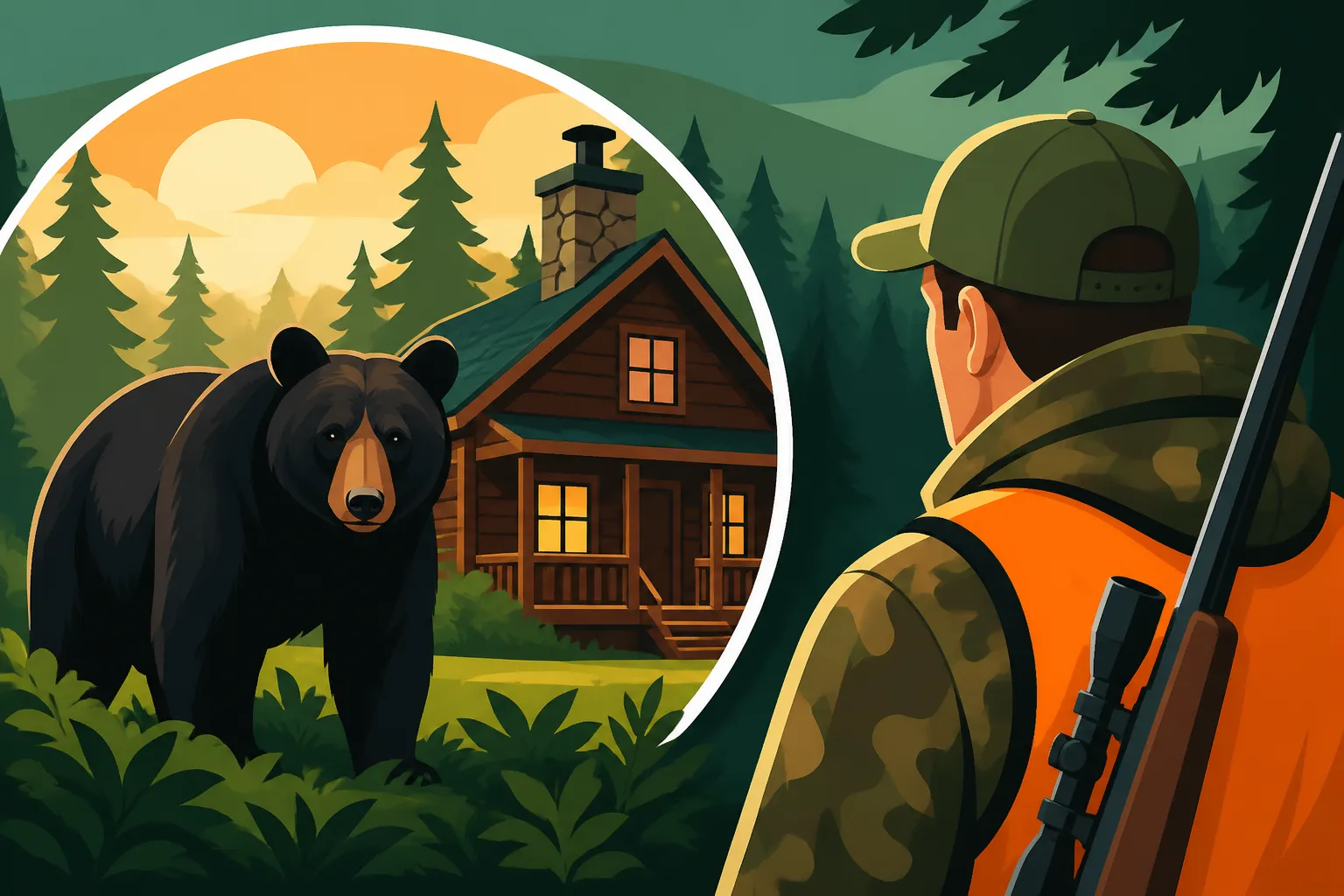
Bear Encounters Around Wisconsin Cabins
There’s nothing quite like the tranquility of a Wisconsin cabin, nestled amongst the pines or perched by a quiet lake. But for many, that peace can be momentarily shattered by the unexpected appearance of a black bear. Whether you're a long-time cabin owner, a seasonal renter, or just someone enjoying the great outdoors, understanding why bears approach cabins, how to prevent unwanted visits, and what to do if you encounter one is absolutely crucial for both your safety and the well-being of these magnificent animals. This guide will walk you through managing bear encounters around Wisconsin cabins, ensuring your time up north remains enjoyable and safe.
Understanding Why Bears Visit Wisconsin Cabins
When a black bear wanders near your Wisconsin cabin, it's rarely out of aggression or malice. Instead, it's almost always driven by their primary instinct: finding food. Bears are incredibly intelligent and adaptable animals with an astonishing sense of smell – truly, a nose that can lead them miles to a potential meal. Our cabins, often filled with tempting aromas and easy access to calories, can be irresistible magnets.
Consider the sheer caloric demands of a bear. They spend their spring, summer, and fall building up fat reserves to sustain them through their winter denning period. This means they are constantly on the lookout for the easiest, most energy-rich food sources available. A natural diet of berries, nuts, insects, and roots requires a lot of foraging effort. Compare that to a discarded pizza box, an overflowing bird feeder, or a grill left uncleaned, and you can see why our human habitats become so appealing. Bears quickly learn that cabins and homes often mean easy pickings, and once they associate humans with food, they'll keep coming back. Understanding Wisconsin's Black Bear Population and Where Wisconsin Bears Range can give you a better idea of how common these animals are in your area and why they might be moving through your property.
Preventing Unwanted Bear Visits to Your Cabin
The absolute best way to handle bear encounters is to prevent them from happening in the first place. This requires a proactive approach, essentially "bear-proofing" your cabin and property. Think of it as making your place as unappealing as possible to a hungry bear. This isn't just about protecting your property; it’s also about protecting the bears themselves. Bears that become habituated to human food sources often lose their natural fear of people, which can lead to dangerous situations and, unfortunately, often results in the bear having to be removed or euthanized.
Managing Food and Garbage Attractants
This is by far the most critical step. Anything with a scent that might appeal to a bear needs to be secured or removed. This includes obvious things like garbage, but also less obvious items.
First, your garbage bins are prime targets. Standard plastic garbage cans offer no resistance to a determined bear. If you have garbage, it absolutely must be stored indoors – in a garage, shed, or even locked in your vehicle – until collection day. If that's not possible, invest in bear-resistant containers. There are various commercial options available, often heavy-duty plastic or metal with locking mechanisms that a bear can't manipulate. Even then, keep them as far from your cabin as possible. Remember, bears can smell decaying food from incredible distances, so even empty containers can draw them in. For those who own land in bear country, checking local ordinances on waste management is always a good idea, and tools like GoHunt can sometimes offer insights into regional regulations or even help identify nearby public access points where bear activity might be higher, indirectly influencing your waste strategy.
Next, consider all other potential food sources. This includes bird feeders – take them down at night, or better yet, avoid using them during the peak bear activity months from spring through fall. Hummingbird feeders, with their sugary water, are also big attractants; bring them inside after dark. Pet food bowls should never be left outside, especially overnight. Even barbecue grills need attention. After grilling, burn off any remaining food residue, and thoroughly clean the grates. If possible, store the grill inside a secured shed or garage. The lingering smell of cooked meat, even days later, can be enough to draw a bear in.
Securing Your Cabin and Property
Beyond food, there are other aspects of your cabin and property that might inadvertently attract bears or allow them easy access.
Ensure all windows and doors are closed and locked when you're not home, especially ground-level windows. Bears are surprisingly strong and can open unlocked doors or windows if they detect a tempting scent inside. Screen doors offer no protection against a bear's claws. You might even consider installing reinforced latches or bars on vulnerable entry points if bear activity is particularly high in your area. For those with deer camps or permanent structures in remote areas, knowing about Wisconsin Bear Denning Behaviour can inform your winterizing efforts, as a secure cabin is less likely to be investigated by a curious bear even during its less active periods.
Compost piles are a definite no-go in bear country unless they are entirely bear-proof. The decaying organic matter creates a powerful scent. If you must compost, use a fully enclosed, bear-resistant composter, and avoid adding meat or dairy products. Fruit trees and berry bushes near your cabin can also be attractants when in season. While you can't exactly "remove" a fruit tree, be diligent about picking ripe fruit and cleaning up any fallen fruit promptly. For hunters who also maintain cabin properties, understanding wildlife patterns can be enhanced by scouting tools. Many dedicated outdoor enthusiasts use detailed mapping applications like GoHunt to mark potential attractant areas, track bear sightings, and even assess surrounding public land characteristics by looking at Wisconsin Public Access Lands Maps, allowing them to plan their prevention efforts more strategically.
Here's a quick summary of common attractants and effective prevention steps:
| Attractant Category | Specific Items | Prevention Strategies |
|---|---|---|
| Garbage | Household trash, recycling, empty food containers | Store indoors (garage, shed) or in bear-resistant containers. Never leave outside overnight. |
| Pet Food | Dog/cat food, water bowls | Feed pets indoors. Do not leave food/water bowls outside, especially overnight. |
| Bird Feeders | Seed feeders, suet, hummingbird feeders | Remove feeders from April-November. If used, bring inside at night. |
| Grills/Smokers | BBQ grills, portable smokers | Clean thoroughly after each use. Burn off all food residue. Store in a secured building. |
| Compost Piles | Food scraps, garden waste | Avoid if possible. Use bear-resistant composters for organic matter (no meat/dairy). |
| Fruit/Vegetables | Fallen fruit from trees, garden produce | Pick ripe fruit promptly. Clean up fallen fruit. Harvest garden produce regularly. |
| Scented Items | Bug spray, sunscreen, toiletries, fuel | Store inside securely. Avoid leaving scented items on porches or picnic tables. |
| Campfires/Ash | Campfire pits, fire rings | Burn only wood. Completely extinguish fires. Clean out ash regularly if food was burned. |
Educating Guests and Neighbors
If you rent out your cabin or have guests, it's essential to educate them about bear safety. Many people, especially those from urban areas, may not understand the implications of leaving food out or garbage unsecured. Create a clear, concise list of rules for managing food and waste. Post it prominently in the cabin and include it in your rental agreement or welcome packet.
Engaging with your neighbors is also beneficial. A single neighbor who consistently leaves garbage out or feeds bears can undermine everyone else's efforts to keep bears wild. While you can't force compliance, friendly conversations about local bear activity and the importance of responsible practices can go a long way. Share information about local regulations, like Wisconsin Baiting and Feeding Bans, which are often in place to reduce human-bear conflicts and manage CWD.
What to Do During a Bear Encounter
Despite your best prevention efforts, a bear might still wander onto your property or be spotted nearby. Knowing how to react calmly and safely is paramount. Remember, most bears are more afraid of you than you are of them, and they typically want to avoid conflict.
If You See a Bear From a Distance
If you spot a bear from afar, perhaps just walking through your yard or along a tree line, the best course of action is often to give it space and observe. Do not approach the bear, and definitely do not try to feed it. This is where habituation begins.
Make your presence known. Speak in a calm, firm voice. You want the bear to know you're there, but you don't want to startle it. Back away slowly, increasing the distance between you and the bear. If you can, retreat indoors or into your vehicle. Keep pets on a leash and bring them inside immediately. Remember, even a small dog can provoke a bear, putting both the dog and yourself at risk. If you happen to be out Scouting Wisconsin Public Land Before Season and spot a bear, remember these same principles – distance and respectful retreat are key.
If a Bear Comes Closer
Should a bear approach your cabin or you find yourself closer than you'd like, it's time to be more assertive, without being aggressive.
Make yourself look as big as possible. Stand up straight, wave your arms, and make noise. Shout, clap your hands, or bang pots and pans together. The goal here is to scare the bear away, to teach it that humans are not to be messed with and that your property is not a safe, easy food source. Never run from a bear; this can trigger their chase instinct. Instead, continue to back away slowly, maintaining eye contact without staring directly or aggressively. If you're out with your gear for Muzzleloader Deer Hunting in Wisconsin or any other outdoor activity, make sure you know how to safely store any food items you have on your person.
If the bear stands on its hind legs, it's usually just trying to get a better look or smell. It's not typically a sign of aggression. Continue to make noise and act large. However, if a bear makes huffing sounds, swats the ground, or lunges at you, these are defensive behaviors. This is when you know it feels threatened. Still, the advice remains the same: stand your ground, make noise, and appear large. Never play dead with a black bear; that tactic is generally for grizzlies. If a black bear attacks, fight back aggressively. Hit it with anything you have – a stick, a rock, your fists. Target the face and eyes.
When to Contact Authorities
Most bear encounters are harmless and can be resolved by scaring the bear away. However, there are situations where you should contact the Wisconsin Department of Natural Resources (DNR).
You should call the DNR if a bear is:
- Damaging property extensively (e.g., breaking into a cabin, tearing down siding).
- Acting unusually aggressive or exhibiting no fear of humans, despite hazing attempts.
- Injured or trapped.
- Consistently returning to an area, even after prevention and hazing efforts.
It's important to differentiate between a curious bear and a problematic one. A bear passing through your yard once is not necessarily problematic. A bear that consistently tries to access your cabin or shows aggression is. The DNR has dedicated wildlife management staff who can assess the situation and determine the best course of action for both human safety and the bear's welfare. You can also refer to resources on Wisconsin Wildlife Violation Penalties if you witness someone intentionally harming a bear or violating baiting laws, which contribute to these problems.
Coexisting with Wisconsin's Black Bears
Living or vacationing in Wisconsin's beautiful wilderness means sharing the landscape with its native wildlife, including black bears. While the occasional encounter can be startling, a little knowledge and preparation can go a long way in ensuring these interactions are rare and safe.
Think of it as respectful coexistence. By diligently managing attractants, securing your property, and understanding bear behavior, you are not only protecting your cabin but also helping to keep Wisconsin's black bears wild and healthy. This approach minimizes the chances of bears becoming reliant on human food, which is truly the best outcome for everyone. Whether you're preparing for Bear Hunting With Bait and Dogs in Wisconsin or simply enjoying a quiet weekend, responsible practices benefit the entire ecosystem.
Remember, the goal is not to eliminate bears from the landscape, but to educate them (and ourselves) on how to navigate living in close proximity. A clean, scent-free cabin is a less interesting cabin to a bear, allowing them to continue their natural foraging behaviors and helping to preserve the wild spirit of our beloved Wisconsin forests. If you're planning any outdoor excursions, perhaps to areas like the Chequamegon-Nicolet National Forest Hunting grounds or any other public lands, remember that applying these same principles of cleanliness and awareness will ensure a safer and more enjoyable experience.
Disclaimer
This article is for general informational purposes only and does not constitute professional advice. Laws, prices and regulations vary by location and change over time. Consult a qualified professional for guidance on your specific situation.