EHD Die-Offs in Wisconsin Deer
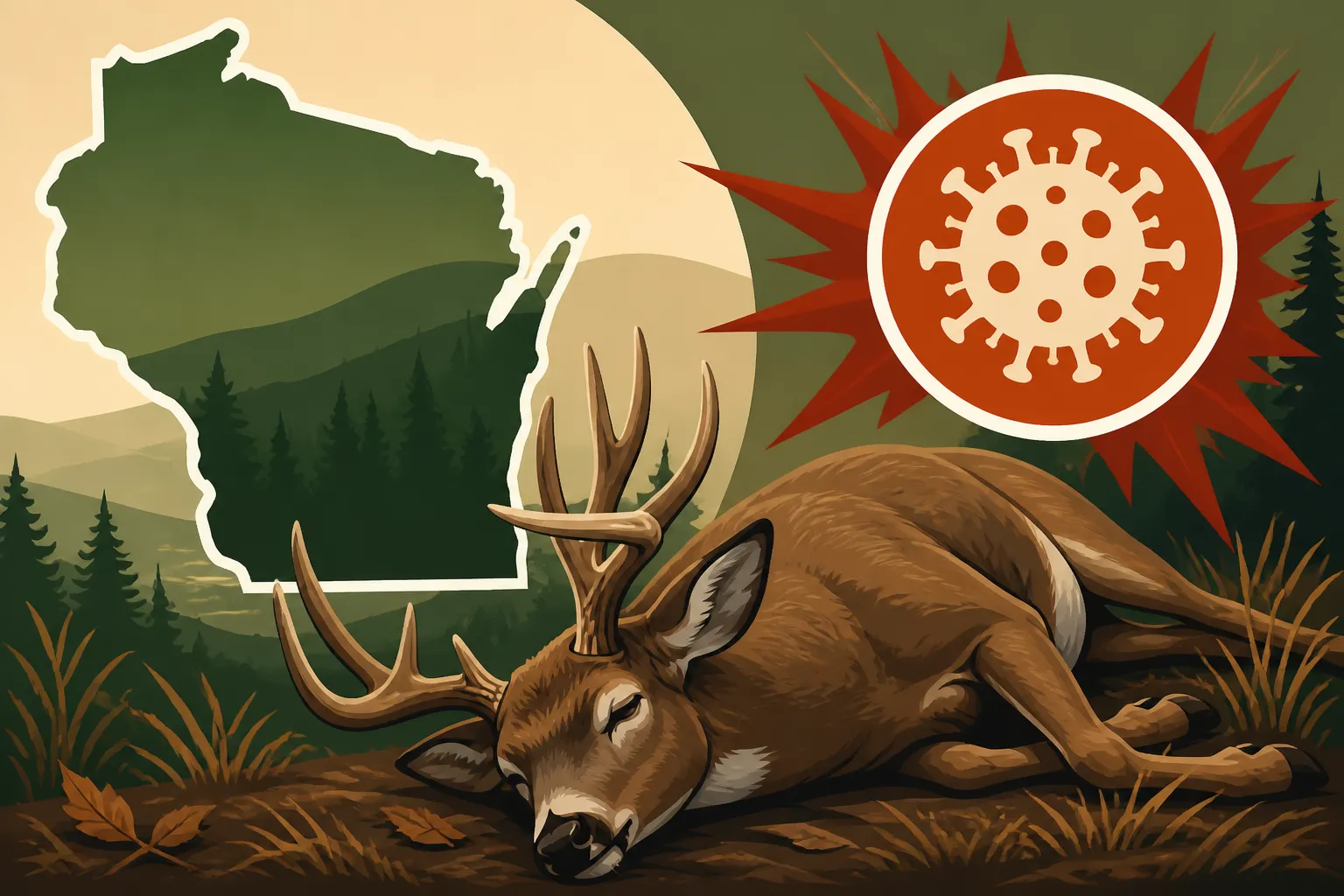
It's never a pleasant discovery to come across a sick or deceased deer in the woods, especially when the cause is a mystery. For many Wisconsin hunters and outdoors enthusiasts, the sight can be unsettling, raising concerns about the health of the local deer herd and the safety of hunting. This guide aims to demystify Epizootic Hemorrhagic Disease (EHD) die-offs in Wisconsin deer, helping you understand what it is, how it impacts our whitetails, and what you can do if you encounter it.
What Exactly is EHD and How Does it Affect Deer?
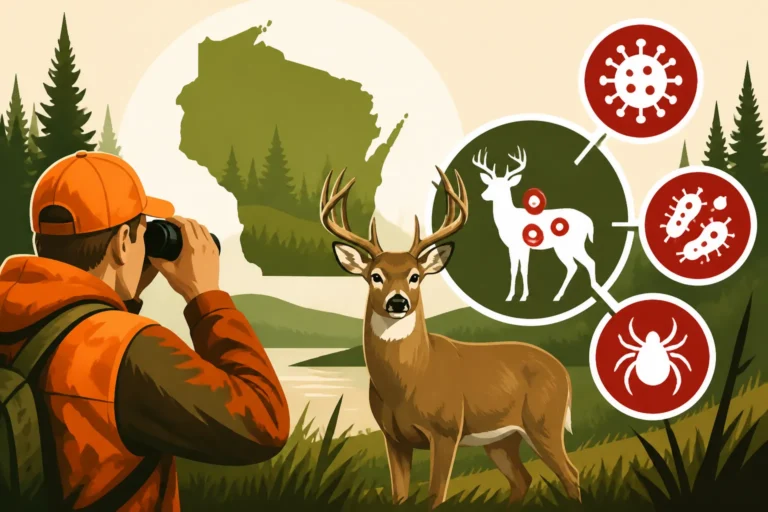
Epizootic Hemorrhagic Disease, or EHD as it's commonly known, is a viral disease that primarily affects white-tailed deer. It's caused by an orbivirus, which is transmitted by tiny biting midges, often called "no-see-ums" or gnats. While EHD isn't new, its presence can be alarming when it strikes, leading to noticeable die-offs in localized areas. It's crucial for hunters to understand that EHD is generally not a threat to humans, nor is it known to infect other domestic animals, though some livestock might develop mild symptoms if exposed to the virus.
Symptoms and Progression of the Disease
When a deer contracts EHD, the virus attacks the lining of blood vessels, leading to internal hemorrhages, or bleeding. This is where the "hemorrhagic" part of the name comes from. Early symptoms can be subtle, but as the disease progresses, deer might become lethargic, lose their appetite, and show signs of fever. Their faces, necks, and tongues can swell due to fluid accumulation. One of the most common and heartbreaking signs for hunters is observing deer that seem disoriented, weak, or unusually tame.
The fever aspect of EHD often drives infected deer to water sources to cool down. This is why many EHD-related deer deaths occur near ponds, streams, or lake edges. A deer that appears to have drowned or is found dead in or very close to water should raise suspicion for EHD, especially during late summer and early fall. The disease can progress rapidly, with deer sometimes succumbing within a week of showing symptoms.
How EHD Spreads and Its Seasonal Nature
EHD isn't passed directly from deer to deer. Instead, it relies on the biting midge as its vector. These tiny insects pick up the virus from an infected deer and then transmit it to healthy deer when they bite again. The conditions most favorable for these midges, and thus for EHD outbreaks, are warm, dry periods followed by heavy rains. The dry spell often concentrates deer around dwindling water sources, making them easier targets for the midges. Then, shallow, muddy water left after rains creates ideal breeding grounds for the midges.
This seasonal pattern means EHD outbreaks typically occur in late summer and early fall, usually peaking from August to October in Wisconsin. As soon as the first hard frost hits, it kills off the midges, effectively halting the spread of the disease. This natural control mechanism prevents EHD from becoming a year-round problem. It’s why you rarely hear about EHD during the peak of the deer gun season, for instance, unless it's the lingering aftermath of an earlier outbreak.
Understanding EHD Outbreaks in Wisconsin
While EHD has been present in the Midwest for decades, Wisconsin experiences outbreaks with varying frequency and severity. It’s not something that hits every county every year, but when it does, it can be quite localized and impactful on certain herds. The state's diverse landscape, from the sprawling forests of the north to the farmlands of the south and the dramatic topography of the Driftless Area Deer Hunting in Wisconsin, means that environmental factors influencing midge populations and deer congregations can differ significantly.
Historical Patterns and Geographic Reach
Wisconsin has seen its share of EHD outbreaks over the years, some more widespread than others. Generally, the disease tends to manifest more intensely in the southern and western parts of the state, particularly in areas with a mix of agricultural fields and woodlands that provide ample water sources and midge habitat. Counties that experience prolonged dry periods in summer often see higher incidences if conditions then turn wet and warm.
It’s important to remember that EHD is an endemic disease, meaning it's regularly found in certain areas. Deer herds can develop some level of immunity after exposure, which helps mitigate the impact of subsequent outbreaks. However, if a new strain of the virus emerges, or if there's a significant turnover in the deer population, an area might see a more severe outbreak. Keeping an eye on localized reports, perhaps through wildlife resources you can access even through an app like GoHunt, is a good practice.
Environmental Factors Driving Severity
The intensity of an EHD outbreak is heavily influenced by environmental conditions. A warm, wet summer and early fall creates the perfect storm for midge breeding and survival, increasing the likelihood and spread of the virus. Conversely, a cool, dry summer can significantly reduce midge populations, leading to fewer EHD cases. Water availability also plays a critical role. When ponds and streams dry up, deer are forced to congregate around fewer, smaller water bodies, which makes transmission between deer by midges much more efficient.
The drought conditions that can trigger an EHD outbreak can feel frustratingly similar to factors that impact other aspects of hunting, like Hunting After an Acorn Failure or tracking movement in dry conditions. These environmental shifts mean that wildlife agencies are always monitoring conditions that could lead to an EHD event, and hunters can also play a vital role in reporting what they see in the field.
What Hunters Can Do: Reporting and Carcass Handling
As hunters, we spend a lot of time in the woods, observing deer and their environment. This puts us in a unique position to be the first line of defense in identifying potential EHD outbreaks. Our observations and actions are incredibly valuable to wildlife managers trying to understand the scope and impact of these diseases.
How to Identify and Report Suspected Cases
If you're out scouting, perhaps utilizing the mapping tools on GoHunt to explore new areas, and you come across a deer showing unusual symptoms like lethargy, disorientation, swelling, or excessive drooling, or if you find a carcass near water that appears to be intact with no obvious signs of trauma, you should suspect EHD. The most important thing you can do is report your findings to the Wisconsin Department of Natural Resources (DNR).
When reporting, try to be as specific as possible. Note the exact location (GPS coordinates are ideal), the date and time of observation, the number of deer involved, and a description of their condition or the appearance of the carcass. This information helps the DNR track the spread and severity of the disease. Timely reports are crucial for them to assess the situation and inform other hunters. If you're unsure who to contact, start with your local DNR wildlife manager. They are the best resource for Reporting a Sick Animal in Wisconsin.
Safe Carcass Handling and Meat Consumption
Finding a deer carcass is never ideal. If you encounter a deer that has clearly died from EHD, it's generally recommended to leave it undisturbed. While EHD doesn't infect humans, minimizing contact with dead animals is always a good practice. If you must move a carcass, wear gloves and use proper sanitation. The virus itself is not typically a concern for meat consumption, as EHD is not a human health risk. However, it's advised not to consume meat from any deer that appears sick or has visible signs of disease.
If you harvest a deer that seems healthy but, upon field dressing, you notice internal hemorrhages or other unusual lesions, it’s best to err on the side of caution. While EHD doesn't present a direct food safety risk, other diseases like Chronic Wasting Disease in Wisconsin (CWD) do. When in doubt, contact the DNR for guidance. Remember, adhering to Wisconsin Carcass Transport Rules is also vital for preventing the spread of any potential diseases.
EHD vs. CWD: Key Differences
It's easy to confuse different deer diseases, especially given the seriousness of CWD in Wisconsin. Here’s a quick comparison to help distinguish EHD from CWD:
| Feature | Epizootic Hemorrhagic Disease (EHD) | Chronic Wasting Disease (CWD) |
|---|---|---|
| Cause | Virus, transmitted by biting midges (gnats) | Prion (abnormal protein), transmitted deer-to-deer, environmentally |
| Symptoms | Rapid onset: fever, swelling (face/tongue), lethargy, disorientation, often found near water. Rapid death (days). | Slow progression: extreme weight loss, drooling, dull coat, abnormal behavior, excessive thirst/urination. Chronic (months-years). |
| Seasonality | Late summer/early fall, ends with hard frost | Year-round, no seasonal pattern |
| Human Health Risk | No known risk to humans or livestock | No confirmed human cases, but consumption of infected meat not recommended |
| Impact on Deer | Acute, localized die-offs, especially in susceptible populations | Chronic, always fatal, long-term population decline in affected areas |
| Spread | Midge vector, concentrated deer around water | Direct contact, saliva, urine, feces, soil |
This table highlights why accurate reporting and awareness are so important. While both are serious for deer, they operate differently and require different responses from hunters and wildlife managers. Participating in Wisconsin CWD Testing for Hunters remains critical for that disease.
Impact on Deer Populations and Hunting
EHD outbreaks can certainly be a blow to local deer populations, especially in areas where the disease hits hard. It's disheartening to see a healthy deer herd suddenly decimated. However, it's important to keep the broader ecological perspective in mind.
Localized Losses and Herd Recovery
The impact of EHD is typically localized. While a specific township or county might experience a significant deer die-off, neighboring areas might be completely unaffected. This patchy distribution is due to the specific environmental conditions required for the midge vector. In areas that suffer losses, the local deer population can take a hit, especially among adult deer that might be less immune to the virus.
However, deer populations are remarkably resilient. With good habitat and favorable conditions, herds can often recover relatively quickly from EHD-related mortality. The natural turnover of deer, combined with healthy fawn production in subsequent years, helps to replenish numbers. Wildlife managers keep a close eye on these dynamics when setting quotas and season structures. Knowing the overall Wisconsin Deer Population Estimate helps put these localized events into perspective.
Hunting Season Considerations and Management Strategies
If an EHD outbreak occurs in your hunting area, it can understandably dampen spirits. You might notice fewer deer, especially if you're accustomed to seeing a certain number of animals. However, it doesn't necessarily mean the entire hunting season is ruined. Deer in unaffected pockets within the same region may still be plentiful. It's a good time to double down on your scouting, perhaps by using the detailed satellite imagery and public land layers offered by GoHunt to find areas that might have been less impacted.
Wildlife management agencies often monitor EHD outbreaks closely. Depending on the severity and extent of the die-off, they might adjust antlerless quotas or make other management recommendations for affected units in subsequent years to aid in herd recovery. They rely heavily on hunter reports and observations to make these informed decisions. Even if an area has seen a die-off, understanding the Wisconsin Deer Management Zones helps ensure sustainable hunting in the long run.
Ultimately, EHD is a natural, albeit sometimes devastating, part of the ecosystem for white-tailed deer. By staying informed, reporting observations, and understanding the disease, Wisconsin hunters can continue to contribute to healthy deer populations and responsible wildlife management.
Disclaimer
This article is for general informational purposes only and does not constitute professional advice. Laws, prices and regulations vary by location and change over time. Consult a qualified professional for guidance on your specific situation.