Wisconsin Bear Harvest Trends
For many Wisconsin hunters, the pursuit of a black bear is more than just a hunt; it's a deep-rooted tradition, a challenging endeavor that often requires years of patience, strategic planning, and sometimes, a little bit of luck. The sheer dedication involved in accumulating preference points, scouting elusive timber, or training hounds is immense, and understanding the intricate dance of bear harvest trends is crucial for anyone hoping to punch a tag in our beautiful state. This guide will walk you through the fascinating world of Wisconsin's black bear harvest trends, exploring the management strategies, historical data, and factors that influence these numbers, so you can better plan your own pursuit.
Understanding Wisconsin's Bear Management Philosophy
Wisconsin's black bear population has seen a remarkable resurgence over the past few decades, a true testament to sound wildlife management and the incredible adaptability of these animals. But managing a robust bear population while balancing hunter demand, public safety, and habitat health is no small feat. It's a complex system designed to maintain a healthy, viable population while providing regulated hunting opportunities.
Population Goals and Objectives
The core of Wisconsin's bear management philosophy revolves around maintaining a sustainable population that is both ecologically sound and socially acceptable. The Department of Natural Resources (DNR) doesn't just guess at these numbers; they conduct extensive research, utilizing techniques like mark-recapture studies, den checks, and public observations to estimate population size and trends. The ultimate goal isn't necessarily to maximize the number of bears, but to keep the population within target ranges for each of the state's designated bear management zones. This means they're constantly evaluating how many bears the landscape can support without causing excessive human-bear conflicts or negatively impacting other wildlife species. The harvest, therefore, is directly tied to these population goals, serving as the primary tool for managing growth and distribution.
The Quota System Explained
The most direct way the DNR manages the bear harvest is through its quota system. Each year, based on population estimates, trend data, and public input, a specific number of bear harvest authorizations are allocated for each of the state's six bear management zones. This is the maximum number of bears that hunters are allowed to take in a given season within that zone. It’s a carefully calculated number, designed to ensure that enough bears remain to sustain the population, while still allowing for a reasonable hunter success rate. If the population in a certain zone is growing faster than desired, the quota might increase. Conversely, if there are concerns about population stability, the quota might be reduced. This annual adjustment is what dictates the overall size of the harvest. You can dive deeper into the specifics of The Wisconsin Bear Harvest Quota to see how these numbers are determined.
Role of Hunter Preference Points
Because hunter demand for bear tags far outstrips the available quota, Wisconsin employs a preference point system. This system is designed to provide a fair chance for all applicants, rewarding patience and persistence. Every year you apply for a bear permit and aren't drawn, you accumulate a preference point. The more points you have, the better your odds of drawing a tag in subsequent years. This system significantly impacts who gets to hunt and, by extension, who contributes to the annual harvest. While it can be frustrating to wait many years for a tag, it's an essential mechanism for managing demand and ensuring that those who put in the time eventually get their opportunity. Understanding Wisconsin Bear Point Wait Times by Zone is crucial for planning your application strategy. Tools like GoHunt can be incredibly useful for analyzing these draw odds and helping you make informed decisions about which zone to apply for, given your current number of preference points.
Historic Overview of Wisconsin Bear Harvests
Looking back at Wisconsin's bear harvest history paints a clear picture of successful conservation and dynamic wildlife management. It’s a story of recovery, growth, and adaptation, reflecting both natural changes in the bear population and strategic shifts in how the state manages this prized big game species.
Long-Term Growth and Recovery
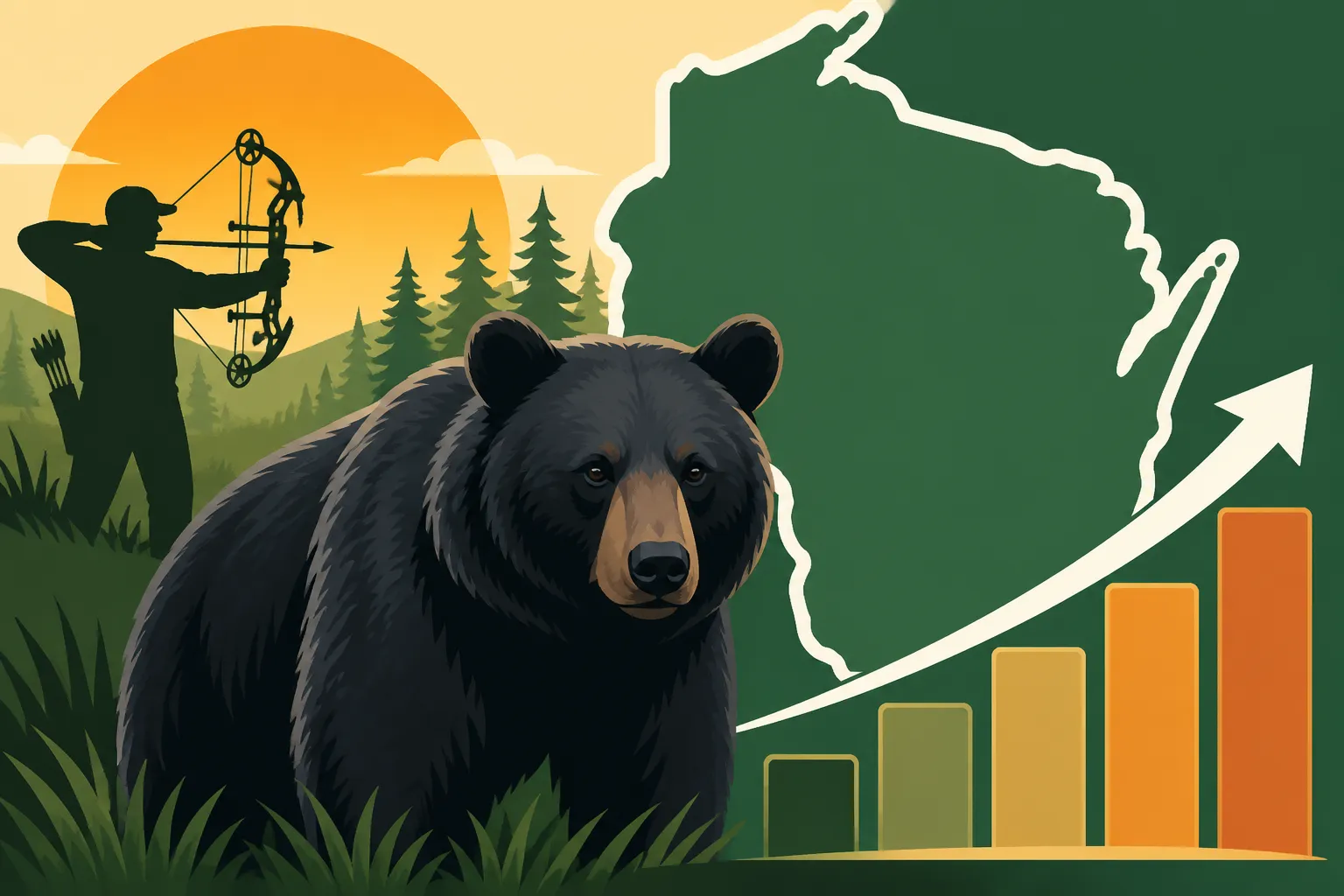
For much of the 20th century, black bears in Wisconsin were largely confined to the northernmost reaches of the state. Unregulated hunting, habitat loss, and general societal attitudes towards predators had significantly reduced their numbers and range. However, with improved management practices, habitat protection, and regulated hunting seasons beginning in the 1960s, Wisconsin's black bear population began a slow but steady recovery. The 1980s and 90s saw significant increases, and by the 2000s, bears were not only thriving in their traditional northern strongholds but were also expanding their range southwards. This population growth is directly reflected in the harvest numbers, which have generally trended upwards over the decades, allowing for more hunting opportunities while maintaining a healthy, growing bear population.
Notable Fluctuations and Explanations
While the overall trend has been one of growth, annual bear harvest numbers can fluctuate quite a bit. These aren't random shifts; they're often tied to specific environmental or regulatory factors. For instance, a year with an abundant natural food crop, like acorns or berries, might see a lower harvest. Bears are less reliant on bait during these years, making them harder for hunters to pattern and harvest, particularly for those utilizing baiting methods. Conversely, a poor natural food year might see a higher harvest, as bears are more active and drawn to bait sites. Weather patterns during the season itself can also play a huge role; a warm, rainy fall might keep bears less active during legal hunting hours, while a cold snap could trigger increased feeding before denning. Regulatory changes, such as altering season lengths or adjusting zone quotas, also have a direct, measurable impact on the annual harvest totals.
Harvest Breakdown by Method
Wisconsin offers a unique opportunity for bear hunters, allowing multiple methods: baiting, hunting with hounds, and still-hunting (spot and stalk). The harvest data clearly shows the dominance of certain methods, particularly in different regions of the state.
Table: Wisconsin Bear Harvest by Method (Selected Years)
| Year | Total Harvest | Hounds (%) | Bait (%) | Still-Hunting (%) | Notes |
|---|---|---|---|---|---|
| 2018 | 4,286 | 56% | 40% | 4% | Strong acorn crop |
| 2019 | 4,073 | 57% | 39% | 4% | Early warm season |
| 2020 | 4,143 | 55% | 41% | 4% | Pandemic impact on travel |
| 2021 | 3,467 | 52% | 44% | 4% | Reduced quota, poor food year |
| 2022 | 4,047 | 54% | 42% | 4% | Increased quota, good conditions |
Note: Percentages are approximate and can vary slightly year to year. Data derived from Wisconsin DNR harvest reports.
As you can see, hunting with hounds consistently accounts for the largest portion of the harvest, especially in the vast northern forests. This method is deeply ingrained in the hunting culture of northern Wisconsin. Baiting is also incredibly popular, offering a different set of challenges and rewards. Still-hunting, while possible and highly rewarding for those who practice it, makes up a much smaller percentage of the total harvest, largely due to the difficulty of consistently locating and approaching bears without the aid of dogs or bait. Knowing Wisconsin Bear Season Dates by Method is crucial for planning your approach, as these dates vary.
Factors Influencing Annual Bear Harvest Numbers
When you look at the annual harvest numbers, it's easy to see them as just statistics. But behind every figure is a complex interplay of environmental conditions, human effort, and the regulatory framework designed to manage the population. Understanding these underlying factors can help you make sense of why certain years produce higher or lower harvests.
Weather and Environmental Conditions
Mother Nature plays a significant role in bear hunting success. A strong natural food crop, such as a bumper year for acorns, beechnuts, or various berries, can drastically impact how accessible bears are to hunters, especially those using bait. When natural food is abundant, bears are less likely to visit artificial bait sites. They’re spread out, foraging widely, and may simply not need or seek out bait. This often leads to a lower harvest, even if the bear population is high. Conversely, a poor natural food year can push bears to be more active and more receptive to bait, potentially leading to higher harvest numbers. Weather during the season itself, including temperature swings, heavy rains, or early snowfalls, can also affect bear movement patterns and hunter effort, directly influencing the harvest. Bears might become more nocturnal or den earlier if conditions are harsh.
Hunter Effort and Participation
The number of hunters in the woods, and their dedication, is another critical factor. While the total number of bear permits issued for each zone is capped by the quota, the actual effort put in by those who draw a tag can vary. Some hunters might only hunt for a few days, while others will dedicate weeks to scouting, baiting, and hunting. The success rate of individual hunters, which fluctuates based on skill, experience, and conditions, also collectively impacts the overall harvest. For instance, if a particularly tough year for conditions results in a lower individual success rate across the board, the total harvest might be down, even with the same number of permits issued. Using resources like GoHunt can help hunters maximize their effort by providing crucial data on success rates, public land access, and bear sign, giving them an edge.
Regulation Changes and Zone Adjustments
The Wisconsin DNR continuously monitors the bear population and adjusts regulations as needed, which in turn affects harvest trends. Changes to season length, alterations to the boundaries of the six bear management zones, or adjustments to the number of How Many Wisconsin Bear Licences Are Issued within each zone can have an immediate and direct impact on harvest. For example, if a zone's population estimates suggest a need for reduction, the quota for that zone might increase, leading to a higher potential harvest. Conversely, conservation concerns could lead to a decreased quota. These regulatory shifts are a primary mechanism for managing the harvest to meet population objectives, and understanding them is key to predicting future trends. This is also why rules regarding Wisconsin Bear Baiting Start Date and Wisconsin Bear Registration Rules are so important – they help ensure a fair, regulated season.
Regional Differences in Wisconsin Bear Harvests
Wisconsin's landscape is incredibly diverse, from the dense Northwoods to the sprawling farmlands and growing urban fringes of the south. This geographical variety directly influences where bears live, how many there are, and consequently, where and how they are harvested.
Northern Zones
The northern regions of Wisconsin have historically been, and continue to be, the heart of the state's black bear population. Zones A, B, and D, encompassing vast tracts of the Chequamegon-Nicolet National Forest, numerous county forests, and sprawling private timberlands, boast the highest bear densities. This is prime bear country, offering abundant cover, diverse food sources, and plenty of room for bears to roam. As a result, these northern zones consistently account for the largest portion of the annual bear harvest. Hunters in these areas often employ traditional methods like Running Bear Hounds in Northern Wisconsin through the thick forests or establishing multiple Baiting Bears in Wisconsin sites deep in the woods. The sheer number of bears means that while drawing a tag can still take time, success rates for those who are drawn tend to be higher here, reflecting the robust nature of the Wisconsin's Black Bear Population in these traditional strongholds.
Central and Southern Zones
In recent decades, black bears have expanded their range significantly into central and even parts of southern Wisconsin. Zones C and E represent this expansion, encompassing areas like the Black River State Forest, the Necedah National Wildlife Refuge, and portions of the state's agricultural landscape. While bear densities are generally lower here than in the far north, the populations are growing, leading to increased harvest opportunities. Hunting in these zones presents unique challenges and rewards. Bears might be more nocturnal, accustomed to agricultural food sources, or closer to human development. Hunters often need to adapt their tactics, focusing on scouting agricultural edges, woodlots, and swampy areas. The presence of bears in these more populated areas also highlights the success of Wisconsin's conservation efforts, but also brings increased vigilance regarding Bear Encounters Around Wisconsin Cabins and other human habitations.
Zone-Specific Quotas and Success Rates
Each bear management zone has its own unique quota, directly reflecting the DNR's population goals for that specific area. Understanding these zone-specific quotas and historical success rates is vital for any hunter applying for a tag. For instance, a zone with a higher quota typically indicates a healthier, more numerous bear population, which often translates to better odds of drawing a tag (depending on point accumulation) and potentially higher success rates for those who do draw.
Conversely, a zone with a lower quota might have a more limited bear population, or perhaps the DNR is aiming for slower growth in that particular area. Analyzing past draw odds and success rates for each zone, often found in DNR reports or through tools like GoHunt, is paramount. This information allows hunters to make strategic decisions about where to apply, balancing their desire to hunt sooner with the potential for higher success once drawn. The long wait times for bear tags emphasize the importance of making an informed choice when you apply for Wisconsin Bear Application Deadline.
Implications of Harvest Trends for Hunters
For the dedicated hunter, understanding these bear harvest trends isn't just academic; it has very real, practical implications for their pursuit. From the frustration of the draw to the actual tactics in the woods, every aspect of bear hunting is touched by these population and harvest dynamics.
Navigating Preference Point Accumulation
Perhaps the most significant implication for many hunters is the long game of preference point accumulation. With high demand and limited tags, especially in popular zones, drawing a bear tag can take anywhere from 5 to 15+ years. This reality can be incredibly frustrating, as it means years of applying, paying the application fee, and waiting without the immediate gratification of a hunt. Hunters must strategize: do you consistently apply for the zone with the highest bear population and potentially longer wait times, knowing your odds of success are higher once drawn? Or do you opt for a zone with slightly lower bear numbers but potentially fewer applicants and shorter wait times? This decision is highly personal and often influenced by available hunting land, proximity, and personal hunting style. Regularly checking resources that track Wisconsin Bear Point Wait Times by Zone can help temper expectations and guide your long-term strategy.
Adapting Hunting Tactics to Trends
Current harvest trends, and the factors influencing them, should also inform your actual hunting tactics. If the DNR reports a strong natural food year, hunters relying on Baiting Bears in Wisconsin might need to work harder, refreshing their baits more frequently and using stronger attractants to compete with nature's bounty. In years with poor natural food, bears might be more receptive to bait, but also more competitive, potentially leading to more aggressive encounters at bait sites. Those Hunting Bear Without Bait or Dogs might focus more intensely on scouting for natural feeding areas, bedding cover, and travel corridors, understanding that bears might be less predictable in their movements. The season dates, which vary for Wisconsin Bear Season Dates by Method, also heavily influence when and how you should be hunting. For instance, early season often means warmer weather, which can affect when bears are active, while later season hunts might see bears preparing for denning.
The Challenge of Securing a Permit
Given the immense popularity and the controlled nature of Wisconsin's bear hunt, simply securing a permit is often the biggest hurdle. The preference point system, while fair, means that the dream of hunting a Wisconsin bear can take over a decade to realize for many. This extended wait means that when your number finally comes up, the pressure to make the most of that opportunity is immense. It's not just about drawing a tag; it's about being prepared when you do. This includes having your Bear Hunting Gear in Wisconsin in order, understanding the specific regulations for your chosen zone, and having a solid scouting plan. Many hunters utilize platforms like GoHunt not only to track their preference points and draw odds but also to research different zones, scout public land boundaries, and gain insights into local bear activity, all of which are crucial steps in preparing for that coveted tag.
The Future of Wisconsin Bear Hunting and Conservation
Wisconsin's black bear population is a conservation success story, but it's a story that requires ongoing effort, adaptation, and a collaborative spirit from hunters, landowners, and wildlife managers alike. The future of bear hunting in the state hinges on how effectively these various groups work together to navigate new challenges and uphold the principles of sustainable management.
Balancing Hunter Demand and Population Health
One of the greatest challenges moving forward is continually balancing the immense hunter demand with the biological imperatives of maintaining a healthy, sustainable bear population. As the bear population expands into new areas, and as the number of hunters seeking a tag remains high, the DNR faces the complex task of setting quotas that satisfy both goals. This means careful consideration of growth rates, mortality rates, and the carrying capacity of different habitats. It's a dynamic equation, and the annual harvest trends will continue to be a key indicator of whether that balance is being achieved. Transparency and open communication between the DNR and the hunting public are essential to ensuring that management decisions are understood and supported.
Ongoing Research and Monitoring Efforts
To make informed management decisions, continuous research and monitoring are absolutely vital. The DNR invests significant resources into tracking Wisconsin's Black Bear Population health, distribution, and overall numbers. This includes den checks to monitor cub production and survival, radio-collaring studies to track movement and habitat use, and extensive harvest data analysis. New technologies and research methods are constantly being explored to improve the accuracy of population estimates and predict trends more effectively. These efforts are not just academic; they directly feed into the quota-setting process and help ensure that bear hunting opportunities remain viable for generations to come. Without this dedication to science, predicting harvest trends and managing effectively would be impossible.
Hunter's Role in Sustainable Bear Management
Hunters play an absolutely critical role in the future of Wisconsin's bear management. Beyond simply participating in the harvest, hunters contribute financially through license fees and physically through mandatory Wisconsin Bear Registration Rules, which provide invaluable data. Ethical hunting practices, adherence to regulations, and a willingness to provide feedback to the DNR are all essential. As bears continue to expand their range, hunters also have a role in educating the public about bear behavior and dispelling myths, fostering a more informed coexistence. By understanding the science behind the management decisions, advocating for sound habitat practices, and continuing to participate responsibly, hunters ensure that Wisconsin's black bear remains a thriving species and a prized game animal. It's a partnership that's vital for the long-term success of both the bears and the hunting heritage.
Disclaimer
Please remember that hunting regulations and wildlife populations are subject to change. Always consult the most current Wisconsin Department of Natural Resources hunting regulations pamphlet or website before planning any hunting activity. This article provides general information and should not be used as a substitute for official DNR guidelines.