How Close a Wisconsin Mentor Must Stay
It can feel a little daunting, can't it? You've got a new hunter, perhaps a child or a friend, eager to learn the ropes of hunting here in Wisconsin. You want to give them the best experience, teach them safety, ethics, and the thrill of the chase, but then you start digging into the regulations, and suddenly you're wondering, "Just how close do I actually need to be to them?" It's a completely valid concern. You don't want to accidentally break a rule designed for safety, and the wording can sometimes feel a bit vague. This guide is going to clear up precisely what the Wisconsin Department of Natural Resources (DNR) expects when it comes to a mentor's proximity to their mentee, breaking down the rules so you can hunt with confidence and focus on making memories.
Understanding the "Arm's Length" Rule in Wisconsin Mentored Hunting
One of the biggest points of confusion for mentors and new hunters alike revolves around the concept of "arm's length." It sounds pretty straightforward, but what does it really mean when you're out in the field, maybe navigating thick brush or sitting in a blind? The Wisconsin DNR's Mentored Hunting Program is fantastic because it allows new hunters, even those who haven't completed a hunter education course, to experience hunting under the direct supervision of an experienced, licensed mentor. This program is all about hands-on learning, but that learning comes with very specific safety requirements, especially concerning how close the mentor must be to the mentee.
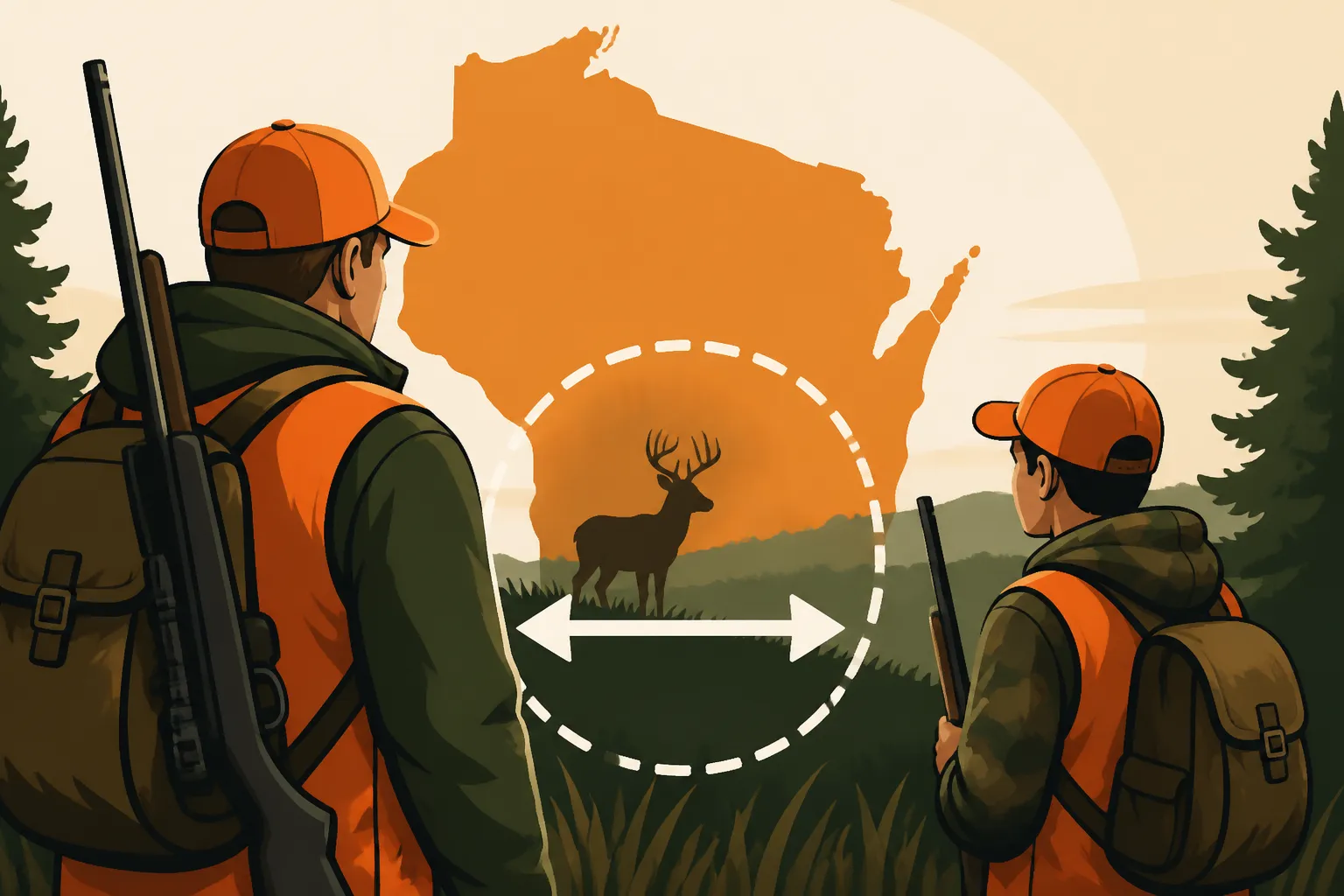
The "arm's length" rule isn't a blanket statement for the entire hunt; it's specific to when the mentee is actively handling a firearm, bow, or crossbow. Think of it this way: if your mentee is physically holding their weapon, aiming it, loading it, or even just carrying it in a ready-to-shoot position, you, as the mentor, must be close enough to physically reach out and take control of that weapon at a moment's notice. This means you should literally be within an arm's reach. This isn't just a suggestion; it's a critical safety measure designed to prevent accidents, misfires, or unsafe target identification. It ensures that if a situation suddenly turns dangerous – perhaps the mentee swings the barrel in an unsafe direction, or misidentifies a target – you can immediately intervene. This rule is particularly crucial when teaching a mentee about proper firearm handling, safety zones, and shot placement.
For example, imagine you're teaching a young hunter how to set up for a shot at a deer. They raise their rifle, starting to aim. At this exact moment, you need to be right there, close enough to guide their aim, whisper instructions, or, if necessary, physically stop them from pulling the trigger if something isn't right. This proximity ensures that the new hunter isn't making critical decisions alone, which is exactly the point of mentorship.
When Visual and Voice Contact is Sufficient for Mentors
While the "arm's length" rule is strict for active weapon handling, the regulations relax slightly when the mentee isn't directly engaged with their firearm or bow. For those times, the mentor must maintain "visual and voice contact" without the aid of electronic devices. This distinction is really important because it provides a bit more flexibility while still prioritizing safety and supervision.
So, what exactly does "visual and voice contact" entail? It means you need to be able to see your mentee clearly and communicate with them effectively using only your natural voice. No cell phones, no walkie-talkies, no binoculars to spot them from half a mile away. If you're walking through the woods together, going to or from a stand, or tracking an animal, you can be a bit further apart than arm's length, but you should always have them in sight and within earshot. This allows the mentee a little more independence, perhaps to navigate a tricky patch of terrain or get a feel for the solitude of the woods, while still being fully supervised. It's a balance between giving them space to learn and ensuring their safety. For longer treks or navigating larger public hunting areas, a tool like GoHunt could be really useful for planning your routes to ensure you can maintain this visual and voice contact throughout your movements, especially if you're exploring new territory.
Let's consider a practical scenario: you and your mentee are still-hunting through a cedar swamp after a fresh snow. The mentee is walking ten yards ahead, carefully looking for tracks, their unloaded rifle slung over their shoulder. As long as you can clearly see them and speak to them without raising your voice to a shout, you're within the legal bounds for visual and voice contact. However, the moment they unshoulder that rifle to investigate a rub or begin to stalk, you need to close that distance immediately to be within arm's length. This dynamic adjustment is key to complying with the regulations and ensuring safety.
It’s also crucial to remember that this rule applies whether you're hunting deer during the Wisconsin's Nine-Day Gun Deer Season or chasing turkeys during the Spring Turkey Hunting in Wisconsin. The type of game or season doesn't change the fundamental safety requirements.
The Broader Purpose of Wisconsin's Mentored Hunting Program
Beyond just the proximity rules, it's really helpful to understand the spirit behind Wisconsin's Mentored Hunting Program. It wasn't just put in place to create more red tape; it's a thoughtfully designed initiative aimed at safely introducing new participants to hunting and passing on a vital tradition. The program recognizes that for many, formal hunter education courses can be a barrier, or that hands-on experience is often the most effective way to learn.
The program allows individuals, regardless of age, to hunt without first completing a hunter education course, provided they are accompanied by a licensed mentor. This is a huge benefit for families or friends who want to get someone new into the field quickly, building enthusiasm and connection before diving into the classroom portion. The emphasis is on practical, ethical, and safe hunting practices taught directly by an experienced individual. This direct apprenticeship model mirrors how hunting traditions have been passed down for generations. It encourages dialogue, immediate feedback, and the sharing of personal knowledge about everything from reading game sign to field dressing an animal safely. It's about instilling a lifelong respect for wildlife and the outdoors, far beyond just pulling a trigger.
For those considering becoming a mentor, or those who are mentees looking to understand their roles, the resources on Wisconsin Hunter Safety and Mentored Hunting are invaluable. They outline everything you need to know, from eligibility to specific responsibilities.
Key Responsibilities and Rules Beyond Proximity for Mentors
While proximity is a major component, being a mentor in Wisconsin involves a host of other crucial responsibilities that extend beyond simply staying close to your mentee. These rules ensure a safe, ethical, and educational experience for everyone involved. Understanding these additional guidelines is just as important as knowing how close to stand.
First and foremost, as a mentor, you must hold a valid hunting license for the game being hunted. This might seem obvious, but it's a foundational requirement. You are also responsible for ensuring your mentee understands and follows all hunting laws and regulations. This means you need to be up-to-date on everything from bag limits to legal shooting hours. Remember, your mentee is essentially operating under your license and your direct supervision. For instance, if you're out during the Wisconsin Youth Deer Hunt, you'll need to be especially aware of the specific rules that apply to that special season, which might differ slightly from the regular season.
Here’s a breakdown of other critical mentor responsibilities:
- Age and License Requirements: The mentor must be at least 18 years old and possess a valid hunting license for the species being hunted. The mentee does not need a hunter education certificate but must possess the appropriate hunting license (e.g., a junior license for youth). Information on Wisconsin Hunting Licences and What They Cost can help clarify.
- Weapon Safety: You, the mentor, are ultimately responsible for the safe handling and use of the mentee's weapon. This goes beyond arm's length; it means teaching proper carrying techniques, muzzle control, target identification, and shot selection. If you’re discussing Legal Firearms for Wisconsin Deer, ensure your mentee understands the capabilities and limitations of their chosen firearm.
- Blaze Orange/Pink: Both the mentor and mentee must comply with Wisconsin's blaze orange or blaze pink requirements during applicable seasons, like the gun deer season. This is a crucial safety measure for visibility in the field. Learn more about Wisconsin Blaze Orange and Pink Rules to ensure compliance.
- One-on-One Supervision: A mentor can only supervise one mentee at a time when the mentee is actively hunting. This ensures that the mentor's attention isn't divided, which could compromise safety.
- Ethical Hunting: Instill ethical hunting practices, including fair chase, respect for wildlife, and proper field care of harvested animals. This is where your personal experience truly shines. Teaching how to properly field dress a deer or track one after the shot is part of this vital education.
- Emergency Preparedness: Have a plan for emergencies. This includes knowing basic first aid, having communication devices (for your use, not for direct voice contact with the mentee for regulatory purposes), and understanding how to navigate the terrain you're hunting. Using a map app like the one available from GoHunt can be immensely helpful for route planning and marking emergency rendezvous points, especially when venturing into areas for Scouting Wisconsin Public Land Before Season.
Here's a quick summary of mentor responsibilities:
| Responsibility | Description |
|---|---|
| Valid License | Mentor must possess a valid Wisconsin hunting license for the species hunted. |
| Age Requirement | Mentor must be at least 18 years old. |
| Proximity (Weapon) | Within "arm's length" when mentee is handling a firearm, bow, or crossbow. |
| Proximity (General) | Within "visual and voice contact" (no electronics) when mentee is not handling a weapon. |
| One-on-One | One mentor may supervise only one mentee at a time during the active hunt. |
| Rule Compliance | Ensure mentee understands and follows all hunting laws, bag limits, and safety regulations. |
| Safety Equipment | Ensure mentee wears appropriate blaze orange/pink during applicable seasons. |
| Ethical Instruction | Teach fair chase, responsible wildlife management, and proper animal care. |
| Emergency Preparedness | Have emergency plans, first aid, and navigation tools ready. |
Practical Tips for Successful Mentored Hunts in Wisconsin
So, you've got the rules down, but how do you actually make a mentored hunt successful and enjoyable for both of you? It's about more than just compliance; it's about creating a positive and memorable experience that sparks a lifelong passion for hunting.
1. Start Small and Simple: Don't try to tackle the toughest terrain or the most challenging hunt right away. Begin with simpler outings. Maybe squirrel hunting in a local woodlot to practice gun safety and stalking, or dove hunting in a cut field to work on wing shooting and field etiquette. This builds confidence and provides opportunities for success without overwhelming the new hunter. When you are ready to explore more challenging terrain, understanding how to read aerial photos for coulee deer can give you a significant advantage, but practice the basics first.
2. Emphasize Learning, Not Just Harvesting: While harvesting an animal is a goal, it shouldn't be the only goal, especially for a new hunter. Focus on the entire experience: learning about animal behavior, tracking, identifying trees, understanding wind direction, and appreciating nature. Celebrate small victories, like spotting fresh sign or making a good, quiet stalk. Your excitement about these aspects will be contagious.
3. Practice, Practice, Practice: Before you even step foot in the woods with a loaded weapon, spend significant time at the range or in a safe backyard setting. Practice loading, unloading, aiming, and dry firing. Reinforce muzzle control and shot discipline constantly. This builds muscle memory and confidence, making the transition to the field much smoother. Make sure your mentee is comfortable with their gear, whether it's understanding their Bow Draw Weight for Wisconsin Whitetails or how to properly shoulder a shotgun.
4. Communicate Constantly (Within Rules): During the hunt, use the visual and voice contact to your advantage. Talk about what you're seeing, what you're hearing, and why you're making certain decisions. "See that rub? A buck made that. What do you think he was doing?" or "The wind just shifted, we need to adjust our approach." Explain why you're within arm's length when they handle their weapon. This continuous dialogue is the essence of mentorship.
5. Choose the Right Location: Select hunting areas that offer a good chance of seeing game, but aren't overly crowded. Public lands can be great, but research specific areas using tools like GoHunt or the Wisconsin DNR’s Hunt Wild App to find less pressured spots. Consider starting with Hunting Small Private Tracts in Wisconsin if you have access, as they can provide a more controlled environment. Setting up a comfortable treestand, such as those discussed in Treestand Setups in Wisconsin Hardwoods, can also make long waits more tolerable for a new hunter.
6. Be Patient and Positive: There will be missed shots, long cold sits, and moments of frustration. Your role as a mentor is to remain patient, encouraging, and positive. Frame challenges as learning opportunities. The goal is to nurture a love for hunting, not to create a perfect hunter overnight.
By understanding the clear guidelines for mentor proximity and embracing the broader responsibilities of mentorship, you're not just following rules; you're building a foundation for the next generation of ethical and responsible Wisconsin hunters.
Disclaimer
Please note that while this guide provides comprehensive information on Wisconsin's mentored hunting program and proximity rules, hunting regulations can change. It is always the hunter's responsibility to consult the most current Wisconsin Department of Natural Resources (DNR) hunting regulations pamphlet or their official website before heading into the field. This article is intended for informational purposes only and should not be considered a substitute for official DNR publications.