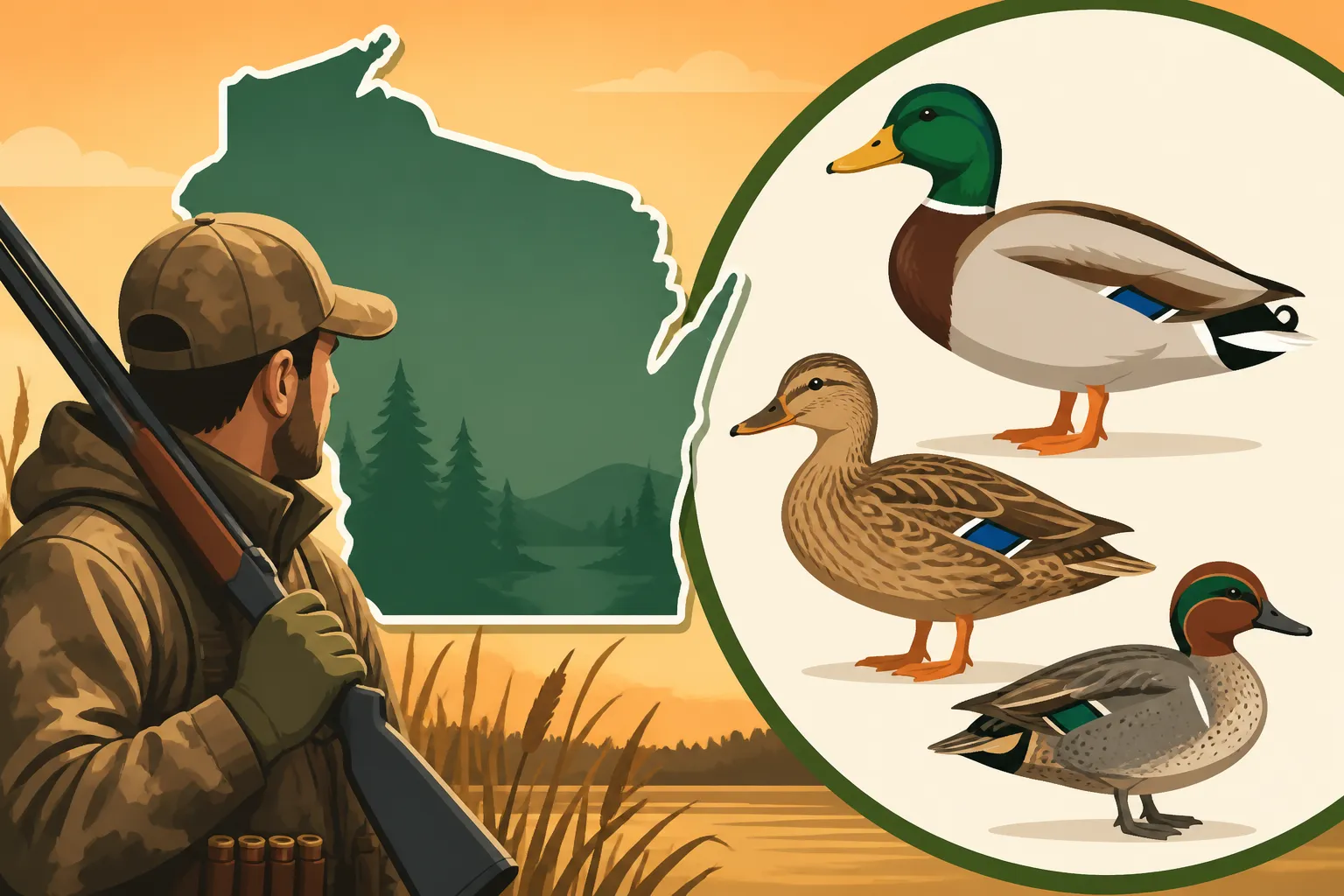
Wisconsin Duck Daily Bag Limit
It’s easy to feel overwhelmed when you’re trying to figure out the exact rules for duck hunting in Wisconsin. With seasons, zones, and then the seemingly endless list of species-specific regulations, just knowing how many ducks you can legally harvest in a day can feel like solving a complex puzzle. This guide aims to cut through that confusion, giving you a clear, in-depth understanding of Wisconsin’s daily duck bag limits so you can hunt confidently and responsibly.
Understanding Wisconsin's General Duck Daily Bag Limit
When you’re out on the marsh or setting up decoys on a river, the first thing every duck hunter needs to have locked in their mind is the overall daily bag limit. This isn't just a suggestion; it's a strict rule set by both federal guidelines and the Wisconsin Department of Natural Resources (DNR) to ensure sustainable hunting and healthy waterfowl populations. Missing this detail can lead to fines and a loss of hunting privileges, which nobody wants after a hard-earned morning.
For duck hunters in Wisconsin, the general daily bag limit is typically six ducks. Now, that sounds straightforward enough, right? Six ducks, no problem. But here’s where it gets nuanced, and where many new (and even some seasoned) hunters can get tripped up. This "six duck" total isn't a free-for-all for any species you happen to shoot. It’s an aggregate number, and within that aggregate, there are very specific sub-limits for certain species, and sometimes even for the sex or age of particular birds. It's like having a six-item grocery cart, but only being allowed two apples, one banana, and so on. You might have room for more items, but not of those specific kinds.
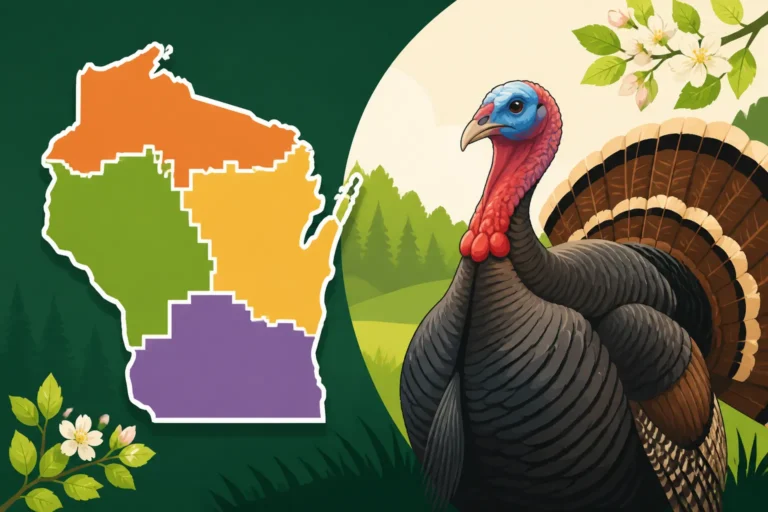
This general limit of six birds applies across the state, regardless of whether you're hunting in the Northern, Southern, or Mississippi River zones. While the season dates might shift depending on the Wisconsin Duck Zone Boundaries you're in, the fundamental daily bag limit for ducks typically remains consistent for the majority of species. It's a foundational rule that every duck hunter must respect, acting as the ceiling for your daily harvest regardless of how many "easy" birds fly into your spread.
Species-Specific Restrictions Within the Daily Limit
Now, let's dive into the specifics that truly define your daily bag. This is where the six-duck general limit gets intricate, as many popular and less common species have their own, much lower, limits. These restrictions are put in place for very good reasons, primarily to protect species that are more vulnerable, have lower breeding success, or face greater hunting pressure.
Consider the mallard, often a staple in a Wisconsin duck hunter’s bag. While you can take up to six ducks total, you can typically only have four mallards, with a further restriction that often limits you to no more than two hen mallards. Why the hen restriction? Because hens are critical for reproduction; taking too many can directly impact future generations of mallards. It’s a conservation measure designed to keep the populations robust.
Other species have even stricter limits. For instance, you might only be allowed two wood ducks, two redheads, or two canvasbacks in your daily bag. Pintails often have an even tighter limit of just one bird per day. Scaup, sometimes called bluebills, are another tricky one. Their limits can fluctuate not just year to year, but even within different periods of the same season. It’s not uncommon to see a limit of three scaup for part of the season, then drop to one or even zero for another part. This dynamic approach reflects real-time population data and migration patterns, ensuring that harvest doesn't negatively impact their recovery or staging.
Then there are species like black ducks, often limited to one or two per day, and mergansers (which have their own distinct limits separate from "ducks," typically five per day with a sub-limit of two hooded mergansers). Coots, while not strictly ducks, are often hunted alongside them and have a very generous limit, usually fifteen per day. The key takeaway here is that you absolutely cannot assume that because you have room for more ducks in your overall six-bird limit, you can fill it with any species. Each bird you shoot needs to be identified before you pick it up, confirming it fits both the overall and species-specific daily limits. Failing to properly identify your birds in the field is a common mistake that can lead to unintentional violations.
Understanding Possession Limits for Waterfowl
Beyond the daily bag limit, there's also a critical regulation regarding possession limits. This refers to the maximum number of migratory game birds that a hunter may have in their actual physical possession at any time, including birds stored at home, in camp, or at a processor. It's not just what you shot today; it's what you've accumulated over multiple hunting days.
In Wisconsin, the possession limit for ducks is typically three times the daily bag limit. So, if the daily bag limit for a specific duck species is two, your possession limit for that species would be six. If the daily bag limit for mallards is four (with two hens), your possession limit would be twelve mallards, with no more than six hen mallards. This is a federal regulation designed to prevent hunters from stockpiling game over many days, ensuring that more hunters have an opportunity to participate and that the total harvest remains within sustainable levels.
This possession limit is particularly important for hunters who spend multiple days afield, perhaps on a longer trip to a prime waterfowl area like those found along the Mississippi River or when Hunting Horicon Marsh Waterfowl. You might shoot your daily limit on Monday, Tuesday, and Wednesday, but if you're not careful, you could exceed your possession limit. For example, if you harvest six ducks on Monday, six on Tuesday, and six on Wednesday, you'd have 18 ducks in your possession, which is within the general possession limit of 18 (3 x 6). However, if your daily mallard limit is two hens, you'd only be allowed six hen mallards total in your possession. You must meticulously keep track of what you've shot, especially species with lower daily limits, to avoid an accidental violation.
Many hunters use freezer bags labeled with the date and species to keep track, especially if processing birds at home. This isn't just good practice; it's a way to prove compliance if ever questioned. Remember, possession limits apply to all birds, whether they are whole, plucked, or processed into cuts of meat, as long as they are identifiable as migratory game birds.
The Science Behind Waterfowl Bag Limits
It might sometimes feel like these regulations are just arbitrary numbers conjured up by committees, but that couldn't be further from the truth. Wisconsin’s duck daily bag limits are the result of extensive scientific research, collaboration, and a deep understanding of waterfowl biology and migration patterns. These limits are far from static; they are reviewed annually and adjusted based on a wealth of data to ensure the long-term health of duck populations and continued hunting opportunities.
The complexities of managing migratory birds like ducks require a massive, cooperative effort, not just within Wisconsin but across multiple states and even internationally. This coordinated approach is essential because ducks don't recognize state lines; they travel vast distances along major flyways, including the Mississippi Flyway which cuts right through Wisconsin.
Conservation and Population Management
At the heart of bag limits is conservation. Wildlife biologists, in conjunction with federal agencies like the U.S. Fish and Wildlife Service, monitor duck populations across their breeding grounds, migration routes, and wintering areas. They conduct extensive surveys, often from aircraft, to count breeding pairs, estimate brood success, and track overall population trends for various species. For example, Wisconsin Mallard and Wood Duck Numbers are carefully tracked to inform decisions.
These surveys provide critical data on species like mallards, pintails, canvasbacks, and scaup. If a particular species shows signs of decline, or if breeding conditions were poor in a given year, regulators will often implement more restrictive bag limits for that species. Conversely, if populations are robust and habitat conditions are favorable, limits might be slightly more liberal. This adaptive management approach is what allows hunting to continue sustainably. Without these scientific assessments and subsequent regulations, overharvesting certain species could lead to significant population crashes, harming not only the ducks but also the hunting tradition itself.
Moreover, species-specific limits aren't just about total population numbers. They also consider factors like reproductive rates, vulnerability to hunting pressure, and natural mortality. For instance, pintails often have a very low bag limit because their populations have struggled more persistently compared to other species, and they are particularly susceptible to hunting pressure in certain areas. By limiting the take of these more vulnerable species, wildlife managers aim to give them the best chance to recover and thrive.
Federal and State Collaboration in Setting Limits
The process of setting duck bag limits in Wisconsin is a testament to the power of inter-agency cooperation. It's not solely a state decision; it's a collaborative effort with the federal government, specifically the U.S. Fish and Wildlife Service (USFWS). The USFWS establishes the overarching framework for migratory bird hunting regulations, known as the "framework regulations." These frameworks set the maximum possible season lengths, opening and closing dates, and daily bag and possession limits for each flyway.
Wisconsin, as part of the Mississippi Flyway, operates within these federal frameworks. The Wisconsin DNR then takes these federal guidelines and, after considering local population data, hunter input, and specific state conservation goals, proposes its own more precise regulations. These state proposals must be within the federal framework but can be more restrictive if deemed necessary for local management needs.
This process involves several layers of public input and scientific review. The flyway councils, which are made up of state wildlife agency representatives, play a crucial role in recommending season dates and bag limits to the USFWS. Citizens and hunter groups also have opportunities to provide feedback, ensuring that diverse perspectives are considered. This ensures that the final regulations, like the Wisconsin Waterfowl Seasons and Zones, are not only scientifically sound but also reflect the interests and traditions of the hunting community. It's a complex, but highly effective, system designed to manage a shared, migratory resource for generations to come.
Navigating the Latest Duck Regulations
Staying on top of waterfowl regulations can feel like a moving target. Rules can change annually, and sometimes even mid-season for highly dynamic species like scaup or in response to specific environmental factors. Hunters often express frustration about finding the most up-to-date and accurate information. Thankfully, there are clear pathways to ensure you're always in compliance, allowing you to focus on the hunt itself.
The key to successful and legal duck hunting isn't just knowing the rules, but knowing where to find the most current version of those rules. Relying on outdated printouts or word-of-mouth from a buddy could lead you astray and result in an unintended violation.
Checking the Latest Regulations Annually
The most critical piece of advice for any waterfowl hunter in Wisconsin is to always check the current year's regulations booklet. These booklets are typically published annually by the Wisconsin DNR, usually in late summer or early fall, just before the hunting seasons commence. They are your authoritative source for all things related to Wisconsin Waterfowl Seasons and Zones, daily bag limits, possession limits, shooting hours, legal methods, and any special permits or stamps required.
Don't assume that last year's regulations are identical to this year's. While many rules remain consistent, it’s common for small but significant changes to occur. This could be a subtle shift in the number of hen mallards allowed, a change in the scaup limit period, or an alteration to the season dates in a particular zone. These changes are usually made for good reason, often directly reflecting current population data or habitat conditions. Making an annual habit of reviewing the entire waterfowl section of the hunting regulations ensures you're never caught off guard.
Key Documents and Resources for Hunters
Beyond the physical or digital regulations booklet, Wisconsin offers several excellent resources to help hunters stay informed. The Wisconsin DNR website is a treasure trove of information, providing downloadable PDFs of the current regulations, season dates by zone, and often news releases detailing any significant changes or special considerations for the upcoming season.
For hunters who appreciate technology, the GoHunt mobile application, available on smartphones, is an incredibly valuable tool. This app often integrates official DNR maps and information, allowing hunters to quickly access regulations, check public land boundaries, and even record their harvest directly from the field. It's designed to be user-friendly and keep all critical information at your fingertips, reducing the need to carry bulky paper maps or booklets. Many hunters find it indispensable for confirming regulations on the fly, especially when debating a questionable bird identification or needing to quickly verify a daily limit for a less common species.
Additionally, remember that federal requirements are a layer of these regulations. All waterfowl hunters aged 16 and older are required to purchase a Wisconsin Federal Duck Stamp Rules, and everyone needs to be HIP (Harvest Information Program) certified, which involves registering with the Wisconsin HIP Certification for Bird Hunters. These are non-negotiable requirements that go hand-in-hand with understanding your bag limits. The GoWild system, Wisconsin’s online licensing and registration platform, makes purchasing these necessary stamps and certifications straightforward.
Avoiding Common Mistakes in the Field
Even experienced hunters can make honest mistakes, especially when the action is fast, or lighting is poor. The best way to avoid violations related to bag limits is proactive education and careful decision-making in the field.
One common error is misidentification. Some duck species look very similar, especially in flight or low light. For example, a hen mallard can be confused with a black duck, or a canvasback with a redhead. It's absolutely crucial to identify your bird before you pull the trigger. If there's any doubt, it's always best to err on the side of caution and let the bird pass. Investing time in learning duck identification through field guides, online resources, or even just spending time observing ducks before the season can significantly reduce this risk.
Another mistake is losing track of your harvest. In the excitement of a good morning hunt, it's easy to forget if you've shot one or two wood ducks, or if that last mallard was a hen or a drake. Many hunters use a simple tally system, either mental or a small waterproof notebook, to keep track as they retrieve birds. This becomes even more important when hunting with a group, as each hunter is responsible for their own bag limit. A quick check of the regulations before each hunt can also serve as a mental refresher for those specific limits that tend to trip people up, like pintails or scaup. Responsible hunting means not just ethical shooting, but meticulous adherence to the rules that protect the resource we all cherish.
Impact of Limits on Hunting Strategy
The detailed nature of Wisconsin's duck daily bag limits isn't just about compliance; it profoundly shapes a hunter's strategy and approach in the field. Understanding these limits doesn't just keep you legal, it helps you become a more effective and ethical hunter, adapting your methods to target specific birds or to fill your bag responsibly.
Hunting ducks isn't always about shooting every bird that flies past. Often, it's about selectively harvesting certain species while letting others go, especially when those species have lower bag limits or you've already met your quota for them. This level of discernment elevates hunting from simply shooting to a more mindful and skilled pursuit.
Adapting Hunting Strategies for Specific Species
Knowing the species-specific limits can drastically alter how you set up your decoys, what calls you use, and even where you choose to hunt. For instance, if you've already filled your limit of two wood ducks, you might adjust your spread to be less appealing to them and focus more on mallards or other species you still have tags for. This means paying attention to details like which decoys are most effective for different species.
If you're primarily targeting mallards, your decoy spread might be predominantly mallard blocks, perhaps with a spinning wing decoy to attract them from a distance. However, if you're also hoping for some gadwalls or wigeon, you might add a few of those species' decoys to your spread. When hunting areas known for diversity, like large marshes or backwater sloughs, you'll need to be especially vigilant in identifying birds early. In environments where you might be Hunting Cattail Marsh for Ducks or Hunting Mississippi River Backwater Sloughs, you could encounter a wide variety of species, each with its own specific limits.
This strategic thinking extends to your calling as well. If you have your two wood ducks, you'll likely stop using a wood duck whistle, even if you see more of them coming in. Instead, you'll focus on mallard quacks or other calls for species you're still looking to add to your bag. The ultimate goal is to become proficient enough in bird identification and calling to be truly selective, ensuring every shot you take is at a legal bird within your limits. This focus on selectivity not only keeps you compliant but also sharpens your hunting skills immensely.
Ethical Considerations and Responsible Hunting
Beyond the letter of the law, bag limits encourage a deeper sense of ethics and responsibility among hunters. The concept of "fair chase" extends to respecting the resource and taking only what is permitted, ensuring plenty are left for future generations and for the health of the ecosystem.
For many hunters, the experience isn't solely about the number of birds harvested. It's about the entire process: the camaraderie, the effort of scouting, setting up the perfect spread, making the right calls, and the challenge of identifying birds under tough conditions. When you've met your limit for a particular species, the responsible thing to do is either pack up for the day or adjust your focus to other species you're still allowed to hunt, rather than continuing to shoot at birds you cannot legally keep.
This often means showing restraint, even when birds are plentiful. It's a valuable lesson in patience and conservation. Ethical hunters understand that exceeding a bag limit, even by one bird, undermines the entire management system designed to protect waterfowl. It also reflects poorly on the hunting community as a whole. Adhering strictly to these limits is a way to honor the game, respect the regulations, and uphold the traditions of responsible hunting that have been passed down through generations.
By prioritizing accurate identification, careful tracking of your harvest, and strategic adjustments to your hunting methods, you become a more skilled, ethical, and conservation-minded waterfowl hunter.
Here's a quick reference table for general Wisconsin duck limits, but always check the current year's DNR regulations for the most up-to-date information, as these can change annually.
| Species | Typical Daily Bag Limit | Typical Possession Limit (3x Daily) | Important Notes |
|---|---|---|---|
| Total Ducks | 6 | 18 | Overall limit, with species-specific restrictions below |
| Mallards | 4 (only 2 hens) | 12 (only 6 hens) | Hens are crucial for breeding |
| Wood Ducks | 2 | 6 | Distinctive plumage, popular species |
| Redheads | 2 | 6 | Bright red head on drakes |
| Canvasbacks | 2 | 6 | Often have fluctuating limits |
| Pintails | 1 | 3 | Long, slender tail on drakes |
| Black Ducks | 2 | 6 | Often mistaken for hen mallards |
| Scaup (Bluebills) | Varies (e.g., 1-3) | Varies | Limits can change mid-season, check carefully |
| Mergansers | 5 (only 2 hooded) | 15 (only 6 hooded) | Separate from duck limits, distinct species |
| Coots | 15 | 45 | Not considered "ducks," very generous limit |
Please remember: This table is a general guide. Official regulations from the Wisconsin DNR are the final authority.
Disclaimer
The information provided in this article is intended for general guidance and informational purposes only. Hunting regulations, including daily bag limits and possession limits, are subject to change annually and can vary based on specific zones or unforeseen circumstances. It is the responsibility of every hunter to consult the official, most current Wisconsin Department of Natural Resources (DNR) hunting regulations booklet or website before engaging in any hunting activity. Failure to comply with current regulations may result in penalties.