Wisconsin Grouse Season Dates
Hunting ruffed grouse in Wisconsin is a truly cherished experience, but trying to pin down the exact season dates and regulations can feel like chasing a phantom in the thick woods. Between the different zones, bag limits, and the crucial overlap with woodcock season, it's easy to get turned around before you even step foot in the coverts. This guide will walk you through everything you need to know about Wisconsin's grouse season, making sure you're fully prepared for a successful and legal hunt.
Understanding Wisconsin's Ruffed Grouse Season
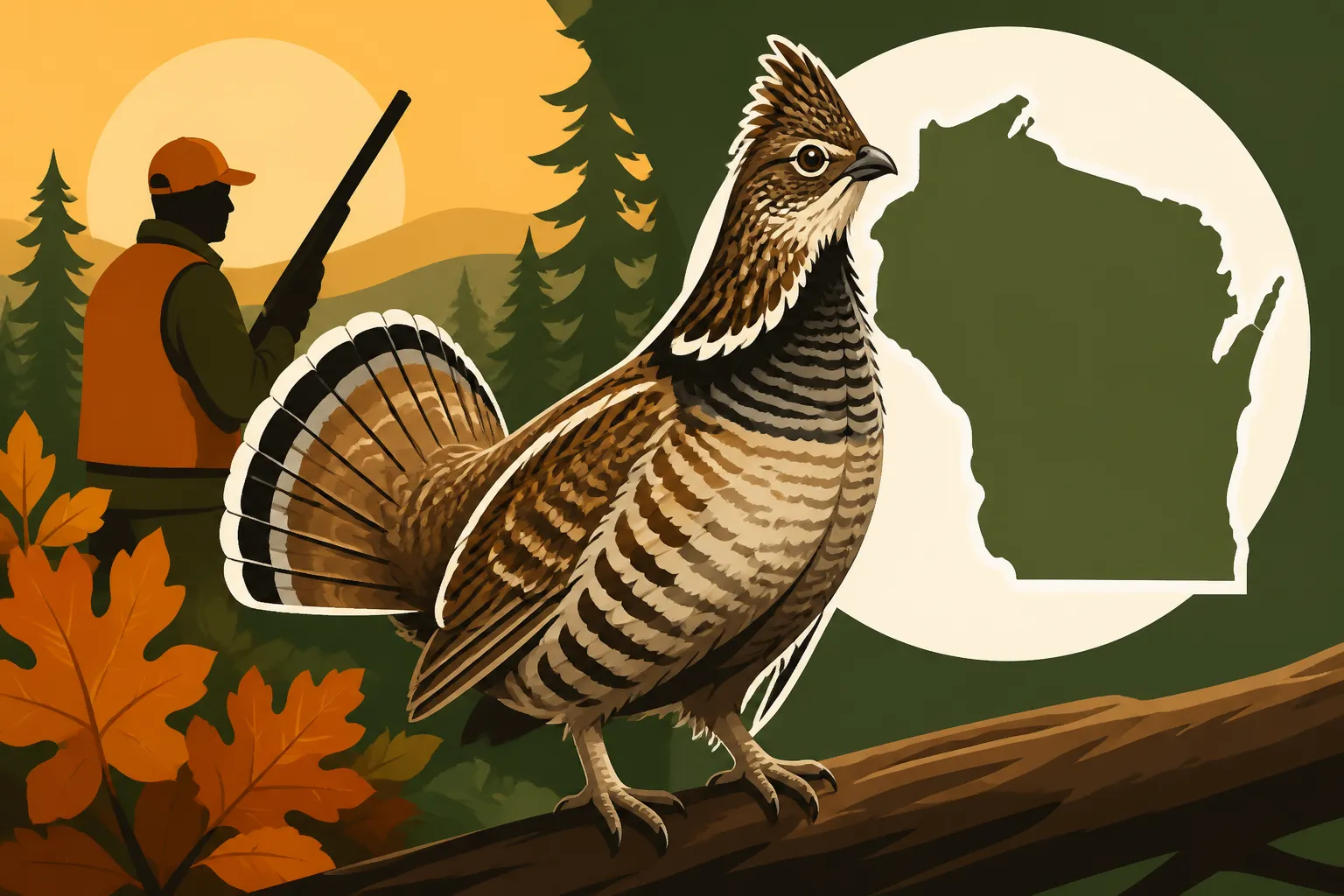
Wisconsin's ruffed grouse season is a much-anticipated time for upland hunters, offering ample opportunity to pursue these king-sized game birds. Unlike some other species, the grouse season structure is relatively straightforward across the state, but knowing the precise dates, bag limits, and nuances is crucial for a rewarding experience.
Key Season Dates and Zones
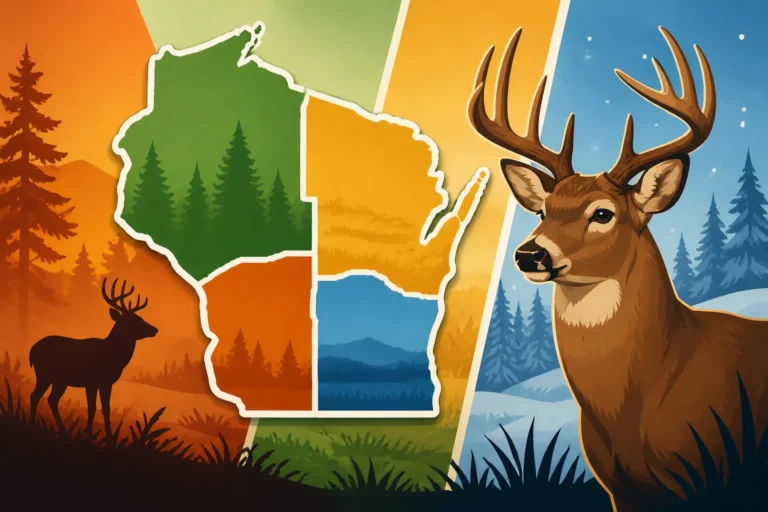
For most of Wisconsin, the ruffed grouse season kicks off in mid-September and generally runs all the way through the end of December. This long season offers hunters the chance to experience grouse hunting in a variety of conditions, from the leafy canopy of early fall to the stark, snowy landscapes of late season. The statewide dates for ruffed grouse typically open on the third Saturday in September and extend through December 31st. There isn't a complex system of zones for grouse; it's pretty much an all-encompassing statewide regulation, making it easier to plan trips without worrying about crossing an unseen boundary line.
However, there is a distinct difference for the northern zone. Historically, Wisconsin has had a northern zone that aligns with different opener dates for some species. For grouse, this means the season in the northern zone also opens on the third Saturday of September, but it extends longer, often through January 31st of the following year. This extended period is a huge bonus for hunters who enjoy the challenge of chasing grouse in deep snow, often with the aid of snowshoes or cross-country skis. It’s important to always double-check the current Wisconsin DNR hunting regulations pamphlet or website, as these dates can sometimes see minor adjustments from year to year. Keep an eye on any announcements regarding Wisconsin Ruffed Grouse Numbers Today as these can influence management decisions, even if the season dates themselves remain fairly consistent. Understanding Where Wisconsin Sits in the Grouse Cycle can also give you a heads-up on potential bird populations, though the season dates rarely change based on short-term population fluctuations.
Special Considerations for Woodcock Season Overlap
One of the fantastic aspects of grouse hunting in Wisconsin is the significant overlap with the American woodcock season. These migratory shorebirds, often found in similar cover as grouse, provide an excellent bonus opportunity for upland hunters. The woodcock season typically opens a few weeks after grouse, usually in late September or early October, and then runs for about 45 days, often closing by mid-November. This window means you can often target both species on the same outing, sometimes even in the same patch of alder or young aspen.
Hunting for both species simultaneously demands a slight adjustment in strategy and equipment. While grouse prefer older aspen stands and mixed hardwoods, woodcock gravitate towards younger, wetter, brushier cover – often alder thickets along streams or damp bottomlands. When the seasons align, you might start your day working a prime aspen ridge for grouse, then drop down into a low-lying alder run to flush some timberdoodles. This dual pursuit adds another layer of excitement and challenge to your hunt. Just remember that woodcock are migratory birds, so they require a federal migratory bird stamp and HIP certification, which we’ll discuss shortly. You can find more specific details on When Wisconsin Woodcock Season Opens and how to best approach Hunting Grouse and Woodcock Together to maximize your time in the field. It’s fascinating to learn about Wisconsin's Place on the Woodcock Flight as it influences when these birds pass through the state.
Navigating Regulations and Licensing for Grouse Hunting
Getting out into Wisconsin's wild places to chase grouse isn't just about knowing where the birds are; it's also about understanding the rules of the game. Navigating hunting licenses, stamps, and specific regulations can sometimes feel like a puzzle, but it's essential for ensuring a legal and ethical hunt.
Essential Licenses and Stamps
To hunt ruffed grouse in Wisconsin, the primary requirement for residents and non-residents alike is a valid Wisconsin Small Game License. This license covers a wide array of species beyond grouse, including rabbits, squirrels, pheasants, and many furbearers. Purchasing this license is typically done through the Wisconsin DNR's Go Wild system, which is an online platform that makes acquiring your permits straightforward and efficient. You can access it from home or through authorized license vendors across the state. The convenience of Go Wild means you can often secure your license with just a few clicks, even the night before an impromptu hunt.
If you plan to take advantage of the overlapping woodcock season, there are additional requirements. Because woodcock are migratory game birds, you'll need to purchase a Federal Migratory Bird Hunting Stamp (often called a "Duck Stamp"), in addition to your small game license. You also need to complete the Harvest Information Program (HIP) certification. This is a quick survey about your previous year's migratory bird hunting success, and it's free to complete but mandatory. The data collected helps wildlife agencies manage migratory bird populations. Ensure you have all these components before heading out, especially if you anticipate bagging a few woodcock. You can get more information on Wisconsin Small Game and Furbearer Seasons to see all the species covered and delve into Wisconsin Hunting Licences and What They Cost for detailed pricing. Don't forget the importance of your Wisconsin HIP Certification for Bird Hunters if you're pursuing migratory game.
Bag Limits, Shooting Hours, and Blaze Orange Rules
Every hunter has a responsibility to know and adhere to bag limits. For ruffed grouse in Wisconsin, the daily bag limit is typically five birds, with a possession limit of ten. This means you can harvest up to five grouse in a single calendar day, and you can have no more than ten grouse in your possession (including those at home, in your freezer, or in your vehicle) at any given time. These limits are designed to ensure sustainable populations and fair chase.
Legal shooting hours for small game in Wisconsin generally run from 30 minutes before sunrise to 15 minutes after sunset. This generous window allows for both early morning and late afternoon hunts, which can be prime times for grouse activity. Always check an official sunrise/sunset table for your specific location, or use a reliable hunting app like GoHunt that provides these times, ensuring you're within legal shooting hours.
Finally, blaze orange or fluorescent pink requirements are critical, especially when other hunting seasons are open concurrently, such as the various deer seasons. During the gun deer season, all hunters, including small game hunters, are required to wear a minimum amount of blaze orange or fluorescent pink clothing. This typically means at least 50% of the hunter's outer clothing above the waist must be blaze orange or fluorescent pink. Even outside of the gun deer season, wearing some form of high-visibility clothing is a wise safety precaution, especially on public lands where other hunters might be present. Always review the current Wisconsin Blaze Orange and Pink Rules and ensure you're aware of the Wisconsin Legal Shooting Hours to stay safe and compliant.
Tactics and Habitat for a Successful Wisconsin Grouse Hunt
Wisconsin's diverse landscape offers excellent opportunities for grouse hunting, but success often hinges on understanding prime habitats, timing your hunts effectively, and choosing the right methods. Whether you're a seasoned grouse hunter with a bird dog or a solo hunter walking the woods, a strategic approach makes all the difference.
Prime Grouse Habitat and Timing Your Hunt
Ruffed grouse are creatures of specific habitats, and knowing where to look is half the battle. In Wisconsin, you'll typically find them in young, regenerating forests, particularly those with a mix of aspen, birch, and alder. Aspen stands, especially those that are 10-25 years old, provide crucial food sources (catkins, buds) and dense cover from predators. Alder thickets, often found along stream bottoms or in damp areas, are also prime real estate, especially for woodcock and grouse taking refuge from aerial predators. Areas where logging has occurred in the last couple of decades are often goldmines for grouse. Look for what hunters affectionately call "ugly" woods—dense, tangled growth that's a nightmare to walk through but perfect for grouse. Scouting with mapping tools, like those found on the GoHunt platform, can help you identify these clear-cuts and young forest areas before you even set foot in the woods.
Timing your hunt within the long season also plays a significant role. Early season (September/October) hunts are characterized by heavy foliage, which offers great cover for the birds but makes them harder to see. This is often when you'll find grouse in larger family groups. As the leaves drop in late October and November, visibility improves, making flushes easier to spot, but also making the birds warier. The late season (December/January) can be fantastic, especially after a fresh snowfall. Snow not only makes tracking easier but also forces grouse to concentrate on specific food sources, and they often "snow roost" or tunnel into the snow for warmth, which can make them more predictable. For deeper dives into habitat, check out Grouse Hunting Wisconsin Aspen Cover, understand How Old a Cut Should Be for Grouse, and learn Why Aspen Cuts Grow Grouse.
Hunting Methods: Dogs vs. Still-Hunting
The debate over hunting grouse with or without a dog is as old as upland hunting itself, and both methods have their dedicated adherents and unique challenges.
Hunting with a Bird Dog: For many, grouse hunting isn't complete without the company of a well-trained bird dog. Pointers, setters, and flushers like Brittany Spaniels or English Springer Spaniels excel at locating birds, holding points, or flushing them within gun range. A good dog can cover more ground, find birds you would have walked past, and retrieve downed game from dense cover, significantly increasing your chances of success. The experience of watching a dog work a covert, scenting a bird, and locking up on point is a thrill in itself. However, training a bird dog requires a significant time commitment, and maintaining their fitness throughout the season is essential. Furthermore, navigating thick Wisconsin cover can be tough on a dog, so ensuring they are well-conditioned and protected with a durable vest is crucial.
Still-Hunting or Walking Without a Dog: Don't have a dog? No problem! Still-hunting or walking without a canine companion is a perfectly viable and often very successful method for grouse. The key here is to move slowly, deliberately, and to pause frequently. Grouse often hold tight, relying on their camouflage, and will flush when you're almost on top of them. By pausing every 10-15 steps for 30 seconds to a minute, you often make nervous birds flush, providing you with a shot opportunity. Pay close attention to subtle signs like droppings, dusting bowls, or even old flush marks. Focus on walking the edges of different cover types, along old logging roads, or near water sources. Your gun choice is also important; a fast-swinging shotgun, typically a 20-gauge or 28-gauge, with an improved cylinder or skeet choke, is ideal for the close-range, quick-flushing shots typical of grouse hunting. Learn more about Flushing Grouse Without a Dog and the Best Shotgun Gauge for Wisconsin Grouse for practical advice on gear and technique. If you're using a mapping app like GoHunt, you can mark areas where you've flushed birds, helping you refine your routes for future hunts.
Summary of Wisconsin Ruffed Grouse & Woodcock Season Key Details
Here's a quick overview of the essential information for hunting ruffed grouse and American woodcock in Wisconsin. Always refer to the current Wisconsin DNR regulations for the most up-to-date and specific details for the season.
| Feature | Ruffed Grouse (Statewide) | American Woodcock (Statewide) |
|---|---|---|
| Season Dates | Third Saturday in Sept. – Dec. 31st (Northern Zone often Jan. 31st) | Late Sept./Early Oct. – Mid-November (approx. 45 days) |
| Daily Bag Limit | 5 birds | 3 birds |
| Possession Limit | 10 birds | 9 birds |
| Required Licenses | Wisconsin Small Game License | WI Small Game License + Federal Migratory Bird Stamp + HIP Certification |
| Shooting Hours | 30 min before sunrise – 15 min after sunset | 30 min before sunrise – 15 min after sunset |
| Blaze Orange/Pink | Required during gun deer season; recommended otherwise | Required during gun deer season; recommended otherwise |
| Primary Habitat | Young aspen cuts, mixed hardwoods, alder thickets | Alder thickets, moist bottomlands, young saplings |
Disclaimer
Please note that hunting regulations, season dates, and licensing requirements can change. Always consult the most current official Wisconsin Department of Natural Resources (DNR) hunting regulations pamphlet or their official website before planning any hunting trip to ensure you have the most accurate and up-to-date information. This content is for informational purposes only and should not be considered legal advice.