Which Wisconsin Bear Zones Allow Dogs
Trying to figure out the ins and outs of Wisconsin's bear hunting regulations, especially when it comes to using hounds, can feel like navigating a dense northern forest without a compass. Many hunters get frustrated with the complex zone system and the specific rules that apply to each area. This comprehensive guide will untangle the confusion surrounding which bear management zones in Wisconsin permit hunting with dogs, giving you the clear answers and practical insights you need to plan your next pursuit.
Understanding Wisconsin's Bear Management Zones
Wisconsin is renowned for its robust black bear population, offering some incredible hunting opportunities. However, the state manages its bear resource meticulously, dividing it into several distinct zones, each with its own set of rules regarding harvest quotas, hunting methods, and even the use of dogs. This zonal approach is designed to balance bear populations, minimize conflicts with humans, and ensure sustainable hunting for generations to come. It’s not just about drawing lines on a map; it's about tailoring management strategies to the unique characteristics of each region, including bear density, habitat types, and human population.
A Closer Look at Each Zone and Regulations
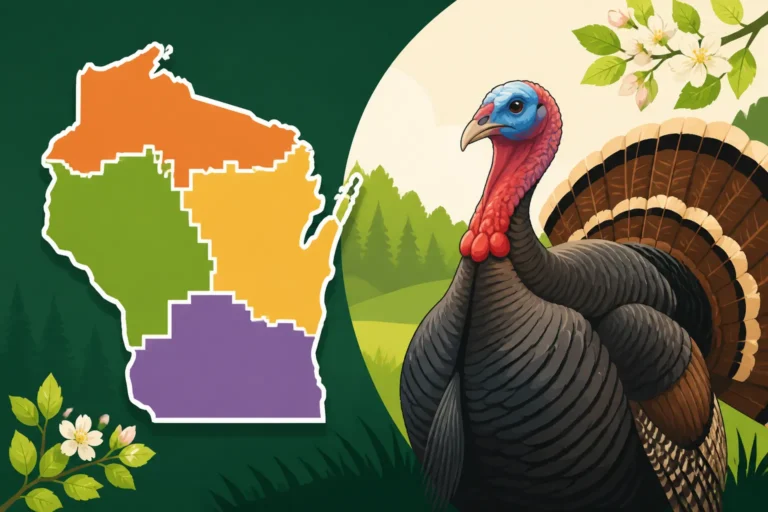
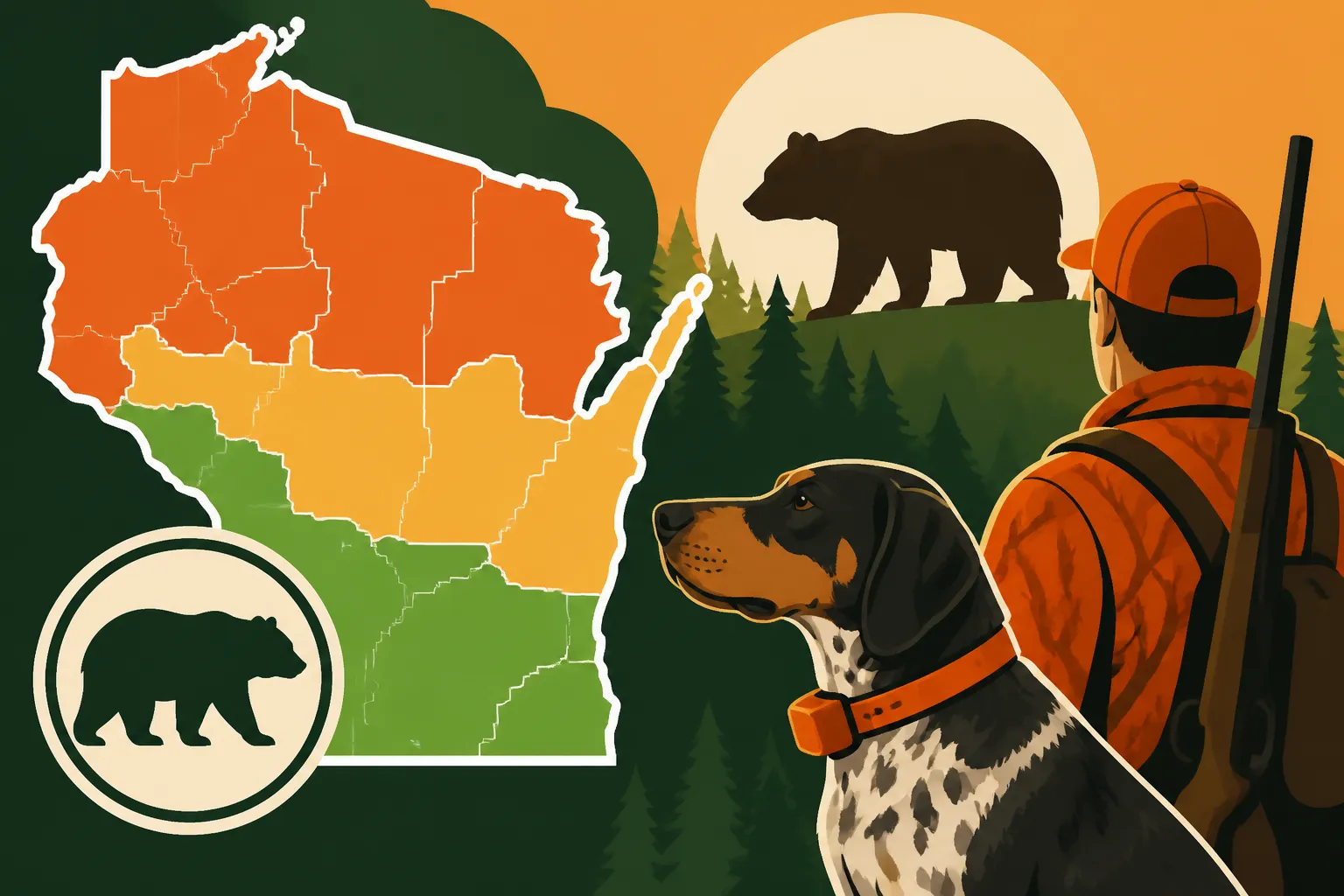
Wisconsin currently has six designated bear management zones, labeled A through F. Each zone presents different challenges and opportunities for hunters, and critically, each has specific regulations regarding the use of hounds. For those of us who cherish the tradition and excitement of Running Bear Hounds in Northern Wisconsin, knowing these distinctions is absolutely vital. Imagine putting in all the scouting and applying for a tag, only to realize your preferred method isn't legal in that specific zone – it's a gut punch no one wants to experience.
Here’s a breakdown of each zone and its dog-hunting status:
| Bear Management Zone | Primary Location | Dog Hunting Permitted? | General Characteristics |
|---|---|---|---|
| Zone A | Northwest WI | Yes | Vast forest, low population density, high bear numbers. |
| Zone B | North Central WI | Yes | Mix of forest and agricultural edges, good bear habitat. |
| Zone C | Central WI | No | More fragmented habitat, increasing human population, focus on agricultural conflicts. |
| Zone D | Northeast WI | Yes | Dense northern forest, traditional bear country, moderate human presence. |
| Zone E | Southwest WI | No | Primarily agricultural, scattered woodlands, lower bear density but growing. |
| Zone F | Southeast WI | No | Heavily populated, mostly agricultural, very low bear density, specific management needs. |
As you can see, Zones A, B, and D are where hound hunters can pursue bears with their faithful companions. These zones generally encompass the more expansive, wilder landscapes of northern Wisconsin, where traditional hound hunting methods are well-suited to the terrain and bear behavior. Zones C, E, and F, on the other hand, restrict dog use. This is often due to the higher human population densities, more fragmented habitat, and the potential for conflicts arising from hounds running through private property or residential areas.
The Rationale Behind Zone Restrictions
It’s easy to feel frustrated by restrictions, especially if you live near a zone that doesn't permit your preferred hunting method. However, these regulations aren't arbitrary. They're typically based on a combination of factors, including bear population dynamics, public safety concerns, and the character of the landscape itself.
In zones like A, B, and D, you’re often dealing with vast tracts of public and private timberlands, ideal for Hunting Pressure on Wisconsin Public Land that can spread out. The likelihood of a hound chase encroaching on residential areas is significantly lower, and the sheer amount of cover provides ample space for both bears and dogs to operate without undue human interaction. The bear populations in these areas are often higher, and the habitat supports traditional hunting methods more readily.
Conversely, Zones C, E, and F typically have a denser human footprint. You’ll find more rural residences, hobby farms, and smaller parcels of woodlands interspersed with agriculture. Allowing hounds in these areas could lead to dogs trespassing, chasing bears into yards, or causing concern among non-hunting landowners. The Wisconsin Department of Natural Resources (DNR) also considers how different hunting methods impact bear harvest and population goals for specific zones. In areas with lower bear densities or where agricultural damage is a primary concern, different strategies might be employed to manage the population, which may not include hound hunting. It's a balancing act, trying to provide hunting opportunities while minimizing negative impacts and managing wildlife effectively.
Legalities and Logistics of Hunting Bear with Dogs in Wisconsin
So, you've got your heart set on a hound hunt in one of Wisconsin's dog-friendly zones. That’s fantastic! But before you start dreaming of baying hounds and trailing bears, there are a few crucial legalities and logistical considerations you need to understand. It’s not just about having a bear tag; there are specific requirements for hound hunters that ensure responsible and ethical pursuit.
Essential Permits and Licensing for Hound Hunters
Beyond your general Wisconsin hunting license and bear harvest authorization, there are additional steps specifically for those wishing to hunt bears with dogs. You can't just show up with a pack of beagles and expect to be legal.
First, you'll need to participate in the Wisconsin bear drawing and secure a bear harvest authorization for one of the zones where dog hunting is permitted (A, B, or D). This is the initial hurdle. But even with a bear tag, you must also possess a valid "Class A" Bear License if you intend to train or hunt bear with dogs. This license is critical for hound hunters and ensures you're aware of the specific rules and regulations pertaining to dog use. There are also specific training regulations for bear hounds, meaning you can't just run dogs any time of year. There are designated training periods designed to allow hounds to hone their skills without putting undue pressure on bears outside of the hunting season. You can find detailed information on these requirements on the Wisconsin DNR's Go Wild system, which handles all licensing and applications. Knowing all the requirements upfront through a tool like GoHunt can save you a lot of headaches, making sure you're compliant with all the state's nuances.
Practical Considerations for Running Hounds
Hunting bear with hounds is a deeply immersive experience, but it comes with significant logistical challenges. It’s not just you and a rifle; it's a team of dedicated dogs, often other handlers, and a strong understanding of the terrain.
One of the biggest practical considerations is managing your dogs. This includes ensuring they are well-trained, conditioned for long chases, and equipped with modern tracking technology. Most serious hound hunters use GPS collars, which are invaluable for keeping tabs on your pack as they pursue a bear through miles of thick cover. These devices are essential for things like GPS Collars and Wisconsin Bear Hounds and making sure you can locate your dogs and, eventually, the treed or bayed bear.
Another huge aspect is landowner relations. Even in zones that permit dogs, much of the landscape is still privately owned. While Wisconsin has robust public land access, hounds don't read "No Trespassing" signs. It is absolutely crucial to have a plan for accidental trespass, and ideally, permission to access private lands beforehand if there's a possibility your dogs might cross onto them. This proactive approach helps maintain the positive image of hound hunting and avoids legal issues. Retrieving dogs or a treed bear from private property without permission can quickly turn a successful hunt into a legal quagmire. Remember, respect for landowners is paramount, regardless of whether you're actively hunting or just tracking your dogs.
Navigating the Application Process and Preference Points
Getting a Wisconsin bear tag is often the biggest hurdle for hunters, regardless of their preferred method. The demand far outstrips the supply, especially in the more productive zones. Understanding the application process and how preference points work is key to eventually drawing a tag and embarking on your hound hunting adventure.
Applying for Bear Tags in Dog-Permitted Zones
The first step, and arguably the most crucial, is submitting your bear permit application through Wisconsin's Go Wild system. This is where you declare your zone preference. If you’re a hound hunter, you'll want to prioritize Zones A, B, or D. It's important to keep an eye on the Wisconsin Bear Application Deadline each year, as missing it means waiting another entire year.
When you apply, you're essentially entering a lottery. The odds of drawing a tag vary wildly by zone and even from year to year, depending on quotas and demand. For example, some northern zones might have slightly better odds than others simply due to their vastness or specific management goals. You can often check the DNR's harvest reports or application summaries to get a sense of historical draw odds. Tools from companies like GoHunt can sometimes provide insights into these trends, helping you make an informed decision on which zone to apply for, especially if you're trying to maximize your chances of drawing a tag in a dog-friendly area. It's a careful balance between applying for the zone you want most and the zone you have the best chance of drawing.
Building Preference Points for Future Hunts
Given the competitive nature of Wisconsin bear tags, many hunters won't draw one their first time applying. This is where Wisconsin's preference point system comes into play. Each year you apply for a bear permit and are unsuccessful in drawing a tag, you earn a preference point. These points accumulate, and the more points you have, the better your odds become in future drawings. This system is designed to reward consistent applicants, ensuring that everyone eventually gets a shot at a tag.
It's vital to understand How Wisconsin Bear Preference Points Work. Your points are specific to the bear license category (e.g., adult resident, adult nonresident) and they significantly increase your chances over time. For instance, if you apply for Zone A, which allows dogs, and don't draw, you gain a point. The next year, you apply again, and your accumulated points are factored into the drawing. There are even resources that show Wisconsin Bear Point Wait Times by Zone, giving you a realistic expectation of how long it might take to draw a tag in a specific zone. Don't be discouraged if it takes several years; most successful bear hunters have built up a good number of points. It's a testament to patience and persistence, two qualities that serve any hunter well.
Strategies for a Successful Hound Hunt
Once you've navigated the application process and finally have that coveted bear tag in hand for a dog-friendly zone, the real work (and fun!) begins. Planning for a successful hound hunt involves more than just unleashing the dogs; it requires meticulous scouting, understanding bear behavior, and working seamlessly with your pack.
Choosing the Right Zone and Timing
While Zones A, B, and D all allow hound hunting, they aren't carbon copies of each other. Each has its own nuances in terms of terrain, habitat, and bear density, which can influence your hunting strategy. For instance, Zone A in the far northwest might offer incredibly vast, remote forest land, ideal for long chases away from human disturbance. Zone D in the northeast, while also heavily forested, might have different timber types or accessibility challenges.
Beyond the specific zone, timing within the season also plays a critical role. Wisconsin's bear season is typically split into periods, with different methods allowed at different times. Be sure to consult the Wisconsin Bear Season Dates by Method to ensure you're hunting during a period when hound use is permitted. Early in the season, bears might be focused on different food sources, and the weather might be warmer, impacting dog stamina. Later in the season, cooler temperatures can be easier on dogs, and bears might be more concentrated around specific food sources like acorns or late-season berries. Scouting for these food sources and bear sign well before the season is crucial, helping you determine where bears are actively feeding and traveling. This pre-season intel, possibly gathered with the help of resources on Scouting Wisconsin Public Land Before Season, is priceless.
Working with a Quality Hound Pack
Your hounds are your partners in this endeavor, and their training and condition are paramount to success. A well-trained pack understands the command structure, works together to trail, and can effectively tree or bay a bear safely. This isn't just about genetics; it's about countless hours of training, exposure to bear scent, and experience in the field.
A quality pack means dogs that are in peak physical condition, capable of running for extended periods over challenging terrain. They should also be disciplined enough to return to their handler when called, and to behave appropriately around other hunters, non-hunting public, and especially landowners. Ensuring your dogs are properly vaccinated and accustomed to the wilderness environment is also key.
Beyond the dogs themselves, a successful hound hunt often involves a team of people. A lead handler, often the one with the bear tag, directs the chase, while other helpers might be strategically positioned or follow in vehicles, especially if the chase takes the dogs across roads or through different sections of timber. Effective communication between team members, often using two-way radios, is critical for safety and success, allowing for coordinated efforts to keep tabs on the dogs and eventually locate the bear. This collective effort, built on trust and shared passion, is what makes hound hunting such a unique and rewarding experience.
Disclaimer
Please remember that hunting regulations, including those related to bear management zones and methods, can change. Always consult the most current Wisconsin Department of Natural Resources (DNR) regulations and publications before planning any hunting trip. This guide is for informational purposes only and should not be considered a substitute for official DNR rules.