When Leftover Turkey Tags Go on Sale
It’s a familiar feeling, isn’t it? You pour over the Wisconsin Spring Turkey drawing results, full of hope, only to see that dreaded "unsuccessful" message for your top choice zone and period. It can be a real punch to the gut, leaving you wondering if you'll even get a chance to chase a gobbler this spring. But don't despair! Wisconsin's system accounts for this, offering hunters a second bite at the apple through leftover turkey tags. This guide will walk you through exactly when these coveted tags go on sale, how to secure one, and how to make the absolute most of your spring pursuit.
The Spring Turkey Tag Lottery: Why Leftovers Even Exist
Before we dive into the nitty-gritty of leftover tag sales, it helps to understand why they exist in the first place. Wisconsin's turkey management system is designed to distribute hunting pressure and provide quality opportunities, but it's a complex dance of supply and demand.
Understanding the Initial Drawing Process
Every year, thousands of Wisconsin hunters eagerly await the results of the spring turkey permit drawing. You apply for a specific turkey zone and hunting period, hoping your name is drawn. Many hunters, especially those targeting popular zones like Zone 2 in the Driftless Area or the early periods when birds are most vocal, often build up preference points over several years just to increase their odds. It’s a competitive process, and frankly, it can be a bit of a gamble.
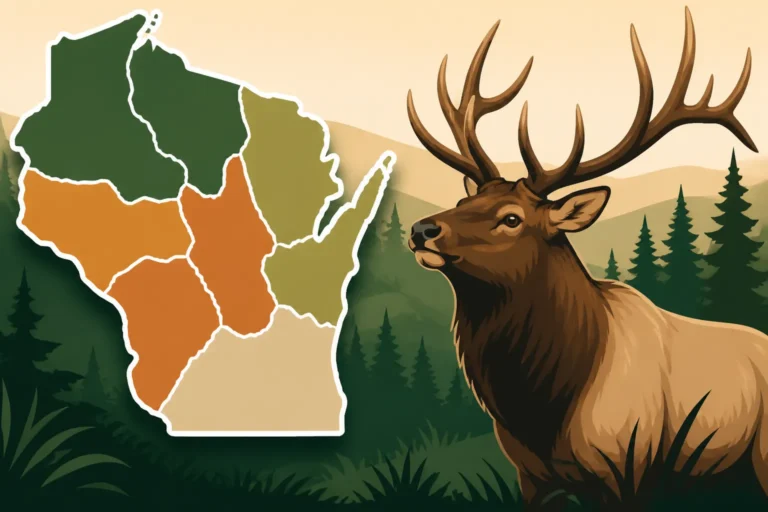
The drawing aims to allocate the total number of permits available for each of the seven Wisconsin Turkey Zones and the various hunting periods within them. If you've been putting in for the drawing for a while, you know the anticipation is palpable, and the disappointment can be keen when you don't draw your first choice, or any choice at all. That's where the beauty of leftover tags comes into play, offering a path for those who didn't get lucky in the initial draw or simply decided they wanted to add another tag. You can always check out more details on the process in our guide on the Wisconsin Turkey Period Drawing.
How Leftover Tags Emerge Across Zones
So, if everyone is applying, why are there leftovers? It boils down to a few factors. Not all zones and periods receive the same amount of hunter interest. For instance, the later periods (Periods D, E, and F) typically see less pressure and often have more tags available after the drawing. Hunters might prefer the earlier periods when gobblers are often more active and responsive, leading to these later periods having a surplus. Similarly, some zones, particularly those with less public land or a lower turkey density, might not fill their quota in the initial drawing.
The Wisconsin DNR meticulously calculates the number of permits for each zone and period based on turkey population estimates and previous harvest data. When the number of applicants for a specific zone and period is less than the number of permits allocated, those permits become "leftovers." These are the golden tickets that many of us eye, giving us another shot at hearing that thunderous gobble come spring.
Navigating the Leftover Turkey Tag Sale Dates and System
This is the information you've been waiting for! Getting a leftover tag isn't just about luck; it's about being prepared and knowing exactly when and how to jump on the opportunity.
When Wisconsin's Leftover Spring Turkey Tags Go on Sale
The sale of leftover spring turkey tags in Wisconsin typically follows a staggered schedule, prioritizing residents and then opening up to all hunters. This phased approach is crucial to understand if you want to maximize your chances. While specific dates can shift slightly each year, the general timeline remains fairly consistent.
Here’s a breakdown of the typical sales phases:
- Mid-March (First Resident-Only Phase): This is usually when Wisconsin residents get their first crack at leftover permits. Often, during this initial phase, residents are limited to purchasing one leftover authorization. It's a mad dash, as the most desirable remaining permits (perhaps a Period C tag in a decent zone) can go very quickly. You'll want to be ready right when sales open.
- Late March / Early April (Second Resident-Only Phase): A few days or a week after the initial resident-only sale, the remaining leftover permits are typically opened up again for residents, who can then purchase additional tags if they wish, up to the statewide bag limit. This is a good time to grab a second tag if you want to extend your season.
- Early April (All Hunters – Residents and Non-Residents): Finally, any permits still available are opened up to all hunters, including non-residents. This is often the last opportunity to secure a tag for the spring season. By this point, the choices might be more limited to later periods or less sought-after zones, but a turkey tag is a turkey tag!
It is absolutely vital to check the official Wisconsin DNR website each year for the precise dates and times, as they are announced annually. The sales often begin at 10:00 AM Central Time on the designated day. Being logged in and ready a few minutes beforehand can make all the difference.
Let's look at a typical sales schedule to illustrate:
| Sales Phase | Who Can Buy | Limit (Typical) | Timing (Approx.) | Notes |
|---|---|---|---|---|
| Phase 1: Resident Leftover | WI Residents Only | 1 per hunter | Mid-March, 10:00 AM CT | Fastest selling; high demand for prime periods/zones. |
| Phase 2: Additional Resident Leftover | WI Residents Only | Up to bag limit | Late March, 10:00 AM CT | Second chance for residents to add more tags. |
| Phase 3: All Remaining Leftover | All Hunters (WI & Non-Res) | Up to bag limit | Early April, 10:00 AM CT | Non-residents' first opportunity; tags may be limited to later periods or less popular zones. |
Strategies for a Smooth Purchase on Go Wild
When those sale dates hit, the Go Wild licensing system is where all the action happens. It can get a little frantic, especially during the first resident-only sale, so having a game plan is essential.
- Create Your Account Ahead of Time: If you don't already have one, set up your Go Wild account well in advance. Make sure all your information is current and accurate. There's nothing worse than fumbling with forgotten passwords or outdated details when the clock is ticking. You can find more information on Buying Wisconsin Licences on Go Wild.
- Know Your Target: Before the sale begins, identify which zones and periods you'd be happy with. Have a primary choice, but also a couple of backup options. Sometimes your first choice sells out in seconds, so having a quick pivot ready can save the day. Tools like GoHunt can be incredibly helpful here, allowing you to quickly research harvest data and public land access for various zones.
- Log In Early: On the day of the sale, log into your Go Wild account at least 15-20 minutes before the official start time. This helps you bypass any initial login congestion and ensures you're ready when the system refreshes.
- Have Your Payment Ready: Ensure your credit card information is updated in your account or have it physically next to you for quick entry. Any delay can mean losing out on a tag.
- Be Patient But Persistent: The Go Wild website can experience heavy traffic on sale days, leading to slow loading times or temporary errors. Don't panic if it's sluggish. Keep trying, refreshing if necessary, but avoid frantic clicking that might overload the system further. Think of it like trying to get concert tickets – sometimes it takes a few tries.
Researching Zones and Periods for Your Best Chance
Choosing which leftover tag to pursue isn't just about what's available; it's about what makes the most sense for your hunting style and availability. This is where a bit of homework really pays off.
Start by looking at the official Wisconsin DNR harvest reports. These provide invaluable data on turkey harvests by zone and period, giving you an idea of success rates and turkey populations in different areas. While popular zones like Zone 2 (parts of the Driftless Area) and Zone 1 (large parts of central and western Wisconsin) can be challenging to draw for, they often have good turkey numbers.
Consider the hunting periods:
- Early Periods (A & B): These are often the most sought-after. Gobblers are typically very vocal and actively breeding, making them exciting to hunt. However, leftover tags for these periods are rare.
- Mid-Periods (C & D): These can offer a great balance. Birds are still active, but breeding might be starting to slow, and the woods are typically leafing out, providing more cover. There's usually a better chance of finding leftover tags here.
- Late Periods (E & F): These periods often have the most leftover tags. While gobblers can be quieter as they've bred hens, they can still be found. Later periods also mean warmer weather and fuller foliage, which presents its own set of challenges and opportunities. Our guide on Hunting Gobblers Late in May can give you some excellent strategies for these later hunts.
If you plan to hunt public land, use tools like the Wisconsin Hunt Wild App or OnX Hunt to scout potential areas. Look for concentrations of public land within each zone. Larger expanses of state forests, county forests, or wildlife areas will typically offer more room to roam and less hunter interference. Brands like GoHunt can integrate useful mapping features to help visualize these public land options. Remember, even with a leftover tag, you're still chasing a wild bird, so understanding the terrain and turkey habits is paramount.
Making the Most of Your Leftover Turkey Authorization
Securing a leftover tag is a victory in itself, but the real work and fun begin once you have that authorization in hand. Now it's time to strategize and prepare for a successful hunt.
Pre-Season Scouting and Adapting to Conditions
Just because it's a "leftover" tag doesn't mean you should leave your scouting to chance. In fact, it might be even more critical. If you're hunting a zone or period you didn't initially plan for, you'll need to hit the woods and learn the lay of the land.
- Map Recon: Start with aerial maps. Identify potential roosting areas (tall, mature trees along creek bottoms or ridge lines), feeding areas (open fields, oak stands for acorns), and travel corridors. Look for funnels, pinch points, and water sources.
- Boots on the Ground: Nothing beats walking the land. Look for fresh turkey sign: tracks, droppings, and scratchings in the leaf litter. Listen for distant gobblers, or even just general bird activity, to get a sense of where turkeys are moving. Pay close attention to terrain features like bluffs and coulees if you're in the Driftless region, or dense cover in the northern forests.
- Weather Adaptability: If you secured a later period tag, remember that the woods will look very different than in early April. The trees will be fully leafed out, affecting visibility and sound travel. Be prepared for potentially warmer, buggier weather, but also don't rule out a late-season cold snap or rain. Having gear that can handle varied conditions is key.
Our guide on Scouting Wisconsin Public Land Before Season offers fantastic advice that applies perfectly to making the most of a leftover turkey authorization.
Effective Tactics for Hunting Later Season Birds
Turkeys behave differently throughout the spring season. If your leftover tag puts you in a later period, you'll need to adjust your tactics. Early-season birds are often eager to gobble and respond to calls, but by Periods D, E, or F, they can be much warier and less vocal.
- Subtle Calling: Forget aggressive shock-gobbling or constant yelping. Later in the season, hens are often bred, and gobblers might be "henned up," meaning they're already with a group of hens. They might not feel the need to come to your calls. Try softer, more realistic calling – clucks, purrs, and soft yelps. Sometimes, less is more.
- Patience is a Virtue: Later season birds might take their sweet time to respond or approach. Find a good setup where you have cover, a clear shooting lane, and a good view. Then, settle in and wait. Our guide on Setting Up Against a Big Oak offers timeless advice on finding the perfect ambush spot.
- Run-and-Gun (if appropriate): If you're on public land with lots of room, a modified "run-and-gun" approach can still work. Move quietly, stop to call occasionally, and listen for a response. If you hear nothing, move to a new location. This tactic is especially effective when birds are less vocal, forcing you to cover more ground to find them. Learn more about this in Run-and-Gun Turkey Tactics on Public Land.
- Decoys with Caution: Decoys can be highly effective, but use them wisely. A single hen decoy can be appealing to a lonesome gobbler. However, on heavily pressured public land, too many decoys or unrealistic setups might actually spook wary birds. Consider a realistic jake or gobbler decoy only if you're confident in the area and have good cover. Read up on Decoy Placement for Pressured Birds for more insights.
Essential Gear and a Patient Mindset
Your gear list for a leftover turkey hunt won't differ wildly from a regular spring hunt, but remember the potential for warmer weather:
- Lightweight Camo: Full camo is essential. Consider lighter fabrics for warmer days, but still bring layers for cool mornings.
- Comfortable Seat/Cushion: You'll be doing a lot of sitting, so a comfortable, lightweight seat or cushion is invaluable. A turkey vest with a built-in kickstand is a game-changer.
- Variety of Calls: Carry a range of calls – slate, mouth, and box calls – to mimic different turkey sounds and adapt to conditions.
- Shotgun & Choke: A reliable shotgun with a good turkey choke (like a full or extra-full) and quality turkey loads is a must.
- Bug Spray: Especially for later periods, mosquitoes and ticks can be relentless. Don't forget your bug repellent!
- Navigation Tools: Your phone with a mapping app (like GoHunt's integrated maps) or a dedicated GPS unit will keep you from getting lost, especially when you're exploring new areas.
Beyond the gear, cultivate a patient mindset. Leftover hunts, especially in later periods, often require more effort and persistence. The birds might not gobble as much, and you might have to work harder to locate and call them in. But the reward of outsmarting a wary spring gobbler, especially one you earned through a leftover tag, is truly one of the most satisfying experiences in Wisconsin hunting.
Important Considerations Beyond Spring Leftovers
While spring turkey hunting gets most of the attention, it's worth remembering that Wisconsin also offers a fall turkey season, and its tag allocation system is usually much simpler.
Fall Turkey Tag Availability
Unlike the competitive spring drawing, Wisconsin's fall turkey tags are typically available over-the-counter and are generally plentiful. There's no preference point system or complex drawing. You can usually purchase a fall turkey authorization directly through the Go Wild system without the frantic rush of the spring leftover sales.
The fall season offers a completely different kind of hunting experience, often focusing on breaking up flocks and calling birds back in. If you enjoy calling and want a less pressured experience, the fall season can be an excellent opportunity. Check out our guides on Wisconsin's Fall Turkey Season and Fall Turkey Tactics in Wisconsin for more details on hunting autumn gobblers.
Ultimately, whether you're navigating the spring lottery, scrambling for a leftover tag, or planning a relaxed fall hunt, Wisconsin offers fantastic turkey hunting opportunities. Staying informed, being prepared, and having a good strategy will significantly boost your chances of success.
Disclaimer
Please remember that hunting regulations, season dates, and permit sale schedules are subject to change. Always consult the official Wisconsin Department of Natural Resources (DNR) website and current hunting regulations pamphlet for the most up-to-date and accurate information before planning your hunt.