Wisconsin Spring Turkey Period Dates
Oh, the Wisconsin spring turkey season! It's one of the most anticipated times of the year for many of us, but boy, can those period dates get confusing. Trying to remember which week is which, especially when you're juggling work, family, and other commitments, feels like trying to decipher an ancient code sometimes. This guide is here to clear up all that head-scratching, giving you a crystal-clear rundown of the Wisconsin spring turkey period dates and how to navigate the system so you can focus on calling in that gobbler.
Navigating Wisconsin's Spring Turkey Season Structure
When you first dive into the world of Wisconsin spring turkey hunting, it can feel a bit like you've landed in a complex puzzle. There are zones, periods, preference points, and drawings—it's enough to make even a seasoned hunter's head spin. But there's a method to the madness, and understanding why the season is structured this way is the first step to mastering it.
The Rationale Behind Staggered Periods and Zones
Wisconsin's Department of Natural Resources (DNR) doesn't just pull these season dates out of a hat; there's a thoughtful, science-backed reason for the staggered periods and distinct zones. Imagine if everyone could hunt turkeys statewide on opening day. The woods would be packed, bird populations would be stressed, and the quality of the hunt would plummet for everyone. It would be a chaotic mess, frankly.
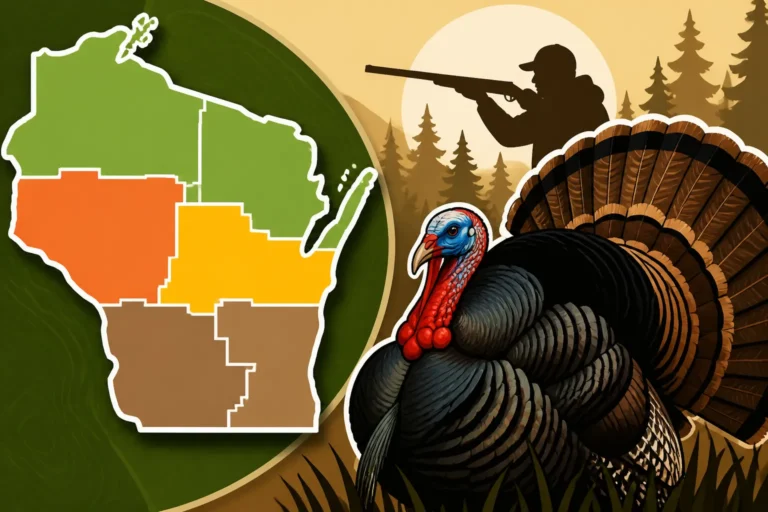
The primary goal of this staggered system is effective wildlife management. By dividing the state into seven different zones and then further breaking down the spring season into six distinct, week-long hunting periods (A through F), the DNR can spread out hunter pressure. This not only provides a safer, more enjoyable experience for hunters by reducing crowded conditions but also helps prevent over-harvesting in any single area or at a critical point in the turkey breeding cycle. It allows for sustained success year after year. For those curious about the broader system, you can learn more about the overall framework of the turkey season in our detailed article on Wisconsin Spring Turkey Zones and Periods.
How Wisconsin's Turkey Zones Impact Your Hunt
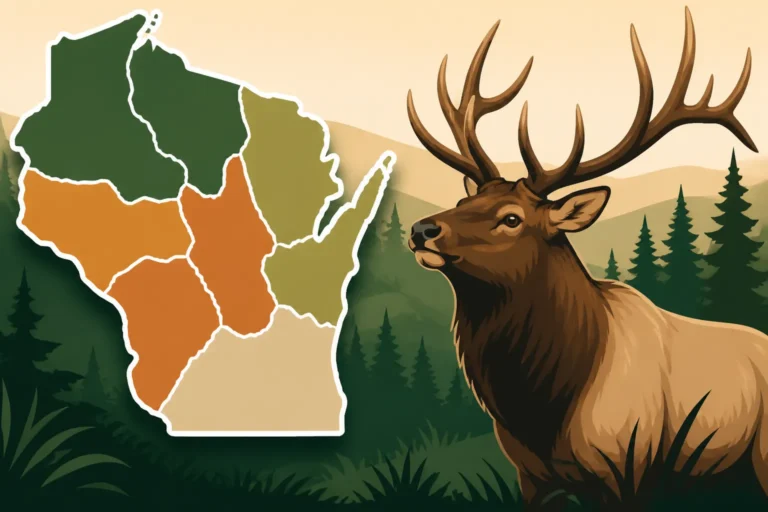
Before you even think about period dates, you need to understand Wisconsin's turkey zones. The state is divided into seven specific zones, each with its own allocation of turkey harvest authorizations (tags). These zones are based on turkey population densities, habitat availability, and historical harvest data. What this means for you is that the hunting opportunities—and indeed, the competition for tags—can vary significantly from one zone to another.
For instance, some zones, particularly those in the southern farmland regions, might have higher turkey densities and consequently, more available tags, but also potentially more hunter pressure. Conversely, zones in the northern forests might have lower densities but offer a more solitary, wilderness-style hunt. Your choice of zone, whether it's Zone 1, Zone 2, or any of the others, directly influences which periods you might have a better chance of drawing a tag for. It's a critical decision that should be made before the application period even begins. Understanding Which Wisconsin Turkey Zone to Apply For can give you a significant advantage in your planning.
Official Wisconsin Spring Turkey Period Dates
Alright, let's get down to brass tacks: the actual dates. This is often the most critical piece of information for hunters planning their spring adventures. The Wisconsin spring turkey season periods are structured to run consecutively, each lasting seven days, typically from mid-April through late May.
Breaking Down the Six Hunt Periods A Through F
The Wisconsin spring turkey season is comprised of six distinct periods, usually referred to as Period A, B, C, D, E, and F. While the exact calendar dates shift slightly each year to accommodate the weekday/weekend structure, the pattern remains consistent. For the most current season, here's a general breakdown of how the periods typically align:
| Period | Typical Start Date (Approx.) | Typical End Date (Approx.) | Notes |
|---|---|---|---|
| Period A | Mid-April (e.g., April 17) | Late April (e.g., April 23) | Often the earliest hatch, birds are still flocked. |
| Period B | Late April (e.g., April 24) | Early May (e.g., April 30) | Peak gobbling and breeding activity often starts here. |
| Period C | Early May (e.g., May 1) | Early May (e.g., May 7) | Often considered a prime period due to consistent activity. |
| Period D | Early May (e.g., May 8) | Mid-May (e.g., May 14) | Birds may start breaking up, hens nesting. |
| Period E | Mid-May (e.g., May 15) | Late May (e.g., May 21) | Gobblers more solitary, can be harder to locate. |
| Period F | Late May (e.g., May 22) | Late May (e.g., May 28) | Final period, often requires different tactics. |
Please remember: These are approximate dates. Always consult the official Wisconsin DNR hunting regulations pamphlet or their website for the precise, annually published dates before making any plans.
Period A often finds turkeys still somewhat flocked up, with gobblers looking for hens. As you move into Periods B and C, you typically hit the peak of gobbling activity and breeding, which can be thrilling for hunters. By the time you reach Periods D, E, and F, hens are often on nests, and gobblers might become a bit more solitary, though still callable if you know your stuff. Adapting your calling strategy, perhaps focusing on Calling a Wisconsin Gobbler Off the Roost, becomes especially important in these later periods.
Special Consideration for the Youth Turkey Hunt
Before the general season even kicks off, Wisconsin offers a special Youth Turkey Hunt. This is an incredible opportunity for young hunters (ages 10-15) to experience the thrill of spring turkey hunting in a less pressured environment. The Youth Hunt typically runs for a weekend immediately preceding Period A. This head start allows mentors and young hunters to focus on the experience without competing with the full force of the adult hunting population.
The rules for the Youth Hunt are designed to be supportive: youth hunters must be accompanied by a mentor (age 18 or older) who is hunter safety-certified (unless the youth is 12 years old and has completed hunter safety), and they share one gun. This program is part of Wisconsin's broader commitment to fostering new hunters, similar to the Wisconsin Mentored Hunting Law Rules which allows individuals to hunt before completing a hunter education course, under the supervision of a mentor. It's a fantastic initiative to introduce the next generation to ethical hunting practices and the outdoors.
Understanding Potential Annual Date Adjustments
It's crucial to understand that while the period structure (A-F) is consistent, the exact calendar dates for the Wisconsin Spring Turkey Period Dates are subject to minor annual adjustments. The DNR sets these dates each year, usually in late summer or early fall, following public input and biological data review. These shifts ensure that the season aligns appropriately with biological factors like turkey breeding cycles and population health, while also considering calendar-specific elements like when Easter falls.
Never rely solely on last year's dates. Always make it a point to check the current year's official regulations. Resources like the Wisconsin DNR website, or helpful hunting platforms such as GoHunt, are indispensable for staying up-to-date. Missing a small date change could mean missing out on your preferred hunting week entirely. I've heard stories of hunters showing up a day early or late, and that's just a heartbreaking way to start a season.
Securing Your Spring Turkey Authorization
Getting a turkey tag in Wisconsin isn't always as simple as walking into a store and buying one, especially for those highly coveted early periods. The state employs a drawing system to fairly distribute harvest authorizations across zones and periods.
The Application and Drawing Process
To participate in the spring turkey season, you first need to apply for a harvest authorization (what most of us just call a tag) through the Wisconsin Go Wild licensing system. This application process usually opens in December and has a strict deadline, typically in early to mid-December. Missing this deadline means you're out of luck for the initial drawing. You can find more details on the Wisconsin Spring Turkey Application Deadline in our other resources.
When you apply, you'll select your preferred zone and up to two preferred periods. You'll also indicate if you want to be considered for any available period in your chosen zone if your first two choices aren't available. The DNR then conducts a drawing, typically in January, to allocate the tags. This is where your Wisconsin Turkey Preference Point Rules come into play. For every year you apply and don't draw your first choice, you earn a preference point, increasing your odds in future drawings. You can learn more about the drawing process in Wisconsin Turkey Period Drawing. Platforms like GoHunt can be fantastic for tracking your preference points and making informed choices during the application period.
Leftover Tags: Your Second Chance to Hunt
Didn't draw your desired tag in the initial application period? Don't despair! Wisconsin offers leftover turkey authorizations, giving hunters a second (or even third) chance to get into the field. These leftover tags are sold on a first-come, first-served basis, typically starting in late March.
The sales are usually staggered by zone. For instance, Zone 1 tags might go on sale on one day, Zone 2 on another, and so on. This prevents the system from being completely overwhelmed. It's a mad dash when sales open, and popular zones and periods can sell out in minutes. Many hunters will have multiple devices ready, logged into Go Wild, hoping to snag a tag. Knowing When Leftover Turkey Tags Go on Sale is critical, as a few seconds can make all the difference. While the earliest periods might be scarce as leftovers, you can often find tags for later periods, offering a great opportunity to get out. You can dive deeper into this process by reading our article on Leftover Turkey Authorizations in Wisconsin.
Mentored Hunting Opportunities for New Hunters
For those new to hunting, or who haven't completed a hunter safety course yet, Wisconsin's Mentored Hunting Program provides a fantastic pathway to experience the spring turkey season. As mentioned earlier, a mentee can hunt under the direct supervision of a licensed, experienced mentor. This means that even if you're just starting, you can accompany a knowledgeable hunter, learn the ropes, and even harvest a bird under their guidance.
This program is particularly valuable for spring turkey hunting, which requires specific skills like calling and stealth. A mentor can teach you the subtle art of reading the woods, identifying turkey sign, and effective calling techniques. It lowers the barrier to entry and promotes safe, ethical hunting practices from the very beginning. Remember, the mentor must be within arm's reach of the mentee, ensuring direct supervision at all times.
Making the Most of Your Tag and Season
Once you have your spring turkey authorization in hand, the real fun begins: planning your hunt! Each period offers unique challenges and opportunities, and understanding these can significantly increase your chances of success.
Strategic Planning for Different Hunt Periods
The Wisconsin spring turkey periods each present a different set of conditions for hunters.
- Early Periods (A & B): These periods often see gobblers still flocked up with hens. This means there's competition for the gobblers' attention. You might see a lot of birds, but getting a solo gobbler to commit can be tough. Your best bet might be to set up near roosts and try to call a bird off the limb before it joins its flock. Weather can also be a factor, with cold snaps still possible.
- Mid-Periods (C & D): Many hunters consider these the "sweet spot." Hens are often starting to nest, leaving gobblers more eager to respond to calls as they search for available mates. The woods are typically greening up, and conditions are generally more pleasant. This is often when gobbling is most consistent and aggressive.
- Late Periods (E & F): By late May, hens are typically on their nests, which can make gobblers seem more sporadic or "henned up" early in the morning. However, these periods also offer unique advantages. Gobblers that have been pressured or avoided earlier might be more vulnerable. It's often a great time for "run-and-gun" tactics, covering a lot of ground to find an unpressured gobbler. You can explore Run-and-Gun Turkey Tactics on Public Land for more insight. Patience is key, and understanding what Wisconsin gobblers do When Wisconsin Gobblers Go Quiet is crucial.
What to Do if You Don't Draw Your Preferred Period
It happens to the best of us: you put in for Period C in Zone 1, hoping for that peak gobbling action, and you come up empty-handed in the drawing. Don't let this derail your season! Your options typically include:
- Buying a Leftover Tag: As discussed, this is your primary avenue. Be ready when those sales open. Often, there are plenty of tags for later periods (D, E, F), or in less-pressured zones.
- Considering a Different Zone: If your preferred zone's tags are all gone, look at neighboring zones or other areas of the state. While it might require a bit more travel, it’s better than no hunt at all.
- Mentoring a Youth: If you're over 18 and hunter-safety certified, consider taking a youth hunter out during the Youth Hunt. It's a rewarding experience, and you get to participate in the season, even if you don't have your own tag.
- Focusing on Scouting: Even without a tag, you can use the early season to scout. Observe turkey behavior, roost locations, and travel patterns. This invaluable intelligence can then be applied to your leftover tag hunt or even next year's application.
- Private Land Opportunities: While not always easy, knocking on doors in farm country can sometimes yield permission for later periods, especially if turkeys are causing crop damage. Learning about Turkey Tactics for Driftless Farm Edges can be helpful here.
Adapting Tactics to Late Season Periods
Hunting during the later Wisconsin Spring Turkey Period Dates (Periods E and F) requires a shift in mindset and tactics compared to the frenzy of the early season. By this point, most hens are sitting on nests, and the intense breeding activity has mellowed out. Gobblers might not be as vocal or as eager to respond to every call they hear.
This is a time for patience and persistence. Instead of expecting birds to come charging in, you might need to employ more stealth and strategy. Still-hunting, covering ground quietly, and observing can be very effective. Try listening for soft clucks and purrs, or looking for visual cues like dusting bowls. When you do locate a gobbler, subtle calling can often be more effective than aggressive, loud calling. A good tactic is to set up in areas with good visibility and wait for a gobbler to pass through, then make your move. Also, don't overlook midday hunting; sometimes the action picks up when other hunters have headed home.
Important Reminders for All Wisconsin Turkey Hunters
No matter which Wisconsin Spring Turkey Period Dates you're hunting, always keep safety and ethics at the forefront.
- Blaze Orange/Pink: While not required for turkey hunting, wear blaze orange or pink when walking in or out of your hunting area, especially during the gun deer season overlap (if applicable) or if other hunters might be around. It's a smart safety precaution.
- Decoys: If using decoys, always set them up in an open area where you have a clear line of sight, and place them so that you are looking past the decoy, not directly at it. Never carry an exposed turkey decoy when moving through the woods; bag it up to prevent being mistaken for a real bird.
- Legal Hours: Hunting is generally allowed from half-hour before sunrise to sunset. Check the official regulations for exact legal shooting hours, which can vary slightly depending on the time of year and specific location.
- Registration: All harvested turkeys must be registered online or by phone by 5:00 PM on the day after the harvest. Failure to do so can result in penalties. Go Wild makes this process relatively straightforward.
- Carcass Movement: Be aware of any carcass movement restrictions, especially if you plan to travel through areas with Chronic Wasting Disease (CWD). While primarily a deer concern, it's good practice to be informed.
By understanding the Wisconsin Spring Turkey Period Dates, the application process, and adapting your strategies, you're well on your way to a successful and enjoyable spring turkey season in the Badger State. Good luck out there!
Disclaimer
Please note that hunting regulations, season dates, and application procedures are subject to change. Always consult the official Wisconsin Department of Natural Resources (DNR) website or their current hunting regulations pamphlet for the most accurate and up-to-date information before planning any hunting activities. This guide provides general information and recommendations, but it is the hunter's responsibility to know and follow all applicable laws.