Wisconsin Elk Licence Cost
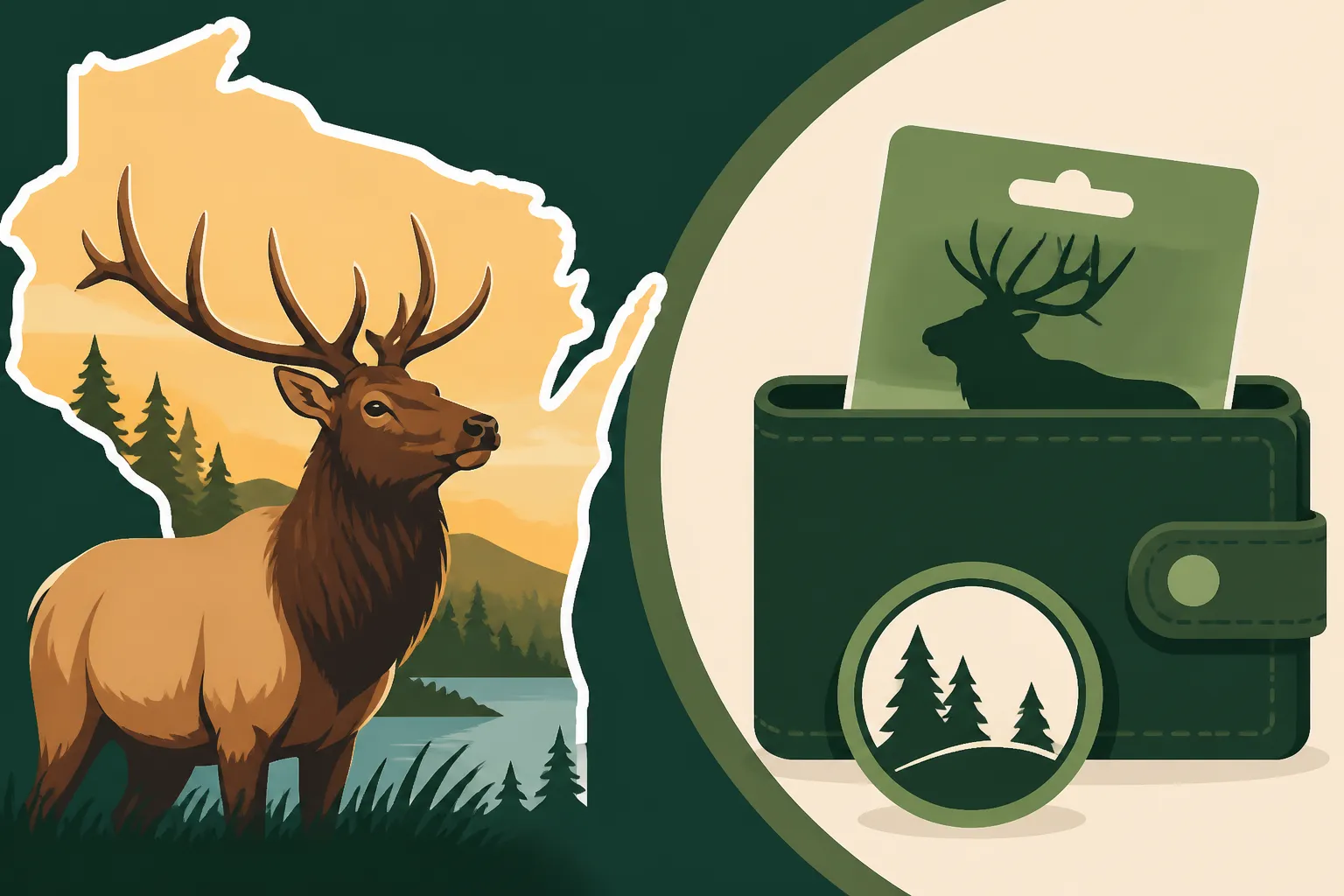
Dreaming of chasing elk in Wisconsin? It’s a truly special aspiration, given the incredible comeback story of these magnificent animals in our state. But before you get lost in visions of bugling bulls echoing through the Northwoods, you probably have some very real questions about the financial side of things. It’s not always clear what you’re paying for when it comes to these highly coveted tags, and let's be honest, deciphering hunting regulations and fee structures can feel like navigating a maze blindfolded. This guide is here to shed some light on exactly what a Wisconsin elk license costs, from the initial application to the full tag price if you're one of the lucky few.
Understanding Wisconsin's Unique Elk Program
Wisconsin's elk herd is a testament to dedicated conservation efforts, evolving from a reintroduction program to a thriving, huntable population. It’s not just a hunt; it’s participating in a legacy. This success story began with the reintroduction of elk to the Clam Lake area, creating the Northern Herd, and later expanded with the establishment of the Black River Herd in central Wisconsin. Given the hard work and resources poured into bringing elk back, the state manages the harvest very carefully, which directly impacts the licensing and application process.
The state’s careful management means that elk tags are extremely limited, making the draw a true lottery. It's a hunt that many people apply for year after year, patiently building preference points, hoping for that one golden ticket. This scarcity is precisely what gives the application and subsequent license their unique value and structure. When you apply, you're not just throwing your hat in the ring; you're contributing to the continued health and expansion of Wisconsin's Northern and Central Elk Herds, ensuring future generations can also experience the magic of elk in Wisconsin. Learning about How Elk Returned to Wisconsin truly highlights the conservation value behind every dollar spent on this program.
The Actual Cost of a Wisconsin Elk Application
Let’s talk brass tacks. When you decide to enter the Wisconsin elk draw, you're not immediately buying an elk license. Instead, you’re purchasing an application that gives you a chance at drawing one of the extremely limited tags. This is a crucial distinction and a common point of confusion for many hunters. The application fee itself is relatively modest, designed to make participation accessible while funding the administrative costs of the draw and, importantly, contributing to elk management.
Currently, the application fee for a Wisconsin elk tag is a flat $10, whether you're a resident or a nonresident. This fee is non-refundable, meaning if you don't draw a tag, you won't get that money back. Think of it as your annual investment in the dream, and more tangibly, your contribution to a preference point system. Each year you apply and don't draw, you accrue a preference point, which theoretically increases your odds in future drawings. This system is designed to reward consistent applicants, much like the process for other highly sought-after hunts like bear. Understanding How Wisconsin Bear Preference Points Work can give you a good parallel perspective on how the elk system aims to manage demand and allocate opportunity.
Alongside this $10 application fee, there's often an associated conservation fee or surcharge, which is typically incorporated into the overall cost of your hunting license purchases for the year. This ensures that a portion of all hunting-related revenue directly supports wildlife habitat and management programs across the state, including those benefiting our elk populations.
Here’s a quick breakdown of what you're initially paying for the chance to hunt elk:
| Item | Resident Cost (approx.) | Non-Resident Cost (approx.) | Notes |
|---|---|---|---|
| Annual Application Fee | $10.00 | $10.00 | Non-refundable. Builds one preference point if unsuccessful. |
| (Included in Application) | (Included) | (Included) | Supports elk research, habitat, and management through the DNR. |
This $10 is essentially your ticket to enter the lottery, and it's what you'll pay each year you hope to draw a tag. Many hunters use tools like those offered by GoHunt to track their preference points and analyze trends in draw odds across different states, helping them make informed decisions about when and where to apply for these limited opportunities. While GoHunt can't guarantee a tag, it offers valuable data that helps hunters understand their position in the preference point system and what the Wisconsin Elk Draw Odds truly look like.
Beyond the Application: What Happens If You Draw a Tag?
This is where the real cost of a Wisconsin elk license comes into play. If, by some incredible stroke of luck and accumulated preference points, your name is drawn, congratulations! You've won the opportunity of a lifetime. However, the $10 application fee was just for the chance. Now, you’ll need to purchase the actual elk hunting license (also known as an authorization) to legally pursue an elk.
The cost of the full elk license is significantly higher than the application fee, reflecting the rarity and value of the tag. For Wisconsin residents, the cost of an elk hunting license is $49. For nonresidents, it's a substantially higher $499. This tiered pricing is standard practice for many states, favoring residents who contribute to the state's conservation efforts year-round through their taxes and other license purchases. It also acknowledges that Can Nonresidents Apply for Wisconsin Elk? but often face higher costs for comparable opportunities.
It's absolutely critical to understand that this larger fee is only paid if you are successfully drawn. You won't be charged $49 or $499 every year you apply; only in the year your number comes up in the lottery. This distinction is vital for budgeting and managing expectations. When that notification email or letter arrives, it's a moment of pure excitement mixed with the sudden reality of a larger financial commitment. However, for most hunters, the chance to hunt a Wisconsin elk is well worth the investment. It’s an opportunity to hunt within the stunning Wisconsin Elk Hunt Zone Boundaries, a landscape that has once again become home to these majestic creatures.
Navigating the Application Process and Maximizing Your Odds
Successfully drawing a Wisconsin elk tag is less about maximizing the cost and more about maximizing your patience and understanding the system. The application period typically runs from late spring to early summer, so it’s essential to mark your calendar and not miss the deadline. The Wisconsin DNR provides detailed information on Wisconsin Elk Application Rules each year, so make sure to check the most current regulations. For instance, the deadline for applying for a Wisconsin elk tag is usually around late May, which is similar to the annual Wisconsin Bear Application Deadline.
The preference point system is your primary tool for increasing your odds. Every year you apply and are unsuccessful, you gain one preference point. These points accumulate over time, giving you a higher chance in subsequent draws compared to someone with fewer points. However, once you draw a tag, your preference points are reset to zero. This ensures that new hunters and those who have waited a long time eventually get their shot, rather than a few individuals drawing year after year. Given the extremely limited number of tags—often just a handful for the public draw—it can take many years, even decades, to accumulate enough points to have a reasonable chance. This is why tools like GoHunt are so valuable; they can help you visualize the long-term commitment and the historical trends for drawing these tags. Analyzing data on previous draws, success rates, and the number of applicants with certain point levels can help you decide if it's worth it for you to keep putting in for the drawing.
Beyond just applying annually, immersing yourself in the elk story can make the wait enjoyable. Learning about How Many Elk Wisconsin Has and visiting areas like the Clam Lake herd can deepen your appreciation for this unique hunting opportunity. Imagine the thrill of hearing When Wisconsin Elk Bugle firsthand if you ever get that coveted tag! It truly transforms the application process from a mere financial transaction into a long-term commitment to a remarkable conservation success. Even if you don't draw for many years, your participation helps support this incredible wildlife resource.
Disclaimer
Please remember that hunting regulations and license costs are subject to change. Always consult the official Wisconsin Department of Natural Resources (DNR) website or their current hunting regulations pamphlet for the most up-to-date and accurate information before applying for any licenses or authorizations.