Wisconsin Goose Zones and Seasons
Trying to wrap your head around Wisconsin's goose hunting regulations can feel like deciphering an ancient scroll, especially when you're just eager to get out in the field. Between the specific zone boundaries and the ever-shifting season dates, it's easy to get confused and worry about being on the wrong side of the law. This comprehensive guide will break down everything you need to know about Wisconsin's goose zones and seasons, helping you understand the rules so you can hunt with confidence and bring home some birds.
Understanding Wisconsin's Goose Zones
Wisconsin's approach to goose hunting is designed to manage harvest pressure and respond to migration patterns across different regions of the state. It's not a one-size-fits-all situation, and understanding these zones is the first critical step to a successful and legal goose hunt.
The Different Zones and Their Boundaries
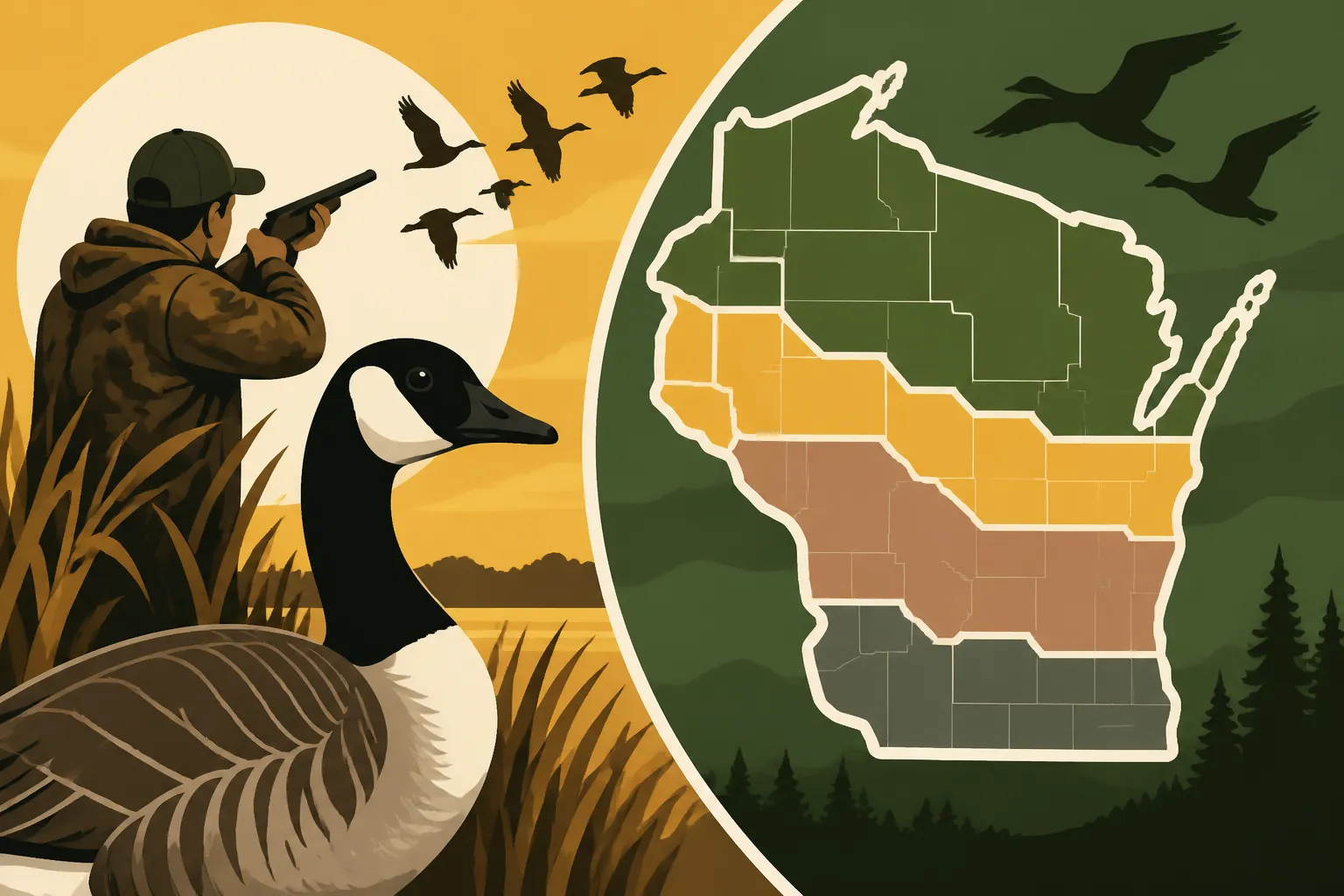
Wisconsin is primarily divided into several distinct goose management zones, each with its own set of rules and season dates. The main ones you'll hear about are the Horicon Zone, the Exterior Zone (which further breaks down into the North, East, and South Exterior Zones), and the Mississippi River Zone.
The Horicon Zone is arguably the most famous and is a critical staging area for Canada geese. Its boundaries are specifically drawn to encompass Horicon Marsh and the surrounding agricultural lands where thousands of geese feed. Knowing if you're in the Horicon Zone is paramount, as it often has unique application and harvest reporting requirements, not to mention some of the earliest season dates. You can usually find detailed maps on the Wisconsin DNR website, or by using hunting apps like GoHunt that overlay these specific boundaries directly onto satellite imagery, which can be a huge help when you're scouting new areas.
The Exterior Zone covers the vast majority of the state outside of Horicon and the Mississippi River. This zone is then subdivided into North, East, and South Exterior Zones. The division isn't arbitrary; it reflects historical goose migration corridors and nesting areas. For instance, the North Exterior Zone might encompass counties like Bayfield or Sawyer, while the South Exterior Zone would include areas closer to Madison or Janesville. Each of these sub-zones has slightly different season structures, which can be frustrating but makes a big difference in managing goose populations that might breed locally versus those that migrate from further north.
Finally, the Mississippi River Zone is a unique beast. As its name suggests, it runs along Wisconsin's western border, encompassing the main channel of the Mississippi River and specific adjacent wetlands and backwaters. This zone often has regulations that align with federal frameworks for migratory birds on shared interstate waterways, sometimes even mirroring regulations on the Minnesota side of the river. If you're planning to go Hunting Mississippi River Backwaters for waterfowl, it's essential to consult the specific rules for this zone, as they can sometimes differ significantly from inland zones.
Why We Have Separate Goose Zones
The primary reason for having these separate goose zones is population management and responsive conservation. Geese, particularly Canada geese, have incredibly diverse life histories in Wisconsin. We have migratory populations that breed far to the north in Canada and pass through Wisconsin on their way south, often staging in huge numbers at places like Horicon. But we also have a robust resident population that breeds right here in Wisconsin, often nesting in urban parks, golf courses, and agricultural fields.
Different zones allow the Wisconsin DNR, in conjunction with federal guidelines, to tailor hunting pressure to these various populations. For example, the Horicon Zone's special regulations are designed to manage the immense concentration of migratory geese that traditionally use the marsh. On the other hand, the Early Goose Season, which we'll discuss soon, is often geared towards helping control increasing resident goose populations that can sometimes cause agricultural damage or nuisance issues in developed areas. Without these distinct zones, a blanket season might over-harvest one population while under-harvesting another, leading to ecological imbalances or missed hunting opportunities. It's a complex dance between conservation and sport.
Impact of Zone Changes on Hunters
Zone boundaries and regulations aren't set in stone; they can and do change, often based on population surveys, harvest data, and even public feedback. These changes can definitely throw a wrench into your plans if you're not staying current. A field that was in the South Exterior Zone last year might suddenly find itself moved into the Horicon Zone's direct management area, bringing with it different tag requirements or season dates.
For a hunter, this means always checking the most recent regulations published by the Wisconsin DNR before each season. Relying on last year's regulations is a surefire way to run into trouble. Imagine you've scouted a prime spot for Field Hunting Geese in Southern Wisconsin only to find out it's now in a different zone with an earlier closure date. It's frustrating, to be sure, but it underscores the importance of being diligent. Many dedicated hunters use detailed mapping systems like those offered by GoHunt to ensure they're always aware of the precise boundary lines, especially when hunting close to where zones might meet. It’s a good habit to check the maps annually as part of your preseason scouting routine.
Navigating Wisconsin's Goose Season Dates
Just like the zones, Wisconsin's goose season dates are anything but simple. There are early seasons, regular seasons, and even late-season opportunities, all designed to maximize hunting opportunities while managing different goose populations effectively.
Early Goose Season: An Overview
The Wisconsin's September Early Goose Hunt is a highly anticipated event for many hunters. It usually kicks off in early September, often before the regular waterfowl seasons even begin, and is primarily aimed at our abundant resident Canada goose population. These birds are typically less wary at this time of year, as they haven't been pressured by hunting for months, making for some excellent fast-paced action.
This early season generally runs statewide, outside of the specific Horicon Zone, and often has a generous bag limit compared to later seasons. It's a fantastic opportunity to shake off the rust, get your calls working, and spend some time in the field before the full migration kicks in. The weather can still be quite warm, so proper gear for managing game meat is crucial. You might find yourself hunting over cut cornfields, freshly mown hay, or even short-grass pastures where geese are feeding. Because it's early, you're less likely to encounter large flocks of truly migratory birds, but rather the local family groups that have spent the summer raising their young nearby. Remember that all hunters 16 and older need a Federal Duck Stamp, and must be HIP certified. This requirement for the early season is clearly outlined in the Wisconsin Federal Duck Stamp Rules and Wisconsin HIP Certification for Bird Hunters.
Regular Goose Seasons by Zone
Once the early season wraps up, the regular goose seasons begin, with dates varying significantly by zone. This is where those zone distinctions become critically important.
The Horicon Zone typically has a very specific and often early opening date, usually in late September or early October, coinciding with the arrival of large numbers of migratory Canada geese at Horicon Marsh. However, it's also common for this zone to have more restrictive harvest reporting requirements, sometimes even requiring a special Horicon Zone tag that must be validated immediately upon harvest. The season length can also be shorter or split into multiple periods. If you're lucky enough to draw a tag for a managed hunt at Hunting Horicon Marsh Waterfowl, you'll experience goose hunting like no other.
For the Exterior Zones (North, East, and South), the season dates are usually more aligned with the general duck seasons, but still vary. The North Exterior Zone often has the earliest closure, due to colder weather and earlier migrations. The East and South Exterior Zones, which cover the bulk of the state's farmland, often have longer seasons, sometimes extending into December or January. This allows hunters to target both early migratory birds and later-season birds that might be pushed south by severe weather further north. It’s always important to double-check the exact dates for your specific county, as a subtle boundary change can mean the difference between a legal hunt and a violation.
The Mississippi River Zone generally follows its own unique season structure, often with dates that are carefully coordinated with the states across the river, like Minnesota and Iowa. These seasons might start and end differently than the adjacent Exterior Zones, reflecting the specific migration patterns and staging habits of geese along this major flyway. This is particularly relevant if you hunt both sides of the river or access the river from different parts of Wisconsin. For specific details on all waterfowl seasons and zones, a quick check of the full Wisconsin Waterfowl Seasons and Zones guide is always a good idea.
Late Season Opportunities and Their Nuances
For those who love cold weather hunting, Wisconsin often offers late-season goose opportunities, particularly in the South Exterior Zone. These hunts can extend into January, providing a fantastic chance to hunt truly tough, weathered birds that have seen it all. By this time, the large migratory flocks have often settled into major feeding areas, making scouting for Reading Roost-to-Field Flight Lines absolutely critical.
Late season hunting means dealing with much colder temperatures, snow, and sometimes frozen waters. Geese at this time are incredibly wary, having survived months of hunting pressure. They'll often feed in large, open agricultural fields, requiring extensive decoy spreads and expert calling to bring them within range. The challenge is immense, but the reward of bagging a late-season honker is truly satisfying. Access can also be tricky, as snow can block rural roads, and public lands might become more difficult to navigate. Always be prepared for the elements and have a solid plan for retrieving your birds, especially in deep snow or across frozen terrain.
Key Regulations Beyond Dates and Zones
While understanding zones and seasons is paramount, there are other crucial regulations that every Wisconsin goose hunter needs to be aware of. Overlooking these can lead to fines, confiscation of gear, and loss of hunting privileges.
Bag Limits and Possession Limits
Each goose zone and season period comes with a specific daily bag limit – the maximum number of geese you can harvest in a single day. These limits can vary significantly. For instance, the Early Goose Season often has a more generous bag limit (e.g., 5-8 geese), while the regular season in the Horicon Zone might be more restrictive (e.g., 1-2 geese). These limits are set based on population estimates and management goals for each goose population segment.
Beyond the daily bag limit, there's also a possession limit, which is the maximum number of geese you can have in your possession at any given time, including those stored at home, in camp, or in transit. This is usually two or three times the daily bag limit. The idea is to prevent hunters from accumulating an excessive number of birds over multiple hunting days without consuming them. It's vital to keep track of your harvest and ensure you don't exceed these limits, especially if you're hunting multiple days in a row or have a freezer full of birds from earlier in the season. Always check the current year's regulations pamphlet for exact numbers, as they can fluctuate.
Decoy and Blind Restrictions
Wisconsin has specific rules regarding the use of decoys and blinds that hunters must follow. While most common practices are allowed, there are nuances, especially concerning public lands or specific managed areas. For example, on some state-managed lands or federal refuges, there might be restrictions on leaving decoys out overnight, or limitations on the type of permanent blinds you can construct.
Generally, you can use any number of legal decoys for goose hunting. However, ethical considerations and practical logistics often dictate the spread. For Decoy Spreads for Wisconsin Divers, different rules might apply. For geese, a large spread of full-body or shell decoys is common, but ensure they don't impede navigation or other uses of public waterways. When it comes to blinds, portable layout blinds are very popular for field hunting, and natural cover blinds are common in marsh settings. If you’re hunting on public land, remember that cutting live vegetation to build a blind is generally prohibited unless specified otherwise. Make sure to check the specific regulations for the property you're hunting, as rules can vary greatly. For those looking for versatile options, Layout Blinds and Marsh Boats can be game-changers, especially on larger bodies of water.
Federal Harvest Information Program (HIP) and Stamps
Every migratory bird hunter in Wisconsin, regardless of age, must be Harvest Information Program (HIP) certified annually. This isn't just a Wisconsin rule; it's a federal requirement that helps wildlife managers collect data on migratory bird harvests across the country. It's a quick, free registration process when you purchase your license through the Go Wild system, but it's often overlooked. If you hunt ducks, geese, woodcock, dove, or any other migratory game bird, you must be HIP certified.
Additionally, if you are 16 years of age or older, you are required to purchase a Federal Migratory Bird Hunting and Conservation Stamp, commonly known as a Federal Duck Stamp. This stamp must be signed across its face and be in your possession while hunting. The revenue from these stamps goes directly to conservation efforts, including the acquisition of wetland habitat crucial for migratory birds. Both the HIP certification and the Federal Duck Stamp are non-negotiable for goose hunting in Wisconsin, so make sure they're sorted well before opening day. You can learn more about these requirements through the comprehensive guide on Wisconsin Federal Duck Stamp Rules.
Strategies for Hunting Geese in Wisconsin's Diverse Habitats
Wisconsin offers a fantastic variety of landscapes for goose hunting, from vast agricultural fields to sprawling marshes and major river systems. Each habitat demands different strategies and a keen understanding of goose behavior.
Field Hunting Geese in Southern Wisconsin
Field hunting is probably what most people picture when they think of goose hunting, especially in the agricultural heartland of Southern Wisconsin. Geese here often fly from large roosting lakes or rivers to feed in harvested corn, soybean, or winter wheat fields. Success in this scenario hinges on three main factors: scouting, decoy setup, and calling.
Scouting: This is absolutely paramount. You need to locate the fields where geese are actively feeding. This means driving back roads, glassing fields with binoculars or a spotting scope, and observing flight paths in the mornings and evenings. Pay attention to how the geese are entering and exiting the fields, and where they tend to land. The goal is to set up where they want to be. Using a mapping app like GoHunt can help you mark active feeding fields and potential access points, saving you valuable time in the dark on hunt day.
Decoy Setup: Once you've found an active field, your decoy spread needs to mimic a natural flock of feeding geese. Use a variety of full-body, shell, and silhouette decoys. A general rule of thumb is to place family groups together, leaving some open "landing zones" for incoming birds. The wind is always your friend; set up your blinds downwind of your primary decoy spread, allowing geese to cup their wings and land directly into the wind, right in front of you.
Calling: Effective calling can be the difference between birds that veer off and birds that commit. Start with basic greeting calls and clucks, escalating to more aggressive comeback calls if birds seem interested but hesitant. Watch the birds' reactions and adjust your calling accordingly. It's a language you learn over time, and practice truly makes perfect. Remember, sometimes less is more; don't overcall wary birds.
Water Hunting in Marsh and River Systems
Hunting geese over water, whether in a sprawling cattail marsh or along the backwaters of a major river, presents a different set of challenges and rewards. Here, geese might be roosting, loafing, or feeding on aquatic vegetation.
Marsh Hunting: Wisconsin is dotted with numerous marshes, some small and tucked away, others vast like Horicon or Grand River Marsh. In these environments, you'll often be using marsh blinds, either natural ones you brush in (without cutting live vegetation) or portable ones. Decoy spreads can be smaller than in fields, often focusing on floaters arranged in family groups around your hide. Access can be tough, requiring waders, a canoe, or a small marsh boat. You can find excellent advice on Hunting Horicon Marsh in October that applies to many marsh scenarios across the state. Remember to factor in water depth and muck when choosing your waders; you don't want to be caught short.
River Hunting: The Mississippi River, Wisconsin River, and other major waterways offer unique goose hunting opportunities. Geese will often roost on sandbars, feed in adjacent fields, or loaf on calm backwater sloughs. Jump shooting can be an option on smaller rivers, but setting up a blind along a river bank or on a hidden slough is more common for geese. Decoys can include floaters and even some shell decoys on the bank. Understanding current and water levels is critical, as is safety when navigating larger bodies of water, especially in colder months.
Scouting and Adaptability Across Zones
Regardless of the specific zone or habitat, consistent scouting and adaptability are the hallmarks of a successful Wisconsin goose hunter. Geese are highly intelligent birds, and they learn quickly. What worked yesterday might not work today, especially after a few days of hunting pressure.
Scouting Beyond the Season: Your scouting efforts shouldn't just be limited to the weeks leading up to the season. Observing goose patterns throughout the year can give you an edge. Where do they nest? Where do they loaf during the summer? Where do they feed in early fall before hunting pressure mounts? This knowledge helps you predict their movements when the season opens. Utilizing tools like GoHunt with its robust mapping features, you can identify potential feeding, roosting, and loafing areas well in advance, tracking changes in habitat and access over time.
Adapting to Pressure: Geese on public land, or even private land that sees a lot of hunting, will become incredibly wary. They'll fly higher, circle wider, and be less forgiving of poor calling or an unnatural-looking spread. This means adapting your tactics. You might need to hide better, adjust your calling cadence, or even try a completely different field. Sometimes, even adding a few specific motion decoys or flags can make a difference in enticing wary birds.
Weather Influences: Wind, rain, snow, and temperature all play a huge role in goose behavior. High winds can make geese fly lower and be more eager to commit. Heavy fog or rain can also force them down. A fresh snowfall can bring birds into newly exposed feed. Being able to read the weather and understand how it will influence goose movements is a skill that only comes with experience, but it's one that can greatly increase your success.
Essential Gear and Licensing for Goose Hunters
Goose hunting, especially in Wisconsin's varied conditions, requires specific gear to stay comfortable, effective, and legal. Don't skimp on the essentials; they can make or break your hunt.
Decoy Spreads and Calling Techniques
As mentioned earlier, decoys are critical for field and water hunting. For geese, full-body decoys are often preferred for their realism, though shells and silhouettes are more portable and budget-friendly. Most hunters aiming for geese will have at least two dozen decoys, with many running spreads of 50 or more. Consider getting a variety of postures – sentries, feeders, and resting birds – to create a natural-looking scene. Motion decoys, such as flappers or flags, can add crucial realism on calm days. When selecting your decoys, also consider their durability and ease of transport.
Calling is an art form. Start with an entry-level call and practice diligently. There are countless instructional videos online that can teach you the basic clucks, honks, and moans. Learning to read goose behavior and adjust your calling accordingly is key. Sometimes, loud, aggressive calling is necessary to get attention from high-flying birds, while other times, soft, subtle clucks are all that's needed to seal the deal with birds already committed. Don't be afraid to experiment and find what works for you and the birds you're hunting. A good strategy also involves ensuring your Grunt Calls in Mature Timber are distinct from your goose calls, preventing confusion.
Proper Clothing and Waders
Wisconsin goose hunting can expose you to a wide range of weather conditions, from warm early-season mornings to frigid late-season blizzards. Layering is always the name of the game. Start with a moisture-wicking base layer, add insulating mid-layers like fleece or wool, and top it off with a waterproof and windproof outer shell in a suitable camouflage pattern. Make sure your outer layers are quiet; geese have excellent hearing.
Good quality waders are essential for almost all water-based goose hunting and even for retrieving birds from flooded fields. Neoprene waders are great for insulation in cold weather, while lighter breathable waders might be more comfortable for early season hunts. Always ensure your waders fit well, allow for layering underneath, and are durable enough to withstand brush, mud, and ice. Your boots, whether integrated into waders or separate, should be waterproof and provide good traction. For deep dives into appropriate footwear, checking out options like Waders for Wisconsin Marsh Hunting can be incredibly helpful. Don't forget a warm hat and gloves – cold extremities can quickly end a hunt.
Licensing and Federal Stamp Requirements
To hunt geese in Wisconsin, you'll need the proper state licenses and federal stamps. This includes a valid Wisconsin hunting license (resident or non-resident), a Wisconsin waterfowl stamp, and Federal Migratory Bird Hunting and Conservation Stamp (Federal Duck Stamp). As mentioned earlier, you'll also need to be HIP certified annually.
The easiest way to obtain all these is through the Wisconsin DNR's Go Wild system. You can purchase everything online, and even carry electronic proof on your phone. However, it's always wise to carry a physical copy or at least a printed receipt as a backup, especially in areas with spotty cell service. Always double-check the specific requirements for the current hunting year, as regulations can change. For a full breakdown of costs and requirements, our guide on Wisconsin Hunting Licences and What They Cost is an invaluable resource.
Here's a quick overview of typical goose hunting requirements:
| Requirement | Description | Notes |
|---|---|---|
| Wisconsin Hunting License | Required for all hunters. Resident or Non-Resident options. | Basic hunting license for small game/waterfowl. |
| Wisconsin Waterfowl Stamp | State stamp required for hunting all migratory waterfowl. | Funds state waterfowl conservation. |
| Federal Duck Stamp | Federal Migratory Bird Hunting and Conservation Stamp. Age 16+. | Must be signed and in possession. Funds federal wetland conservation. |
| HIP Certification | Harvest Information Program. Required for all migratory bird hunters. | Free, annual registration through Go Wild. |
| Horicon Zone Permit/Tag | Special permit or tag for hunting in the Horicon Zone (if applicable). | Check current regulations; often drawn or specific reporting needed. |
| Blaze Orange/Pink | Not required for waterfowl hunting, but always recommended for safety while walking to/from blind. | Only required during specific firearms deer seasons. |
Common Challenges and Troubleshooting for Goose Hunters
Goose hunting is rarely easy, and Wisconsin offers its fair share of challenges. Being prepared for these hurdles can significantly improve your experience and success.
Dealing with Hunting Pressure
Wisconsin's public lands and even some accessible private lands can see significant hunting pressure, especially during opening weekends and peak migration. Geese quickly learn where the safe zones are and how to avoid popular hunting spots. This can lead to birds flying incredibly high or shifting their feeding and roosting patterns to less disturbed areas.
To combat pressure, try to hunt mid-week if your schedule allows, as crowds tend to thin out. Walk further than most hunters are willing to go. Often, the best spots are a mile or more from the nearest road, on parcels that others overlook. Using detailed maps on a platform like GoHunt can help you identify these "hard-to-reach" pockets within larger public properties. Pay attention to how the geese react to pressure; if they're flaring from a field, they might be moving to another less-pressured area nearby. Sometimes, simply taking a break during midday and returning for an evening hunt can pay dividends, as the morning pressure has subsided. Learning to identify Hunting Pressure on Wisconsin Public Land and adapting your approach is a crucial skill.
Weather Impacts on Goose Behavior
Wisconsin weather is notoriously unpredictable, and it plays a massive role in goose hunting.
Wind is generally a goose hunter's best friend. Strong winds can make geese fly lower and be more apt to decoy, as they need to fight the wind to land. It's also fantastic for adding movement to your decoys. However, extreme winds can also make it difficult to set up, stay warm, and even shoot accurately.
Rain and Fog can also be beneficial, as they often push birds down, reducing their visibility and making them more susceptible to decoying. Be prepared with good rain gear and consider how water might affect your calls and decoys.
Snow and Extreme Cold are characteristic of late-season hunts. Fresh snow often encourages geese to feed heavily in exposed fields. However, extremely cold temperatures can freeze up water bodies, forcing birds to find open water. Your gear needs to be up to the task of keeping you warm and dry, and your calling hand needs to be able to operate your call effectively. Always prioritize safety in extreme cold.
Staying Legal and Ethical
Adhering to all hunting regulations is not just about avoiding fines; it's about respecting the resource, ensuring fair chase, and preserving the future of hunting. Always ensure you have the correct licenses, stamps, and HIP certification. Know your zone and the specific season dates and bag limits for that zone. This means reading the current year's Wisconsin DNR regulations carefully, not just skimming.
Know your target: Ensure you can positively identify Canada geese before you shoot, especially with mixed flocks that might include protected species or ducks.
Retrieve all downed birds: Make every effort to recover any goose you shoot. Wounded birds flying off and dying unrecovered is unethical and wasteful. A good retrieving dog can be an invaluable asset here, especially in thick cover or cold water.
Respect private property: If hunting near private land, always know your boundaries. If a bird falls on private land where you don't have permission, you must obtain permission before retrieving it.
Report violations: If you witness illegal hunting activity, report it to the DNR. Protecting the resource is everyone's responsibility. The rules exist for a reason, and upholding them ensures that Wisconsin goose hunting remains a vibrant tradition for generations to come.
Disclaimer
Please remember that hunting regulations, zone boundaries, and season dates can change annually. While this guide provides comprehensive information, it is your responsibility to consult the most current Wisconsin Department of Natural Resources (DNR) regulations pamphlet before heading into the field. This article is for informational purposes only and should not be considered a substitute for official DNR publications.