Hunting Small Private Tracts in Wisconsin
Finding quality hunting land in Wisconsin can feel like an impossible puzzle, especially when public land is crowded or far from home. Many hunters overlook the incredible potential of smaller, privately-owned tracts, often assuming they’re too small or too difficult to gain access to. This comprehensive guide will walk you through the often-overlooked strategies for identifying, accessing, and successfully hunting these hidden gems across the Badger State, turning what seems like a limitation into a unique advantage.
Understanding the Value of Small Private Tracts in Wisconsin
It’s easy to get caught up in the allure of vast public forests or sprawling family farms, but the truth is, some of the most consistent and rewarding hunting experiences can be found on surprisingly small pieces of private ground. These aren't necessarily the massive, managed properties that everyone dreams of, but rather those 10, 20, or 40-acre parcels often bordering suburbs, tucked behind fields, or nestled among larger landowners.
Why Small Tracts Can Be Hidden Gems
Think about it: deer, turkeys, and other game animals don't read property lines. They move based on food, cover, and pressure. A small woodlot that’s rarely hunted can become a sanctuary for deer fleeing pressure from nearby public land or larger, more intensely hunted private properties. You might be surprised at the quality of game that uses these overlooked areas, especially during peak movement periods like the rut or late season when food sources are limited. It’s all about leverage and understanding how game utilizes available habitat.
These smaller parcels often offer unique hunting opportunities that larger lands might not. They can be pinch points, travel corridors, or bedding areas that connect bigger pieces of habitat. While your hunting area might be limited, the quality of that specific piece of habitat can be exceptional, providing predictable game movement once you understand it. It also allows you to focus your scouting efforts more intensely, becoming an absolute expert on every nook and cranny of the land.
Common Misconceptions About Smaller Properties
Many hunters automatically dismiss smaller private tracts, believing they’re too small to hold deer or that the landowner would never grant permission. This couldn't be further from the truth. Often, landowners of these smaller parcels aren't even hunters themselves or they don't have anyone else asking for access. They might be dealing with crop damage, nuisance animals, or simply enjoy the idea of someone respectfully utilizing their land.
Another misconception is that smaller properties mean less game. While you might not see the sheer numbers you would on hundreds of acres, the deer that do use these smaller, unpressured spots can be more relaxed and patterned. Instead of covering miles of ground, you're focused on understanding a micro-habitat, leading to more intimate and often more successful hunts. It's a different kind of challenge, one that rewards detailed observation and subtle tactics over grand-scale hunting.
Finding and Gaining Access to Private Land
This is often the biggest hurdle for hunters looking to explore private ground, and frankly, it can be intimidating. But with the right approach and a bit of persistence, you can open up a world of new hunting opportunities right here in Wisconsin.
Identifying Potential Private Tracts
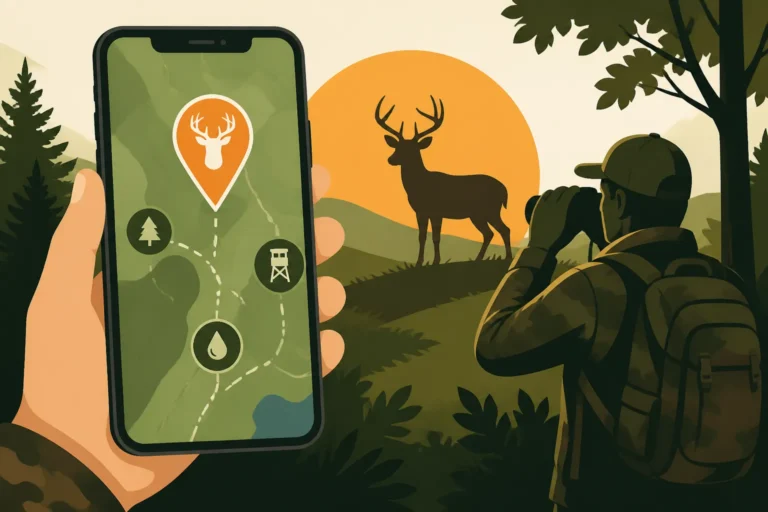
Start by looking at maps. Really dive into them. Aerial photography, available through platforms like the Wisconsin DNR's Hunt Wild App or advanced mapping tools like GoHunt, is your best friend here. Look for small woodlots, creek bottoms, overgrown fencelines, and unkempt corners of fields that might connect larger chunks of cover. Pay close attention to parcels that are adjacent to public land or larger, actively hunted private properties. These are prime candidates for holding pressured game.
Consider what local deer need: food, water, and cover. Even a small five-acre swamp can be a significant bedding area if it offers good security cover and is close to a food source like an agricultural field. Small brushy draws in the Driftless Area, or dense cedar thickets in parts of the Northern Forest, even if confined to a few acres, can be goldmines. Don't limit yourself to obvious "hunting" properties; sometimes the most unassuming patch of woods holds the most promise.
Crafting Your Approach to Landowners
Once you’ve identified a potential property, the real work begins: asking for permission. This isn't just about knocking on doors; it’s about making a positive impression and building trust. Start with a respectful phone call or a handwritten letter before showing up unannounced. Clearly state who you are, what you’re looking for (e.g., archery deer hunting, turkey hunting), and emphasize your commitment to safety and respect for their property. When you do approach in person, always be neat, polite, and prepared.
Bring an aerial map of their property, perhaps even highlighted with the specific area you're interested in. This shows you've done your homework and respect their boundaries. Offer to help with chores around the property, share your harvest, or even help with nuisance animal control if that's a concern for them. Remember, landowners are granting you a privilege, not an obligation. For a deeper dive, check out our guide on how best to approach Knocking on Doors in Wisconsin Farm Country.
What to Offer and Expect When Seeking Access
Landowners might be hesitant, and that’s perfectly normal. Be prepared to answer questions about your hunting ethics, your experience, and how you plan to hunt their property. Emphasize safety above all else. Mention that you're well-versed in Wisconsin Trespass and Permission Law and understand the need for clear communication and boundaries.
| Aspect of Access | Small Private Tracts | Large Public Lands |
|---|---|---|
| Hunter Pressure | Low to moderate (often none) | High (especially opening weekend) |
| Game Consistency | High (if unpressured refuge) | Variable (heavily pressured) |
| Landowner Relation | Direct & personal (crucial) | Impersonal (none) |
| Scouting Effort | Intense, focused micro-scouting | Broad, extensive macro-scouting |
| Habitat Management | Potential for partnership | None by individual hunter |
| Rule Flexibility | Some (with landowner agreement) | Strict DNR rules only |
Many landowners in Wisconsin appreciate hunters who are willing to take antlerless deer, especially if they have crop damage issues. Offering to help manage their deer herd can be a huge selling point. Clarify expectations regarding things like vehicle access, where you'll park, and if they're comfortable with you using a treestand or ground blind. And yes, in Wisconsin, it's always best to get Do You Need Written Permission in Wisconsin? especially if you're not personally known to the landowner. It protects both parties and clarifies the terms of your access.
Strategies for Scouting and Hunting Small Parcels
Hunting small tracts requires a different mindset than vast public lands. You're not looking to cover miles; you're looking to understand every inch of a confined space and how deer or turkeys use it.
Intensive Micro-Scouting Techniques
With limited acreage, your scouting needs to be incredibly detailed. Instead of just looking for general sign, you're pinpointing specific travel routes, bedding areas, and feeding zones. Use your GoHunt app or other aerial maps to identify potential funnels, thick cover patches, or subtle elevation changes that could influence game movement. Walk the property lines to understand how deer might enter and exit, especially if adjacent properties have heavy pressure or different habitat types.
Look for rubs, scrapes, and old droppings to identify historical deer movement patterns. Pay close attention to natural pinch points created by terrain features, old fences, or changes in vegetation. A small, often overlooked detail like a downed tree or a small ditch can become a critical travel corridor or a bedding hideout on a tiny parcel. Understanding Reading Aerial Photos for Coulee Deer can be especially helpful in these situations, as even subtle contours can reveal how deer move through limited space.
Adapting Hunting Tactics for Limited Space
Hunting small tracts often means you'll be close to property boundaries or even homes, so silent entry and exit are paramount. Consider using ground blinds, which are easy to set up quietly and can be brushed in naturally to conceal your presence. If using a treestand, focus on routes that minimize disturbance to the property, even if it means a longer walk around the perimeter.
When it comes to calling, be mindful of the confined space. Soft grunts and subtle bleats are often more effective than aggressive rattling or loud calling, especially if deer are already somewhat contained within the parcel. You're not trying to pull deer from a mile away; you're trying to coax them a short distance into shooting range. If you find yourself in a bait-banned county, our guide on Hunting Without Bait in a Banned County offers excellent alternatives that are particularly effective on smaller, unpressured properties.
Optimizing Stand and Blind Placement
On small parcels, stand placement is critical. You'll likely only have one or two truly effective setups. Focus on areas that offer excellent concealment, a clear shot lane, and an entry/exit route that won't alert deer. Look for points where multiple deer trails converge, or where a thicket meets an open feeding area. The wind direction is even more crucial on small parcels, as your scent will quickly disperse across the entire property. Have multiple stand options for different wind directions.
Consider the time of day you'll be hunting. A stand overlooking a small food plot or a well-used trail leading to a crop field might be best for evening hunts, while a setup closer to a bedding thicket could be perfect for morning or mid-day sits. Remember, these deer might be pressured from surrounding areas, so they're often moving cautiously. Give them every reason to feel secure on your small piece of ground.
Building and Maintaining Positive Landowner Relationships
Securing access to private land is one thing; keeping it for years to come is another. A strong, positive relationship with the landowner is the bedrock of successful private land hunting.
Communication is Key
Don't just show up on opening day. Regular, respectful communication is vital. A quick call or text a few weeks before the season opens to let them know you’ll be out scouting or hanging a stand is a great way to show respect. After the season, a thank-you note or a small gift (perhaps some venison if you were successful) goes a long way. Always inform them when you'll be on their property and let them know when you’ve left.
If you observe any issues on their property, like damaged fences, downed trees, or suspicious activity, report it to them. This shows you care about their land and are a responsible steward. This level of engagement often turns a simple hunting permission into a lasting friendship.
Respecting Property and Expectations
Adhere strictly to any rules or requests the landowner has, no matter how minor they seem. If they say no vehicles, don't drive your ATV. If they want you to stick to a certain part of the woods, don't wander. Leave no trace – pack out everything you pack in, and then some. Make sure gates are closed, no trash is left, and any game you harvest is handled discreetly and respectfully.
Always be aware of property lines, especially with your shot. Knowing Wisconsin Trespass and Permission Law isn't just about getting access, it's about avoiding accidental trespass when retrieving game. If a deer runs onto a neighbor's property, do not pursue it without first obtaining permission from that neighbor, or if impossible, from the initial landowner who may be able to help. This attention to detail reinforces your trustworthiness.
Offering Assistance and Sharing the Bounty
One of the best ways to solidify a relationship is to offer help beyond just hunting. Ask if they need help with chores, especially if they’re elderly or have physical limitations. Clearing brush, fixing fences, or helping with other tasks can be invaluable. If you harvest an animal, offering some fresh venison is a classic gesture of appreciation and a great way to share the success.
This isn't just about quid pro quo; it's about genuinely caring for the land and the person who owns it. When you show that you're not just there for the hunt but also value the relationship and the property, you'll often find yourself with access for years, and possibly even referrals to other landowners. This long-term thinking is what separates a one-time hunter from a respected partner.
Disclaimer
Hunting is an inherently dangerous activity. Always prioritize safety, understand and adhere to all Wisconsin hunting regulations, and ensure you have proper training and equipment. The information provided here is for informational purposes only and should not replace official DNR guidelines or professional instruction. Always obtain explicit permission before entering private land.