Hunting Sharptails on Wisconsin Barrens
Hunting sharptails on Wisconsin's barrens is an experience unlike any other, often leaving hunters feeling frustrated and a bit lost if they're not familiar with this unique bird and its specialized habitat. Many folks are used to chasing ruffed grouse in dense timber or pheasants in agricultural fields, but the vast, open, and sometimes deceptively thick barrens present a whole new set of challenges, from finding the birds to navigating the landscape. This guide aims to pull back the curtain on sharptail hunting, offering practical advice and a deeper understanding of what it takes to successfully pursue these magnificent prairie grouse in the Badger State.
Understanding Wisconsin's Sharptail Habitat
Sharptails are not your typical woodland grouse. They are creatures of open country, dependent on specific habitats that, unfortunately, have become increasingly rare in Wisconsin. To even begin to consider hunting them, you first need to understand where they live and why.
The Unique Ecosystem of Pine Barrens
Wisconsin's pine barrens are a truly special ecosystem, characterized by sandy soils, frequent fires, and a mix of jack pine, scrub oak, aspen, and vast expanses of grasses and sedges. This isn't dense forest, nor is it agricultural land; it's a transitional landscape that acts as a vital sanctuary for numerous unique species, including the sharp-tailed grouse. These areas historically covered much more of northern Wisconsin but have been significantly reduced due to fire suppression and conversion to other land uses. Today, dedicated efforts are underway to restore and maintain these critical habitats, predominantly in the northwestern parts of the state. Counties like Douglas, Burnett, and Washburn are key areas where you might find suitable barrens habitat, often managed specifically for these birds. Understanding this unique landscape is the first step to understanding the birds themselves.
Key Vegetation for Sharptail Survival
Within these barrens, sharptails aren't just anywhere. They have specific preferences for different types of vegetation that provide food, cover from predators, and nesting sites. Think of it as a mosaic, where different plant communities fulfill different needs.
- Grasses and Forbs: Large expanses of native grasses, like big bluestem and switchgrass, combined with various wildflowers (forbs), are crucial for nesting and brood-rearing. These areas also provide insects, a vital food source for young chicks.
- Scattered Shrubs and Saplings: Thickets of scrub oak, hazel, and young aspen stands offer critical escape cover from aerial predators and a place for birds to loaf during the day. While you might be used to Hunting Wisconsin Aspen Cuts for ruffed grouse, for sharptails, these aspen pockets are more about cover within the open landscape rather than the primary hunting ground itself.
- Open Patches: Sharptails need clear, open areas for their elaborate lekking (dancing) grounds in the spring, though this isn't directly relevant to fall hunting. However, it signifies their preference for unencumbered spaces.
When scouting, look for these specific habitat components. A good aerial map, perhaps from an app like GoHunt or even the Wisconsin DNR's public access lands maps, will show you the mosaic of vegetation types that make up these valuable barrens. Knowing how to read these maps and identify likely sharptail pockets is paramount to success. You can also dive deeper into the specific regions by looking into Sharp-Tailed Grouse Range in Wisconsin.
Essential Sharptail Hunting Tactics
Unlike some other game birds, hunting sharptails often involves covering a lot of ground and employing specific strategies to find and flush them effectively. They are wily birds, and a direct approach often won't cut it.
Scouting for Sharptail Sign
Before you even step foot in the field with a shotgun, effective scouting is your best friend. Sharptails, like many grouse, leave behind clues about their presence, but you need to know what to look for.
- Droppings and Dusting Bowls: Sharptail droppings are typically larger and coarser than ruffed grouse droppings, often found in concentrated areas where birds feed or roost. Dusting bowls, shallow depressions in dusty or sandy soil where birds take dust baths to maintain their plumage, are also clear indicators of recent activity. Look for these near the edges of cover, especially in sandy areas.
- Tracks: In soft ground, you might find their distinctive three-toed tracks. Sharptails have larger feet than ruffed grouse, and their tracks reflect that.
- Food Sources: Pay attention to what's ripe and available. Sharptails feed on a variety of berries, seeds, and buds. In late summer and fall, this might include blueberries, cranberries, hawthorn berries, or the seeds of various grasses and forbs. If you find a patch of their preferred food that's been recently browsed, you're in the right area.
Using mapping tools, whether it's the Scouting With the Wisconsin Hunt Wild App or a dedicated hunting app like GoHunt, can help you identify prime habitat areas before you ever leave home. Mark down potential dusting areas, food plots, or dense cover pockets that stand out. This pre-season reconnaissance can save you countless miles of aimless walking.
Walking Strategies and Dog Work
Hunting sharptails is often a team effort between hunter and dog, but even without a canine companion, smart walking strategies are crucial. These birds are known for holding tight, but they can also run and flush wild, especially if pressured.
- Zig-Zagging the Barrens: Sharptails rarely sit in one convenient spot. You'll need to cover ground systematically. A zig-zag pattern across likely cover, focusing on the edges where different habitat types meet (e.g., grass transitioning to scrub oak), is often effective. Don't be afraid to walk through seemingly empty expanses of grass; a lone sharptail might be tucked down tight.
- The Indispensable Bird Dog: For sharptails, a good pointing dog is almost essential. Pointers like German Shorthaired Pointers, English Setters, or Brittanys excel in covering the expansive barrens and locking up on scent. Their ability to find and hold birds allows the hunter to move into position for a shot. Sharptails will often run before flushing, and a dog's keen nose can help track and pin them down. If you're running a dog, make sure they are well-conditioned for the long miles and potentially tough terrain. Consider investing in quality Bird Dog Gear for Wisconsin Cover to protect your companion.
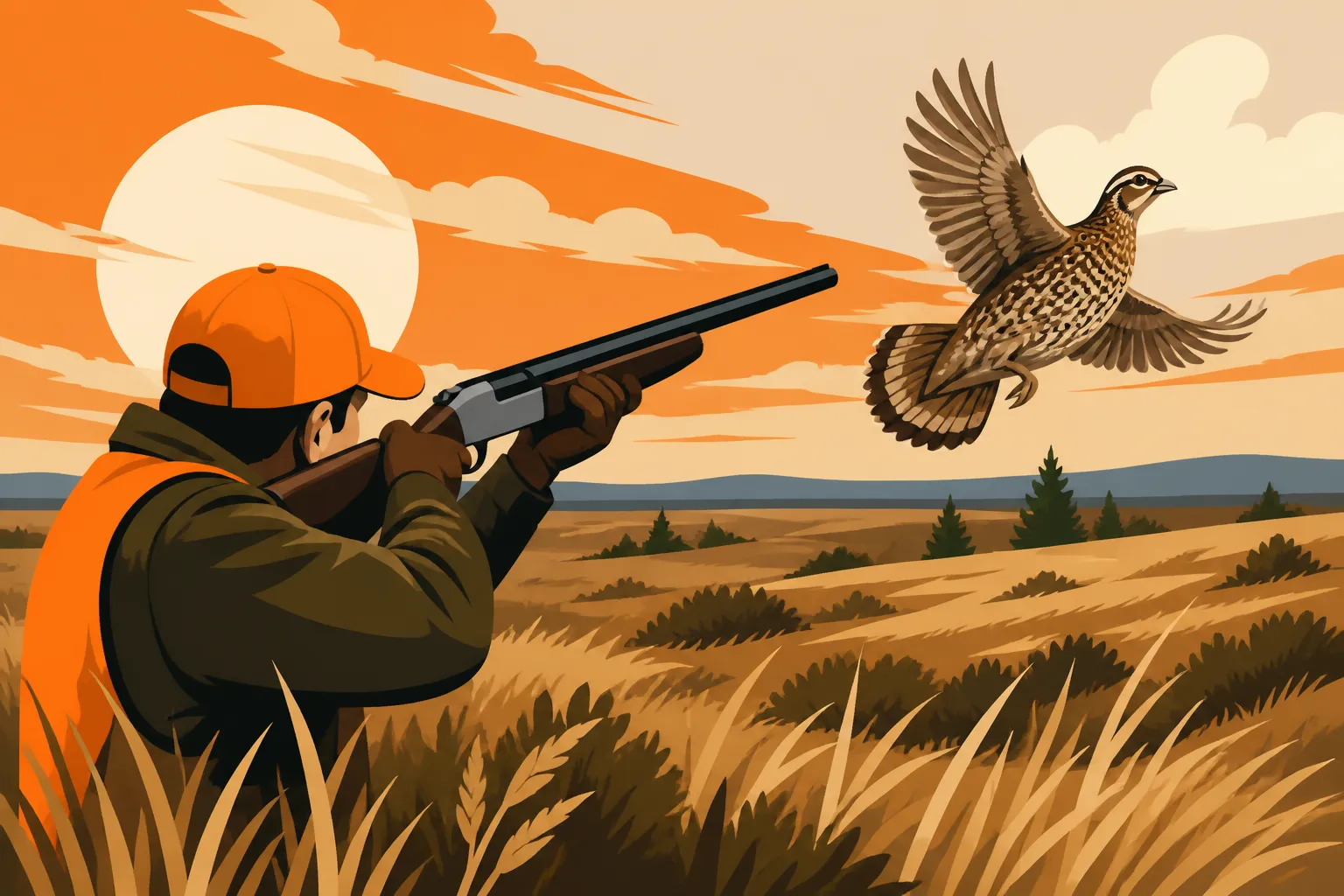
- Flushing and Re-flushing: When a sharptail flushes, it's often with an explosive burst of wings, but they typically fly relatively straight and land in similar cover nearby. Pay close attention to where the bird goes. If you can mark its landing spot, a careful, deliberate approach for a re-flush often yields another opportunity. However, remember that these birds can be elusive; sometimes, they'll just disappear.
Shot Selection and Safety in Open Cover
Hunting in the barrens often presents different shooting scenarios than dense timber. While the cover might seem open, the actual shooting lanes can still be tricky, and safety is always paramount.
- Choke and Shot Size: Given the potential for longer flushing distances in open country, a modified or improved modified choke is often a good choice. For shot size, 6s or 7.5s are common for grouse, but some hunters prefer 5s for the slightly larger body of a sharptail and to provide a bit more punch at extended ranges. When considering Upland Guns for Aspen and Alder, remember that for barrens, a slightly longer barrel might be less cumbersome than in truly thick stuff, but a fast-swinging gun is still key.
- Wider Visibility, Still Mindful of Background: The open nature of the barrens means you generally have better visibility than in a typical ruffed grouse covert. However, always be aware of your background. Horizon lines can be deceptive, and even a relatively flat landscape can have subtle rises or depressions that hide other hunters or obstacles. The wide-open space also means sound travels further, so be extra cautious with your calls and movements.
- Hunter Safety and Communication: Always wear blaze orange or blaze pink, as required during many hunting seasons. Given the expansive nature of the barrens, having a reliable means of communication, like a two-way radio or a fully charged phone with a hunting app like GoHunt, is a smart idea. Make sure everyone in your hunting party knows the plan and sticks together, or at least knows where everyone else is.
Gear and Considerations for Barrens Hunting
Successfully hunting sharptails in Wisconsin requires specific gear to handle the unique terrain, weather, and hunting style. Being prepared will make your hunt much more enjoyable and productive.
Footwear and Clothing for Barrens Terrain
The barrens can be deceptively rugged. Sandy soils can be soft and tiring to walk through, while scrubby vegetation can be tough on clothing.
- Rugged, Comfortable Boots: You'll be covering miles, often on uneven terrain. A sturdy, comfortable, and waterproof pair of boots is non-negotiable. Look for boots with good ankle support and aggressive tread for traction in sand and over downed timber. Brands like Irish Setter or Danner are popular among upland hunters for their durability and comfort.
- Durable Brush Pants or Chaps: Walking through thick, thorny hazel brush or scrub oak can tear up ordinary pants in no time. Brush pants made of tough materials like canvas or synthetic blends, or a good pair of briar chaps worn over your regular hunting pants, will protect your legs and extend the life of your gear.
- Layered Clothing: Wisconsin weather, especially in the fall, can be unpredictable. Start with a moisture-wicking base layer, add insulating layers like fleece or wool, and top it with a windproof and water-resistant outer shell. This allows you to adjust to changing temperatures and activity levels. Remember, even though the barrens might seem open, you'll still need appropriate How Much Blaze Orange Wisconsin Requires or pink.
Firearms and Ammunition
Your choice of shotgun and ammunition can significantly impact your success rate in the barrens.
- Lightweight, Fast-Swinging Shotgun: Given the amount of walking and the often quick, explosive flushes of sharptails, a lightweight, fast-swinging shotgun is ideal. Many upland hunters prefer 20-gauge shotguns for their lighter recoil and portability. A double-barrel (side-by-side or over-under) offers quick follow-up shots and two choke options. When thinking about the Best Shotgun Gauge for Wisconsin Grouse, the 20 gauge is a fantastic all-around choice.
- Non-Toxic Shot Requirements: Always double-check the regulations for the specific hunting area. While lead shot is generally legal for upland game on private lands, many public hunting grounds, especially state wildlife areas and national wildlife refuges, require the use of non-toxic shot (e.g., steel, bismuth, tungsten-matrix). Be prepared with the right ammunition before you head out. This is a critical detail that can easily be overlooked.
Navigation and Communication
Getting lost in the expansive barrens is a real possibility, especially if you're focusing intently on hunting. Reliable navigation and communication tools are essential for safety.
- GPS Unit or Smartphone App: A dedicated GPS unit or a reliable smartphone app (like GoHunt or onX Layers for Wisconsin Land Status) with downloaded maps is crucial. These tools allow you to track your movements, mark waypoints (like your vehicle or areas of activity), and ensure you stay on public land and don't trespass. Cell service can be spotty in remote barrens, so make sure your maps are available offline.
- Compass and Map: Always carry a traditional compass and a physical map as a backup, even if you rely heavily on electronics. Batteries die, and devices fail. Knowing how to use these old-school tools can literally be a lifesaver.
- Two-Way Radios: If hunting with a partner, two-way radios provide a reliable way to communicate, especially if you spread out to cover more ground. They are invaluable for coordinating pushes or letting others know you've found birds.
Conservation and Management of Sharptails
Hunting sharptails in Wisconsin is a unique privilege, not just a casual pursuit. Their continued presence is a testament to dedicated conservation efforts, and understanding these aspects adds a deeper layer of appreciation to the hunt.
Historical Decline and Recovery Efforts
Sharptails were once much more widespread in Wisconsin, thriving in the vast natural barrens created by frequent wildfires. However, as human settlement increased, fire suppression became common, and vast tracts of barrens were converted to agriculture or allowed to succeed into dense forest. This led to a dramatic decline in sharptail populations.
Today, groups like the Wisconsin Sharp-tailed Grouse Society and the Wisconsin Department of Natural Resources (DNR) are actively working to restore and maintain barrens habitat. This involves prescribed burning, mechanical tree removal, and planting native grasses and shrubs. These efforts are often focused on specific management areas, which is why researching Sharptail Management Areas in Wisconsin is so important for hunters. Without these proactive management strategies, the opportunity to hunt these remarkable birds would likely vanish.
Permitting and Regulations
Hunting sharptails in Wisconsin is not like hunting ruffed grouse, where a general small game license is usually all you need. Due to their limited population and specific management needs, Wisconsin requires a special permit to hunt sharp-tailed grouse.
- Annual Permit Application: Hunters must apply for a specific sharp-tailed grouse permit through the Wisconsin DNR's Go Wild system, usually during a designated application period. These permits are limited in number and allocated via a drawing system.
- Specific Harvest Zones: The permits are often tied to specific harvest zones, reflecting where viable sharptail populations exist. It's crucial to understand these zones and which one your permit is valid for. You can find detailed information on Wisconsin Sharp-Tailed Grouse Harvest Zones on the DNR website.
- Reporting Requirements: Successful hunters are typically required to register their harvest and sometimes submit a wing or other biological samples to the DNR for monitoring purposes. This data is vital for assessing population health and informing future management decisions. Always check the current year's Wisconsin Small Game and Furbearer Seasons regulations for the most up-to-date information.
The Future of Sharptail Hunting
Hunting sharptails offers a unique connection to Wisconsin's wild past and its ongoing conservation story. It’s an opportunity to experience a truly distinctive bird in a truly distinctive landscape. As hunters, we play a crucial role in supporting these conservation efforts, whether through purchasing permits, volunteering for habitat projects, or simply adhering to regulations that ensure the species’ long-term viability. The future of sharptail hunting in Wisconsin hinges on continued habitat restoration and careful management. By understanding the birds, their habitat, and the regulations, you become part of the solution, helping to ensure that future generations can also experience the thrill of chasing these magnificent prairie grouse across the barrens.
Disclaimer
The information provided in this guide is for general informational purposes only and is not a substitute for official Wisconsin Department of Natural Resources (DNR) regulations. Hunting laws and regulations can change frequently. It is the responsibility of every hunter to consult the most current Wisconsin hunting regulations pamphlet and relevant DNR resources before participating in any hunting activity. Always prioritize safety and ethical hunting practices.