How a Wisconsin Bear Hound Race Works
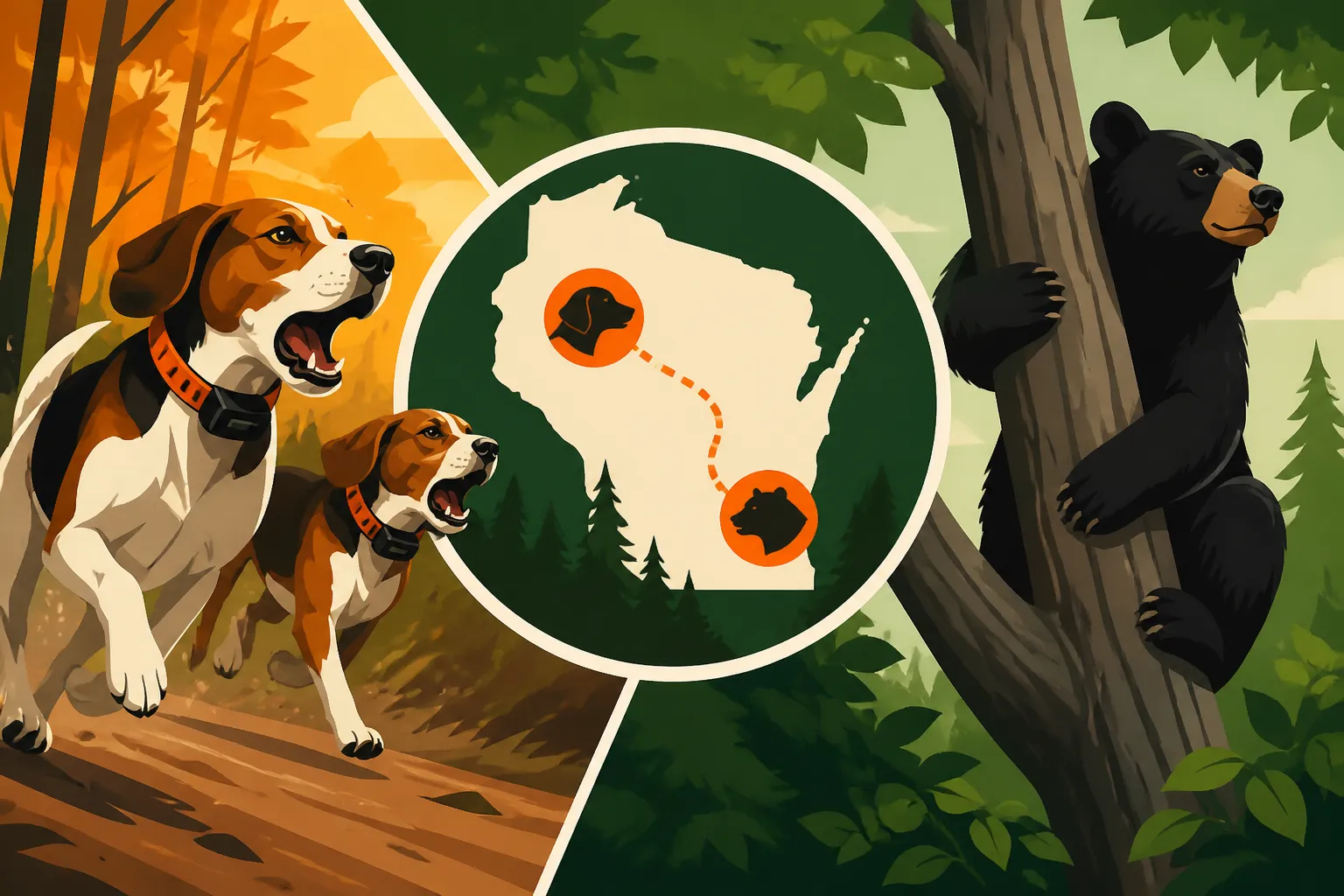
Many folks hear the term "bear hound race" in Wisconsin and picture something like a dog sled competition, or maybe even a race between different groups of dogs, but the reality for hunters is far different. It's not a race against other hunters or even a timed event; instead, it describes the exhilarating, often grueling, chase where a pack of specially trained dogs tracks a black bear through the dense forests. This guide will peel back the layers, explaining exactly what goes into a Wisconsin bear hound chase, from the initial preparation to the moment a bear is treed.
Demystifying the "Bear Hound Race"
The phrase "bear hound race" can certainly conjure up some interesting images, perhaps even misleading ones, for those unfamiliar with this traditional hunting method in Wisconsin. It's easy to misunderstand, especially if your only exposure to "racing" involves horses or cars. But in the context of hunting, it's a completely different animal, pun intended.
The True Meaning of the Term
When Wisconsin hunters talk about a "bear hound race," they are referring to the pursuit itself – the extended chase that a pack of trained scent hounds undertakes as they track a bear. It's a testament to the dogs' endurance, training, and incredible sense of smell, as well as the hunter's skill in following and managing the pack. There's no starting gun, no finish line, and no medal at the end, at least not in the traditional sense. The "race" is simply the act of the dogs running down the scent trail of a bear until they either bay it on the ground or, more commonly, tree it. This method has a long history in Wisconsin, particularly in the northern parts of the state where vast tracts of forest provide the perfect habitat for both bears and the pursuit itself. Understanding Running Bear Hounds in Northern Wisconsin provides even more context to this specialized hunting tradition.
It's a dynamic and unpredictable event that can last for minutes or stretch into many hours, covering significant distances over challenging terrain. The excitement comes from the dogs' baying as they pick up a hot trail, the adrenaline of monitoring their progress, and the anticipation of what awaits at the end of the chase. For the hunter, it's an immersive experience that deeply connects them to the wilderness and the instincts of their canine partners. It's also important to remember that this specific method of hunting is regulated, with Wisconsin Bear Season Dates by Method outlining when it's permissible to pursue bears with hounds.
The Critical Role of Scent and Instinct
At the heart of any successful bear hound chase is the dogs' unparalleled ability to follow a scent trail. Bears, being large mammals, leave a distinct scent in their tracks, on vegetation they brush against, and even in the air. Hound breeds, such as Plott Hounds, Walkers, and other coonhound variations, are selectively bred for their powerful noses, stamina, and determination to stick to a trail. These dogs possess an innate instinct to chase and vocalize when on a hot scent, and rigorous training refines these natural abilities into a highly effective hunting tool. The "race" is entirely dictated by the bear's movements and the dogs' ability to unravel its path.
The dogs aren't just running blindly; they're interpreting a complex tapestry of odors, wind conditions, and terrain features. A cold trail might only elicit a whimper or a low chop, while a fresh scent will ignite a full chorus of bays and chops as the pack picks up speed. This communication between the dogs, through their various barks and calls, is crucial for the hunters listening in. It tells them how hot the trail is, the general direction of travel, and the intensity of the pursuit. This innate skill, honed over generations, is what makes bear hound hunting possible and so captivating for those who participate.
The Foundation: Preparation and Training
Successful bear hound hunting isn't something that just happens spontaneously. It requires immense dedication, planning, and year-round effort. The preparation phase is just as critical as the actual chase, laying the groundwork for a safe, ethical, and successful hunt. This isn't just about putting dogs in the woods; it's about a deep understanding of bears, dogs, and the Wisconsin landscape.
Strategic Scouting and Bear Sign
Before the season even opens, dedicated bear hunters are out in the woods, long before their Wisconsin Bear Preference Points and Zones might indicate a chance at a tag. They're not necessarily looking to chase bears yet, but rather to understand bear activity. This involves extensive scouting for signs like tracks, scat, rubbed trees, and most notably, active bait sites. While the actual chase is done with dogs, many hunters use bait sites to initially draw bears into an area and learn their patterns. Setting up and maintaining a proper bait site is an art in itself, and understanding Building and Freshening a Wisconsin Bear Bait is key. Hunters frequently use trail cameras to monitor these sites, helping them to gauge the size and number of bears in a specific location.
This strategic scouting is vital for a few reasons. First, it helps hunters identify areas with a healthy bear population and active bear movement, increasing the odds of finding a track. Second, by understanding bear travel patterns, hunters can plan where to release their dogs for the best chance of a successful chase that doesn't immediately lead to difficult, impassable terrain or private land where permission hasn't been secured. Furthermore, monitoring Wisconsin bear population trends helps hunters understand the overall health and distribution of the bear population they are targeting.
Developing a Pack of Capable Hounds
A well-trained pack of hounds is the cornerstone of bear hunting with dogs. These aren't just pets; they are specialized athletes and intelligent hunting partners. Training begins long before they ever encounter a live bear. Pups are introduced to bear scents through hides or training cages, teaching them what to chase. As they mature, they participate in training runs, often on leashed bears or in areas known for bear activity, to build their tracking skills and stamina. A good pack typically consists of several dogs, each with a specific role, from the lead dog that opens the trail to the younger dogs that learn from the veterans.
This conditioning is a year-round commitment. Dogs need regular exercise to maintain the stamina required for a multi-hour chase over rough terrain. Their diet is carefully managed, and their health is meticulously monitored. Hunters spend countless hours in the off-season working with their dogs, fostering their natural instincts, reinforcing commands, and building the cohesive teamwork essential for an effective pack. They learn to ignore deer and other non-target species, focusing solely on bear scent. This deep bond between hunter and hound is not just about control; it's about trust and understanding, crucial for effective hunting and for the dogs' safety.
Assembling Your Essential Gear
Going into the Wisconsin wilderness after a bear with hounds requires more than just a rifle or bow. It's an equipment-intensive endeavor, both for the hunters and their canine companions. For the hunter, reliable navigation is paramount. This means high-quality GPS units or robust hunting apps like those found on GoHunt, which are essential for tracking the dogs and ensuring you don't get lost in vast public lands like the Chequamegon-Nicolet National Forest. Radios for communication within the hunting party are also crucial, especially when spread out across rugged terrain.
For the dogs, specialized gear is equally important. GPS Collars and Wisconsin Bear Hounds are non-negotiable; these allow hunters to track their dogs' real-time location and speed, which is critical for safety and strategic decision-making. These collars often transmit data directly to handheld devices or smartphone apps, providing an invaluable lifeline to the pack. Other essential items include dog protective vests to guard against cuts and scrapes from brush, water bottles for hydration during the chase, and leashes for when the bear is treed. Don't forget a first-aid kit for both humans and canines, as accidents can happen deep in the woods. Having the right gear, and knowing how to use it, is fundamental to a successful and safe "race."
| Gear Item | Purpose | Importance | Hunter/Dog |
|---|---|---|---|
| GPS Unit/App | Tracking dogs, navigation, marking waypoints | Essential | Hunter |
| Two-Way Radios | Communication between hunting party members | High | Hunter |
| GPS Collars | Real-time dog tracking, safety | Critical | Dog |
| Protective Vests | Guard against cuts/scrapes from brush | High | Dog |
| Water Bottles/Bowls | Hydration for dogs and hunters | Essential | Both |
| Leashes/Couplers | Control of dogs at the tree/vehicle | High | Dog |
| First-Aid Kits | Emergency treatment for injuries | Essential | Both |
| Headlamps | For tracking after dark or early mornings | High | Hunter |
| Bear Bait Barrels (pre-season) | Attracting and monitoring bears | High (pre-hunt) | Hunter |
| Good Boots/Clothing | Comfort, protection, appropriate for conditions | Essential | Hunter |
The Heart of the Action: The Chase
Once the preparation is complete, and the season is open, the real excitement begins. The chase itself is a dynamic, unpredictable event that tests the limits of both the dogs and the hunters. It's a true wilderness experience, requiring quick decisions, physical endurance, and a deep trust in your hounds.
Releasing the Pack
The decision to release the hounds is often made at a fresh bear track, perhaps found during early morning scouting or at an active bait site. Hunters will assess the track's freshness, size, and direction to determine if it's a desirable bear to pursue. Once a suitable track is located, the dogs are brought in, often restrained but eager, to smell the scent. The moment of release is electric; the hounds explode into the woods, their baying quickly fading into the distance as they pick up speed on the trail. This initial burst of energy is thrilling, and it's when the "race" truly begins.
From this point, the hunters' primary job is to monitor the dogs' progress using their GPS devices. The screen, often displaying on a GoHunt map, becomes a real-time window into the chase. The dogs' tracks, speed, and distance from the hunters provide crucial information. A steady, fast pace usually means a hot trail, while slowing speeds or erratic movements might indicate a confused dog or a bear that's doubling back. The hunters listen intently to the barks and bays, trying to decipher the subtle nuances of the hounds' communication, even when they are miles away. This phase of the hunt requires patience, but also the readiness to move quickly if the dogs' track indicates the bear is headed into challenging or undesirable areas.
Navigating the Landscape with GPS and Radios
Following a pack of hounds through the Wisconsin wilderness is a physical and mental challenge. The dogs aren't following human trails; they're going straight through thick brush, over fallen timber, across wetlands, and up and down steep ridges. Hunters, on the other hand, often attempt to follow logging roads, ATV trails, or even old deer trails to keep pace or get ahead of the dogs. This is where tools like GoHunt become invaluable. With detailed topographic maps and satellite imagery, hunters can identify potential shortcuts, anticipate the bear's likely escape routes, or predict where the dogs might lead them. As a guide on Following a Bear Race by Truck and GPS suggests, strategy is key to staying with the hounds.
Communication within the hunting party is equally important. With the dogs potentially covering many miles, hunters often spread out, with some trying to cut off the bear's escape or position themselves for a potential shot. Two-way radios allow them to coordinate efforts, share updates on the dogs' locations, and ensure everyone is aware of the situation. This team effort is critical for managing the chase, especially if the bear starts to lead the dogs into areas where access is difficult, such as deep swamps or rugged coulees, or if they approach private property lines. Being able to adapt on the fly, relying on both technology and intuition, is what separates a successful chase from a frustrating one.
The Art of the Follow-Up
The "race" isn't just a passive observation; it often involves actively following the hounds, sometimes for miles. This can mean navigating treacherous terrain on foot, or, where legal and practical, using ATVs or trucks on forest roads. The objective is to remain within a reasonable distance of the pack, close enough to respond quickly if the bear trees or bays, but not so close as to interfere with the chase or spook the bear. The hunters are constantly evaluating the dogs' telemetry, listening for changes in their baying, and making calculated decisions about how to best intercept or approach the final stand.
Often, hunters will employ a "leapfrog" strategy, where one part of the team tries to get ahead of the dogs by driving a forest road while another monitors the direct pursuit. This constant dance of prediction and reaction is a core part of the experience. It demands excellent physical conditioning, patience, and a deep understanding of how bears and hounds behave in different types of cover. The goal is always to get to the dogs and the treed bear as efficiently and safely as possible, ensuring the dogs aren't left alone with a potentially aggressive bear for too long.
The Conclusion: The Tree and Beyond
The climax of any bear hound chase is when the bear finally takes to a tree or is bayed on the ground. This moment represents the culmination of all the preparation, training, and hard work, but it also marks a critical juncture where safety, ethics, and responsible hunting practices come to the forefront.
Approaching the Treed Bear Responsibly
When the GPS indicates the dogs have stopped moving and their baying takes on a distinct, consistent rhythm—the "treed" bark—the hunters know they've reached their goal. The approach to the treed bear is perhaps the most crucial part of the hunt. It must be done slowly, deliberately, and with extreme caution. Bears, even when treed, are wild animals and can be unpredictable. The hunters need to ensure the dogs are under control, usually by leashing them at the base of the tree, to prevent them from agitating the bear further or getting injured. This is where the long hours of training with the hounds pay off, as dogs are taught to remain calm and focused when the hunters arrive.
Once at the tree, the hunting party assesses the situation. They confirm it's the bear they intended to harvest, paying attention to its size and any visible identifying marks. The safety of everyone involved—hunters, dogs, and the bear itself—is the top priority. The hunters must ensure a clear, safe shooting lane if they decide to harvest, and they must always have a backup plan should the bear decide to descend the tree. This often involves ensuring all other members of the party are positioned safely and aware of the plan.
Ethical Harvest and Field Care
If the decision is made to harvest the bear, the shot must be deliberate, ethical, and placed to ensure a quick, humane kill. As detailed in resources like Shot Placement on a Black Bear, accuracy is paramount, and hunters are trained to aim for vital organs that will dispatch the animal swiftly. The excitement of the chase gives way to a profound sense of responsibility and respect for the animal. Once the bear is down, the work quickly shifts to field care.
The first step is to ensure the bear is indeed deceased and to manage the hounds, moving them away from the bear if necessary. Then, the process of field dressing begins, which is essential for cooling the meat and preserving its quality, especially during warmer early season hunts. This can be a challenging task given the size of a black bear, often requiring a team effort. Hunters must also adhere to all Wisconsin Department of Natural Resources (DNR) regulations, including immediately tagging the bear and understanding Wisconsin Bear Registration Rules. The process of Handling a Bear After the Shot also involves planning for the difficult task of removing the large animal from often remote areas, whether by dragging, quartering, or using specialized equipment. It’s a physically demanding conclusion to an equally demanding chase, but it’s all part of the tradition for those who participate in Wisconsin’s bear hound "races."
Disclaimer
Please remember that hunting regulations and best practices can change. Always consult the most current Wisconsin Department of Natural Resources (DNR) regulations before heading into the field. Safety should always be your top priority when hunting.