Building and Freshening a Wisconsin Bear Bait
Successfully attracting a black bear to a bait site in Wisconsin isn't just about dumping out a pile of donuts; it's a careful dance between understanding regulations, reading the landscape, and maintaining a consistent, appealing offering. Many hunters get frustrated when their bait goes untouched, or worse, they find themselves on the wrong side of the law due to a simple oversight. This guide is here to demystify the process of building and freshening a bear bait, helping you create a setup that both bears and the Wisconsin DNR will approve of.
Understanding Wisconsin Bear Baiting Regulations
Navigating the rules for bear baiting in Wisconsin can feel like trying to solve a Rubik's Cube blindfolded sometimes. It’s not just about what you can use, but where and when you can use it. The Wisconsin Department of Natural Resources (DNR) takes bear baiting seriously, and staying informed is your first, best line of defense against potential violations.
The Legal Framework and Proximity Rules
First and foremost, you've got to understand the fundamental laws governing bear baiting. Wisconsin has specific regulations on the quantity of bait you can place at any one site, which is currently limited to 10 gallons. This isn't just a suggestion; it's a strict limit designed to ensure fair chase and prevent excessive feeding. It means you can't just keep piling on the goodies without measure.
Beyond quantity, proximity rules are crucial. You can't just set up a bait site anywhere. There are strict minimum distances from roads, established trails, residences, and even water bodies. For instance, bait cannot be placed within 50 yards of the center of a public road or within 200 yards of an occupied dwelling without the owner's permission. These rules are in place not only for safety but also to maintain a certain level of natural experience for other outdoor enthusiasts and residents. Always double-check the current regulations, as they can sometimes be updated.
Permitted and Prohibited Bait Materials
When it comes to the actual bait, Wisconsin has a clear distinction between what's allowed and what's not. Essentially, you're looking for natural, biodegradable food items. Think pastries, candy, fruit, vegetables, meat scraps, or even some types of commercial dog food. These are the kinds of caloric, aromatic items that bears are naturally drawn to. If you're looking for more ideas on What Bear Baiters Use in Wisconsin, there are plenty of proven strategies.
What's absolutely off-limits? Anything that isn't readily biodegradable or could pose a risk to wildlife or the environment. This includes plastics, metal, glass, and any other non-food waste. Packaging materials from your bait, like plastic wrappers or cardboard boxes, must be removed from the bait site. You can't just leave them there to decompose (or not). The goal is to leave no trace that isn't natural. Violating these rules can lead to hefty fines and even loss of hunting privileges, so it pays to be meticulous about your bait choices and site cleanup.
Season Dates and Placement Times
Timing is everything in bear baiting. You can't just throw out bait whenever you feel like it. The Wisconsin DNR sets specific dates for when bait can legally be placed. Typically, this period begins several weeks before the bear hunting season itself, allowing bears enough time to find and become accustomed to the bait. Knowing the Wisconsin Bear Baiting Start Date is critical, as putting bait out too early is a violation.
These start dates are designed to give hunters a fair chance to establish a pattern of bear visits without giving an undue advantage or interfering with other wildlife management efforts. Pay close attention to these dates published annually by the DNR. It's not uncommon for enthusiastic hunters to jump the gun, only to find their efforts—and potentially their hunting season—jeopardized. Patience and adherence to the calendar are key to legal and ethical bear baiting.
Selecting and Preparing Your Bear Bait Site
Finding the perfect spot for your bear bait isn't just about throwing food in the woods; it's a strategic decision that can make or break your hunting season. You need to think like a bear, understand their movements, and ensure your site is both attractive and accessible (for you, not necessarily for every bear in the county).
Scouting for Ideal Bear Habitat
Before you even think about hauling bait into the woods, you need to scout. Bears leave plenty of signs if you know what to look for: tracks in mud or soft ground, scat along trails, rub trees where they've scratched or chewed, and flipped-over rocks or broken logs where they've foraged for insects. These are all indicators that bears are using the area.
Beyond direct sign, look for natural travel corridors. This could be a narrow strip of timber between two swamps, a saddle between ridges, or a dense cedar thicket offering cover. Bears often use these natural funnels. Proximity to water is also a huge plus, as bears need to drink frequently, especially during warmer months. Consider areas with dense cover nearby where a bear might feel secure bedding down after a meal. The more natural bear activity you find, the higher your chances of success. It's also helpful to have an understanding of How Many Black Bears Wisconsin Has in different regions to gauge the potential for bear encounters in your chosen scouting grounds. Don't be afraid to put in the legwork long before the baiting season starts; the more you know about the local bear population and their habits, the better.
Establishing the Physical Bait Site
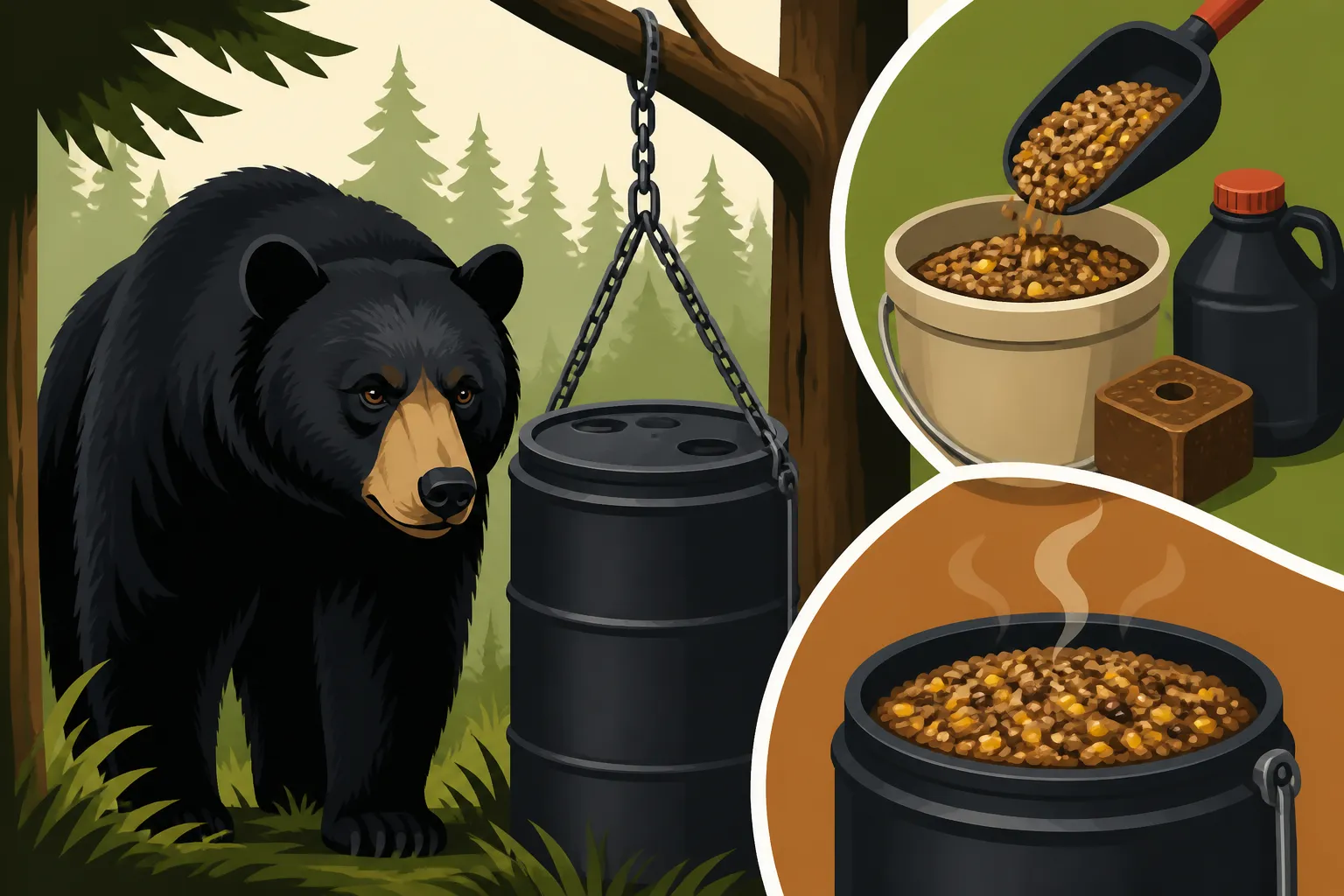
Once you've identified a promising area, it's time to set up the physical bait site. The most common setup involves a sturdy barrel or container that can hold a significant amount of bait and withstand a bear's curiosity and strength. For more detailed information on specific containers, you might want to read up on Bear Bait Barrels and Legal Containers. These barrels are typically secured to a tree using heavy chains or cables to prevent the bear from completely dragging the barrel off into the woods, though they will certainly try! Some hunters also dig a shallow pit and secure the barrel inside, making it even harder for a bear to move.
It's also crucial to clear a shooting lane from where you plan to set up your stand. You want a clear path to the bait, free of branches or thick brush that could deflect an arrow or bullet. This lane should be established before baiting begins to minimize disturbance once bears start frequenting the site. Many hunters also strategically place a Trail Cameras on a Wisconsin Bait Site at this stage, positioned to monitor the bait without disturbing the bears. This camera intel will be invaluable for understanding visit patterns, identifying individual bears, and even discerning if you have a sow with cubs—which you generally want to avoid harvesting.
The Art of Initial Baiting and Consistent Freshening
Getting a bear to your bait is one thing; keeping it coming back reliably is a whole other skill. This involves more than just dumping out food; it requires a strategy for initial attraction and a consistent schedule of replenishment.
Your First Bait Drop: Making an Irresistible Welcome
The initial bait drop is your grand opening, your chance to make a powerful first impression. You want to hit it hard with a large volume of high-calorie, highly aromatic bait to get bears interested and to lay down a strong scent trail. Think of it as "power baiting." A mix of sweet items like stale pastries, candy, and donuts, combined with savory options like meat scraps, dog food, or even fermented grains, creates a complex aroma that travels far.
Don't be shy about creating a scent trail leading to your bait site. You can drag a bag of pungent bait through the woods from a downwind approach, or apply commercial attractants directly to trees around the site. Many hunters use liquid attractants with strong odors like cherry, anise, or even bacon grease. Brands like GoHunt offer a range of specialized attractants designed to maximize appeal and draw bears from a distance. The goal is to announce loudly to every bear in the area that a new, easy food source has appeared.
The Critical Schedule of Freshening Your Bait
Once you've got bears hitting your bait, consistency becomes king. The most critical mistake a baiter can make is letting the bait run out. A bear that arrives at an empty bait site will quickly learn to look elsewhere. In the beginning, especially as bears are discovering your site, you might need to visit every 2-3 days to replenish. Your trail cameras, like those you can manage with a GoHunt subscription service, will be your best friend here, providing real-time intelligence on how quickly the bait is being consumed and by what animals.
As the season progresses and bears become regular visitors, you might be able to stretch out your visits to every 3-5 days, but never let it go empty. A bear's stomach is its master, and if your bait is consistently available, it will become part of their routine. If you have a particularly active site, you might need more frequent visits. Monitoring Trail Cameras on a Wisconsin Bait Site will allow you to adjust your schedule and ensure you're always one step ahead of a hungry bear. This consistent reinforcement trains the bears to rely on your site as a food source.
Diversifying Bait for Sustained Interest
Just like humans, bears can get bored with the same old menu. While they'll certainly devour high-calorie sweets, diversifying your bait can maintain their interest and even attract different bears. Mixing sweet baits with savory baits is a great strategy. For example, a base of pastries and donuts can be topped with a layer of rendered animal fat or a bucket of old fryer grease for added appeal. Adding fruit, vegetables, or even fish scraps can introduce new scents and textures.
Consider what's available and affordable in your area. Many local bakeries and candy shops are happy to get rid of their day-old goods or slightly damaged products. Farmer cooperatives might have spoiled produce, and butchers might offer meat scraps. As the hunting season approaches, and especially as bears prepare for hibernation, their caloric needs increase dramatically. Focusing on high-fat and high-sugar items during the late summer and early fall can be particularly effective. Regularly rotating your bait offerings keeps the site fresh and exciting, encouraging bears to keep returning.
Common Pitfalls and Ethical Considerations
Baiting bears is a privilege, not a right, and it comes with responsibilities. Avoiding common mistakes and adhering to ethical practices ensures a successful and respectable hunt, preserving the resource for everyone.
Avoiding Common Baiting Mistakes
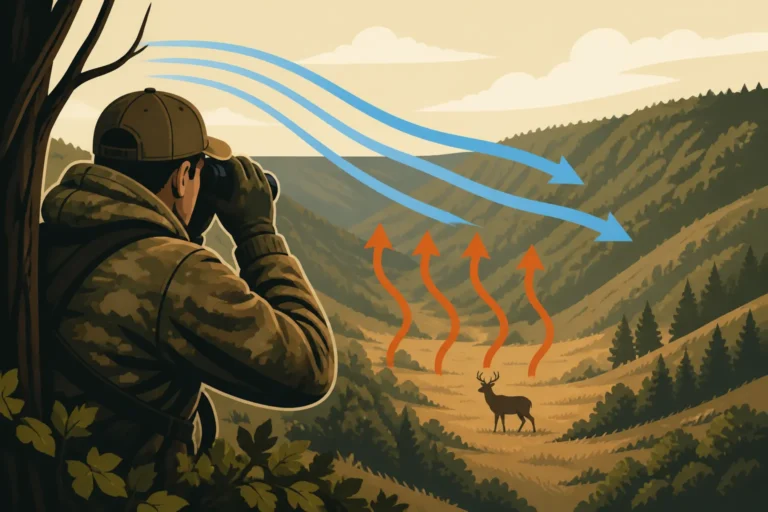
Beyond the legal ramifications, there are several common errors that can sabotage your baiting efforts. The most frequent mistake is inconsistency – either not putting out enough bait or not refreshing it often enough. Bears are smart; if your buffet isn't reliable, they'll move on. Another major pitfall is human scent. Bears have an incredible sense of smell, far superior to a deer's. Every time you visit your bait, you're leaving a scent signature. Minimize this by wearing rubber boots, scent-free clothing, and approaching from a downwind direction.
Another challenge is dealing with non-target animals. Raccoons, coyotes, and even smaller critters can decimate a bait pile quickly. While you can't completely prevent this, securing your bait in a barrel makes it harder for smaller animals to access everything. It’s also important to remember that Hunting Without Bait in a Banned County (for deer) doesn't apply to bears, but it's easy to get rules confused, so always clarify the specific regulations for bear baiting. Finally, avoid placing your stand too close to the bait. While you want a good shot, a bear's keen senses can detect your presence, making them shy away or become nocturnal.
Ethical Practices and Respect for the Resource
Being an ethical bear baiter goes beyond just following the law. It's about being a good steward of the land and respecting the animal you pursue. Always clean up your bait site thoroughly after the season concludes. Remove all barrels, chains, and any non-biodegradable debris. Leaving trash behind not only pollutes the environment but also leaves a negative impression of hunters.
Ensuring a humane harvest is paramount. This means practicing your shot placement and understanding the anatomy of a bear before you ever step into the woods. Reviewing resources on Shot Placement on a Black Bear is crucial. Only take shots when you have a clear, ethical opportunity. If you're unsure, let the bear walk. Respecting other hunters is also vital; be mindful of their proximity and avoid interfering with their bait sites. If you are also interested in Handling a Bear After the Shot, be sure to prepare for proper field dressing and meat care. Always remember to check Wisconsin Bear Season Dates by Method to ensure you are hunting during the legal period for your chosen hunting style. By adhering to these ethical standards, you contribute positively to the perception of hunting and help ensure the future of this amazing pursuit in Wisconsin.
| Bait Type | Pros | Cons | Tips for Use |
|---|---|---|---|
| Pastries/Donuts | High calorie, strong sweet scent, affordable | Can mold quickly, messy | Mix with dry ingredients; get from local bakeries. |
| Candy/Gummy Bears | Very sweet, long-lasting scent | Expensive, attracts small animals | Bury under other bait to deter small animals; use as an initial attractant. |
| Meat Scraps/Fat | High protein/fat, very strong attractant | Spoils fast, attracts scavengers | Mix into a barrel with other baits; use in cooler weather. |
| Dog Food (Dry) | Easy to store, affordable, good base | Less aromatic, can attract deer | Mix with grease or sweet liquids to boost appeal. |
| Fermented Grains | Strong, distinct odor, long-lasting | Takes time to prepare, can be messy | Use in a sealed container initially to develop smell, then add to bait pile. |
| Molasses/Syrup | Powerful sweet scent, binds other baits | Sticky, can attract insects | Pour over other baits or brush onto trees for a scent trail. |
Disclaimer
The information provided in this guide is for general educational purposes only and is not a substitute for official regulations. Hunting laws and regulations in Wisconsin can change, and it is the responsibility of each hunter to consult the most current Wisconsin Department of Natural Resources (DNR) rules and guidelines before engaging in any hunting activities. Always prioritize safety and ethical practices in the field.