Where Northern Forest Bucks Bed
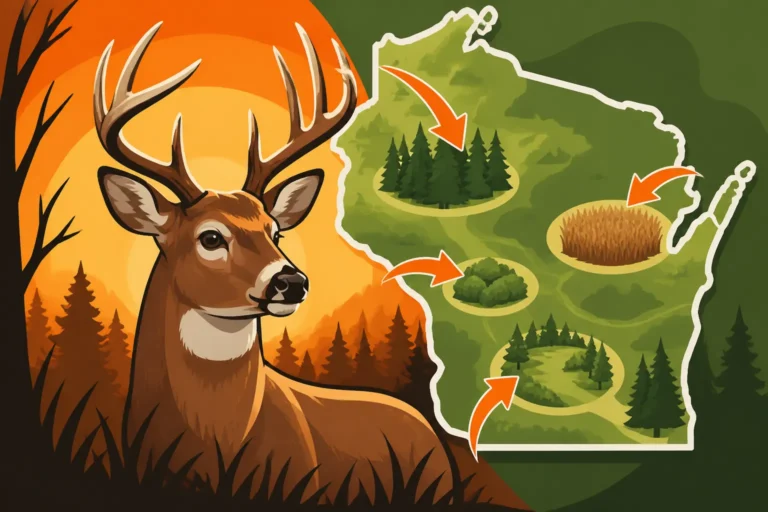
Figuring out where northern forest bucks bed in Wisconsin can feel like trying to find a needle in a vast, emerald haystack. The sheer scale of the Northwoods, combined with often lower deer densities compared to agricultural areas, means that finding those prime bedding locations for mature bucks is one of the biggest challenges a hunter faces. This guide is here to unravel the mysteries of northern forest buck bedding, helping you understand their patterns, preferred habitats, and how to effectively pinpoint these elusive spots.
The Unique Environment of Wisconsin's Northern Forest
Hunting the northern forest is a beast all its own, distinct from the farmland or even the rugged Driftless Area. The terrain here can be relentless – vast tracts of public land, dense conifer swamps, thick aspen regeneration, and a mix of hardwoods and pines. Bucks in this environment often behave differently, placing a higher premium on security and thermal cover over readily available food, which might be a more significant driver in agricultural zones.
Understanding Deer Density and Pressure
One of the first things you'll notice in the northern forest is that deer numbers can be significantly lower than in other parts of the state. This isn't necessarily a bad thing; lower deer densities can often mean a higher percentage of older, more mature bucks. However, it also means that finding those individual deer, let alone a specific buck, requires a more focused and intentional approach to scouting. These bucks are not as accustomed to human presence and will often choose bedding areas that are incredibly difficult to access or see, specifically to avoid pressure. It's a stark contrast to the more tolerant deer you might find closer to human settlements. Hunters who understand the nuances of Northern Forest Deer Density in Wisconsin know that every piece of intel, especially regarding bedding, is gold.
During harsh winters, especially those with deep, persistent snow, How Severe Winters Hit Northern Deer dramatically impacts their survival rates and patterns. This, in turn, influences where they'll bed. They'll seek out dense cover that offers protection from the elements, even if it's not their preferred security cover during milder times. This adaptive behavior is crucial to their survival in a challenging environment.
The Role of Topography and Habitat
Unlike the steep, distinct coulees of the Driftless, northern forest topography can be more subtle but just as important. Small rises, benches, and changes in elevation, even a few feet, can offer a buck a significant advantage in terms of wind currents and observation points. Mixed habitat is also key. A patchwork of mature timber, recent clearcuts, cedar swamps, and alder thickets creates diverse food and cover options that bucks will exploit. The edges where these different habitat types meet often become natural travel corridors leading to and from bedding. Understanding these subtle topographical changes is crucial for locating where bucks will set up shop.
Key Bedding Area Characteristics in the Northwoods
When a northern forest buck picks a spot to lay down, he's not just choosing a random patch of woods. He's making a calculated decision based on a few critical factors: security, thermal regulation, and proximity to food and water, all within the context of prevailing winds.
Security Cover: The Primary Driver
For a mature buck, security is paramount. This means dense cover that breaks up his outline, obstructs views from all directions, and allows him to hear, smell, or see danger approaching long before it becomes a threat.
- Dense Conifer Stands: Cedar swamps, stands of spruce, and thick balsam fir offer excellent overhead cover from the elements and visual screening. These spots are often impenetrable to humans and can be incredibly difficult to navigate, which is exactly why a buck loves them. You'll often find these areas on slightly higher ground within the swamp, giving the buck a dry bed.
- Thick Regeneration: Recent clearcuts, typically 5-15 years old, that have grown into a tangled mess of young hardwoods, pines, or aspen, provide incredible bedding. The dense network of small trees and brush makes it almost impossible for predators (including hunters) to move silently or see more than a few feet. These are often overlooked by hunters due to their difficulty to traverse.
- Blowdowns and Windfall: Areas with heavy blowdowns, where numerous trees have fallen, create natural fortresses. A buck can bed down within the tangled mass of trunks and branches, making it nearly impossible to spot him or approach without making a significant racket. These spots are often found after severe wind events or microbursts.
Thermal Cover: Protection from the Elements
Wisconsin's northern forest experiences extreme temperatures, from brutal winter cold to sweltering summer heat. A buck's bedding choice will reflect his need to regulate his body temperature.
- Winter Bedding: In winter, especially during Hunting Deer in Deep Northern Wisconsin Snow, bucks will gravitate towards those dense conifer stands that offer protection from wind and heavy snow. The thick canopy traps heat, creating a microclimate that can be several degrees warmer than the surrounding open woods. These areas are often south-facing slopes, which catch more sunlight, further warming the bedding site.
- Summer Bedding: During hot summer days, bucks will seek shade and often a slight breeze. North-facing slopes or thick, shady hardwoods can provide respite from the sun. They might also bed closer to water sources, especially during the peak of summer heat, using the cooler, moister air near bogs or small creeks.
- Rain and Snow Bedding: When rain or wet snow is falling, bucks will again seek the thickest cover available, primarily conifers, to keep dry. The dense canopy acts like a natural umbrella, allowing them to remain relatively comfortable even in inclement weather.
Terrain Features for Strategic Advantage
Subtle changes in elevation or unique landforms play a massive role in a buck's bedding strategy, especially for older, wiser deer.
- Points and Ridges: Even a small finger ridge or a point extending into a swamp can be a prime bedding location. A buck bedding on the tip of a point often has wind at his back, allowing him to scent-check behind him, while his eyes and ears cover the open area in front. He can often hear anything approaching from the sides.
- Benches and Terraces: Flatter areas on a slope, known as benches or terraces, are excellent for bedding. They offer a level spot to rest and a slight elevation advantage without being exposed on a prominent hilltop. A buck can often bed just below the crest of a ridge, peering up to detect anything on the skyline while remaining hidden himself.
- Islands within Swamps: Dry islands or slightly elevated humps within a large cedar or alder swamp provide perfect bedding. These spots offer excellent security due to the surrounding wet, difficult-to-traverse terrain, and they often provide a 360-degree view if the vegetation isn't too dense.
Proximity to Food and Water
While security is often the main driver, bucks still need to eat and drink. Bedding areas are usually situated within a reasonable distance of reliable food sources, even if they aren't directly adjacent.
- Edges of Clearings/Openings: A buck might bed in thick cover just off the edge of a food source, such as a recent clearcut with browse, an oak ridge dropping acorns, or a regenerating aspen stand. This allows for easy access to feeding at night, with a quick retreat to safety at first light. Hunters often look for Hunting After an Acorn Failure to understand how bucks might shift their feeding, and thus their bedding.
- Water Sources: Small creeks, springs, or boggy areas are important for hydration, especially during warmer months. Bucks will often have bedding areas within a short walk of a dependable water source.
- Transition Zones: The area where one habitat type transitions to another (e.g., dense conifers meeting hardwoods) can be a goldmine. These transition zones often provide both excellent cover and diverse food options, making them ideal for a buck looking for the best of both worlds.
Seasonal Shifts in Northern Forest Bedding
A northern forest buck isn't a creature of static habits; his bedding locations are highly fluid, adapting to the changing seasons, food availability, and hunting pressure.
Early Season and Pre-Rut Bedding
As Wisconsin's archery season opens, often in early September, bucks are still primarily focused on food and comfort. They haven't fully entered the rut-crazed mode, and their movements are more predictable, revolving around consistent food sources.
- Transition Areas Near Food: In early fall, bucks will often bed in thick cover adjacent to prime feeding areas. This could be a patch of regenerating aspen, a secluded oak ridge dropping acorns, or even some overlooked soft mast. The bedding will be close enough for a short commute to dinner but thick enough to provide security throughout the day.
- Cool, Shady Spots: Early season can still bring warm days. Bucks will prefer cooler, shadier bedding, often on north-facing slopes or within mature conifer stands, especially if they're near water. They prioritize staying comfortable and conserving energy.
- Minimal Pressure Zones: With less hunting pressure, bucks might tolerate bedding in areas they'd abandon later in the season. However, mature bucks are always wary. Even if the pressure is low, they'll still gravitate towards areas that offer maximum escape routes and excellent visibility or scent detection.
Rut-Phase Bedding: Adaptable and Opportunistic
During the peak of the rut, roughly late October through mid-November, a buck's world is dominated by does. His bedding patterns become much less predictable as he actively seeks out and chases receptive does.
- Near Doe Bedding: Bucks will often bed close to where doe groups are known to frequent. This could be a small, thick island in a swamp or a dense patch of regeneration within their preferred range. He's not necessarily bedding with the does, but rather in a strategic position to scent-check them or intercept them as they move.
- "Cruising" Bedding: A rutting buck might bed down wherever he feels secure when he needs a break from cruising. This could be a small thicket in an open hardwood stand, a lone blowdown, or even just a relatively dense patch of young trees. Security is still key, but convenience plays a larger role during this high-energy period.
- Pressure-Driven Shifts: During the nine-day gun season, which often coincides with the tail end of the rut, bucks will move to the thickest, nastiest cover they can find to avoid hunters. These are often the same remote cedar swamps, massive clearcuts, or tangles of blowdowns that are nearly impossible for a hunter to access quietly. This is where Deer Drives With Three or Four Hunters might push them, or where they hole up entirely.
Late Season and Winter Bedding: Thermal and Survival
As winter sets in, and especially after the gun season, bucks shift their focus back to survival: conserving energy and finding thermal cover.
- Heavy Conifer Cover: The thickest cedar, spruce, and balsam fir swamps become prime real estate. These conifers act as natural insulators, providing crucial thermal protection from freezing winds and deep snow. South-facing slopes within these stands are particularly valuable, as they capture what little warmth the winter sun offers.
- Sheltered Valleys and Benches: While often found on high ground in other seasons, in winter, bucks might seek out sheltered depressions or benches that offer a reprieve from bitter winds, especially if those areas also have thick thermal cover.
- Hardwood Overstory, Conifer Understory: A mix of mature hardwoods with a dense conifer understory can also be attractive. The hardwoods provide some mast (if available), and the conifers below offer bedding security and warmth.
- Post-Pressure Relocation: After the intense pressure of gun season, any buck that survived will likely have relocated to the absolute nastiest, most remote cover available. Finding these spots requires extensive scouting and a willingness to go where few others venture. This is where a mapping application like GoHunt can really shine, allowing you to identify these remote, unpressured pockets.
Strategies for Pinpointing Northern Forest Bedding Areas
Finding where northern forest bucks bed isn't about luck; it's about systematic scouting, understanding deer behavior, and using the right tools.
Pre-Season Scouting and Map Study
The work starts long before you ever step foot in the woods during hunting season. This is where your intelligence gathering pays off.
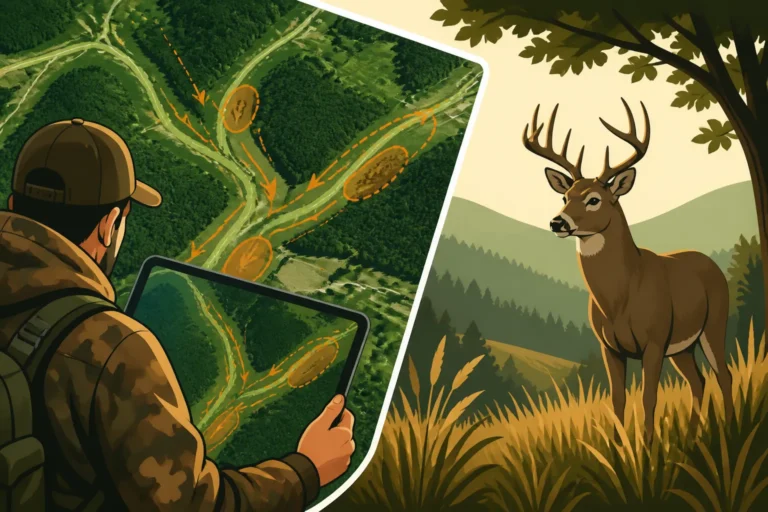
- Topographical and Aerial Maps: Digital mapping tools, like those offered by GoHunt, are indispensable. Look for areas with:
- Dense Green Patches: On aerial photos, dark green usually indicates conifers – prime thermal and security cover. Look for the densest patches.
- Contour Changes: Identify subtle ridges, points, and benches. Deer will use these to their advantage for wind and observation.
- Habitat Transitions: Pinpoint where clearcuts meet mature timber, or where swamps transition to uplands. These edges are often travel corridors to and from bedding.
- Water Sources: Mark any creeks, springs, or ponds. Bucks will need water, and bedding will often be within reasonable range.
- Digital Scouting with GoHunt: Utilize satellite imagery from GoHunt to identify potential bedding areas that are off the beaten path. Look for areas with minimal road access or trails – these often hold less hunting pressure. You can digitally "walk" the terrain and mark waypoints for in-person investigation. Consider how you'll approach these areas, thinking about Entry Routes on Steep Driftless Ground (even though it's Northern Forest, the principle of careful access applies) to avoid alerting deer.
- "Reading the Sign" Remotely: While you can't see tracks on a map, you can identify terrain features that should hold sign. For instance, a dense cedar swamp on a ridge point next to a recent clearcut is a high-probability spot for buck activity.
Boots-on-the-Ground Reconnaissance
Nothing replaces putting in the legwork. Once you've identified potential spots on your maps, it's time to investigate.
- Off-Season Timing: The best time to scout bedding areas is late winter or early spring, after the snow has melted but before green-up. This is when deer sign is most visible, and you're less likely to disturb deer in their active bedding areas. During this time, you can also look for Shed Hunting on Wisconsin Public Land as a bonus, confirming buck presence.
- Look for Definitive Sign: When you're in a suspected bedding area, look for:
- Buck Beds: These are often oval-shaped depressions in the leaves or snow, about the size of a deer, usually with broken vegetation around the edges. They're typically oriented so the deer can see downwind or across its path of entry.
- Rub Lines and Scrapes: While not direct bedding sign, rub lines and scrape lines often lead to or from bedding areas. A heavy rub line heading into a dense thicket is a strong indicator of a buck's daytime sanctuary. For more on this, check out Scrape Lines Along a Logging Road.
- Heavy Trails: Look for well-worn deer trails leading into or out of thick cover. These are highways to and from bedding.
- Walk the Perimeter: Instead of crashing directly into the densest cover, try to walk the perimeter of suspected bedding areas first. Look for entry and exit points, distinct trails, and observation positions. This allows you to gather intel without directly bumping deer.
- Use the Wind: When scouting, always pay attention to the wind. Think like a buck: if you were bedding here, which way would you want the wind coming from to detect danger? This will help you understand why a buck chose a particular spot.
Adapting to Hunting Pressure
Northern forest bucks are extremely sensitive to pressure. The more hunters they encounter, the deeper and nastier their bedding areas become.
- Finding Unpressured Ground: Often, the best bedding areas are found by simply walking further than anyone else. Look for areas that are a mile or more from the nearest road or main trail. Finding Ground Others Walk Past is a critical skill for success in the Northwoods.
- Pressure-Induced Shifts: If an area suddenly sees a lot of hunting pressure, expect bucks to abandon their usual bedding. They'll relocate to areas offering maximum security. This is why having multiple bedding area options scouted is crucial.
- Hunting the Edges: Instead of trying to bust into a known bedding area, consider setting up on the downwind side, 50-100 yards away, along a natural travel corridor that leads out of the bedding. This allows you to intercept a buck as he leaves his sanctuary in the evening or returns in the morning. Techniques for Treestand Setups in Wisconsin Hardwoods and Using a Ground Blind on Wisconsin Public Land are perfect for these scenarios.
By combining diligent map work, in-person scouting, and a deep understanding of how northern forest bucks prioritize security and thermal cover, you'll significantly increase your chances of unraveling their bedding secrets and, hopefully, putting yourself in a position for a successful hunt.
| Bedding Cover Type | Primary Benefit | Typical Location | When Bucks Use It Most | Scouting Difficulty |
|---|---|---|---|---|
| Dense Conifer Swamps | Thermal & Security | Low-lying wet areas, slight rises within swamp | Winter, cold/wet weather | High |
| Thick Regeneration | Security, some browse | Old clearcuts (5-15 years), burned areas | All seasons (security) | High |
| Blowdowns/Windfall | Extreme Security | Areas after severe storms, remote locations | All seasons (security) | Very High |
| Ridge Points/Benches | Strategic advantage, view | Any subtle elevation change on a slope | Early season, rut | Medium |
| Mature Hardwoods | Shade, some food | Oak ridges, diverse forest | Early season (comfort) | Low-Medium |
Disclaimer
Hunting in Wisconsin carries inherent risks. Always prioritize safety, understand and follow all Wisconsin Department of Natural Resources (DNR) regulations, and obtain appropriate licenses and permits. This information is for educational purposes and should not replace professional guidance or official DNR publications. Conditions in the field can change rapidly, and personal responsibility is paramount.