Hunting the Wisconsin Youth Gun Deer Weekend
There's nothing quite like the excitement of introducing a young hunter to the woods, but let's be honest, the idea of getting them out during the chaos of the regular gun season can feel a bit daunting. Thankfully, Wisconsin offers a fantastic solution: the dedicated Youth Gun Deer Weekend. This guide is all about helping you understand this special opportunity, prepare effectively, and most importantly, make it an unforgettable, positive experience for your young hunter.
Understanding the Wisconsin Youth Gun Deer Weekend
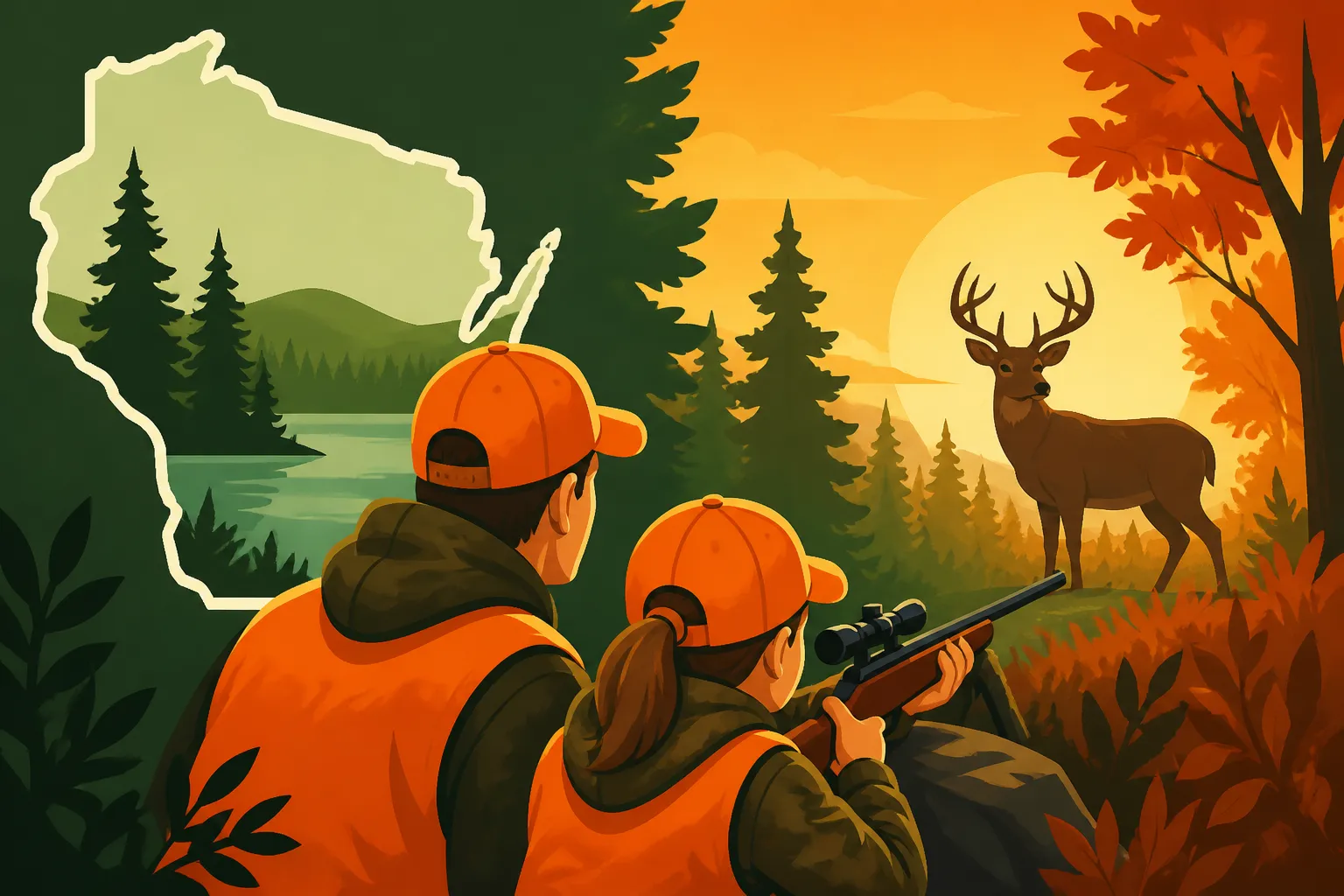
The Wisconsin Youth Gun Deer Weekend is truly a gift, designed to provide young hunters (ages 10-15) a chance to hunt deer with a firearm before the main nine-day gun season kicks off. It's usually held over a two-day period in early October, typically coinciding with the Columbus Day holiday weekend. This timing is intentional, offering milder weather and fewer hunters in the woods, creating a more relaxed and focused environment for learning. It's a chance to build skills and confidence without the overwhelming pressure that can sometimes accompany the later general season.
Eligibility and Participation Requirements
To participate, young hunters must be at least 10 years old and have completed a hunter education course. If they haven't yet completed hunter education, they can still participate through Wisconsin's Mentored Hunting Program, which is a fantastic initiative. Under this program, a mentor (someone at least 18 years old and hunter education certified) must accompany the youth, remaining within arm's reach at all times, and only one firearm can be carried between the two. The mentor cannot carry a firearm or bow unless they also possess the necessary licenses and tags to harvest a deer themselves and are adhering to all legal requirements for their own hunt, which sometimes means they cannot be hunting at the same time as mentoring, depending on specific rules. It's really about prioritizing the youth's experience and safety above all else. You can find detailed information on Wisconsin Hunter Safety and Mentored Hunting if you need a refresher.
The youth hunter needs to possess a valid gun deer license. This license automatically includes a buck tag (unless specified as antlerless-only) and usually one or more antlerless tags, depending on the Deer Management Unit (DMU) they are hunting in. These tags are critical, so double-checking the specifics for your hunting area is a must. The specific rules for Wisconsin Youth Deer Hunt Rules are designed to make it accessible and safe, so understanding them thoroughly is your first step.
Important Dates and Season Structure
The Youth Gun Deer Weekend always falls in early October, offering a much-anticipated precursor to the longer Wisconsin's Nine-Day Gun Deer Season. While the exact dates shift slightly each year, it’s reliably around the second full weekend of October. This specific timeframe offers several advantages. The leaves are typically still on the trees, providing good cover and often stunning fall colors. The deer are usually in their fall feeding patterns, focused on acorns, agricultural crops, and other natural food sources. This can make scouting and predicting deer movement a bit more straightforward than later in the season when the rut dominates.
It’s a relatively short window, just two days, so maximizing your time and effort is key. Unlike the main gun season, which can feel like a marathon, this youth hunt is a sprint. This focused period means you need to have your plan well-rehearsed and your locations scouted, but it also means less cumulative time for a young hunter to get bored or cold. Always check the official Wisconsin DNR website for the precise Wisconsin Youth Deer Hunt Dates each year to avoid any last-minute surprises.
Preparation for a Successful Youth Hunt
Preparation for any hunt is crucial, but for a youth hunt, it takes on an even greater importance. This isn't just about tagging a deer; it's about fostering a love for the outdoors, teaching responsibility, and creating lasting memories. Thinking through every detail, from scouting to gear, ensures a smoother, safer, and more enjoyable experience for everyone involved.
Scouting and Location Selection
The success of a youth hunt often hinges on scouting. Because this hunt occurs earlier in the season, deer patterns might be different than what you're used to in November. Focus your scouting efforts on identifying active food sources and the travel corridors deer use to get to them. Acorn flats, standing cornfields, alfalfa fields, and apple orchards are prime spots. Remember, deer are often still in their late-summer/early-fall patterns, meaning they might be more visible during daylight hours near feeding areas, especially with reduced hunting pressure.
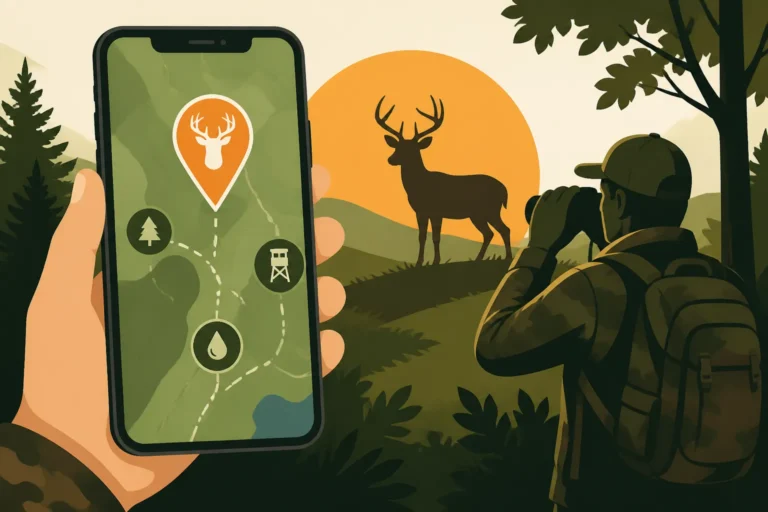
When choosing a spot, consider accessibility and comfort. A young hunter might not have the stamina for an all-day sit in a freezing stand, nor the patience for a long, quiet still-hunt. Look for locations that offer easier access and a comfortable setup. A ground blind brushed into a field edge, or a well-placed ladder stand in a timber funnel, can be ideal. Think about areas that offer good visibility but also provide natural cover for movement. Scouting Wisconsin Public Land Before Season is an excellent way to pinpoint these high-probability areas. Using tools like GoHunt can really streamline this process, allowing you to examine topographical maps and identify potential bedding and feeding areas even before you step foot in the woods. This digital scouting saves valuable time and helps you prioritize your on-the-ground efforts.
Essential Gear and Safety Considerations
Packing the right gear is critical, especially when hunting with youth. Comfort is paramount to keeping spirits high. Dress in layers, ensuring they have appropriate clothing for fluctuating October temperatures. A warm hat, gloves, and insulated, waterproof boots are non-negotiables. Remember the blaze orange or blaze pink requirements – every hunter needs to display at least 50% of their outer clothing above the waist in these colors during gun seasons. This includes a hat. You can learn more about Wisconsin's Blaze Orange and Pink Options to ensure compliance.
Safety is, of course, the absolute top priority. Beyond hunter education and blaze orange, think about smaller details. A reliable communication device (fully charged phone or two-way radio), a basic first-aid kit, and plenty of water and snacks are crucial. Ensure the firearm is appropriate for the youth hunter's size and recoil tolerance. A smaller caliber, like a .243 or 6.5 Creedmoor, can be perfect for Rifle Setups for Wisconsin Deer while minimizing recoil and maximizing accuracy. Review firearm safety rules repeatedly: muzzle control, trigger discipline, treating every firearm as loaded, and positive target identification. Practice shooting at the range beforehand to build confidence and proficiency.
Tactics for a Successful Youth Gun Hunt
While the overall goal is about the experience, harvesting a deer is certainly a huge part of the excitement for a young hunter. Employing smart tactics, tailored to both the season and the youth's capabilities, greatly increases your chances of success. It’s about setting them up for the best possible outcome.
Stand Selection and Setup
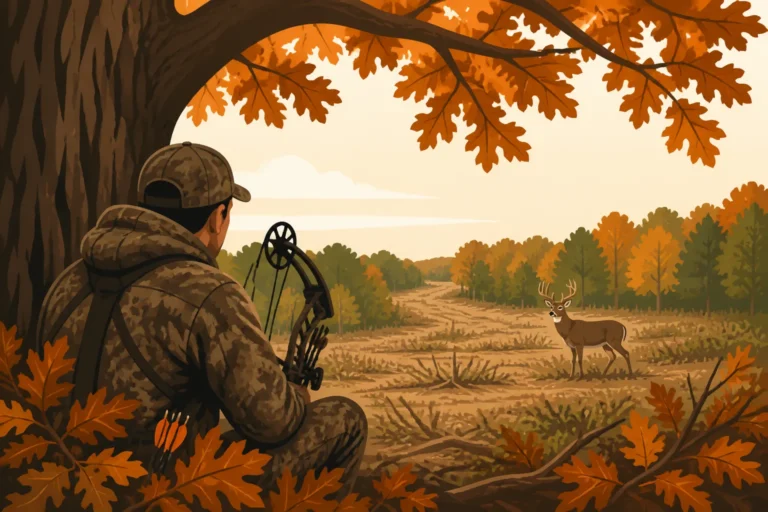
Given the early October timeframe, deer behavior will likely revolve around food. This means that stand or blind placement should be focused on active feeding areas or the travel routes leading directly to them. Consider morning hunts on field edges where deer are returning from feeding, or evening hunts positioned between bedding cover and a preferred food source.
A well-brushed ground blind can be incredibly advantageous for a youth hunt. It offers warmth, comfort, and the ability to move a bit more without spooking deer – a huge plus for younger, less patient hunters. If using a treestand, ensure it's a stable, comfortable ladder stand or a large platform designed for two people, like a two-man ladder stand. Safety harnesses are absolutely mandatory for both mentor and youth in any elevated stand. When using a ground blind, be sure to utilize proper concealment and scent control. Using a Ground Blind on Wisconsin Public Land provides excellent tips for maximizing its effectiveness.
Consider the wind direction carefully for your chosen setup. Deer have an incredible sense of smell, and a swirling or unfavorable wind will quickly ruin your hunt. Check forecasts and have alternative spots ready to go if the wind shifts unexpectedly. GoHunt's mapping features often integrate wind direction tools, which can be invaluable for real-time adjustments.
Patience and Realistic Expectations
This might be the most important "tactic" of all. Young hunters, especially those new to it, might not have the patience for multi-hour, silent sits. Be prepared for shorter hunting durations. If they get antsy, cold, or bored, call it a day, or take a break. A negative experience can sour them on hunting for years. The goal is enjoyment, not necessarily a kill.
Set realistic expectations for shot opportunities. Deer movement in early October can be sporadic, and while there's less pressure, deer are still wild animals. Emphasize ethical shot placement and only taking a shot when it's safe and offers a high probability of a clean kill. If a shot opportunity doesn't feel right, teach them the importance of passing on it. Celebrate small victories: spotting a squirrel, hearing an owl, or identifying a bird. These moments are just as valuable as harvesting a deer in building a lifelong appreciation for the outdoors. Remember, the focus should always be on the learning journey and the connection to nature.
Making it a Mentoring Experience
Beyond the mechanics of the hunt, the Youth Gun Deer Weekend is a profound opportunity for mentorship. It's about passing on traditions, teaching values, and forging bonds that will last a lifetime. This is where the true spirit of the hunt shines brightest.
Teaching Beyond the Harvest
While harvesting a deer is thrilling, the real lessons of the youth hunt extend far beyond pulling the trigger. This is your chance to instill a deep respect for wildlife and the environment. Talk about deer biology, habitat needs, and the role of hunting in conservation. Explain why we have seasons, bag limits, and ethical hunting practices. Discuss the importance of Wisconsin CWD Testing for Hunters and why we follow carcass transport rules to manage disease.
Take time to identify other animals and plants in the woods. Point out different tree species, listen for bird calls, or track other critters. Show them how to read deer sign – rubs, scrapes, and tracks. These details enhance their understanding of the ecosystem and make them more observant hunters. Encourage questions, no matter how simple they might seem. This interactive learning turns a hunting trip into an outdoor classroom.
Post-Harvest Responsibilities and Celebration
If your young hunter is fortunate enough to harvest a deer, this is another critical teaching moment. Walk them through the process of field dressing, emphasizing respect for the animal and efficiency. Explain how to properly tag and register the deer, whether it's online or by phone. Registering a Wisconsin Deer Online is a straightforward process, but showing them how it works builds their understanding of the regulations.
Involve them in the entire process, from dragging the deer out of the woods to processing the meat. If you take it to a butcher, let them be part of the drop-off and pickup. If you butcher it yourself, give them age-appropriate tasks. This connection to the food source, understanding where their meal comes from, is an invaluable lesson in self-sufficiency and respect.
Most importantly, celebrate their accomplishment! Whether it's a high-five in the woods, a special meal cooked from the venison, or simply sharing the story with family, acknowledge their hard work and dedication. These positive reinforcement moments cement the experience as a cherished memory, encouraging them to return to the woods for years to come.
Youth Gun Deer Weekend: Quick Reference
Here's a handy overview of some key aspects for the Wisconsin Youth Gun Deer Weekend:
| Feature | Details |
|---|---|
| Eligibility | Ages 10-15. Must be hunter education certified OR participate in the Mentored Hunting Program. |
| Season Dates | Annually in early October, typically Columbus Day weekend. Check DNR for specific dates. Wisconsin Archery Deer Season Dates typically overlap, but this is a specific gun season. |
| Licensing | Valid Gun Deer License required. Includes buck and antlerless tags (DMU dependent). |
| Mentor Requirements | 18+ years old, hunter education certified, within arm's reach. One firearm per mentor/youth pair. |
| Blaze Orange/Pink | Required for both youth and mentor (50% outer clothing above waist, including hat). |
| Allowed Weapons | Legal firearms for deer hunting (rifles, shotguns, handguns, muzzleloaders). |
| Hunting Pressure | Generally lower than the regular gun season, offering a more relaxed experience. |
| Focus | Safety, education, mentorship, and creating positive outdoor experiences. |
Disclaimer
Please note that hunting regulations and season dates can change. Always consult the official Wisconsin Department of Natural Resources (DNR) website and current hunting regulations pamphlet for the most up-to-date and accurate information before planning your hunt. This guide is for informational purposes only and should not be considered a substitute for official legal documents.