Hunting Wisconsin’s Fall Turkey Season
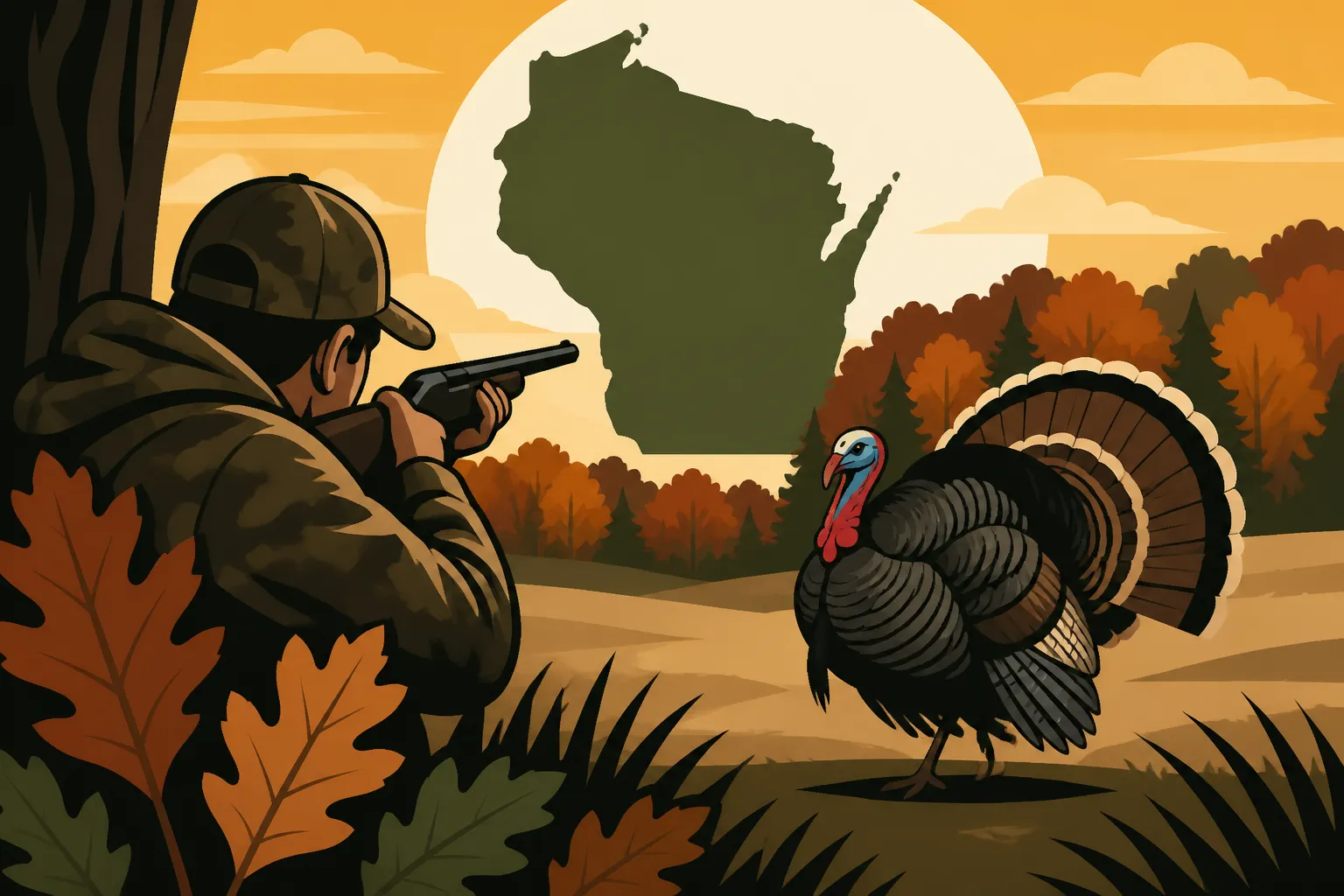
Trying to hunt fall turkeys in Wisconsin can feel like a completely different ballgame compared to the frantic, vocal action of spring gobbler season. Those strutting toms and loud hens seem to vanish, replaced by quiet, scattered birds that are much harder to pin down. This guide is here to walk you through the unique challenges and rewarding strategies for successfully navigating Wisconsin's fall turkey season, from understanding their changed behavior to the tactics that put birds in your vest.
Understanding Wisconsin's Fall Turkey Dynamics
The shift from spring to fall turkey hunting isn't just a change in weather; it's a fundamental change in the birds themselves. Gone are the days of locating a booming gobbler on the roost and trying to call him in for a strutting show. Fall turkeys are all about survival, feeding, and flocking up, which means your approach needs a complete overhaul. It can be frustrating to apply spring tactics only to be met with silence, but once you understand the fall mindset of these birds, you'll start seeing more success.
The Shift from Spring Gobblers to Fall Flocks
In spring, the name of the game is breeding. Gobblers are looking for hens, and hens are looking for gobblers. Vocalizations are high, and birds are often willing to come to a call out of curiosity or a desire to breed. But come autumn, that biological drive has largely subsided. Young-of-the-year poults are gaining size, and the primary focus for all turkeys shifts to foraging for food and staying safe. Flocks, often led by an experienced hen, become the dominant social structure. These flocks can range from small family groups to large aggregations of 50 or more birds, especially as winter approaches and food sources become scarce.
The crucial difference is that these fall birds are less inclined to respond to aggressive calling. They're more wary, more focused on feeding, and if they do vocalize, it's often a much softer, more subtle communication within their established group. You might hear the contented "cluck-cluck" of feeding birds or the soft yelps of a flock trying to stay together. Expecting a full-throated gobble response in October is usually a recipe for disappointment. This shift in behavior means hunters need to trade their aggressive spring calling for more nuanced strategies, prioritizing scouting and subtle communication over loud declarations.
Wisconsin's Fall Turkey Season Dates and Regulations
Navigating the regulations is paramount to a successful and legal hunt. Wisconsin's fall turkey season typically opens in mid-September and runs through early January, offering a much longer window than the spring hunt. This extended period allows hunters to target birds throughout various stages of the fall and even into early winter, each presenting its own challenges and opportunities. The specific dates can vary slightly year to year, so always check the Wisconsin DNR's current regulations pamphlet or their Go Wild website before heading afield.
Unlike spring, where zones and periods are strictly defined, the fall turkey season is generally open statewide, though specific units may have different quotas or rules depending on population trends. You'll need a valid fall turkey authorization, which can often be purchased over the counter without a drawing, making it much more accessible than the spring draw. It’s important to note that you can harvest either a hen or a gobbler during the fall season, which is another significant departure from the spring’s gobbler-only focus. This flexibility allows hunters to be less selective, which is a good thing when trying to locate and scatter entire flocks. Remember to tag your bird immediately after harvest and register it online or at a designated station, just as you would with any other game animal in Wisconsin. For a complete rundown, refer to the details on Wisconsin Fall Turkey Seasons.
Effective Fall Turkey Scouting Strategies
If spring turkey hunting is about calling, fall turkey hunting is about scouting. You need to know where the birds are, what they’re eating, and where they’re bedding. Without solid intel, you’ll be wandering aimlessly, hoping for a lucky encounter. This might sound like a lot of work, but a few days of dedicated scouting can drastically improve your odds and save you countless hours of unproductive hunting.
Pre-Season Reconnaissance: Reading the Landscape
Before the season even opens, or at least a few weeks before your planned hunt, get out into your chosen hunting areas. Fall turkeys are heavily food-dependent. Look for prime food sources like oak ridges laden with acorns, stands of wild grapes, crabapple trees, or agricultural fields that have been harvested, leaving behind waste grain. Corn fields, especially those near timber or brush, are absolute magnets for fall turkeys. You're not just looking for the food itself, but also for fresh sign. Droppings, feather piles, tracks in soft soil or dust, and scratch marks where they've raked leaves for nuts and insects are all indicators of recent turkey activity.
When scouting, pay close attention to topography. Turkeys, even in the fall, will use terrain to their advantage. Ridge tops, creek bottoms, and saddles can be travel corridors. Also, identify potential roosting areas – large, mature trees, often pines or oaks, overlooking a protected area or water source. Finding a major roost site can be gold, as turkeys will often return to the same general area night after night. You can even use tools like the Scouting With the Wisconsin Hunt Wild App to analyze aerial photos and topo maps from home, helping you pinpoint these promising locations before you even step foot in the woods. This pre-season homework allows you to create a mental map of turkey hot spots and travel routes.
In-Season Scouting: Locating Scattered Flocks
Once the season is underway, your scouting becomes even more focused. Your goal now is to find fresh sign and, ideally, locate an actual flock. Early morning and late afternoon are prime times for observation. Drive backroads slowly, stopping to listen for distant yelps or cackles. Often, you'll spot flocks feeding in fields or crossing open areas. If you see a flock, resist the urge to immediately jump out and hunt them. Instead, observe their patterns. Where are they coming from? Where are they going? What are they feeding on?
If you're hunting public land, be prepared to walk. Still-hunting through timber and along field edges can lead you to fresh tracks or droppings. Look for birds around watering holes or dusting bowls. During this time, I often carry a pair of good binoculars and scan distant ridges or field edges, especially in areas with a mix of timber and agriculture, common in regions like the Driftless Area Deer Hunting in Wisconsin where turkeys thrive. Sometimes, just walking quietly and listening will lead you to the soft clucking of a feeding flock. Once you locate birds, the real game begins: planning your approach to break them up. This is where your strategy starts to deviate significantly from spring methods.
Calling Techniques for Fall Turkeys
Forget the aggressive gobbler calls and cutts of spring. Fall calling is a more subtle affair, focused on reassembling a scattered flock or mimicking the contented sounds of feeding birds. The goal isn't to draw in a dominant tom but to convince separated individuals that there are other turkeys nearby looking to regroup.
Breaking Up a Fall Turkey Flock for Success
This is the quintessential fall turkey tactic and often the most exciting. The idea is to locate a flock, then aggressively bust them apart. I'm talking running, yelling, clapping, doing whatever it takes to send birds scattering in every direction. The more widely dispersed they are, the better. Turkeys are social animals, and they have a strong instinct to regroup after being spooked. This is where your calling comes in.
Once the flock is broken, immediately find a good setup. A natural blind against a wide tree or a ground blind on a field edge works perfectly. You want to be in a position where you have good visibility and concealment, preferably near where the birds scattered or along their likely travel routes. Then, sit quietly, often for 20-30 minutes, letting the woods settle down. After this waiting period, start with soft, plaintive assembly calls – a series of soft yelps, clucks, and purrs. The aim is to sound like a lonely turkey looking for its family. The younger birds, especially, will often respond quickly, sometimes running right back to the area they were scattered from. For a deeper dive into this specific strategy, check out Breaking Up a Fall Turkey Flock.
Mastering the Kee-Kee Run and Assembly Calls
The kee-kee run is arguably the most effective fall turkey call. It's the sound of young turkeys trying to locate their flock mates. It’s a distinct series of high-pitched whistles, often ending in a yelp. To make this call, you can use a mouth diaphragm, a slate call, or even a box call. Start with 3-5 short, sharp whistles, then transition into 2-3 soft yelps. Don't overdo it; less is often more. Mimicking the sounds of a lost poult or a hen trying to gather her brood is far more effective than loud, aggressive calling.
Alongside the kee-kee run, incorporate soft clucks and purrs. These are contentment calls that suggest a turkey is relaxed and feeding. If you've scattered a flock and are waiting for them to reassemble, mixing in these subtle sounds can reassure wary birds that it's safe to return. Avoid aggressive cutting or too much volume, especially if you suspect there are older, warier hens nearby. They're much harder to fool than the younger birds. The key is patience and subtlety. Sometimes it can take an hour or more for a scattered bird to commit to coming back, especially if they've been pressured.
Hunting Tactics for Fall Turkeys
Once you've done your scouting and understand the calling nuances, it's time to put boots on the ground. Fall turkey hunting offers a few distinct tactical approaches, all aimed at intercepting these often-wary birds.
Ambush Points and Drive Tactics
For those who enjoy a more active, collaborative hunt, drive tactics can be incredibly effective, especially in dense cover or large timber blocks. This involves a group of hunters strategically positioning themselves at known escape routes or travel corridors while other hunters (the "drivers") slowly and carefully push through an area where turkeys have been located. The key is for the drivers to move quietly at first, gradually increasing their presence to push the birds towards the posted hunters. Communication among the group is vital to ensure safety and effectiveness.
Another tactic, even for solo hunters, is setting up at ambush points. This relies heavily on your scouting. If you've identified a specific food source – say, an acorn flat or a particular cornfield – that turkeys are consistently using, you can set up a ground blind or a camouflaged position nearby before daylight. Wait for the birds to arrive, usually during the mid-morning feeding period. This requires immense patience, as turkeys can be unpredictable, but when it pays off, it's incredibly rewarding. Consider using a small, subtle decoy spread, perhaps just a single hen or jake, to add a visual element, though for pressured birds, sometimes no decoy is best to avoid drawing attention. When considering Decoy Placement for Pressured Birds, remember that fall birds are often less interested in confrontation than curiosity or safety in numbers.
Still-Hunting and Roost Hunting
Still-hunting is a fantastic method for fall turkeys, especially when you're covering a lot of ground in areas where birds are widely dispersed. This involves moving incredibly slowly and deliberately through the woods, taking a few steps, then pausing to scan and listen for several minutes. Look for movement, subtle flickers of black in the underbrush, or listen for faint clucks, purrs, or the rustling of leaves as birds scratch for food. Your senses become your primary tools. Pay close attention to wind direction to carry your scent away from the birds and use terrain features for concealment.
Roost hunting in the fall is similar to spring but with a different objective. Instead of listening for gobbles at dawn, you're trying to locate the evening roost. Turkeys will often fly up to roost in large trees just before dark. If you can locate a roost, you can set up before dawn the next morning, positioning yourself between the roost and a known feeding area. As the birds fly down, they'll likely head straight for breakfast. This gives you an excellent opportunity to intercept them as they come off the limb. Be incredibly quiet and careful not to spook them going in or out of the area. For a detailed look at this specific method, refer to Roost Hunting Wisconsin Gobblers. This tactic is especially effective in heavily wooded areas or near bedding cover where turkeys feel safe to spend the night.
Essential Gear for Fall Turkey Season
While you don't need a whole new arsenal for fall turkey hunting, a few adjustments to your gear can make a big difference in comfort, concealment, and success. The weather can be wildly unpredictable in Wisconsin during the fall, swinging from warm, Indian summer days to bitter cold and even snow, sometimes within the same week.
Shotguns, Loads, and Camouflage
For shotguns, any reliable 12 or 20 gauge will do the trick for fall turkeys. Patterning your gun with your chosen load is crucial, just like in spring. You want a tight, even pattern at 30-40 yards. Many hunters opt for heavier turkey loads, but standard high-brass game loads with larger shot sizes (like 4 or 5) can also be effective, especially if you're taking shots at scattered birds within a reasonable range. The goal is to deliver enough energy to cleanly harvest the bird. Ensure your choke is appropriate; a full or extra-full choke is generally recommended for maximizing pellet density.
Camouflage choice for fall is about blending with the changing landscape. Wisconsin's woods transition from vibrant green to rich reds, oranges, and browns. Patterns that incorporate these earthy tones and broken stick elements are ideal. Look for camouflage designed for hardwoods or mixed forests. Layering is key: start with a moisture-wicking base, add insulating layers like fleece or wool, and top it off with a quiet, weather-resistant outer shell. You might even want to consider a blaze orange or blaze pink vest if you're hunting during the gun deer season or on certain public lands where it's required for safety, even if just to walk in and out. Always check the current Wisconsin Blaze Orange and Pink Rules for the specific season and location you plan to hunt.
Navigational Tools and Field Dressing Supplies
Reliable navigation is non-negotiable, especially when still-hunting or trying to break up a flock in unfamiliar territory. A GPS unit or a smartphone app like GoHunt with downloaded maps is invaluable. Mark your starting point, potential roosting areas, feeding locations, and any fresh sign you find. These tools help you stay oriented, track your progress, and safely return to your vehicle, especially if you're out past dusk after a long day of chasing birds. Knowing exactly where you are and where you've been can save you a lot of headache and potentially keep you from getting lost.
Always carry essential field dressing supplies. A sharp knife, a small bone saw (or knowledge of the gutless method), and a few game bags are critical. Fall temperatures can be cool, but it's still important to field dress your bird promptly to cool the meat and prevent spoilage. If you're hunting in warmer early fall weather, a cooler with ice in your vehicle is a smart move. Don't forget some sturdy cordage to tie the bird to your pack or a game carrier, and perhaps a pair of latex gloves for hygiene. A headlamp is also a must-have, whether you're walking in before dawn or out after dark, as legal shooting hours can push you right to the edge of daylight. Having these practical items on hand ensures you can properly care for your harvest and stay safe in the field.
| Feature | Spring Turkey Hunting | Fall Turkey Hunting |
|---|---|---|
| Primary Goal | Lure breeding gobblers to calls | Locate, scatter, and reassemble flocks |
| Target Bird | Gobblers only (usually) | Hens or gobblers |
| Bird Behavior | Driven by breeding, vocal, strutting, aggressive | Food-driven, wary, flocking, subtle vocalizations |
| Key Calls | Gobbles, aggressive yelps, cutts | Kee-kee run, assembly yelps, soft clucks, purrs |
| Main Tactic | Set up and call, await response | Scouting, still-hunting, breaking up flocks, ambushes |
| Flock Structure | Dispersed males, small hen groups | Large family or mixed-age flocks |
| Season Length | Shorter, period-restricted | Longer, often statewide, less restricted |
Disclaimer
Hunting is an inherently dangerous activity. Always prioritize safety, adhere to all Wisconsin DNR regulations, and consider taking a certified hunter safety course. The information provided in this guide is for informational purposes only and does not supersede official hunting regulations or professional advice. Always check current regulations before heading afield.