Deer Sleds for Snow Country
There's nothing quite like the satisfaction of a successful deer hunt in Wisconsin, especially when the landscape is blanketed in a fresh layer of snow. But that immense pride can quickly turn into immense dread when you realize the sheer effort it's going to take to get your deer out of that beautiful, often challenging, terrain. Dragging a mature whitetail through knee-deep drifts or across a frozen swamp can be an absolute back-breaker. This guide is all about making that retrieval process easier, more efficient, and less painful for Wisconsin hunters, specifically by exploring the indispensable role of a good deer sled.
Why a Deer Sled is Your Best Friend in Wisconsin Snow Country
Hunting in Wisconsin often means contending with snow, sometimes a light dusting, sometimes several feet deep, especially if you're venturing into the Northern Forest Deer Density in Wisconsin or tackling a late-season hunt. While the snow makes for excellent tracking and beautiful scenery, it drastically increases the difficulty of getting your deer back to the truck. Without the right tools, what should be a celebratory moment can quickly devolve into an exhausting, frustrating ordeal that leaves you wondering if it was all worth it.
Imagine you've just dropped a beautiful buck in a cedar swamp up near the Chequamegon-Nicolet National Forest after a fresh snowfall. The snow is heavy and wet, clinging to everything. Trying to drag that deer by its antlers or a rope through that kind of cover is a monumental task. The deer's hide catches on every fallen branch, every sapling stump, and the snow itself creates incredible friction. You'll expend an enormous amount of energy, risk injury, and potentially even damage the hide or meat. A good deer sled, however, transforms this grueling task into a manageable one. It creates a smooth, low-friction surface that glides over the snow, reducing the effort required exponentially. It's not just a convenience; it's a strategic piece of gear that can quite literally save your hunt, and your back. When you're Hunting Deer in Deep Northern Wisconsin Snow, a sled can be the difference between a successful retrieval and having to quarter out a deer miles from the nearest road.
The Problem with Traditional Dragging Methods
Many hunters still rely on a simple drag rope or a pair of sturdy hands and pure grit. While these methods can work for smaller deer or shorter distances over easy terrain, they often fall short in Wisconsin's typical hunting conditions. The friction created by dragging a deer's body directly on snow, ice, or even frozen ground is immense. Every twig, every bump, every change in elevation becomes a significant obstacle. This can lead to:
- Exhaustion and Injury: Hauling a heavy deer can strain muscles, lead to slips and falls, and generally wear you out, especially if you're already tired from the hunt. Nobody wants to hobble out of the woods with a pulled hamstring after bagging a deer.
- Damage to the Deer: The constant friction can abrade the hide, potentially tearing it in places you'd rather keep intact, especially if you plan on caping it for a mount. It can also cause "hair slip" on the underside, making caping harder or impossible. In milder temperatures, dragging through slush or dirt can also contaminate the meat.
- Slow Retrieval: The time it takes to drag a deer often means you're out in the elements longer, which can be a concern for meat preservation if temperatures aren't ideal, or if darkness is approaching. It's vital to get your deer back quickly, especially if you've done your field dressing right there in the woods.
A sled addresses these issues by distributing the deer's weight and providing a slick, durable barrier between the carcass and the ground. It's like turning your deer into a bobsled, making it glide rather than stick.
How a Sled Changes the Game
The design of a deer sled is deceptively simple, yet incredibly effective. Most are made from durable, flexible plastic, shaped to maximize glide and minimize resistance. When you load your deer onto one of these, you're no longer fighting every inch of terrain. Instead, you're pulling a much more aerodynamic and friction-reducing package. This means:
- Significantly Less Effort: The primary benefit, hands down. You'll expend a fraction of the energy compared to dragging a deer directly. This is huge when you're facing long hauls or challenging inclines.
- Faster Retrieval: Less effort translates directly to faster movement. You can get your deer out of the woods and back to camp or your vehicle much quicker, which is crucial for meat care, especially during Wisconsin's warmer early archery season or late season thaws.
- Protection for Your Deer: The sled acts as a shield, protecting the hide from tears, scrapes, and contamination from dirt, mud, or debris. This is particularly important for hunters who plan to have their deer caped and mounted.
- Versatility: While we're focusing on snow, many sleds also perform well on frozen ground, slick mud, or even through dense brush. Some even double as gear haulers for packing in stands or bait.
Thinking about the investment, a good deer sled is a small price to pay for the immense benefit it provides. It's one of those items you might not use every hunt, but when you do need it, you'll wonder how you ever got by without it.
Types of Deer Sleds and Their Features
Just like there's a specific boot for every type of Wisconsin terrain, there's a deer sled designed for various needs and preferences. While the core function remains the same – getting your deer out – the features and construction can vary quite a bit. Understanding these differences will help you pick the right one for your style of hunting and the specific conditions you anticipate. Some hunters might even have a couple of options, depending on if they're still-hunting the Driftless Area Deer Hunting in Wisconsin or doing Deer Drives on Wisconsin Public Land.
Basic Plastic Sleds
These are the most common and often the most affordable option. They are typically made from a heavy-duty, impact-resistant plastic, often polyethylene, which offers excellent slickness for gliding over snow and ice.
- Design: Usually a single piece of molded plastic with raised sides to keep the deer contained and a tapered front end for easier pulling. They often have molded-in grooves or ribs on the bottom to help with tracking straight and adding rigidity. Some feature pre-drilled holes for attaching ropes.
- Pros: Lightweight, affordable, very durable, easy to clean, excellent glide in snow. They are simple, reliable, and get the job done for most conditions. Many are flexible enough to conform somewhat to uneven terrain without cracking. Brands like those sometimes seen on GoHunt reviews often prioritize this simple, rugged design for maximum utility.
- Cons: Can be bulky to transport into the woods if not used immediately. Some designs might lack built-in attachment points or comfortable handles, requiring you to add your own ropes or harness. They might not protect the deer as much from severe impacts with rocks or stumps on extremely rugged, frozen ground compared to more rigid models.
Fabric or Tarp-Style Drags
These aren't "sleds" in the traditional sense, but they serve a very similar purpose and are worth considering for their portability. They are often made from heavy-duty, waterproof canvas or synthetic fabric, sometimes reinforced with a slicker material on the bottom.
- Design: Essentially a heavy-duty tarp with reinforced grommets or handles around the edges. You lay the deer on it, fold it up, and secure it with straps or ropes, creating a cocoon around the animal.
- Pros: Extremely lightweight and compact. They fold or roll up easily, making them perfect for stuffing into a backpack when you're Hunting the Wisconsin Rut in November and need to stay nimble. They offer good protection for the hide from scuffs and dirt.
- Cons: Can be less durable than hard plastic sleds, especially if dragged over very sharp rocks or jagged stumps. The bottom surface might not be as slick as hard plastic on certain snow conditions, leading to slightly more friction. It also requires more effort to load and secure the deer, and the contents can shift more easily.
Heavy-Duty Utility Sleds (Often Multi-Purpose)
These are larger, more robust sleds, often used for ice fishing, trapping, or hauling other heavy gear. They are typically wider and deeper than basic deer sleds, offering more capacity and ruggedness.
- Design: Made from thick, rigid plastic, often with a deep tub design. They usually come with a sturdy tow rope and often have reinforced attachment points. Some might even feature runners on the bottom for enhanced tracking.
- Pros: Incredibly durable and can handle extremely heavy loads, making them ideal for large-bodied bucks or even small bears if you're lucky enough to draw a tag. They offer superior protection for the deer and can navigate very rough terrain with less risk of damage. Many hunters use them for hauling tree stands, gear, or even bait if they're allowed in their county (remember to check Wisconsin Baiting and Feeding Bans).
- Cons: Generally heavier and much bulkier than dedicated deer sleds, making them less practical for long treks deep into the woods unless you plan to leave it at a staging point. They are also more expensive. Their size can be a disadvantage in very dense cover.
Here’s a quick comparison of common deer sled types:
| Sled Type | Portability | Durability | Ease of Loading | Ideal Conditions | Price Range (Relative) |
|---|---|---|---|---|---|
| Basic Plastic Sled | Moderate | High | Easy | Snow, frozen ground, open woods | Low to Moderate |
| Fabric/Tarp Drag | Excellent | Moderate | Moderate (requires securing) | Light snow, less abrasive terrain, backpack-friendly | Low |
| Heavy-Duty Utility Sled | Low (bulky) | Very High | Easy | Deep snow, rough terrain, large animals, multi-use | Moderate to High |
Choosing the Right Deer Sled for Your Wisconsin Hunt
Selecting the perfect deer sled isn't a one-size-fits-all decision. Your choice should be tailored to your specific hunting style, the terrain you frequent, the typical snow conditions, and even the size of the deer you typically pursue. Think about where you usually hunt in Wisconsin and what challenges you consistently face getting a deer out.
Consider Your Typical Terrain
Wisconsin offers a diverse range of hunting landscapes, and each presents unique challenges for deer retrieval.
- Northern Forests (e.g., Chequamegon-Nicolet, County Forests): These areas often feature deep snow, thick underbrush, numerous downed logs, and rocky terrain. For these conditions, a sturdy plastic sled with good rigidity is usually best. The raised sides will help keep the deer from snagging on brush, and the durable material will stand up to impacts. If you're walking miles in, a more compact basic plastic sled is preferred over a bulky utility model. When you're Still-Hunting Wisconsin Cedar Swamps, a sled is almost a necessity to prevent dragging through thick, wet vegetation.
- Driftless Area (Southwest Wisconsin): This region is characterized by steep coulees, bluff tops, and often less consistent snow cover, or highly variable snow depths. Here, you might encounter patches of bare ground, mud, and frozen ruts. A flexible plastic sled that can handle intermittent bare patches and still glide on snow is ideal. The ability to pull it up and down steep inclines without the deer sliding off is also key. Consider a sled with strong rope attachments and perhaps a personal harness to help you on those challenging climbs when Dragging a Deer Up a Coulee Wall.
- Farmland (Southern and Eastern Wisconsin): Often characterized by open fields, woodlots, and maybe some marshy areas. Snow here can be varied, from light powder to heavy, wet drifts. If you're hunting smaller woodlots or field edges, a basic plastic sled will likely suffice. The main challenge might be crossing fences or navigating ditches, where a lighter, more maneuverable sled will be advantageous. For open field retrieves, even a fabric drag can work wonders on light snow or stubble.
Evaluate Snow Depth and Consistency
The nature of the snow itself plays a huge role.
- Deep Powder: Light, fluffy snow allows almost any sled to glide easily. Even a fabric drag can perform well here.
- Heavy, Wet Snow: This is where a good plastic sled shines. The slick surface prevents the wet snow from accumulating and creating excessive drag. A heavier utility sled might be overkill unless you're truly in extreme depths.
- Crusty or Icy Snow: A rigid plastic sled with some weight can break through a light crust, while a fabric drag might tear. Icy conditions demand a very slick bottom surface to reduce friction.
- Mixed Conditions (Snow, Mud, Bare Ground): A flexible plastic sled tends to be the most forgiving for these varying conditions, as it won't be as prone to cracking or getting stuck as a super rigid one.
Consider the Size of Your Quarry
A Wisconsin whitetail can range significantly in size, from a young doe to a mature northern forest buck pushing 200 pounds or more.
- Smaller Deer (Does, Young Bucks): Most basic plastic sleds will handle these with ease. A fabric drag could also be a perfectly viable option if portability is your top concern.
- Large-Bodied Bucks: For those mature bucks in Buffalo County or a heavy northern woods bruiser, you'll want a sled with ample length and width to fully contain the deer. A robust plastic sled is usually preferred for stability and protection. If you consistently target big deer, investing in a heavy-duty utility sled might be wise. This will ensure you're never caught off guard when you finally connect with that trophy.
Portability and Storage
How you get the sled to your hunting area is just as important as how it performs.
- Walk-In Hunts: If you're hiking a mile or more into public land, such as those vast tracts you can find on Scouting Wisconsin Public Land Before Season, a lightweight, compact sled is paramount. Fabric drags excel here, as they can be folded into a pack. Some basic plastic sleds are designed to be thin enough to strap to the outside of a pack, or even carried in by hand for shorter distances.
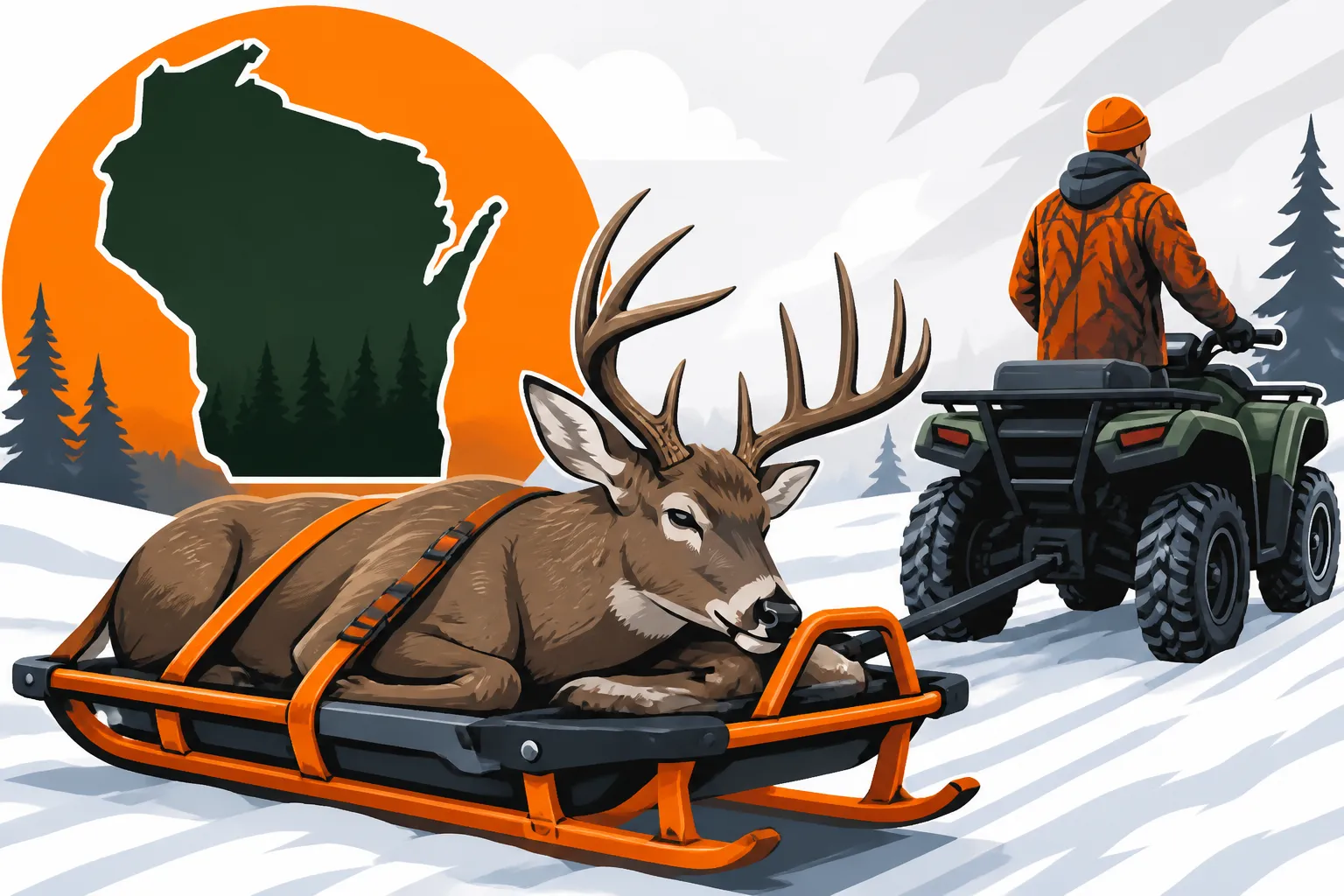
- ATV/Snowmobile Access: If you have the luxury of using an ATV or snowmobile on designated trails (always check local regulations!), then a larger, heavier utility sled becomes a much more practical option. You can simply tow it in, load your deer, and tow it back out.
- Vehicle Access: For hunts near logging roads or driveable trails, you can afford to use a larger sled that might be more cumbersome to carry deep into the woods.
When you're comparing options, consider reputable outdoor brands. While I can't name specific models or prices, many hunting publications and forums, like those associated with platforms like GoHunt, offer reviews and user experiences that can guide your decision. Look for sleds with positive feedback regarding durability and ease of pulling in various conditions.
Tips and Techniques for Using a Deer Sled Effectively
Owning a deer sled is one thing; using it efficiently and safely is another. Even with the best gear, a little know-how can make a big difference in how easily you retrieve your deer. These tips will help you maximize the benefits of your sled, especially when facing the unique challenges of Wisconsin's winter hunting.
Proper Loading and Securing
Getting the deer onto the sled and making sure it stays there is crucial, especially if you're pulling it over uneven terrain or through dense brush.
- Position the Sled: Always try to position the sled downhill from the deer, if possible, to use gravity to your advantage. If the ground is flat, place the sled directly next to the deer.
- Roll or Drag On: If you're alone, rolling the deer onto the sled is often the easiest method. Grab the deer's far legs and roll it over the sled's side. For larger deer, you might need to grab an antler or leg and pull it towards the sled while simultaneously pushing on the opposite side. If you have a hunting partner, you can each lift an end.
- Orient the Deer: Position the deer head-first in the sled. This tapered end is designed for cutting through snow and obstacles, reducing resistance.
- Secure the Deer (If Necessary): While many sleds have raised sides that help contain the deer, in very rough terrain or for long hauls, it's wise to strap the deer down. Use bungee cords, cam straps, or even extra rope threaded through pre-drilled holes in the sled. This prevents the deer from sliding off, especially when navigating steep sections or making sharp turns. For instance, if you're pulling a deer out of a deep ravine in the Driftless Area, you absolutely do not want it sliding off halfway up the climb.
Effective Pulling Techniques
It's not just about brute strength; it's about technique and using your body efficiently.
- Use a Harness: If you have a long way to go, especially in deep snow or up hills, a dedicated pulling harness worn around your waist or chest is a game-changer. This distributes the pulling force across your core and legs, saving your arms and shoulders. Many a hunter has learned this lesson the hard way trying to Get a Deer Out of a Wisconsin Swamp without one.
- Stay Low and Lean: When pulling, keep your center of gravity low, and lean into the pull with your whole body. This engages your larger leg and core muscles, which are much stronger and more enduring than your arm muscles.
- Take Small Steps: In deep snow or on slippery surfaces, short, deliberate steps provide better traction and control than long strides.
- Angle for Obstacles: Instead of trying to pull directly over a large log or rock, try to angle the sled around it, or use the momentum to get the front of the sled over, then reposition and pull again.
- Two-Person Pull: If you have a hunting partner, one person can pull from the front while the other pushes from the back. This is incredibly efficient for heavy deer and challenging terrain. The person pushing can also help steer and lift over obstacles. For small hunting groups doing Deer Drives With Three or Four Hunters, having one or two people assigned to the sled retrieval can be a great division of labor.
Navigating Different Snow and Terrain Conditions
- Deep, Fresh Snow: This is often the easiest to pull through. The sled will float on top of the snow, creating minimal resistance. Just focus on a steady pace and using your harness.
- Wet, Heavy Snow: This can be tougher. The sled might sink a bit more, and the snow can stick to the bottom. Keep momentum, and consider occasionally clearing snow from the underside if it's building up excessively.
- Icy Patches: Be extra cautious. Reduce speed and try to maintain control. If going downhill on ice, you might need to slow the sled from behind to prevent it from sliding too fast.
- Uphill Sections: This is where you'll appreciate the reduced friction of a sled the most. Use your harness, dig in, and take short, powerful steps. If it's too steep, consider zigzagging up the incline, which effectively reduces the grade.
- Downhill Sections: Keep control. If the sled starts to pick up too much speed, try to slow it from the side or back, rather than directly in front, to maintain your balance.
- Through Thick Brush: The tapered front of most sleds will help push through brush. If the brush is very dense, you might need to lift the front of the sled slightly to get over it, or even temporarily pull the deer directly over the thickest spots before resuming with the sled. Using a strong tow rope is key here.
Care and Maintenance of Your Sled
A deer sled is a workhorse, and a little care will ensure it lasts for many seasons.
- Clean Immediately: After each use, wash off any blood, dirt, or debris with soap and water. This prevents odors, preserves the material, and keeps it hygienic.
- Inspect for Damage: Check for cracks, deep gouges, or worn areas, especially if you've been dragging it over rough, frozen ground. Minor damage can often be patched or repaired, extending the life of your sled.
- Store Properly: Hang it up or store it flat in a cool, dry place out of direct sunlight. This prevents warping or material degradation over time.
- Replace Ropes/Straps: Tow ropes and straps can fray or weaken over time. Inspect them regularly and replace them at the first sign of wear. You don't want a rope breaking halfway back to the truck.
By choosing the right sled for your Wisconsin hunting style and applying these practical tips, you can turn what used to be the hardest part of a successful hunt into a much more manageable and even enjoyable experience. You'll be able to focus more on the pride of your harvest and less on the pain in your back.
Disclaimer
This article is for general informational purposes only and does not constitute professional advice. Laws, prices and regulations vary by location and change over time. Consult a qualified professional for guidance on your specific situation.