Hand Warmers That Last a Full Sit
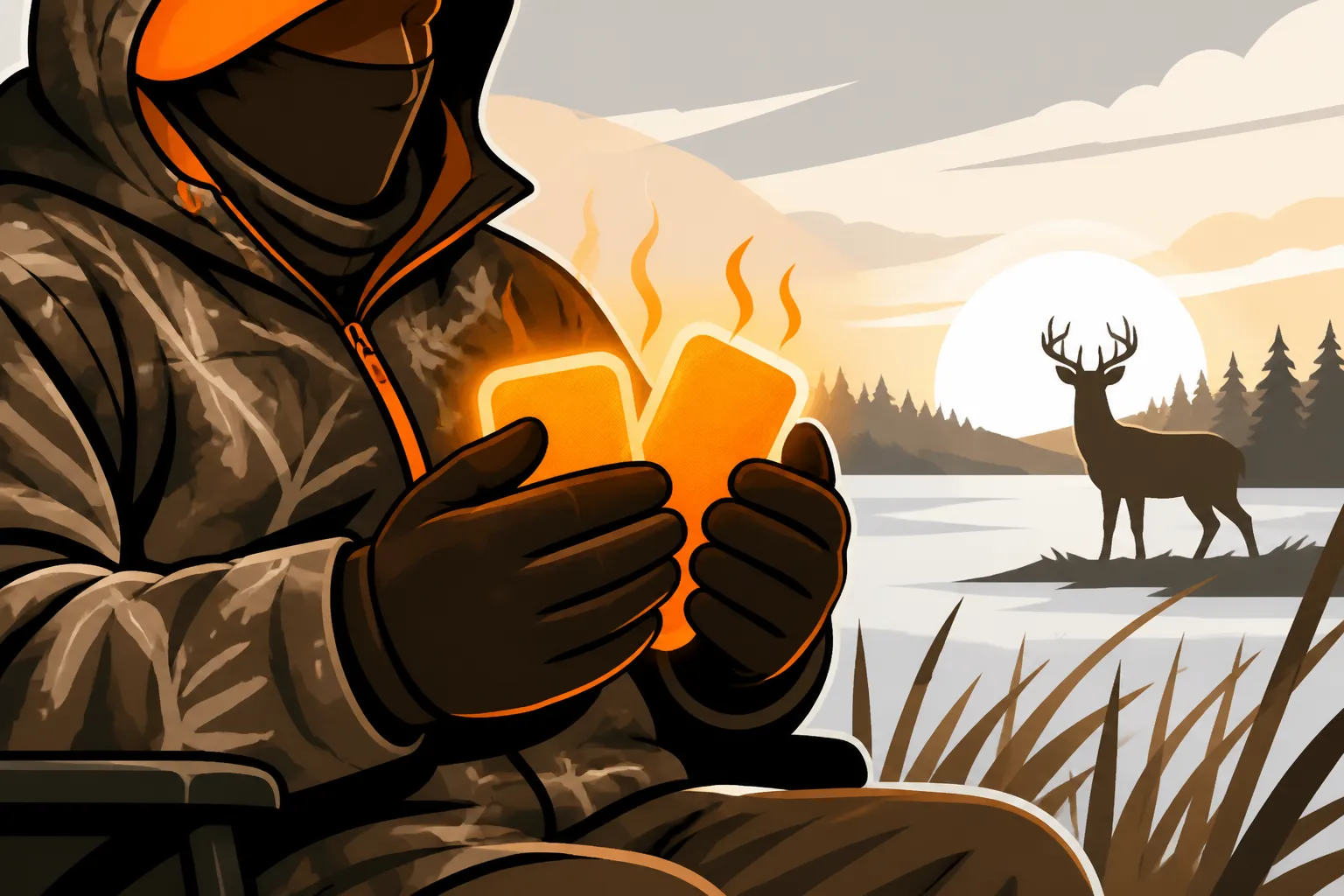
There's nothing quite like the crisp, cold air of a Wisconsin morning in a deer stand or duck blind, but that serene beauty can quickly turn into misery when your hands start to ache from the cold. Many of us have tried countless hand warmers, only to have them fizzle out just as the deer activity picks up or the ducks start flying. This guide is all about finding those elusive hand warmers that genuinely last through a full sit, keeping your fingers nimble and ready when it counts.
The Frustration of Frozen Fingers in the Field
We’ve all been there, sitting motionless for hours, hoping for that perfect moment. Whether you're nestled in a treestand during Wisconsin's archery season or waiting patiently in a ground blind in the late gun season, the cold can become an unbearable distraction. It’s more than just discomfort; frozen fingers can genuinely impact your hunt, making it difficult to maintain proper trigger control, adjust your binoculars, or even nock an arrow smoothly.
When Cold Hands Become a Real Problem
Imagine it’s a frigid November morning, maybe a few flakes are starting to fall, and you’ve been on stand since before legal shooting light. You know from Hunting the Wisconsin Rut in November that this is prime time. Your core is warm, your boots are doing their job thanks to Insulated Boots for All-Day Sits, but your fingers are starting to go numb. You pull out your "long-lasting" hand warmers, which you popped open an hour ago, only to find them barely lukewarm. This isn't just frustrating; it's a safety concern. Trying to operate a firearm or a bow with compromised dexterity can be dangerous, not to mention the increased risk of frostbite in extreme Wisconsin conditions.
Or perhaps you’re doing some serious scouting using a tool like GoHunt, meticulously reviewing aerial maps and identifying key terrain features. You're walking through thick cover, marking waypoints, and taking notes on deer sign. If your hands are too cold to manipulate your phone or writing pad, you're losing valuable time and information. It's during these long, inactive periods, especially when temperatures dip below freezing, that a reliable source of warmth for your hands becomes absolutely critical.
The Impact on Your Hunt and Experience
Beyond safety, cold hands can steal the joy from your hunting experience. The last thing you want is to be thinking about how cold you are rather than focusing on the woods around you. You might find yourself fidgeting, blowing on your hands, or even calling it a day earlier than planned, potentially missing out on the best hunting windows. When you’ve invested time, effort, and money into your hunt, giving up prematurely because of cold hands feels like a defeat. A good hand warmer isn't just a comfort item; it's a strategic piece of gear that allows you to stay in the game, patiently waiting for success. It allows you to maintain the stillness required, whether you're deer hunting in the Driftless Area Deer Hunting in Wisconsin or chasing ducks on Wisconsin Waterfowl Hunting on Marsh and River.
Understanding Hand Warmer Types for Extended Comfort
When you're trying to achieve a full sit in the Wisconsin cold, not all hand warmers are created equal. The market is flooded with options, and understanding how each type works, its typical duration, and its pros and cons is key to making an informed choice.
Disposable Air-Activated Hand Warmers
These are perhaps the most common type you'll find, readily available at almost any sporting goods store or even convenience store. They rely on a chemical reaction that starts when iron powder inside the pouch is exposed to oxygen.
- How They Work: You simply tear open the package, expose the pouch to air, and give it a shake. The iron oxidizes, releasing heat.
- Typical Duration: Manufacturers often claim 8-10 hours, some even 12-18 hours for larger sizes like body warmers. In real-world, cold Wisconsin hunting conditions, however, you might find their effective warmth diminishes significantly after 6-8 hours, especially if they are exposed directly to the frigid air. The larger "super warmers" or "mega warmers" tend to last longer and provide more heat than the standard small hand warmers.
- Pros: Lightweight, disposable, easy to activate, no fuel needed, relatively inexpensive when bought in bulk. Great for a quick warm-up or as a backup.
- Cons: Can be inconsistent in heat output, lose effectiveness in extremely cold or windy conditions, contribute to waste. Many hunters find their listed duration to be optimistic in sub-zero temperatures.
- Wisconsin Hunting Scenario: Perfect for stuffing in your pockets for a mid-morning warm-up after a long walk to your stand, or tucking into your gloves for short periods. They are also excellent for sliding into a warmer pouch or muff, which significantly extends their effective life and maximizes their heat.
Reusable Chemical Gel Hand Warmers
These operate on a completely different principle, often using a supersaturated solution of sodium acetate. They offer instant heat but typically for a shorter duration.
- How They Work: You "click" a small metal disc inside the pouch, which initiates crystallization of the liquid. This process releases heat. To reset them, you boil them in water, returning the sodium acetate to its liquid state.
- Typical Duration: These warmers are great for immediate, intense heat, but usually only last 30 minutes to an hour.
- Pros: Instant heat on demand, reusable hundreds of times, no external power or fuel needed for activation.
- Cons: Short duration, require boiling to reset (not practical in the field), can be bulky.
- Wisconsin Hunting Scenario: Less ideal for a full sit but fantastic for those moments when you absolutely need immediate warmth, like after field dressing a deer in the cold or if you accidentally get a glove wet. They're also useful as a quick warm-up in the truck before heading out for a Late Antlerless Hunting in Wisconsin session.
Fuel-Activated Hand Warmers (Catalytic)
These old-school favorites have seen a resurgence for good reason: they provide consistent, long-lasting heat. They use lighter fluid (like Zippo fuel) and a catalytic burner.
- How They Work: You fill a small reservoir with lighter fluid, ignite a platinum catalytic burner, and then place the burner unit into a metal case, usually covered by a felt pouch. The fuel burns flamelessly, producing radiant heat.
- Typical Duration: These are the marathon runners of hand warmers, often providing 12-24 hours of consistent, robust heat on a single fill. Some larger models can even go longer. Their warmth is less affected by ambient air compared to air-activated pouches, as they generate a more intense heat.
- Pros: Very long-lasting, provide excellent heat output, reusable for many seasons (just replace the burner occasionally). Environmentally friendly compared to disposables over the long run.
- Cons: Require lighter fluid (which needs to be carried and can leak if not careful), initial ignition can be tricky in the wind, fuel fumes can be a concern for scent-sensitive game (though typically minimal after initial burn-off), can get quite hot directly against skin.
- Wisconsin Hunting Scenario: An absolute game-changer for Cold Weather Sitting Strategy. If you're planning an all-day sit in a permanent blind, or braving the elements during Muzzleloader Tactics in December Cold, a fuel-activated warmer tucked into a hand muff or inside a chest pocket can make all the difference. Just be mindful of the fuel smell for the first hour or so near your stand.
Electric Reusable Hand Warmers
These modern marvels run on rechargeable batteries and offer adjustable heat settings.
- How They Work: They contain a heating element powered by a built-in rechargeable battery (usually lithium-ion). They activate with a button press and offer multiple heat settings.
- Typical Duration: This varies greatly by model and heat setting. On low, some can last 6-8 hours, but on high, they might only run for 2-4 hours. You need to factor in battery life.
- Pros: Reusable, no consumables needed (just charge), adjustable heat, can often double as a power bank for charging phones or other small electronics (like a GoHunt-enabled device).
- Cons: Battery life can be a limiting factor, performance degrades in extreme cold (batteries drain faster), often more expensive upfront, require charging, can be bulky.
- Wisconsin Hunting Scenario: Excellent for shorter sits, or if you have access to charging points (like in a hunting shack) between hunts. They’re fantastic for warming up quickly in the truck on the way to your spot or during lunch breaks. For a truly all-day sit in very cold conditions, you'd likely need to carry a robust power bank with you to recharge it or use multiple units, especially if you're out Hunting Deer in Deep Northern Wisconsin Snow.
| Hand Warmer Type | Activation | Typical Duration (Real-World) | Heat Output | Reusability | Pros | Cons |
|---|---|---|---|---|---|---|
| Disposable Air-Activated | Expose to air | 6-8 hours (less in extreme cold) | Moderate | No | Convenient, lightweight, affordable in bulk | Inconsistent heat, duration often less than advertised, environmental waste |
| Reusable Chemical Gel | Click metal disc | 30-60 minutes | High | Yes (boil to reset) | Instant heat, reusable hundreds of times, no fuel/power | Short duration, requires boiling for reset, bulky |
| Fuel-Activated (Catalytic) | Lighter fluid & ignite burner | 12-24 hours | High & Consistent | Yes (refill fuel, replace burner) | Very long-lasting, strong and consistent heat, durable | Requires lighter fluid (potential for leaks/fumes), initial ignition can be finicky, can get very hot |
| Electric Rechargeable | Button press | 2-8 hours (depends on setting/model) | Adjustable | Yes (recharge) | Reusable, adjustable heat, can charge other devices, no fuel issues | Battery life limitation, performance drops in extreme cold, higher upfront cost, requires charging |
Maximizing the Lifespan and Warmth of Your Hand Warmers
Having the right hand warmer is only half the battle; knowing how to get the most out of it is just as important. In Wisconsin's often-brutal hunting weather, every degree of warmth and every minute of duration counts.
Creating an Insulated Microclimate
The biggest enemy of any hand warmer is direct exposure to cold air. Think about it: a small heat source has to work incredibly hard to warm up an entire cold-soaked glove or an open pocket. The trick is to create a small, insulated space where the heat can build up and radiate effectively.
- Hand Muffs: This is hands-down (pun intended) the best way to utilize any hand warmer, especially the fuel-activated or electric types. A good hand muff, worn around your waist or chest, provides a cozy, windproof, and insulated pocket. Slide a hand warmer or two inside, and your hands will stay toasty for hours, even on the coldest days. The muff acts like a little oven, trapping the heat and allowing it to really penetrate your gloves or bare skin.
- Deep Pockets: If you don't have a hand muff, your jacket's chest or deep cargo pockets are the next best thing. Avoid shallow pockets where cold air can easily circulate. The more enclosed the space, the better your hand warmer will perform.
- Layering with Gloves/Mittens: Don't rely solely on the hand warmer. Wear appropriate gloves or mittens, and place the hand warmer inside them or between your glove and your skin (if not too hot). Mittens are generally warmer than gloves because they keep your fingers together, reducing the surface area exposed to cold. Consider wearing thin liner gloves, then putting the hand warmer inside a thicker mitten.
Strategic Placement and Activation
When and where you activate and place your hand warmers makes a difference.
- Pre-Warm Your Gear: For air-activated packets, activate them 15-30 minutes before you need them, allowing them to reach full temperature. Then, put them inside your gloves, mittens, or hand muff before you go out into the extreme cold. Trying to warm up already-frozen hands or cold gear with a hand warmer is less efficient.
- Body Contact: For fuel-activated or electric warmers, occasionally hold them against your inner wrist or palm, where major blood vessels are close to the surface. Warming the blood circulating through your hands can help distribute warmth more effectively. Just be cautious, as these types can get quite hot.
- Protect from Moisture: Moisture, whether from sweat or rain, can kill the effectiveness of air-activated warmers and can be dangerous for electric ones. Keep them in a dry environment. If your hands sweat, consider changing liner gloves, and reposition your warmers. For Keeping a Muzzleloader Dry in Wet Snow, think similarly about your hand warmers.
Extending Warmth with Other Gear
Hand warmers are a fantastic tool, but they're part of a larger system for staying warm.
- Proper Layering: Your core temperature directly impacts your extremities. Ensure you're dressed in good Layering for a Wisconsin Deer Stand, with wicking base layers, insulating mid-layers, and a waterproof/windproof outer shell. If your core is cold, your body will restrict blood flow to your hands and feet to protect vital organs, making hand warmers less effective.
- Warm Drinks: A thermos of hot coffee, tea, or cocoa can provide internal warmth that radiates outward, supplementing your hand warmers. Holding the warm mug also offers direct hand warmth. This is especially comforting during a long sit.
- Movement (When Possible): While stillness is often key to hunting, during periods of low activity, a few minutes of wiggling your fingers and toes, or gently rotating your arms, can help improve circulation and redistribute warmth. Just be mindful of disturbing your hunting area. Using the GoHunt app for a quick check of surrounding topography or recent sign can even be a discrete way to get a little movement in your hands.
Beyond the Pouch: Other Strategies for Warm Hands
While hand warmers are a fantastic tool, they're not the only solution for keeping your hands warm during those long, cold Wisconsin hunts. A holistic approach, combining various strategies, will give you the best chance of enduring a full sit comfortably and effectively.
The Power of Proper Handwear
It might seem obvious, but many hunters underestimate the importance of the right gloves or mittens. A cheap pair might feel okay on a mild day, but once the temperatures really drop, they'll betray you.
- Layered Handwear: Just like your body, your hands benefit from layering. Start with a thin, wicking glove liner made of merino wool or synthetic material. This wicks away sweat, preventing cold dampness. Over this, wear a thicker, insulated glove or, even better, a mitten. Mittens keep your fingers together, allowing them to share warmth and reducing the surface area exposed to the cold, making them significantly warmer than gloves. Some mittens even have a separate trigger finger, offering the best of both worlds for rifle or shotgun hunters.
- Waterproof and Windproof: Wisconsin weather can be notoriously unpredictable. A mild morning can quickly turn into a windy, wet, or snowy ordeal. Ensure your outer layer of handwear is both waterproof and windproof to protect against convective and evaporative heat loss. Nothing saps warmth faster than wet, cold hands.
- Carrying a Backup Pair: Always, always have a spare set of dry gloves or mittens in your pack. If your primary pair gets wet from sweat, snow, or an accidental dunk in a creek while Hunting Mississippi River Backwaters, having a dry pair can be a hunt-saver. You'll thank yourself for this simple act of foresight when you're 5 miles deep on public land. This is a crucial item to include in your Packs for a Day on Public Land.
Maintaining Core Body Temperature
As we touched on, your body prioritizes warming your vital organs. If your core is cold, it will restrict blood flow to your extremities, making it incredibly difficult for your hands to stay warm, no matter how many hand warmers you have.
- Quality Base Layers: Start with a good base layer that wicks moisture away from your skin. Synthetics or merino wool are excellent choices. Avoid cotton at all costs; it absorbs moisture and holds it against your skin, making you cold.
- Insulation: Layer up with insulating garments like fleece or down vests and jackets. These trap warm air close to your body.
- Head and Neck Protection: A significant amount of body heat can be lost through your head and neck. Wear a warm hat, a balaclava, or a neck gaiter to trap this heat. When you prevent heat loss from your core, more warm blood can circulate to your hands.
- Staying Hydrated and Fed: Believe it or not, your body needs fuel to generate heat. Make sure you're properly hydrated and have eaten enough calories before and during your hunt. Bring high-energy snacks like nuts, trail mix, or energy bars. These provide the necessary fuel for your internal furnace.
Movement and Activity (When Appropriate)
While long sits demand stillness, there are often moments when you can cautiously incorporate some movement to warm up.
- Micro-Movements: Wiggle your fingers and toes periodically. Flexing your muscles gently can stimulate blood flow.
- Changing Position: If you’re in a ground blind or a roomy Treestand Setups in Wisconsin Hardwoods, subtly shifting your weight or stretching can help. Just do it slowly and deliberately to avoid making noise or drawing attention.
- Short Walks: If deer activity is slow and you're in a less sensitive area, a short, slow walk (like Still-Hunting Wisconsin Cedar Swamps) to another part of your hunting area can do wonders for circulation and help warm up your hands and feet. Just make sure it aligns with your hunting strategy for the day.
- Using a Call or Rattling: For deer hunters, rattling antlers or using a grunt tube (as discussed in Rattling and Grunting in Wisconsin) can sometimes provide a legitimate reason for controlled movement, generating a little body heat in the process.
By combining reliable, long-lasting hand warmers with smart layering, appropriate handwear, and strategic body temperature management, you can conquer the cold and enjoy those long, productive sits in the Wisconsin woods.
Disclaimer
This article is for general informational purposes only and does not constitute professional advice. Laws, prices and regulations vary by location and change over time. Consult a qualified professional for guidance on your specific situation.