Choosing a Muzzleloader for December Cold
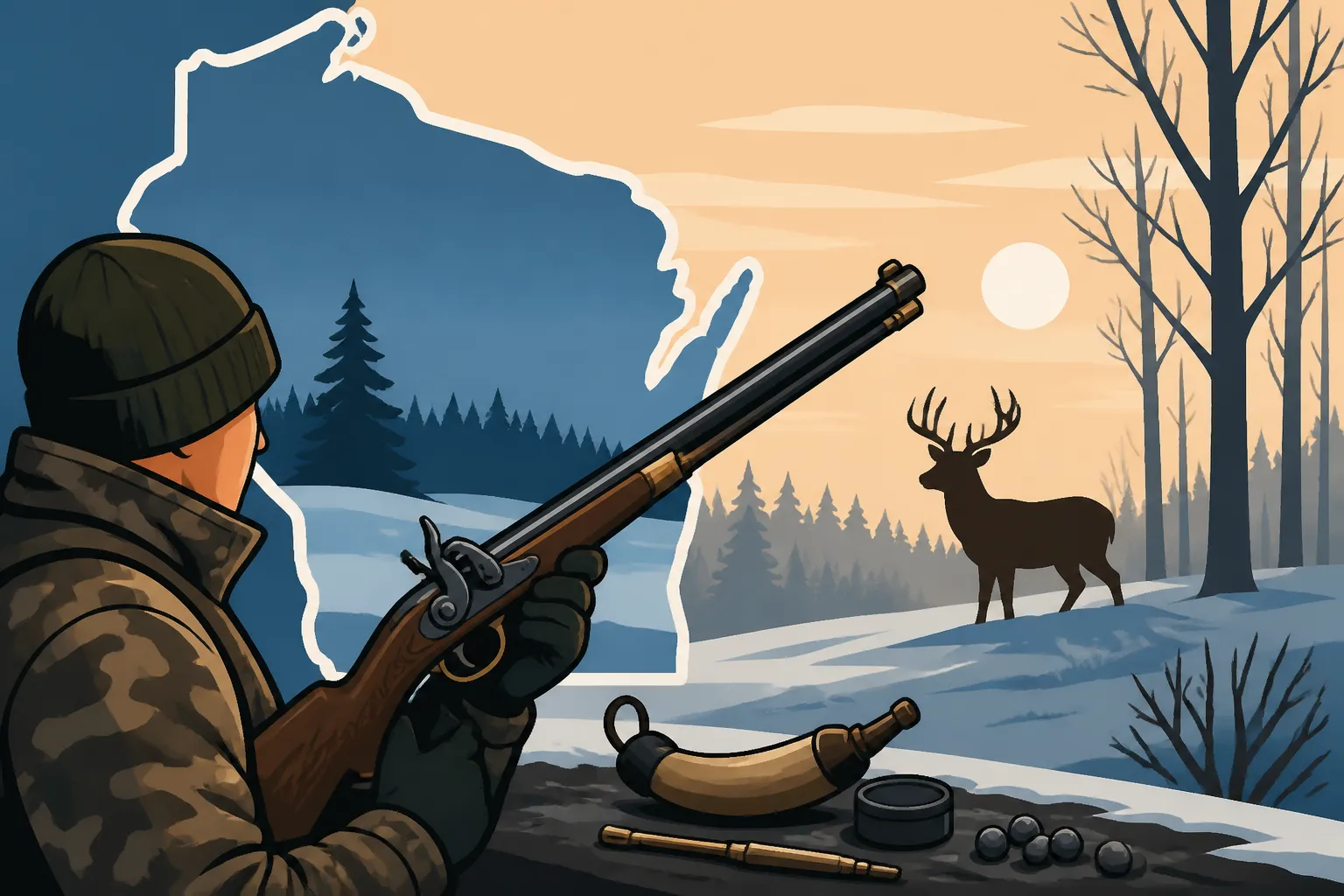
Hunting in Wisconsin's December chill with a muzzleloader is a unique challenge. You're out there, bundled against the biting wind and often trudging through fresh snow, hoping that all your preparation pays off. But there's nothing worse than that moment of truth arriving only to have your firearm fail you in the frigid air. This guide is all about helping you pick a muzzleloader that stands up to the demands of a Wisconsin late season, ensuring reliability when it matters most.
Understanding the Challenges of December Muzzleloader Hunting
December in Wisconsin isn't just cold; it's often a brutal mix of freezing temperatures, wet snow, sleet, and sometimes even a cold rain that turns to ice. These conditions are notoriously harsh on firearms, especially muzzleloaders, which are more susceptible to moisture and cold impacting their powder and ignition systems. Many a hunter has pulled the trigger on a hard-earned deer only to hear a click instead of a boom, or worse, a hangfire that sends the deer bounding away. It's a frustrating reality that demands careful consideration of your gear.
Moisture and Freezing Temperatures
The biggest enemy of any muzzleloader in December is moisture, quickly followed by freezing temperatures. Think about it: you're walking through a cedar swamp, snow clinging to your jacket, then you stop to sit on a cold log. Your warm breath condenses, the humidity in the air is high, and any exposed metal or primer can quickly develop a thin film of moisture. When the temperature drops below freezing, that moisture turns to ice, creating a barrier that prevents proper ignition.
It's not just the external elements either. If you've been carrying your muzzleloader in a warm truck cabin and then step out into single-digit temperatures, condensation can form inside the barrel and around the breech plug. This internal moisture can be just as problematic, if not more so, than external precipitation. You might think your rifle is protected, only to find the inside of the barrel has a fine layer of frost.
Powder and Primer Performance
Modern smokeless powder cartridges are sealed units, but black powder or its substitutes in a muzzleloader are much more vulnerable. A small amount of moisture can degrade the powder's effectiveness, leading to a weaker charge or a complete misfire. Similarly, primers, especially those exposed to the elements, can fail when wet or frozen. This is where reliability truly separates a fair-weather muzzleloader from a true cold-weather workhorse.
The choice of powder itself can play a role. Some synthetic substitutes are less hydroscopic than traditional black powder, meaning they absorb less moisture. However, even these are not immune to the extreme conditions found when you're hunting during the Muzzleloader Deer Hunting in Wisconsin season. The integrity of your powder charge is paramount, and a reliable ignition system is what ultimately determines if that powder ignites.
Muzzleloader Actions for Cold-Weather Reliability
When facing Wisconsin's late-season chill, the type of muzzleloader action you choose can significantly impact its reliability. Exposed hammers, intricate mechanisms, and tight tolerances all become potential points of failure when ice and cold set in. Simple, robust designs are often the best bet for consistency in challenging conditions.
Break-Action Inline Muzzleloaders
Break-action inline muzzleloaders have become incredibly popular, and for good reason. Their design is generally simpler, with fewer moving parts exposed to the elements compared to traditional sidelocks. The break-action allows for easy loading and, crucially, excellent access to the breech plug, which is vital for maintenance and ensuring a dry ignition. Many of these models feature a robust hammer and trigger system that is less prone to freezing up.
The appeal of the break-action also extends to cleaning and inspection. After a long day shivering through a stand, the last thing you want is a complicated disassembly process to ensure your breech plug and barrel are clean and dry. With a break-action, it’s usually a quick and straightforward process to remove the breech plug, clean out any residue, and verify everything is ready for the next frosty morning hunt. Manufacturers like Traditions and CVA make excellent break-action models that are well-suited to the task.
Bolt-Action Inline Muzzleloaders
Bolt-action inline muzzleloaders, while perhaps less common than break-actions in some circles, also offer strong cold-weather performance. Their fully enclosed bolt design provides excellent protection for the primer and ignition components from moisture and debris. This can be a huge advantage when you're caught in a sudden snow squall or when branches shed a layer of icy precipitation onto your rifle. The sealed nature of the bolt means less risk of moisture ingress around the firing pin.
However, the bolt mechanism itself can be susceptible to stiffness in extreme cold. Lubricants can thicken, and metal can contract, making the bolt harder to cycle. Regular maintenance with cold-weather specific lubricants is critical, and practicing cycling the bolt with gloved hands before the season is a smart move. When selecting one, pay attention to the ease of bolt removal for cleaning; some designs are more user-friendly than others.
Ignition Systems: The Heart of Cold-Weather Performance
No matter how great your muzzleloader looks, if its ignition system falters in the cold, it's nothing more than a glorified stick. The primer and how it’s sealed and struck are absolutely critical for dependable firing when the thermometer plummets. This is where modern muzzleloaders truly shine compared to their historical counterparts.
209 Primer Systems
The 209 shotgun primer system is undoubtedly the gold standard for cold-weather muzzleloading. These primers are powerful, reliable, and, most importantly, provide a very hot spark, which is essential for igniting powder in frigid conditions. Many modern inline muzzleloaders are designed specifically around the 209 primer, offering excellent sealing around the breech plug to protect against moisture. This sealed environment helps prevent condensation from freezing on the primer itself.
When choosing a muzzleloader, look for designs that create a tight seal around the 209 primer. Some models feature a "closed breech" design where the bolt or action completely encloses the primer, offering maximum protection from the elements. This extra layer of defense against freezing rain, blowing snow, or even just the high humidity of a damp December morning can make all the difference. Always carry extra primers in a waterproof container, preferably close to your body heat, just in case. When you're out there tackling the elements, knowing your primer is protected provides immense confidence, which is invaluable on a cold hunt.
Musket Cap and Percussion Cap Systems
While more traditional, musket cap and percussion cap systems are generally less reliable in extreme cold than 209 primers. Their more exposed nature means moisture can more easily reach the cap, leading to misfires. If you prefer a more traditional muzzleloader, taking extra precautions to keep the caps dry is paramount. Waterproof cap holders, liberal use of waterproofing grease around the nipple, and keeping your rifle tucked under your jacket or in a waterproof case are all good strategies.
I've seen hunters in the Wisconsin Muzzleloader Season Tactics keep their musket caps in a small, sealed container inside their insulated jacket pocket, only exposing one when it's time to load. This body heat helps ensure they're warm and dry. While these systems can certainly work, they require a higher degree of vigilance and preparation to perform consistently in the often-miserable conditions of a Wisconsin December. The risk of a hangfire or misfire is inherently higher, and that's a gamble few serious hunters want to take.
Barrel Materials and Maintenance for Winter Conditions
The barrel of your muzzleloader might seem like a straightforward component, but its material and how you care for it are critical for accuracy and longevity, especially when exposed to the harsh Wisconsin winter. Cold metal, fluctuating temperatures, and the corrosive nature of black powder substitutes all demand attention.
Stainless Steel Barrels
For hunting in December cold, stainless steel barrels are almost always the superior choice. Stainless steel is far more resistant to rust and corrosion than traditional blued carbon steel, which is a huge advantage when dealing with moisture from snow, sleet, and freezing rain. Black powder and its substitutes produce corrosive residues, and when combined with moisture, they can quickly pit and damage a carbon steel barrel if not cleaned meticulously and immediately.
A stainless steel barrel requires less immediate attention after a wet hunt (though you should still clean it as soon as possible!). This can be a real blessing when you're back at camp, shivering and exhausted. Furthermore, stainless steel barrels are often more stable in rapidly changing temperatures, which can subtly affect accuracy in some rifles. While they might be a bit heavier, the peace of mind and reduced maintenance burden they offer in harsh weather makes them a wise investment for any serious late-season muzzleloader hunter. GoHunt often highlights various muzzleloader models, and you'll find stainless steel options are highly recommended for severe weather.
Carbon Steel Barrels and Rust Prevention
If you choose a carbon steel barrel, or if your current muzzleloader has one, meticulous rust prevention is absolutely non-negotiable for December hunting. After every single outing, especially in wet or humid conditions, the rifle needs to be thoroughly cleaned, dried, and oiled. Pay particular attention to the bore, breech plug, and all external metal surfaces. A good quality rust-preventative oil or wax should be applied generously.
The biggest mistake hunters make with carbon steel in winter is assuming that because it's cold, moisture isn't an issue. Ice is moisture, and when it thaws, it will cause rust. If you're coming in from the cold into a warm cabin, condensation will form. This means cleaning your rifle twice if necessary: once to get the worst of the powder residue, and again after it's had a chance to warm up and "sweat" out any internal condensation. Some hunters even wipe down their carbon steel barrels with a silicone-treated cloth hourly when out in the field, just to be extra cautious.
Optics and Sights for December Hunting
Visibility can be challenging in December. Short days, low light, and often overcast skies combine to create dim conditions. Add in potential snow, fog, or frost, and your sighting system becomes paramount. Reliable, clear optics or robust open sights are crucial for making an ethical shot.
Low-Light Scopes and Red Dots
For maximum accuracy and low-light performance, a quality scope designed for dim conditions is a game-changer. Look for scopes with larger objective lenses (e.g., 40mm or 50mm) to gather more light, and high-quality glass with anti-reflective coatings. Fixed power or low variable power scopes (e.g., 1-4x, 2-7x) are often preferred for muzzleloader ranges, as they offer a wider field of view and are less prone to fogging or losing zero in extreme cold than high-magnification optics.
Red dot sights are also gaining popularity for muzzleloaders, especially in denser cover or for hunters who prefer quick target acquisition at closer ranges. Their simplicity, durability, and lack of eye relief make them incredibly user-friendly in cold weather, even when wearing heavy gloves or multiple layers. Ensure any optic you choose is fully waterproof and fog-proof, and consider carrying a lens cloth treated with an anti-fog solution. Nothing is more frustrating than having a clear shot ruined by fogged optics.
| Feature / System | Pros for December Cold | Cons for December Cold |
|---|---|---|
| Break-Action Inline | Simple, easy cleaning, good primer access, robust. | Can be slightly less "sealed" than bolt-action. |
| Bolt-Action Inline | Excellent primer protection, fully enclosed action. | Bolt can stiffen in extreme cold, lubrication dependent. |
| 209 Primer | Powerful, hot spark, excellent moisture sealing. | Requires compatible breech plug design. |
| Stainless Steel Barrel | Highly rust/corrosion resistant, low maintenance. | Heavier, sometimes higher cost. |
| Carbon Steel Barrel | Traditional look, often lighter. | High maintenance, prone to rust/corrosion. |
| Low-Light Scope | Excellent visibility, precise aiming in dim conditions. | Can fog, adds weight, susceptible to cold shock. |
| Fiber Optic Sights | Bright in low light, simple, durable. | Less precise than optics at longer ranges. |
Fiber Optic and Adjustable Sights
For hunters who prefer open sights or who hunt in areas where scopes aren't allowed or practical, good fiber optic sights are essential. Modern fiber optic sights are incredibly bright, even in very low light conditions, allowing for quick target acquisition against a dark background like a deer's hide in the timber. They are also completely impervious to fogging, which is a major advantage over glass optics in humid, freezing conditions.
Adjustable rear sights, combined with a contrasting front sight (like a bright red or green fiber optic), offer a precise aiming solution for typical muzzleloader ranges. Ensure your sights are robust and securely mounted, as bumps and scrapes are common when navigating through thick Wisconsin brush. While less precise at longer distances than a scoped rifle, for many traditional muzzleloader hunters, they offer the perfect balance of simplicity and effectiveness for the up-close encounters common during Late-Season Food Sources for Whitetails. When you're considering your gear, keep an eye on resources like GoHunt, which often review sighting options for various hunting scenarios, including late-season specific setups.
Essential Cold-Weather Muzzleloader Accessories
Beyond the muzzleloader itself, a few key accessories can dramatically improve your experience and success when hunting in Wisconsin's December cold. These items are designed to complement your rifle and help you overcome the unique challenges that extreme temperatures present.
Weatherproofing and Protection
Keeping your muzzleloader dry is an ongoing battle in December. A good quality muzzle cover is crucial to prevent snow, sleet, or freezing rain from entering the barrel. This simple accessory can save your hunt by ensuring your powder charge stays dry. Many hunters use a piece of electrical tape, or even a condom, stretched over the muzzle for a secure, waterproof seal. While it might look a bit unconventional, it's incredibly effective.
Equally important is a way to protect the action and ignition system. A waterproof gun case or even a simple, heavy-duty gun sleeve can provide essential protection when you're moving through heavy snow or during a downpour. When on stand, consider a small, lightweight cover for the breech area. Remember, the goal is to keep every critical component as dry as possible to ensure that when you pull the trigger, you get a clean, powerful ignition every single time. A little proactive weatherproofing goes a long way towards preventing the kind of misfire that can ruin an otherwise perfect hunting opportunity.
Loading and Cleaning Aids for Cold Hands
Loading a muzzleloader in freezing temperatures with numb fingers can be a frustrating and slow process. This is where specialized loading aids come into play. A speed loader pre-charged with powder and bullet can be a lifesaver, allowing you to reload quickly without fumbling with individual components. Some hunters also pre-seat bullets in their sabot, making the process even faster.
For cleaning, a specialized breech plug wrench that provides good leverage, even with gloved hands, is essential. Also, consider carrying a small, soft brush or an old toothbrush to quickly clear any snow or ice from around the hammer or trigger mechanism. Lastly, choose a cleaning solvent specifically formulated for black powder substitutes that works well in cold temperatures. You'll thank yourself for these small preparations when the cold hits, and you're trying to perform delicate tasks with clumsy, frozen fingers. Remember, if you’re dressing for the conditions with Insulated Boots for All-Day Sits and a good layering system, you’ll also need your hands to be nimble enough to operate your gear.
Hunting with a muzzleloader in Wisconsin's December cold is a truly rewarding experience, but it demands careful planning and the right equipment. By choosing a muzzleloader with a reliable action and ignition system, preferably in stainless steel, and equipping it with suitable optics and protective accessories, you'll be well-prepared to face whatever the Northwoods throws at you. Don't let a poorly chosen rifle turn your late-season hunt into a lesson in frustration; equip yourself for success and enjoy the quiet challenge of hunting in the winter woods.
Disclaimer
This article is for general informational purposes only and does not constitute professional advice. Laws, prices and regulations vary by location and change over time. Consult a qualified professional for guidance on your specific situation.