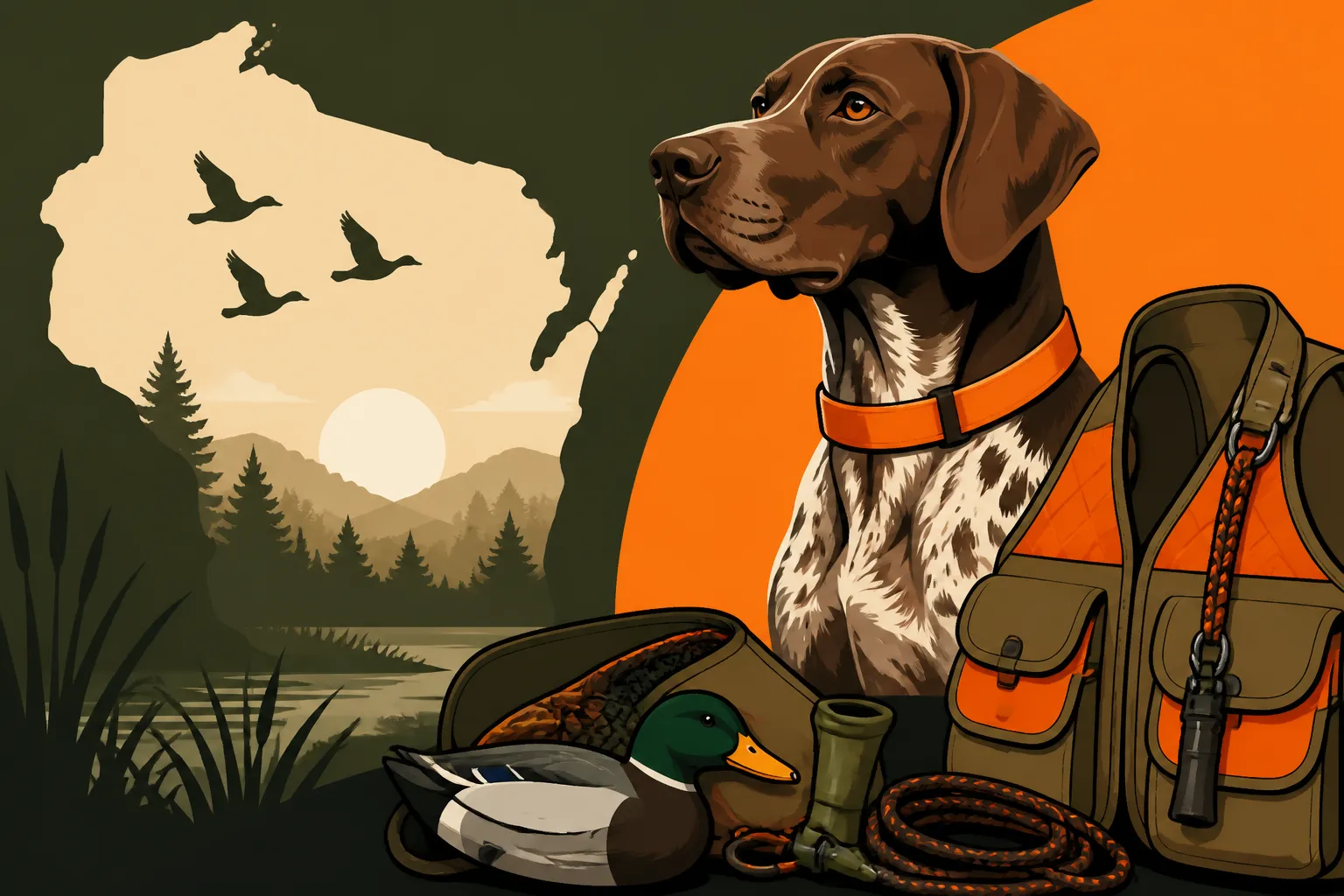
Bird Dog Gear for Wisconsin Cover
Hunting in Wisconsin with your trusty bird dog is an absolute joy, a partnership forged in the crisp autumn air and the rustle of leaves. But let's be honest, the excitement can quickly turn to anxiety when your best four-legged hunting buddy is crashing through dense cover or wading icy water, leaving you wondering if they're safe, protected, and still within earshot. This guide is all about outfitting your dog with the right gear to ensure they stay safe, effective, and comfortable, no matter what Wisconsin's diverse landscapes throw their way.
Understanding Wisconsin's Upland Cover and Terrain
Before you can even begin to think about what gear your bird dog needs, you first have to really understand the places you'll be asking them to hunt. Wisconsin offers an incredible variety of upland cover, from the thick, tangled woods of the North to the sprawling agricultural fields of the South. Each habitat presents its own unique set of challenges and demands specific considerations for your dog's safety and performance. Going in unprepared, or with ill-suited gear, isn't just inefficient; it can put your dog at real risk.
The Northwoods Challenge: Dense Timber and Brush
Up north, in places like the Chequamegon-Nicolet National Forest or vast stretches of county forest land, you're looking at a different beast entirely. Here, the cover is often a dense mix of thick aspen cuts, tangled alder runs, vast pine plantations, and pockets of regenerating hardwoods. This is prime habitat for grouse and woodcock, but it's also a maze of sharp sticks, downed logs, hidden bogs, and sometimes even barbed wire from old logging operations. Your dog isn't just running; they're often literally crashing through obstacles, pushing through dense tangles that would give a human pause.
The challenges in these areas are numerous. Visibility can be extremely limited, meaning you might not see your dog for minutes at a time, making a reliable GPS tracking system absolutely critical. The abrasive nature of the brush can lead to cuts, scrapes, and punctures on their chest and sides. Furthermore, the ground underfoot can be uneven and rocky, concealing hazards that could injure paws. Preparing for these conditions means thinking about robust protection and reliable tracking.
Farmland Edges and Pheasant Fields: Different Demands
Head south or into the central plains of Wisconsin, and the landscape shifts dramatically to agricultural country. Here, pheasants rule, and hunting often takes place in vast cornfields, CRP (Conservation Reserve Program) grasslands, ditch banks, and the edges of woodlots. While perhaps less "sharp" than the northern thickets, these fields present their own set of dangers. Old farm machinery parts, hidden fence wire, broken glass, or even discarded chemicals can be lurking just under the surface.
The sheer distance your dog might cover in these open fields, often out of sight in tall corn or thick grass, means that clear, long-range communication is paramount. They’re running full-out for extended periods, stressing their pads and joints. Heat can also be a significant factor in early season hunts, as there’s less shade than in dense timber. The gear focus here might lean more towards endurance, visibility, and paw durability, rather than just puncture resistance. Pheasants and Wisconsin Farmland are a different ball game compared to the woods.
Wetlands and Marshes: Waterfowl and Woodcock Concerns
Wisconsin is a water-rich state, and many bird hunters pursue waterfowl in its abundant marshes, lakes, and rivers, or seek woodcock along alder-lined creek bottoms. Hunting in these wet environments brings a whole new layer of gear considerations. Icy water, sharp reeds, muddy bottoms, submerged hazards like stumps or debris, and the constant threat of hypothermia are all part of the game. Your dog needs to be able to handle cold, wet conditions for extended periods without succumbing to the elements.
Retrievers in particular face immense physical demands, repeatedly entering and exiting freezing water, often breaking through skim ice. Beyond the cold, these areas often have tough, abrasive vegetation like cattails or phragmites that can cut skin. Ensuring proper insulation, floatation, and durable, water-resistant outer layers for your dog becomes critical. Moreover, being able to quickly warm and dry your dog after a cold retrieve is essential for their health and safety.
Essential Protection for Your Hunting Dog
No matter where you hunt in Wisconsin, your dog’s safety should be your top priority. Their enthusiasm can sometimes lead them into precarious situations, and it’s up to us, their human partners, to equip them to handle the rough stuff. This isn't just about preventing injuries in the moment; it's about extending their hunting career and ensuring they remain healthy and happy for years to come.
Protective Vests and Chest Plates: Guarding Against Hazards
When your dog is tearing through thick brush, the risk of cuts and punctures to their chest and abdomen is very real. I've seen dogs come out of an aspen clearcut looking like they've been in a fight with a badger, all because a sharp branch caught them just right. This is where protective vests and chest plates become non-negotiable, especially when you're hunting aggressive cover for grouse or Running Hounds for Wisconsin Bobcats. These aren't just for show; they are critical pieces of safety equipment designed to shield vital areas from abrasive vegetation, sharp stumps, and even glancing blows from low-flying branches.
Modern protective vests are typically made from incredibly durable, puncture-resistant materials like Cordura or even ballistic nylon, often with additional layers of protection over the chest. Some vests are designed specifically for upland birds, being lighter and more flexible to allow for unrestricted movement, while others are more robust, akin to body armor for dogs working really dense, unforgiving cover. It's important to choose one that fits snugly, doesn't chafe, and allows full range of motion. Think about the specific hazards of your hunting ground – a dog working open pheasant fields might need less heavy-duty protection than one busting through a thick cedar swamp. Look for vests that are also brightly colored, often blaze orange or pink, to enhance visibility, which we'll discuss more later.
Paw Protection: Boots and Conditioners
Your dog’s paws are their primary tool for navigating the hunting grounds, and they take an incredible beating. Running for miles over varied terrain, from rocky ridges to frozen ground or abrasive stubble, can lead to cracked pads, cuts, abrasions, and even punctures. There’s nothing more heartbreaking than having to end a hunt early because your dog has a lacerated paw. Proactive paw care is just as important as protecting their chest. Many experienced hunters swear by Bird Dog Boots and Cut Pads as a preventative measure.
Dog boots come in a variety of materials and designs, from simple rubber-dipped socks for light protection to heavy-duty Cordura or leather boots designed for extreme conditions. The challenge with boots is finding a pair that stays on reliably and doesn't rub or cause discomfort. It often takes some trial and error, and getting your dog accustomed to them before opening day is crucial. Even with boots, or for dogs that just refuse to wear them, paw conditioners and toughening waxes can make a huge difference. These products help moisturize pads, prevent cracking, and create a protective barrier against moisture and abrasions. Regularly inspecting your dog's paws before, during, and after a hunt is a habit that will save you a lot of grief.
Visibility Gear: Staying Safe in the Field
In Wisconsin, hunter orange isn't just for humans; it's a critical safety measure for your dog, especially during busy seasons or when hunting on public land. Whether you’re working a woodcock cover near other hunters or pushing through a dense cattail marsh, making your dog as visible as possible is paramount. The last thing any hunter wants is for their dog to be mistaken for game, or for another hunter to not realize your dog is in the area. This is why blaze orange or blaze pink gear for your dog is an absolute must.
This visibility gear can take many forms: vests, collars, or even simple bandanas. The key is that it's brightly colored and stands out against the natural backdrop. Some vests mentioned earlier double as visibility gear, combining protection with safety. Reflective strips are an added bonus, especially if you're ever out near dusk or dawn, or if your dog ranges far and you need to spot them with a flashlight or headlamp. Remember, even if your dog is close to you, other hunters in the area might be looking through optics or thick brush, and a flash of bright color can make all the difference in preventing an accident.
Navigation and Communication Gear for the Field
Even the best-trained bird dog can get out of sight in a blink, especially in dense Wisconsin cover. Maintaining communication and knowing your dog’s whereabouts is crucial, not just for safety but for effective hunting. Modern technology has provided incredible tools, but sometimes the tried-and-true methods are still the most reliable.
GPS Tracking Collars: Keeping Tabs on Your Dog
For any serious bird dog owner hunting Wisconsin’s vast public lands, a GPS tracking collar is practically non-negotiable. Whether your dog is a wide-ranging pointer covering hundreds of yards in a field or a close-working springer spaniel that can disappear into a dense briar patch, knowing their exact location at all times provides immense peace of mind. I've had countless moments where I thought my dog was just around the bend, only to check my GPS handheld and realize they were already 100 yards further out and on point. GoHunt, for instance, can help you scout a map and plan your route, but it won't tell you where your dog is – that's where a dedicated GPS collar shines.
These systems typically consist of a collar unit worn by the dog and a handheld receiver carried by the hunter. The receiver displays the dog's location on a map, often showing distance, direction, and even their current status (e.g., running, standing still, on point). Many models also offer a "treed" or "bayed" alert, which is crucial if you're Running Hounds for Wisconsin Bobcats or just concerned your bird dog might be investigating a den tree. Some advanced systems integrate with smartphone apps, offering even more detailed mapping capabilities. While these systems represent an investment, the value of always knowing your dog's location, especially in remote areas where cell service is unreliable, is truly priceless. They not only prevent lost dogs but also help you quickly get to a point, minimizing bird movement and maximizing shot opportunities.
E-Collars and Training Systems: Effective Communication
An e-collar, or electronic training collar, can be an invaluable tool for communicating with your bird dog in the field, especially when they are out of earshot or need a quick correction. It's important to clarify that an e-collar isn't a "shock collar" in the punitive sense; rather, it's a sophisticated communication device that delivers mild stimulation to reinforce commands or interrupt undesirable behavior. When used correctly and humanely, it can dramatically improve your dog's obedience and responsiveness during a hunt, making them a more effective and safer hunting partner. Properly integrating an e-collar into your training regimen is discussed in more detail in articles like E-Collar Use on Public Ground.
Modern e-collars offer a range of stimulation levels, from vibrate and tone functions to very low static corrections. The key is to introduce the e-collar in a controlled training environment, associating the stimulation with known commands. This way, when your dog is far afield, a tone or a low-level stimulation can serve as a "tap on the shoulder" to remind them of a command like "whoa" or "come." They are especially useful for breaking a dog off a flush, preventing them from chasing deer, or getting their attention when they're distracted by scent. Look for systems with good range, durable construction, and a waterproof design, as Wisconsin hunting often involves wet conditions.
Whistles and Lanyards: Old-School Reliability
While technology has its place, never underestimate the power and reliability of a good old-fashioned dog whistle. A whistle provides a distinct, consistent sound that cuts through wind, rustling leaves, and the general din of the woods far better than your voice ever could. Unlike your voice, which can become strained or emotional, a whistle always produces the same tone and volume, making it an excellent tool for consistent communication of commands like "recall" or "stop." It's also simple, lightweight, and never runs out of batteries.
Many experienced bird dog handlers carry multiple whistles – a pea-less whistle for open fields due to its sharp, penetrating sound, and a different pitch for dense timber. A sturdy lanyard is essential to keep your whistle secure around your neck, preventing it from getting lost in the excitement of a flush. Combine whistle commands with hand signals, and you have a robust, dependable communication system that works even if your high-tech gear fails. It's the ultimate backup and, for many, the primary method of directing their dog in the field.
Training and Conditioning Aids
The best gear in the world won't make a poorly trained or out-of-shape dog effective. The real magic happens through consistent training and proper conditioning, and there's specific gear that helps facilitate both. From developing retrieving skills to reinforcing obedience and ensuring peak physical health, these aids are critical components of your dog's hunting journey.
Bumpers and Dummies: Skill Development
The foundation of a good retriever or a steady pointing dog often lies in consistent training with bumpers and dummies. These aren't just toys; they are essential tools for teaching marking skills, retrieving commands, and steadiness. Bumpers, typically made of plastic or rubber, are designed to be easily thrown and retrieved, mimicking the size and feel of game birds without the distractions of feathers or scent (initially). They float, making them ideal for water retrieves, which is a common occurrence when Hunting Horicon Marsh Waterfowl.
Dummies, often made of canvas or other soft materials, can be infused with bird scent to help transition a dog from artificial retrieves to actual game. Working with different types and sizes of bumpers helps a dog learn to handle various scenarios, from long-distance marks to blind retrieves. This repetitive, positive reinforcement training builds confidence, strengthens the retrieve, and instills the discipline needed for a reliable gun dog. It's about teaching them how to do the job before they ever step foot in the field with live birds.
Heeling Sticks and Leads: Reinforcing Obedience
Obedience is the bedrock of a safe and effective hunting dog. A dog that won't heel, stay, or come when called is not only frustrating but can be dangerous, especially on public land or near roads. Heeling sticks and various leads are fundamental tools in establishing and reinforcing these crucial obedience commands. A heeling stick, sometimes called a "walking stick" or "training stick," is a simple yet effective tool to gently guide your dog into the correct heel position. It's not for hitting, but for providing subtle physical cues and creating a boundary during training sessions.
Leads range from short slip leads for quick corrections and guiding, to longer check cords that allow a dog more freedom to explore scent while still keeping them connected to you for control and recall practice. Using these tools consistently helps teach your dog patience, discipline, and responsiveness. Remember, even the most enthusiastic bird dog needs to be under control. A well-trained dog is a joy to hunt with, able to switch from intense focus on game to calm obedience when needed, ensuring safety for themselves, you, and other hunters.
Supplements and Nutrition: Fueling Performance
Hunting is an athletic endeavor, and your bird dog is an athlete. Just like human athletes, their performance and recovery are heavily influenced by proper nutrition and, often, strategic supplementation. A high-quality dog food designed for active or working breeds is the absolute baseline, providing the necessary calories, protein, and fats to fuel their high energy output. However, the intense demands of a full day, or even multiple days, of hunting in cold Wisconsin weather can require more.
Consider supplements that support joint health, especially for older dogs or breeds prone to hip and elbow issues. Glucosamine and chondroitin are popular choices. Omega fatty acids can improve coat health and reduce inflammation. Electrolyte supplements can be crucial during strenuous hunts, particularly in warmer early-season conditions, to prevent dehydration and maintain energy levels. Always consult with your veterinarian before introducing new supplements, but recognize that proper fueling and support are as critical as any piece of gear in ensuring your dog remains healthy, energetic, and ready for the next hunt.
Comfort and Recovery Post-Hunt
The hunt doesn't end when the birds are bagged. What you do for your dog after the hunt is just as important for their long-term health, happiness, and readiness for the next adventure. Proper care for a tired, cold, or wet dog is a sign of a responsible hunter and a loving owner.
Dog Crates and Transport Safety
Getting your dog safely to and from the hunting grounds is paramount, and a sturdy, well-ventilated dog crate is the best way to do it. Whether you're driving an hour to a local wildlife area or traveling for a week to Hunting the Wisconsin Northern Forest for Deer where you might also chase grouse, a crate provides a secure and comfortable space. It keeps your dog contained, preventing distractions while driving, and protects them in the event of a sudden stop or accident. A loose dog in a vehicle is a serious safety hazard for everyone.
Crates come in various materials, including wire, plastic, and aluminum. Aluminum crates are often preferred by serious hunters for their durability, light weight, and security. Ensure the crate is appropriately sized – large enough for your dog to stand, turn around, and lie down comfortably, but not so large that they slide around excessively. After a hunt, a crate provides a cozy, familiar spot for your dog to rest and recover, especially if they are wet or muddy. Many hunters also put absorbent bedding in the crate to soak up moisture and keep their dog warm on the ride home.
Bedding and Comfort After a Hard Day
After a grueling day of busting brush, swimming icy rivers, or running miles through pheasant cover, your dog deserves a comfortable place to rest and recover. Just like you look forward to a warm meal and a soft bed, your dog needs a space where they can truly relax and recuperate. This isn't just about pampering; it's about muscle recovery, joint health, and overall well-being. A cold, hard floor won't cut it.
Consider durable, washable dog beds or thick, warm blankets. If you're staying in a cabin or Camping on Wisconsin Public Land, make sure their sleeping area is off the cold ground and away from drafts. Elevated beds can be excellent for air circulation and keeping them warm. For wet dogs, specialized drying towels or even quick-drying coats can help wick away moisture and prevent chills. A well-rested dog is a healthier, more enthusiastic, and better-performing dog on subsequent hunt days. Investing in their comfort is an investment in their continued hunting prowess.
First Aid Kits and Emergency Preparedness
Even with the best protective gear, accidents can happen. A cut, a puncture, a sprain, or an allergic reaction can occur in the blink of an eye, often when you're miles from the nearest road or veterinary clinic. That's why a comprehensive first aid kit specifically designed for dogs is an absolute necessity for any bird hunter in Wisconsin. Being prepared to handle common injuries in the field can mean the difference between a minor inconvenience and a serious medical emergency. This is just as critical as your own First Aid Kits for Remote Northwoods Ground.
Your dog's first aid kit should include items like antiseptic wipes, gauze rolls and pads, vet wrap (self-adhering bandage), sterile saline solution for flushing wounds or eyes, blunt-tip scissors, tweezers, a small flashlight, hydrogen peroxide (to induce vomiting under vet guidance only), pain relievers approved by your vet, and a muzzle (even the sweetest dog can bite when in pain). Knowing how to use these items is just as important as having them. Consider taking a pet first aid course or consulting your veterinarian for advice on what to include and how to administer basic care. Always have your vet's number and the number for the nearest emergency vet clinic programmed into your phone, and know your general location when you're out in the field.
| Gear Type | Primary Function | Key Considerations for Wisconsin Cover | Brands (Example) |
|---|---|---|---|
| Protective Vests | Shield chest/abdomen from punctures, abrasions | Durability (Cordura/ballistic nylon), flexibility, blaze color, snug fit | |
| Paw Protection | Prevent cuts, cracks, abrasions on paw pads | Boots that stay on, paw wax/conditioner, material (rubber/Cordura) | |
| Visibility Gear | Make dog visible to hunters, traffic | Blaze orange/pink, reflective strips, comfortable fit, easily attachable | |
| GPS Tracking Collar | Track dog's real-time location and status | Range, battery life, waterproof, mapping interface, ease of use | GoHunt (for scouting maps) |
| E-Collar | Remote communication for training/corrections | Range, stimulation levels (vibrate/tone/static), waterproof, battery life | |
| Whistle & Lanyard | Consistent, reliable sound commands | Pea-less for open fields, different pitch for timber, durable lanyard | |
| Bumpers & Dummies | Develop retrieving skills, marking, steadiness | Material (plastic/rubber/canvas), scent capability, floatation | |
| Heeling Stick/Lead | Guide & reinforce obedience (heel, stay, come) | Length, material, comfortable grip, safety clip | |
| Crate | Safe transport & recovery space | Size, ventilation, durability (aluminum preferred), secure latch | |
| Dog First Aid Kit | Treat common field injuries | Comprehensive contents, waterproof bag, knowledge of use, vet contacts |
Disclaimer
This article is for general informational purposes only and does not constitute professional advice. Laws, prices and regulations vary by location and change over time. Consult a qualified professional for guidance on your specific situation.