Habitat Work on Wisconsin Wildlife Areas
For many of us who cherish the hunt in Wisconsin, public lands are our cherished classrooms and proving grounds. But sometimes, when you’re walking through a dense timber stand or a vast marsh, you might wonder what kind of intentional work goes into maintaining these landscapes for wildlife. It can feel like some areas are just left to their own devices, leaving us to wonder if anyone is actively trying to make things better for the game we pursue. This guide aims to pull back the curtain on the crucial habitat work being performed on Wisconsin's wildlife areas, helping you understand the "why" and "how" behind these efforts and ultimately, how they benefit your hunting adventures.
The "Why" Behind Habitat Management on Wildlife Areas
Wisconsin's public wildlife areas aren't just tracts of land; they're dynamic ecosystems that require ongoing care and strategic intervention to thrive. The landscapes we hunt today are rarely static, and without thoughtful management, many valuable habitats would disappear or degrade, taking our cherished game species with them. The dedicated individuals and organizations working on these lands understand that good hunting opportunities are a direct result of good habitat.
Balancing Hunter Access and Wildlife Needs
It’s a constant dance, isn't it? Managers of Wisconsin's wildlife areas are tasked with a monumental challenge: creating and maintaining optimal habitat for a diverse array of wildlife, all while ensuring there's meaningful access for hunters, anglers, trappers, and other outdoor enthusiasts. It’s not simply about opening a gate and letting nature take its course. Natural processes, left entirely unchecked, often lead to a single, dominant habitat type, which might be great for one species but detrimental to many others.
For example, a forest that matures without any disturbance can become a beautiful canopy, but the dense shade beneath it can choke out the undergrowth that deer rely on for browse and fawning cover. Similarly, wetlands can become overgrown with invasive species or fill in with sediment, becoming less valuable for waterfowl. The habitat work you see – and sometimes don't see – is a calculated effort to manipulate these environments to create the varied conditions that support robust game populations. This isn't just about providing places to hunt, but truly nurturing the ecosystems so they can sustain themselves and provide healthy animals for future generations. Our license dollars and conservation stamp purchases are directly funneled into these efforts, making us all partners in this essential work.
Addressing Specific Species Requirements
Different strokes for different folks, right? Just like you wouldn't expect a walleye to thrive in a trout stream, you can't expect a ruffed grouse to flourish in a wide-open prairie. Each game species has a unique set of habitat needs for food, cover, and breeding. Wildlife area managers are keenly aware of these specific requirements and tailor their habitat work to address them.
Consider the ruffed grouse, a bird that epitomizes the Northwoods. They absolutely depend on young, regenerating forests – particularly aspen stands – for food and protection from predators. Without periodic logging or disturbances that create these early successional habitats, grouse populations will inevitably decline. Similarly, wild turkeys, though adaptable, still need a mosaic of open woodlands for foraging and dense cover for nesting and roosting. Waterfowl, on the other hand, require shallow water wetlands with abundant aquatic vegetation and emergent cover for nesting and brood rearing. Aspen Management and Wisconsin Grouse is a prime example of how targeted habitat work can dramatically improve a specific species' fortunes. The goal is often to create a patchwork quilt of habitats within a given wildlife area, ensuring that many different species can find what they need to thrive.
Common Habitat Work Practices You'll See
When you venture out onto a Wisconsin wildlife area, you might encounter a variety of habitat management activities. While some might look a bit messy or disruptive at first glance, each practice serves a specific ecological purpose. Understanding these methods can help you appreciate the long-term vision behind what you're seeing.
Forest and Woodland Management
If you spend any time hunting deer or grouse in Wisconsin's timbered regions, you've likely seen the evidence of active forest management. This often involves carefully planned timber harvests, which might seem counterintuitive to some. However, a mature forest with a closed canopy often lacks the diverse understory that many game species need.
Wildlife managers utilize techniques like selective logging, where individual trees are removed to open up the canopy and allow sunlight to reach the forest floor, stimulating the growth of young trees, shrubs, and herbaceous plants that provide food and cover. You might also encounter clear-cuts, which, despite their initial appearance, are incredibly valuable for creating early successional habitat. These areas, after a few years, transform into dense thickets of young trees and brush that are magnets for deer seeking browse and fawning cover, and ideal for grouse and woodcock. Hunting Wisconsin Clearcuts and Aspen Cuts can be incredibly productive because of this intentional management. Prescribed burns are another powerful tool, used to remove leaf litter, reduce competition from undesirable plants, and stimulate the growth of beneficial forage and cover species. These actions aren't random; they're designed to mimic natural disturbances like wildfires or windstorms, creating a healthier, more diverse forest structure where deer, bear, turkeys, and grouse can flourish, influencing everything from Where Northern Forest Bucks Bed to spring turkey roosting sites.
Wetland and Waterfowl Enhancements
For those who love chasing ducks and geese, Wisconsin's commitment to wetland habitat is a huge deal. Our state is a critical stop on the Mississippi Flyway, and maintaining healthy wetlands is paramount to supporting migratory waterfowl populations. Wildlife areas with significant marshland or river frontage are often focal points for this work.
You'll commonly see actions like water level manipulation, where managers use dikes, impoundments, and pumps to strategically raise or lower water levels. This can mimic natural flood and drought cycles, stimulating the growth of moist-soil plants like smartweed and millet, which are prime food sources for ducks. Drawdowns, where water is removed, expose mudflats for shorebirds and allow desirable vegetation to germinate, then reflooding provides excellent feeding opportunities. Controlling invasive species like phragmites and purple loosestrife is also a constant battle, as these plants can quickly choke out native vegetation and render wetlands unproductive. Managers might use herbicides, cutting, or burning to combat these invaders, opening up water for ducks and geese. These efforts are central to successful Wisconsin Waterfowl Hunting on Marsh and River and maintaining key areas like Hunting Horicon Marsh Waterfowl.
Grassland and Early Successional Habitats
While Wisconsin is famous for its forests and waters, grasslands and early successional habitats are equally important, especially in the southern and western parts of the state. These areas provide vital nesting and brooding cover for turkeys and pheasants, fawning cover for deer, and homes for rabbits and a host of non-game species.
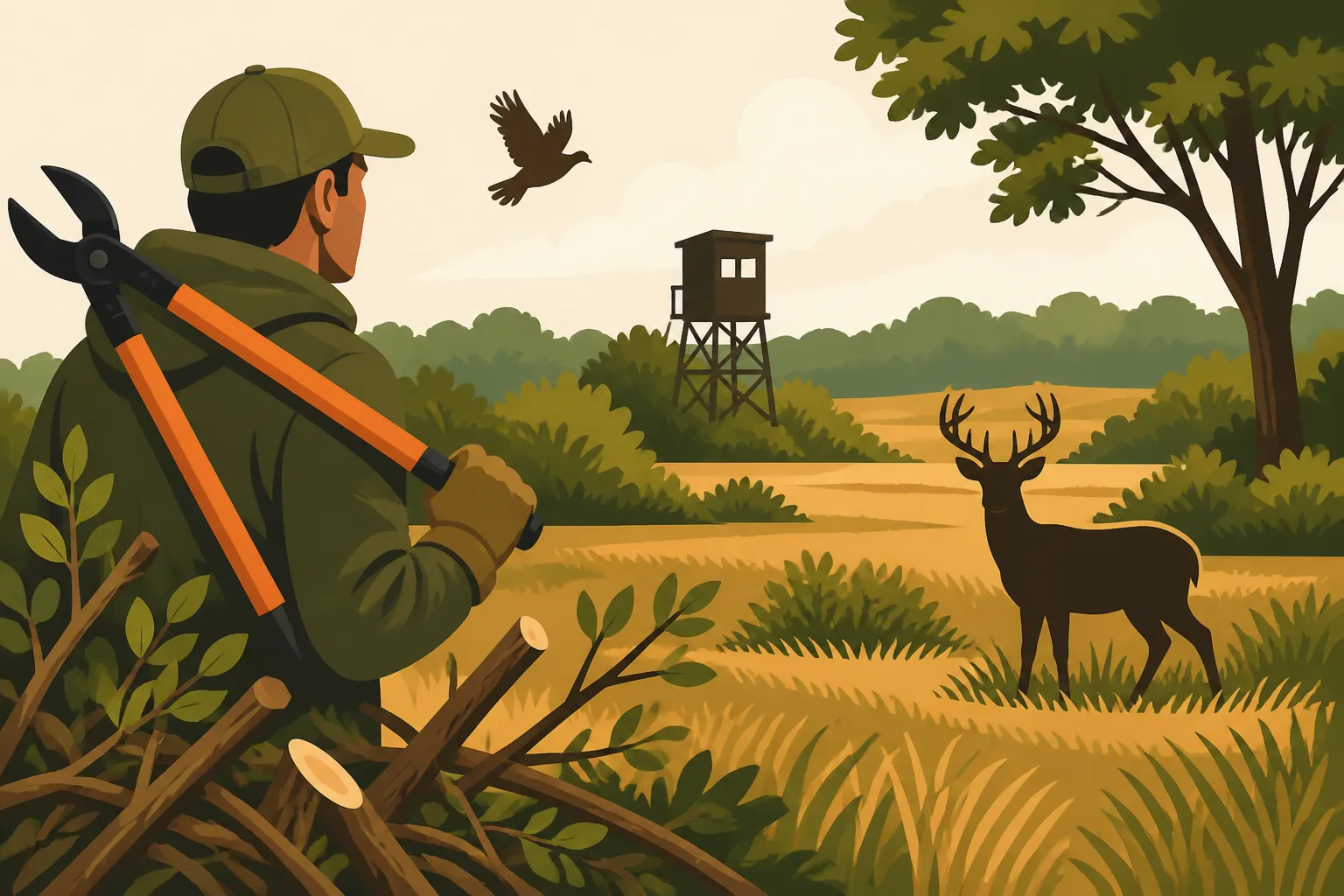
Habitat work here often involves restoring native prairies, which means planting diverse mixes of grasses and wildflowers. These deep-rooted plants provide excellent cover and food, and are more resilient than monoculture crops. Managers also use prescribed burning to maintain these grasslands, preventing them from turning into brushland or forests. Brush cutting and mowing are employed to create openings, establish edge habitat, or prevent woody encroachment in areas intended to remain open. These deliberate actions are crucial for sustaining species like pheasants, which thrive in healthy grass cover, directly impacting Pheasants and Wisconsin Farmland opportunities. These areas also provide critical escape cover and food sources for deer throughout the year.
The Role of Technology and Partnerships in Habitat Work
It takes a village, or in this case, a whole community of dedicated individuals, agencies, and technological advancements, to make habitat work truly effective. Hunters themselves play an integral role, often without even realizing it.
Using Mapping Tools to Understand and Plan
Behind every clear-cut, every restored wetland, and every prescribed burn is a tremendous amount of planning and data analysis. Wildlife area managers rely heavily on sophisticated mapping tools, like Geographical Information Systems (GIS) and high-resolution aerial photography, to understand landscape features, soil types, water flow, and existing vegetation. These technologies allow them to identify optimal locations for habitat projects, predict their impact, and monitor their success over time.
As a hunter, you can leverage similar technology to scout and plan your hunts, often seeing the direct results of this habitat work right on your screen. Applications like onX Hunt and GoHunt provide detailed satellite imagery, topographical maps, and public land boundaries, allowing you to identify habitat changes, timber cuts, food plots, and wetland features from your home. You can literally see where an area was clear-cut five years ago and understand why deer might be bedding there now, or why grouse might be using that specific aspen regeneration. This gives you a massive advantage, helping you identify areas that have been intentionally managed to funnel wildlife or provide dense cover. Reading Aerial Photos for Coulee Deer becomes a much more effective strategy when you have these powerful mapping capabilities at your fingertips, allowing you to interpret the impact of habitat work.
Hunter Contributions and Volunteer Efforts
It's easy to think of habitat work as something the "DNR does," but the truth is, hunters are absolutely central to funding and implementing these critical projects. Your hunting license fees, conservation stamps, and excise taxes on firearms and ammunition directly fund much of the habitat work happening on Wisconsin's wildlife areas. This self-funding model is a cornerstone of wildlife conservation in North America.
Beyond financial contributions, countless hunters volunteer their time and effort. Conservation organizations like Pheasants Forever, the Ruffed Grouse Society, Ducks Unlimited, and local sportsmen's clubs regularly organize work parties to plant trees, cut brush, build nesting boxes, and remove invasive species on public lands. These partnerships amplify the efforts of state agencies, demonstrating a shared commitment to healthy ecosystems and abundant wildlife. It's a powerful reminder that hunting isn't just about the harvest; it's about active participation in conservation.
How Habitat Work Benefits Your Hunting Success
Ultimately, all this hard work in the woods, fields, and marshes is about one thing for hunters: better opportunities. Understanding the goals and methods of habitat management can change how you view a public land parcel, turning a seemingly random landscape into a strategic chessboard where wildlife moves and thrives.
Improved Wildlife Populations
The most direct and obvious benefit of habitat work is, of course, healthier and more abundant wildlife populations. When deer have consistent, quality browse and secure fawning cover, their numbers can increase, and individual animals tend to be healthier. When wetlands provide optimal food and nesting conditions, more ducks and geese successfully fledge. And when young aspen stands regenerate, Wisconsin Ruffed Grouse Numbers Today see a direct positive impact.
Think about it: a wildlife area managed for diverse habitats means more places for animals to eat, sleep, raise their young, and escape predators. This ecological robustness translates directly into more successful hunts for you. You're not just hunting a random patch of woods; you're hunting a landscape that has been carefully curated to maximize its potential for game. This proactive approach helps mitigate factors like disease spread, as healthier populations in quality habitats are often more resilient, though ongoing Wisconsin Wildlife Disease Monitoring is always a priority.
Better Access and Hunting Opportunities
Beyond just boosting animal numbers, habitat work often inherently improves your ability to find and pursue game. Sometimes this is direct, such as when old logging roads are maintained for walking access, or small parking areas are established near productive new habitat. Other times, it's indirect but just as valuable.
By creating distinct habitat types – a clear-cut next to a mature forest, a restored prairie bordering a cattail marsh – managers create "edges" and "funnels" that deer and other game frequently use for travel and foraging. Knowing that a parcel has been actively managed means you can often predict where animals will be. Using your mapping apps, you can identify these habitat transitions and plan your approach accordingly. The active management on wildlife areas often means that even heavily pressured public land can hold pockets of exceptional hunting. By understanding where and why habitat work is being done, you can learn to read the landscape more effectively, find those overlooked spots, and increase your chances of success. It's about Finding Ground Others Walk Past by recognizing where the habitat has been specifically designed to hold game.
Here’s a quick overview of common habitat work and its benefits:
| Habitat Type | Common Work Practices | Primary Benefits for Hunters | Target Game Species |
|---|---|---|---|
| Forest/Woodland | Selective logging, clear-cutting, prescribed burns, tree planting | Increases deer browse, fawning cover, grouse/turkey habitat | Deer, Ruffed Grouse, Wild Turkey, Bear |
| Wetland/Marsh | Water level manipulation, invasive species removal, dike maintenance, food plots | Improves waterfowl food/nesting, opens water for ducks/geese | Ducks, Geese, Sandhill Cranes, Furbearers |
| Grassland/Prairie | Native grass planting, brush cutting, prescribed burns, mowing | Enhances nesting/brooding cover, fawning cover, small game | Pheasant, Wild Turkey, Deer, Rabbits, Songbirds |
| Early Successional | Clear-cutting, brush shearing, invasive control | Creates dense escape/thermal cover, diverse forage | Deer, Ruffed Grouse, Woodcock, Rabbits, Bear |
| Riparian (River/Stream) | Bank stabilization, invasive plant removal, tree planting | Improves water quality, fish habitat, creates travel corridors | Waterfowl, Deer, Furbearers, small game along edges |
Disclaimer
This article is for general informational purposes only and does not constitute professional advice. Laws, prices and regulations vary by location and change over time. Consult a qualified professional for guidance on your specific situation.