Food Plots on Wisconsin Public Land
The dream of stumbling upon a perfectly manicured food plot tucked away on Wisconsin public land, brimming with deer, is a common fantasy for many hunters. While that image might be a reality on sprawling private tracts, the truth about establishing or even finding traditional food plots on our public hunting grounds is quite different, and often, frankly, disappointing. This guide will dive into why that is, what kinds of natural forage are available, and how you can still find productive hunting without relying on planted plots.
The Reality of Food Plots on Wisconsin Public Land
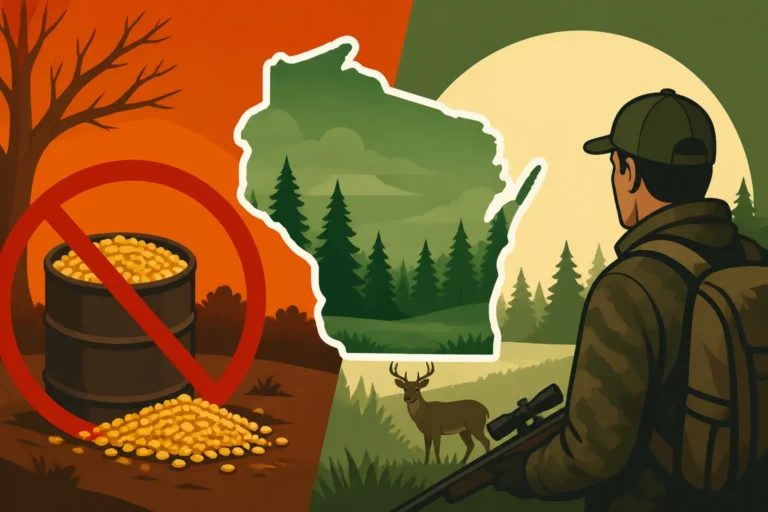
Let's get this out of the way upfront: if you're picturing a lush acre of clover, brassicas, or standing beans planted by some benevolent entity on public land for your hunting pleasure, you're likely going to be disappointed. The concept of private-style food plots, where hunters sow specific crops to attract deer, simply doesn't align with how public land is managed in Wisconsin.
Why You Won't Find Traditional Food Plots
The core reason you won't find traditional food plots on Wisconsin public land boils down to management philosophy, funding, and practicality. State and federal agencies managing these lands prioritize broader ecosystem health, habitat diversity, and public access for a variety of uses, not just deer hunting.
Firstly, planting and maintaining food plots requires significant resources: equipment, seeds, fertilizer, lime, labor, and ongoing weed control. These are costs that public land management agencies generally don't budget for in the context of creating hunter-specific food sources. Their budgets are often stretched thin just maintaining existing infrastructure, managing invasive species, and conducting prescribed burns for habitat renewal.
Secondly, allowing individual hunters to create their own food plots would lead to chaos. Imagine every hunter trying to plant their own small plot; it would destroy native habitats, introduce non-native species, and create territorial disputes. Public land is meant to be accessible and managed for all, not just those with the means or desire to plant their own attractants. DNR regulations are quite clear about not altering public lands without explicit permission, and this includes planting crops. The focus is on natural habitat.
Official Management Practices for Wildlife Forage
While you won't find a cornfield planted specifically for deer hunting on public land, this doesn't mean public lands are barren. On the contrary, Wisconsin's Department of Natural Resources (DNR) and other land managers implement various practices that create forage and habitat in a much broader, ecosystem-friendly way.
Think timber stand improvement, for instance. Managed timber harvests, particularly in the northern forests, create young growth, brush, and clearings that provide critical browse for deer. Aspen cuts, especially, are phenomenal for deer, grouse, and other wildlife. These aren't "food plots" in the traditional sense, but they are incredibly effective at providing natural food and cover. Similarly, prescribed burns can rejuvenate native grasslands, promoting new, nutritious growth that grazers like deer will seek out. You might also find areas managed for mast production, such as oak stands where acorns are a prized food source in the fall. Wetlands are managed for waterfowl, which also provides incidental food and cover for deer and other upland species along their edges. These habitat management practices benefit a wide range of wildlife, supporting overall ecological health rather than just concentrating one species for harvest. Learning to identify these areas is key to Scouting Wisconsin Public Land Before Season.
Understanding What "Food" Is Available on Public Land
So, if there aren't traditional food plots, what is there for deer to eat on Wisconsin public land? Plenty! The savvy hunter knows how to "read" the landscape to find natural food sources, which are often just as effective, if not more so, than planted plots on private land, especially when hunting pressure is factored in.
Natural Food Sources Hunters Should Focus On
Deer are browsers, and Wisconsin's diverse public landscapes offer a smorgasbord of natural forage. In the fall, acorns from oak trees are a classic deer magnet. A year with a heavy acorn crop can dramatically shift deer patterns, sometimes making them less reliant on other food sources. Learning to identify different oak species and scouting for acorn drop is a crucial skill. Similarly, beechnuts, apples (if old orchards exist on public boundaries), and various berries can be important.
Beyond mast crops, deer rely heavily on browse—the twigs, leaves, and buds of woody plants. Young forest regeneration, like that found in clearcuts or areas recovering from fires, provides an abundance of tender shoots. Deer will also eat specific forbs and grasses found in natural openings, marsh edges, or along old logging roads. Conifer stands, like cedars or pines, often serve as crucial thermal cover, but deer will also browse on them, especially during harsh winters when other food sources are buried under snow. These often become Late-Season Food Sources for Whitetails. When you're Hunting After an Acorn Failure, understanding alternative browse is absolutely critical for success.
Remnant Agriculture and Edge Habitats
While direct planting on public land is generally a no-go, many public land parcels, particularly in central and southern Wisconsin, directly border active private agricultural fields. These edges can provide all the benefits of a food plot without being on public ground. Think standing corn, soybean fields, alfalfa, or even cut hayfields. Deer will often bed in the safety of public woods or marsh and then funnel out to feed in these adjacent private fields under the cover of darkness.
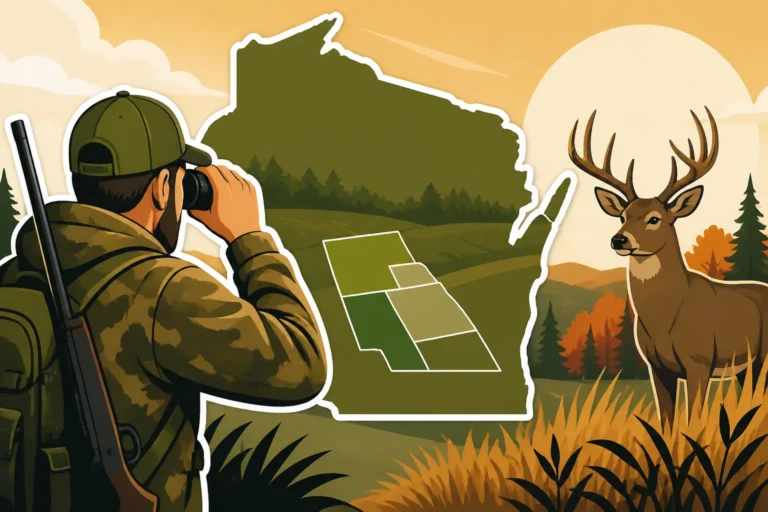
Hunting these "edge habitats" requires careful scouting. You'll need to identify typical deer entry and exit points, considering prevailing winds and thermal currents, especially in areas with varied topography like the Driftless Area. Reading Aerial Photos for Coulee Deer can be incredibly useful for pinpointing these transition zones. It's not uncommon to find heavily used trails leading from public timber or swamps directly into a private cornfield, offering excellent ambush opportunities. Just remember, you must stay on the public side of the fence, and never retrieve game from private property without explicit permission first.
Rules and Regulations Regarding Planting on Public Land
Understanding the rules is paramount. It's easy to get frustrated by the lack of "managed" food sources on public land, but attempting to create your own can land you in serious trouble.
The Legalities of Altering Public Land
Let's be crystal clear: you cannot, as an individual hunter, plant a food plot on Wisconsin public land without specific authorization from the managing agency. This applies to state forests, county forests, state wildlife areas, and national forests. The rules are in place to prevent habitat destruction, maintain natural ecosystems, and ensure fair chase among hunters. Ignorance of the law is not a defense, and penalties can include hefty fines, restitution for habitat damage, and even loss of hunting privileges.
Think about it from the land manager's perspective: if everyone planted what they wanted, public land would quickly become a patchwork of conflicting interests and non-native plants. This is why practices like baiting, which is essentially putting out a mini-food plot, are heavily regulated and often banned in many Wisconsin counties due to disease concerns like CWD. Hunting Deer Without Bait in Wisconsin becomes a critical skill to develop.
Exceptions and Special Permits
Are there ever exceptions? Very rarely, and usually not for individual hunter benefit. Sometimes, the DNR or a county forest might partner with conservation groups for specific habitat improvement projects that could involve planting certain beneficial forage, but these are large-scale, planned efforts, not something you can propose for your favorite hunting spot.
These projects would be publicly advertised, and participation would be as a volunteer in a broader conservation effort, not as a hunter planting a plot for personal use. Such efforts are typically focused on restoring native plant communities or enhancing specific habitats for multiple species, not just attracting deer for hunters. So, for all practical purposes, assume that planting anything on public land for hunting purposes is off-limits.
Effective Alternatives to Hunting Food Plots on Public Land
So, if traditional food plots are off the table, what's a public land hunter to do? Don't despair! Wisconsin's public lands offer fantastic hunting opportunities, you just need to shift your mindset from "where are the food plots?" to "where are the deer feeding naturally and safely?"
Focusing on Natural Food Sources and Funnels
The best public land hunters are expert scouts. Instead of looking for planted crops, they look for acorns, browsed areas, and natural openings that offer palatable forage. Learn to identify different tree species, especially oaks, and understand their mast production cycles. A good year for white oak acorns might draw deer to specific ridges, while red oaks might be preferred later in the season.
Beyond food, focus on bedding areas and the travel corridors, or "funnels," between bedding and natural food sources. Deer need to feel secure, and on public land, this often means seeking out the thickest, nastiest cover for bedding during daylight hours. Your job is to intercept them as they move from these sanctuaries to feed. Treestand Setups in Wisconsin Hardwoods should always consider these natural travel patterns and existing food sources. Tools like onX Hunt or GoHunt mapping apps are invaluable for identifying likely bedding areas (thick cover, south-facing slopes for warmth), potential travel routes (ridge lines, creek bottoms, pinch points), and areas with mature oaks. These apps allow you to mark observations like heavy browse, fresh tracks, or rub lines, helping you build a comprehensive picture of deer movement.
Identifying Remote Sanctuaries and Pressure-Free Zones
On public land, especially during peak seasons like Wisconsin's Nine-Day Gun Deer Season, hunting pressure is often the biggest factor influencing deer movement. Deer quickly learn to avoid easy-access areas. This means your focus should be less on where the easiest food is and more on where deer feel safe. Often, these two overlap in remote areas.
Look for public land spots that are far from roads, parking lots, and obvious trails. These "pressure-free zones" often require a longer walk, crossing difficult terrain (swamps, steep coulees), or navigating dense cover. Deer will naturally gravitate to these areas for security, and they'll find plenty of natural food there. These remote sanctuaries, often referred to as "thermal cover" or "bedding areas," become even more important than a food plot. Deer will often hold tight in these spots, even when natural forage is abundant, simply because they feel safe. Understanding how to find and hunt these overlooked spots is crucial for Finding Ground Others Walk Past.
Hunting Adjacent Private Land with Permission
Sometimes, the best "food plot" strategy for public land hunters is to seek permission on adjacent private land. Many private landowners cultivate food plots, and if you can secure permission to hunt a small portion of their property, or even just the public land edge bordering their property, you can capitalize on the deer that are already using those planted fields.
Building relationships with landowners takes time and respect. Offering to help with chores, respecting boundaries, and proving yourself as a responsible hunter can open doors. Even if you can't hunt the private land itself, simply knowing where a prime food plot is located on an adjoining property can help you understand deer movement patterns on the public land you do have access to. Remember, always ask for permission; never assume you have it. This is where the art of Asking a Wisconsin Farmer for Permission comes into play.
Here's a quick comparison of traditional food plots versus typical public land forage:
| Feature | Traditional Food Plot (Private Land) | Managed Public Land Forage (Public Land) |
|---|---|---|
| Purpose | Attract and hold deer for hunting. | Promote diverse wildlife, ecosystem health, timber production. |
| Primary Crops/Growth | Clover, brassicas, corn, soybeans, alfalfa. | Native browse, acorns, natural grasses, young forest growth. |
| Maintenance | Regular planting, fertilizing, weed control. | Timber harvests, prescribed burns, invasive species control. |
| Cost | High (seed, equipment, labor). | Integrated into broader land management budgets. |
| Hunter Control | High (can choose crops, location). | None (hunters cannot plant without permission). |
| Deer Reliance | Can concentrate deer, especially in agricultural areas. | Dispersed deer; often part of larger home ranges. |
| Hunting Strategy | Stand over plot, ambush entry/exit. | Scout natural food, bedding, funnels; adapt to pressure. |
| Ethical/Legal Status | Legal on private land with permission. | Generally illegal for individuals on public land. |
Ultimately, hunting food plots on Wisconsin public land isn't about finding cultivated fields. It's about understanding natural food sources, deer behavior, and adapting your hunting strategy to the unique challenges and opportunities that public access land provides. With careful scouting and a willingness to work harder and smarter, you can absolutely find success.
Disclaimer
This article is for general informational purposes only and does not constitute professional advice. Laws, prices and regulations vary by location and change over time. Consult a qualified professional for guidance on your specific situation.