Buying Into a Wisconsin Deer Camp
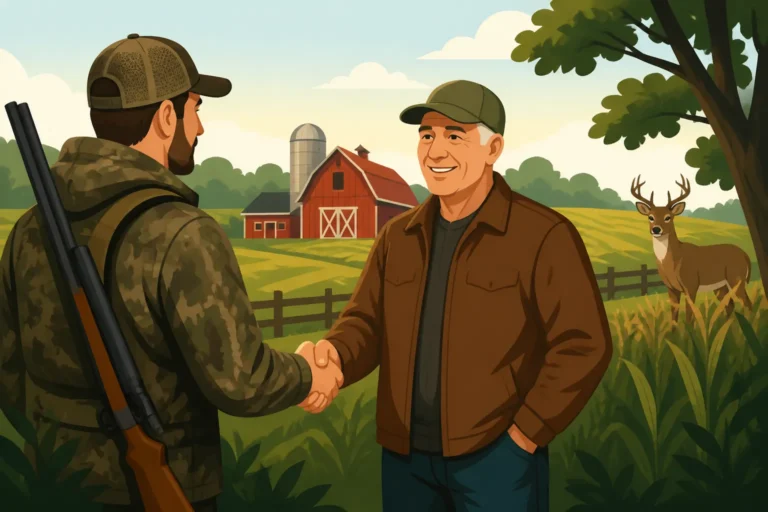
The idea of owning a piece of Wisconsin hunting heaven, a shared sanctuary with friends or family where memories are forged and venison is grilled, often feels like the ultimate dream for many hunters. But let's be real, simply "buying into a deer camp" can be a complex, sometimes intimidating, journey, especially if you're new to the concept of shared land or don't have existing family ties. This guide is here to walk you through the practicalities, financial considerations, and social dynamics of making that deer camp dream a reality, helping you understand what it truly means to join such a cherished tradition.
The Enduring Appeal and Reality of a Wisconsin Deer Camp
There’s something almost sacred about a Wisconsin deer camp. It's more than just a place to hang your blaze orange during the Wisconsin Gun Deer Season Structure; it's a generational experience, a retreat, and a hub of camaraderie. For many, it evokes images of smoky wood stoves, shared meals, endless stories, and the quiet anticipation of the morning hunt. But stepping into this world, especially as a newcomer, means understanding both the romantic ideal and the nuts-and-bolts reality of what it entails.
The Dream Versus the Practicalities
The dream is often picturesque: a rustic cabin nestled deep in the Northwoods, surrounded by prime whitetail habitat, shared with a band of brothers (or sisters, or cousins) who think and hunt just like you. You envision easy access to miles of timber, abundant deer sign, and a seamless flow of good times. The reality, however, can sometimes present a few more bumps in the logging road.
First off, finding an existing camp for sale that aligns with your vision and budget isn't always straightforward. Many camps are passed down through families, and when they do hit the market, they can move quickly. Then there’s the condition of the property itself. Are you looking for a turnkey setup, or are you prepared for a project? A fixer-upper might be cheaper upfront, but the sweat equity and ongoing repair costs can quickly add up. Furthermore, the land quality is paramount. Is it truly good hunting ground, or does it just look good on paper? Are you hunting contiguous acres, or is it a patchwork of smaller parcels? This is where tools like onX Hunt can be invaluable, allowing you to quickly visualize property boundaries, analyze terrain, and understand the surrounding land ownership. It's a fantastic way to verify if the "prime hunting ground" lives up to its name before you get too deep into negotiations.
What Defines a "Deer Camp" Anyway?
The term "deer camp" itself is quite broad in Wisconsin. It could be anything from a dilapidated shack with an outhouse and no running water, to a fully-equipped modern cabin with satellite TV and indoor plumbing. It might be owned by a single individual and simply "camped in" by friends, or it could be a formal LLC with multiple shareholders and strict rules. The most common understanding, though, is a shared property—usually a cabin or small lodge with a parcel of hunting land—where a group of individuals gathers, primarily for the various deer seasons, but often for other activities like spring turkey hunting or general getaways.
These camps are often steeped in Wisconsin Deer Camp Traditions. They are places where stories are told and retold, where meals are a communal event, and where the bond of hunting together runs deep. The definition also extends beyond just a physical structure. Sometimes, "deer camp" refers more to the annual gathering and the group dynamic than the actual building itself. You might have a group that leases a substantial tract of land each year, setting up travel trailers or wall tents, and they'd still call it "deer camp." This flexibility means there are more options out there than just buying a traditional cabin, but it also means clarifying expectations upfront is absolutely essential. Are you buying into a building, a piece of land, a tradition, or all of the above?
Navigating the Financials: Ownership, Costs, and Contributions
One of the biggest hurdles to buying into a deer camp is, unsurprisingly, the money. It's not just the initial buy-in; it's the ongoing financial commitment, and how those costs are fairly distributed among the members. This is where dreams often meet the cold, hard numbers, and it requires careful planning and open communication to avoid future friction.
Understanding Ownership Models
Deer camps typically fall into a few different ownership models, each with its own implications for cost, control, and commitment. It's crucial to understand these before you even start looking, as they dictate everything from how you buy in to how you eventually exit, should that time come.
The simplest model is often joint tenancy or tenants in common, where multiple individuals simply co-own the property. This can work for smaller, tightly-knit groups, but it can get messy if disagreements arise or if a member wants to sell their share. Another common structure for more formalized groups is an LLC (Limited Liability Company) or a similar corporate entity. Here, the camp and land are owned by the LLC, and individuals purchase shares in the company. This offers a clearer legal framework, can protect individual members from certain liabilities, and usually has established bylaws for how shares are transferred, how decisions are made, and how disputes are resolved. Some camps might operate as a hunting club with a formal lease arrangement, where members pay annual dues to access the land, but don't hold equity in the property itself. This is often the case when a group decides to go Finding a Wisconsin Hunting Lease rather than purchase.
Here’s a quick overview of common ownership structures:
| Ownership Model | Description | Pros | Cons |
|---|---|---|---|
| Joint Tenancy | Multiple individuals own the property equally with rights of survivorship. | Simple to set up initially, clear inheritance among owners. | Can be inflexible if one owner wants out; disagreements can stall decisions. |
| Tenants in Common | Multiple individuals own specified, often unequal, percentages of the property. | Allows for varied investment levels; easier to transfer a share. | No automatic inheritance (must be willed); requires strong initial agreement on responsibilities. |
| Limited Liability Co. (LLC) | Property owned by the company; individuals own shares in the LLC. | Formal structure; liability protection; clear rules for transfer/exit. | More complex to set up; ongoing administrative costs; requires formal bylaws. |
| Hunting Club (Lease) | Members pay annual fees to access leased land; no property ownership. | Lower upfront cost; flexibility to change locations annually. | No equity built; lease terms can change; no control over property improvements. |
Regardless of the model, you need to know exactly what your buy-in covers. Is it just the land? The cabin too? What about equipment, like tractors, ATVs, or tools that might be at the camp? Get everything in writing. This isn't just about protecting your investment; it's about ensuring everyone is on the same page and preventing misunderstandings down the line. It's also vital to consider how a member might eventually sell their share or exit the group. Are there buy-out clauses? First refusal rights for other members? These are awkward questions to ask, but far more awkward to deal with in a crisis.
Beyond the Purchase Price: Ongoing Expenses and Fairness
The initial cost of buying into a camp is just the beginning. Deer camps, like any property, come with a host of ongoing expenses. You'll need to factor in annual property taxes, insurance, utilities (electricity, propane, internet if available), and maintenance. Even the most rustic cabin needs a new roof, well repairs, or septic system work eventually. Then there are the consumables: firewood, propane for heating or cooking, general supplies, and maybe even a communal food fund if meals are shared.
Consider a hypothetical camp in Vilas County. The yearly taxes could be substantial, and if the camp runs off a well and septic system, there will be periodic maintenance costs for those. What about a new generator if the old one fails? Or repairs to a snowmobile shed? These expenses can quickly add up, and the fair distribution of these costs is crucial for the longevity of the camp and the harmony of its members. Most camps operate on an annual dues system, where each member contributes a set amount to cover these anticipated costs. However, major capital improvements (like a new well or cabin addition) might require special assessments or additional contributions.
It's also important to discuss how labor contributions are valued. Not every member might be equally handy or have the time to come up for work weekends. Some camps have a system where members can "buy out" their labor requirement, contributing financially instead of physically. Others expect everyone to pitch in equally. If you’re joining an existing group, ask about their Wisconsin Deer Camp Costs structure and whether it’s truly equitable. You don't want to be the person doing all the work, or feeling like you're paying for someone else's vacation.
Finding Your Tribe: People, Personalities, and Property
Finding the right deer camp isn't just about finding the right piece of land; it's about finding the right group of people. You'll be spending a lot of time with these individuals, often in close quarters, and their personalities, hunting styles, and expectations will heavily influence your experience. It's almost like dating – you want to find a good match!
Scouting the Land and the Group
When you're looking at a potential camp, you're not just scouting for deer sign; you're scouting the social landscape. Take the time to visit the camp outside of hunting season, if possible. Spend a weekend there, not just a quick walk-through. Observe the dynamics of the group. Do they communicate openly? Do they laugh easily? Are there any underlying tensions? You want to see how decisions are made, how chores are handled, and how conflicts are resolved (or not).
Consider what kind of hunter you are and what you're looking for in a camp. Are you a solitary still-hunter who craves quiet mornings, or do you thrive on large Deer Drives With Three or Four Hunters? Some camps are highly social, with late-night card games and storytelling, while others are more focused on hunting, with early bedtimes and quiet mornings. If you prefer a more relaxed approach to hunting, but the camp is intensely competitive with strict rules about stand placement and deer passed, it might not be the right fit. Tools like onX Hunt can help you understand the actual property layout and features, confirming if it aligns with your preferred hunting style—whether that's finding remote pockets that see fewer Hunting Pressure on Wisconsin Public Land or identifying potential Hunting a Funnel Between Two Swamps.
It’s also wise to inquire about the property's history. How long has the group been together? Why is a share becoming available? Is it simply retirement, or are there underlying issues that caused a previous member to leave? Asking these questions upfront, while perhaps uncomfortable, can save you a lot of heartache in the long run. Don't be afraid to ask for references from past members, if appropriate.
Red Flags and Green Lights in Camp Dynamics
During your "scouting" of the group and property, pay close attention to certain signals.
Red Flags:
- Lack of clear rules or bylaws: If everything is "understood" or "just how we do things," it's a recipe for future arguments. Clear, written agreements are essential.
- Dominant personalities or cliques: Does one person make all the decisions? Are new ideas dismissed out of hand? Is the group fractured into smaller, exclusive cliques? This can make integration difficult and lead to resentment.
- Unresolved past conflicts: If there's a history of major arguments or members leaving on bad terms, probe into why. Was it a personality clash or a deeper structural problem with the camp?
- Poor maintenance: A camp that’s falling apart might indicate a lack of collective responsibility or financial commitment, suggesting you'll be burdened with a lot of future work or expense.
- Vague financial commitments: If you can't get clear answers on annual dues, special assessments, or how major purchases are handled, be wary.
- Conflicting hunting philosophies: If you're passionate about quality deer management and the camp prioritizes "shoot the first legal deer," you'll likely find yourself frustrated. This could also extend to things like Hunting Deer Without Bait in Wisconsin versus those who rely on it where legal.
Green Lights:
- Clear, written agreements: Bylaws, partnership agreements, or a detailed operating agreement are strong indicators of a well-managed camp.
- Open communication and respectful debate: Members should be able to voice opinions and disagreements without it turning personal.
- Shared workload and equitable contributions: Everyone pitches in, whether with money, labor, or both, and there’s a sense of fairness.
- Established traditions with room for new ideas: A camp with a rich history is great, but one that's also open to evolving and incorporating new members' perspectives is even better.
- A strong sense of camaraderie: Ultimately, you want to feel like you're joining a family, even if it's a chosen one. You'll be spending long hours with these people, so genuine enjoyment of their company is paramount.
- Well-maintained property: A camp that’s cared for shows collective pride and responsibility.
Remember, buying into a deer camp is a significant investment, both financially and emotionally. Don't rush into it. Take your time, ask tough questions, and make sure it feels right for both the land and the people.
Beyond the Hunt: Camp Culture, Rules, and Responsibilities
A deer camp, much like any community, thrives on its unique culture and the unspoken (or sometimes very spoken) rules that govern it. It's more than just hunting; it's about the shared experience, the traditions, and the responsibilities that bind the group together. Understanding and respecting these aspects are key to a successful and enjoyable long-term membership.
Embracing Established Traditions (or Forging New Ones)
Every deer camp worth its salt has traditions. These can range from specific meal schedules (chili on opening night, venison stew on Saturday) to ceremonial rituals (the "first blood" toast, the annual card game tournament, or specific post-hunt activities). Some camps have a designated "cook," while others rotate the duty. There might be a mandatory poker night or a specific time for sharing hunting stories around the fire. Being aware of these Wisconsin Deer Camp Traditions and showing a willingness to participate—even if you're quietly observing at first—is essential for fitting in.
You might bring your own traditions and ideas to the table, and over time, if you're a good fit, you might even influence some of the camp's customs. Perhaps you introduce a new way of Butchering a Deer at Camp that’s more efficient, or suggest a group scouting trip before the season, using mapping apps like onX Hunt to explore new territory. However, in the beginning, humility and respect for the existing ways are paramount. Think of yourself as an apprentice in the camp's lore. Listen more than you speak, and contribute positively wherever you can.
The culture also extends to the "unwritten rules" around the actual hunt. Is there an understood pecking order for stand spots? How are communal hunting areas managed? Are certain areas off-limits during specific times? These nuances are rarely in a formal document, but they are deeply felt and enforced through social cues. Observing the long-timers will give you a good sense of how things operate. For example, if you're considering hunting a particular ridge, you might hear subtle hints about who "usually" hunts that area. Respecting these informal boundaries, at least initially, shows you value the group dynamic.
Conflict Resolution and Keeping the Peace
Let's face it: put a group of people in close quarters, under the stress of hunting season, often fueled by anticipation and maybe a few adult beverages, and conflicts are bound to arise. Whether it's a disagreement about a shared chore, a hunting decision, or differing opinions on how to handle a deer that was wounded, knowing how the camp addresses these issues is critical.
A healthy camp will have mechanisms for resolving disputes fairly and respectfully. In an LLC structure, this might be outlined in the bylaws, requiring a vote or arbitration. In less formal setups, it often relies on an elder statesman, a camp "manager," or simply an open group discussion. The key is that conflicts are addressed, not left to fester. Ignoring small issues can lead to passive aggression and eventually, a breakdown of trust, which is the last thing you want when you're relying on these individuals for shared experiences and safety in the woods.
Part of keeping the peace is also about understanding your own role and responsibilities. Are you pulling your weight with chores, contributing to the communal pot, and respecting shared resources? Being a good camp member means more than just showing up to hunt. It means offering to help with Field Dressing a Deer in Cold Weather, assisting with camp maintenance, following the rules for Wisconsin Carcass Transport Rules, and registering your deer promptly. It means accepting that sometimes, personal preferences might need to be set aside for the good of the group. If the group decides to implement new strategies after Hunting After an Acorn Failure, for example, you should be willing to adapt.
Ultimately, buying into a Wisconsin deer camp is about more than just a real estate transaction. It's an investment in a lifestyle, a community, and a legacy. Choose wisely, contribute wholeheartedly, and you'll find yourself part of something truly special, a place where the hunt is just one piece of a much larger, richer experience.
Disclaimer
This article is for general informational purposes only and does not constitute professional advice. Laws, prices and regulations vary by location and change over time. Consult a qualified professional for guidance on your specific situation.