Wisconsin Managed Waterfowl Draw Rules
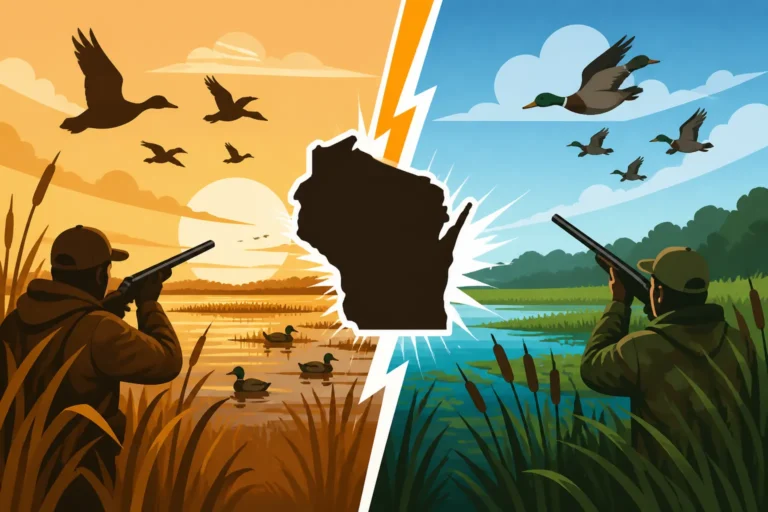
It's a familiar feeling for many Wisconsin waterfowl hunters: you scout a promising marsh, see the ducks piling in, and dream of a perfect morning hunt, only to discover it's part of a managed area with a special draw. The regulations can seem like a confusing maze, leaving you wondering how anyone gets to hunt these prime spots. This guide is here to untangle the Wisconsin managed waterfowl draw rules, helping you understand the process, improve your chances, and confidently participate in these unique hunting opportunities.
The Why and Where: Wisconsin's Managed Waterfowl Areas Explained
Wisconsin is truly blessed with incredible waterfowl hunting, but some of our most productive wetlands are also our most sensitive, requiring careful management to maintain both habitat quality and fair hunting opportunities. That's where managed waterfowl areas and their draw systems come in. They're designed to reduce pressure, improve hunter experience, and protect critical nesting and staging grounds for ducks and geese.
Why Managed Hunts Are Necessary
Think about it: if every square foot of a prime waterfowl refuge like Horicon Marsh were open to everyone all the time, it would be an absolute circus. The birds would be pushed out immediately, the habitat would suffer from overuse, and the hunting experience would be terrible for everyone involved. Managed hunts, through their draw systems, create a more controlled environment. They limit the number of hunters in a given area at any one time, allowing portions of the marsh to rest, ensuring birds have undisturbed loafing and feeding areas, and ultimately providing a higher quality hunt for those who are drawn. It's not about making things harder; it's about making them sustainable and enjoyable.
This system also plays a crucial role in managing wildlife populations and gathering data. By controlling hunter numbers and tracking harvest, wildlife managers can get a clearer picture of duck and goose populations, habitat effectiveness, and the overall health of the ecosystem. It's a delicate balance, and these managed areas are at the forefront of conservation efforts, allowing us to hunt while ensuring there's something left for future generations. It can be frustrating when you feel shut out, but understanding the bigger picture helps us appreciate the necessity of these regulations.
Key Managed Waterfowl Areas in Wisconsin
When we talk about managed waterfowl draws in Wisconsin, a few names always rise to the top. Horicon Marsh, without a doubt, is the most famous, especially for geese. It's a massive, iconic wetland that draws birds from all over the flyway. The federal refuge and the state wildlife area both have specific draw systems, often differing in their rules and application periods. Getting a spot at Horicon is often a bucket list item for many waterfowlers. You can learn more about Hunting Horicon Marsh Waterfowl in a dedicated guide.
Beyond Horicon, other significant managed areas include Necedah National Wildlife Refuge, Crex Meadows Wildlife Area, Mead Wildlife Area, and scattered state-managed lands that might offer smaller, localized draws for specific periods. These areas are vital stopovers for migrating ducks and geese, offering rich food sources and protected roosting sites. Each of these locations will have its own unique set of rules, drawing periods, and hunt structures, so it's critical to research the specific area you're interested in. The diversity of these areas, from vast cattail marshes to flooded timber, means there's a unique challenge and reward waiting at each.
Understanding Different Draw Types and Periods
It's not a one-size-fits-all approach when it comes to managed waterfowl draws. You'll encounter different "draw types" that dictate how permits are allocated. Some areas might have a strict lottery system where everyone has an equal chance each year, while others might incorporate a preference point system, similar to bear or turkey draws, where unsuccessful applicants gain an advantage in future years. It's vital to check if the area you're applying for uses preference points, as it can significantly influence your long-term strategy.
The "periods" are also crucial. Managed hunts are often broken down into specific timeframes, or periods, within the larger waterfowl season. For instance, Horicon might have multiple goose hunting periods throughout the fall, each with its own draw. This allows for staggered hunting pressure and provides opportunities across the migratory season. Pay close attention to these periods when applying, as your success could depend on selecting the right one for your availability and preferred hunting conditions. Don't forget to review the Wisconsin Waterfowl Seasons and Zones for the broader context of legal hunting dates.
Decoding the Application Process for Waterfowl Draws
The application process for these managed hunts can feel daunting, especially if you're new to it. But once you understand the basic steps and where to find the information, it becomes much more manageable. The key is to be proactive, pay close attention to deadlines, and understand the system.
Your Go Wild Account and Application Basics
Virtually all managed hunt applications in Wisconsin go through the DNR's "Go Wild" licensing system. If you're hunting in Wisconsin, you likely already have a Go Wild account. This is your central hub for purchasing licenses, stamps, and applying for all special permits, including managed waterfowl draws. Make sure your account information is up to date, especially your contact details, as notifications about draw results will typically come through email or be posted directly to your account.
When you're ready to apply, you'll log into your Go Wild account and look for the "Managed Hunts" or "Application" sections. Here, you'll find a list of available draws. It's important to click through and read the specific rules for each hunt. Don't just assume they're all the same. Each managed area will have a detailed description of the hunt, including the species targeted, specific hunt dates, allowed methods, and any unique regulations that apply. This due diligence upfront can save a lot of headaches later.
Deadlines, Fees, and Group Applications
This is where many hunters trip up: missing deadlines. Managed waterfowl draws have strict application deadlines, and there are no exceptions. These dates are typically published well in advance, often in late summer or early fall, preceding the waterfowl season. Mark your calendar, set reminders, and apply early to avoid last-minute technical glitches or forgetting entirely. There's nothing worse than realizing you missed the window for a coveted draw.
There will also be a small application fee associated with each draw application. This fee covers the administrative costs of running the lottery and managing the permits. It's important to remember that this is an application fee, not a guarantee of a permit. You'll pay the fee whether you are drawn or not. Additionally, many managed hunts allow for group applications. This means you and a buddy (or several buddies) can apply together, and if your group is drawn, everyone in the group gets a permit. This is a popular option for hunting parties, but be aware that if one person in the group already has points or certain eligibility, it might affect the group's overall chances. Carefully review the rules for group applications, as they can vary.
What Happens After You Apply (the waiting game)
Once you've submitted your application and paid your fee, it's time for the waiting game. The DNR will process all applications, conduct the random draw (or preference point calculation), and then release the results. The method and timing of result notifications vary, but you can usually expect an email notification, and the results will be posted to your Go Wild account. Check your spam folder regularly, just in case!
If you are drawn, congratulations! You'll then receive instructions on how to accept your permit, what to expect, and where to find more detailed information about the specific hunt. If you're not drawn, don't despair. It's a lottery, and success rates can be low for popular hunts. The good news is that for some draw types, an unsuccessful application may earn you a preference point, increasing your odds for future seasons. Always confirm if the hunt you applied for awards preference points. It's important to keep track of these points as they accumulate over the years.
From Draw to Duck Blind: Preparing for Your Managed Hunt
Getting drawn for a managed waterfowl hunt is exciting, but it's just the first step. The real work begins now: preparing for the hunt itself. These areas often have unique challenges and regulations, so thorough preparation is key to a successful and enjoyable experience.
Essential Pre-Hunt Scouting and Intel Gathering
Once you've received your permit, the very first thing you should do is dive deep into the specific rules for your managed area and your hunt period. This will include maps of allowed hunting zones, specific shooting hours (which can differ from statewide regulations), designated parking areas, blind site rules, and retrieve restrictions. Many managed areas will have online resources, maps, and even virtual tours available. Take advantage of every piece of information you can find.
While direct, on-the-ground scouting might be restricted before your hunt period, virtual scouting is invaluable. Use tools like onX Hunt to study aerial imagery, topo maps, and public land boundaries. Look for access points, potential blind locations (if not assigned), water depths, and vegetation patterns. Identify pinch points, loafing areas, and food sources that ducks and geese might be utilizing. Even if you can't walk the ground, you can develop a solid plan of attack. You can even use onX Hunt to mark potential boat launches or walk-in access trails. Also, check for online forums or social media groups dedicated to hunting specific managed areas, as fellow hunters often share general tips (without giving away honey holes, of course!).
Understanding On-Site Rules and Regulations
Managed areas typically have a much more extensive rulebook than general public land, and for good reason. These rules are designed to protect the resource, ensure hunter safety, and maintain a fair hunting experience. Common rules include specific check-in/check-out procedures, designated shooting times (which might be later than legal shooting hours elsewhere), restrictions on boat types or motors, limitations on the number of decoys, and assigned blind sites or zones. Some areas might even require you to draw a specific blind site on the morning of your hunt.
It is absolutely crucial to read and understand every single rule before you set foot in the field. Ignorance of the rules is not an excuse and can result in fines, permit revocation, or even a ban from future draws. Carry a copy of the specific regulations with you, and don't be afraid to ask questions of the local warden or property manager if something is unclear. Adhering to these rules not only keeps you out of trouble but also ensures that these managed areas continue to provide quality hunting opportunities for everyone. It's a small price to pay for access to some of the best waterfowl hunting Wisconsin has to offer.
Gear Considerations for Specific Managed Areas
The gear you bring for a managed waterfowl hunt might differ significantly from what you'd pack for a casual jump-shooting trip on a river. Since these areas are often intensively managed, they can present unique challenges. For example, some areas might have very shallow water, requiring specialized shallow-draft boats or even chest waders for extensive walking. Others might be very deep, necessitating a layout boat or substantial blind setup.
Consider the retrieve rules as well; some areas restrict dogs or require you to retrieve birds immediately, making a reliable retriever or a quick retrieve tool essential. Don't forget your Wisconsin Federal Duck Stamp Rules and Wisconsin HIP Certification for Bird Hunters are always required for waterfowl. You'll also need to factor in the distance from parking to your hunt spot. Is it a long haul? A robust waterfowl cart or sled could be a game-changer. Think about the type of cover available for natural blinds, or if you'll need to bring a portable blind. The specific conditions of your drawn area will dictate much of your gear list, so tailor it accordingly.
Making the Most of Your Opportunity and Common Challenges
You've done the research, you've applied, and you've been drawn. Now it's time for the hunt. But even with a permit in hand, there are still strategies and considerations to ensure you have a successful and ethical experience.
Maximizing Your Chances on the Day
Once you arrive at the managed area, typically very early in the morning, pay attention to the conditions. Wind direction and speed, recent weather patterns, and temperature can all influence bird movement. If blind sites are drawn on-site, choose wisely based on your scouting and the current conditions. Look for areas that offer natural concealment, good flight paths, and proximity to known food sources or roosting areas. Don't just pick the first available spot; put some thought into it.
Your decoy spread is crucial. Research what other successful hunters are doing in that specific area, but also be adaptable. Are the birds shy? Go with a smaller, more natural spread. Are they working aggressively? Maybe a larger, more active spread with motion decoys is appropriate. Calling is another key component. Practice your calls beforehand and use them judiciously. Sometimes less is more, especially on pressured birds. And always, always prioritize safe firearm handling. Remember that often other hunters are in close proximity, so be extra vigilant about your shooting lanes and target identification.
Dealing with Pressure and Other Hunters
Even in managed areas with controlled hunter numbers, you're likely to encounter other hunters. It's simply the nature of hunting prime waterfowl habitat. The key is to be respectful, communicate, and maintain good hunting etiquette. If you're on an assigned blind, you know your boundaries. If you're in a more open zone, try to give other hunters ample space. Setting up too close can ruin both your hunt and theirs.
Part of being a good sport means understanding that you might not be the only one seeing birds, or that ducks might flare from another hunter's calls. Focus on your own setup and your own hunting partners. If communication is needed, be polite and concise. Don't engage in shouting matches or try to "skybust" birds far out to draw them away from others. Remember, everyone is there for the same reason, and a little courtesy goes a long way. This is particularly relevant in high-traffic areas, so plan your approach, perhaps by utilizing onX Hunt to locate less-traveled edges or interior spots.
Respecting the Resource and Reporting Success
Successfully harvesting ducks or geese from a managed area is a rewarding experience, but the responsibility doesn't end when the bird hits the water. Proper retrieval, processing, and reporting are critical. Ensure you retrieve every bird you shoot; leaving wounded or dead game in the field is unethical and a waste of the resource. Use your retriever if you have one, or a boat and long pole for difficult retrieves.
Many managed areas require you to check out and report your harvest. This data is incredibly important for wildlife managers, helping them track success rates, understand bird populations, and make informed decisions for future seasons. Be honest and accurate in your reporting. Finally, ensure your birds are properly tagged and transported according to Wisconsin Carcass Transport Rules. Handling your game respectfully and following all post-hunt regulations is the final step in being a responsible and ethical waterfowl hunter in Wisconsin.
Comparison of Hunting Scenarios
To help understand the distinctions, here's a quick comparison of what you might expect between hunting an unmanaged public lake versus a managed draw area.
| Feature | Standard Public Land Waterfowl Hunting | Managed Draw Waterfowl Hunting |
|---|---|---|
| Access | Open to all licensed hunters | Requires successful draw application |
| Pressure | Can be very high, especially on weekends | Controlled and often lower due to limited permits |
| Regulations | General state and federal laws | Additional site-specific rules, zones, shooting times |
| Scouting | Unlimited, open access | May have restricted access prior to hunt dates |
| Hunting Zones | Hunter's choice within legal limits | Assigned zones, blind sites, or shooting areas |
| Success Rates | Varies widely | Potentially higher due to managed habitat & pressure |
| Effort to Access | Minimal (buy license, go hunt) | Significant (apply, wait, prepare for specific rules) |
| Preparation Level | Moderate | High (detailed rule review, virtual scouting) |
Disclaimer
This article is for general informational purposes only and does not constitute professional advice. Laws, prices and regulations vary by location and change over time. Consult a qualified professional for guidance on your specific situation.