Necedah Refuge Hunting Access
Many hunters in Wisconsin hear "National Wildlife Refuge" and immediately assume that means "no hunting allowed," or they get lost in a sea of federal regulations that feel vastly different from state rules. It's a valid frustration, because navigating federal lands can indeed feel like deciphering ancient texts. This guide is here to clarify the specific hunting opportunities and crucial access requirements at Wisconsin's Necedah National Wildlife Refuge, helping you understand where you can go, what you can pursue, and how to confidently plan your next outdoor adventure in this unique landscape.
The Unique Landscape of Necedah National Wildlife Refuge
The Necedah National Wildlife Refuge isn't just another patch of public land; it's a critical conservation area with a rich history and a very specific ecological purpose. Located in Juneau County, this refuge spans tens of thousands of acres, offering a diverse array of habitats that attract an impressive variety of wildlife. Understanding its unique characteristics is the first step to a successful and compliant hunt.
A Mosaic of Habitat Types
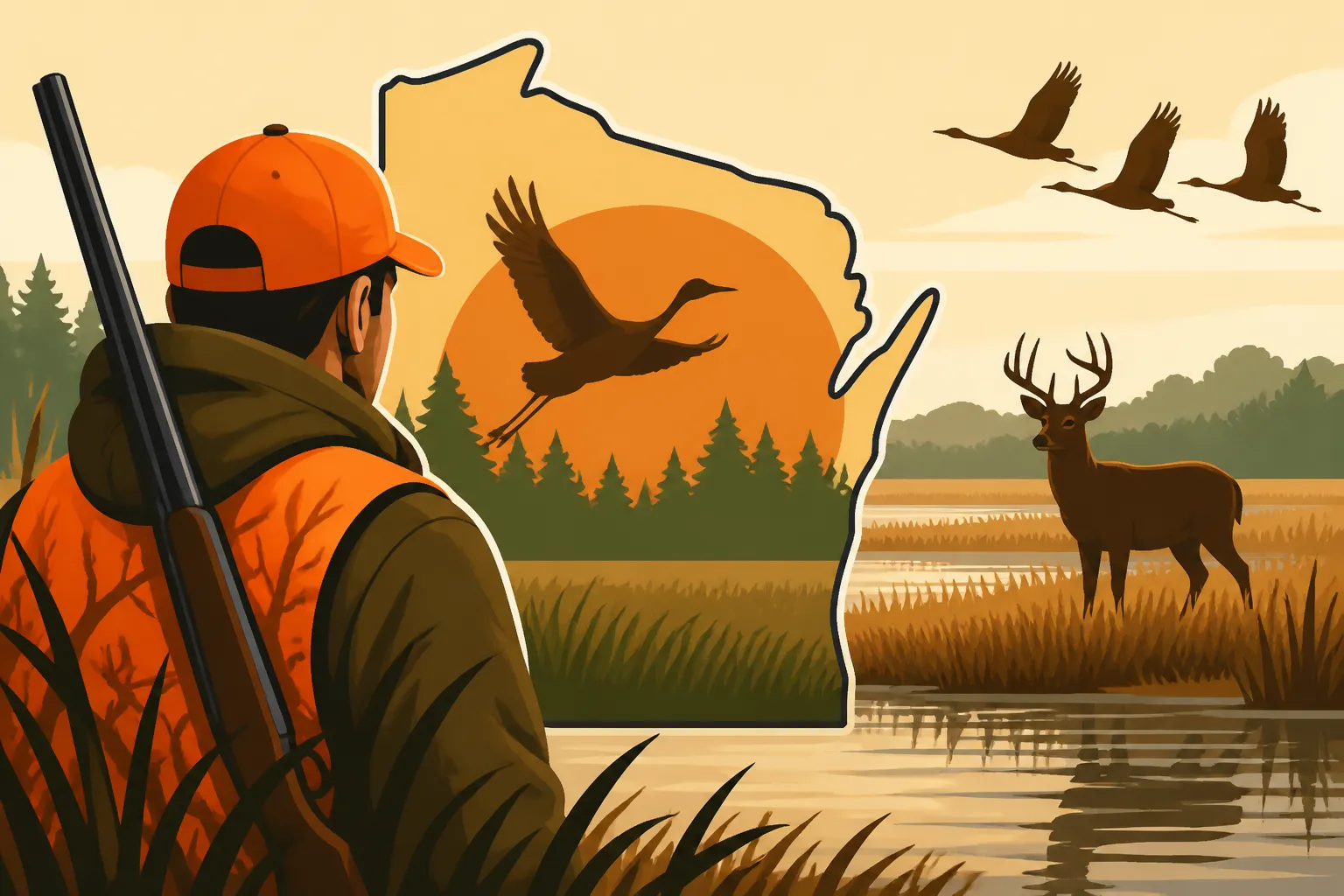
Necedah is a true ecological tapestry, a place where vast expanses of wetlands meet towering pine forests, and ancient oak savannas slowly transition into sand prairies. This varied landscape is by design, meticulously managed to support diverse ecosystems. You’ll find extensive sedge meadows and marshes, vital for migratory waterfowl and shorebirds. Interspersed throughout are tracts of jack pine and red pine, providing cover and food for deer and other forest dwellers. The refuge also boasts significant areas of oak savanna, a rare and declining habitat type, with scattered oak trees providing acorns for deer, turkeys, and squirrels. This mosaic means that whether you're interested in pursuing waterfowl or stalking whitetails, there's a corner of Necedah that caters to your preferred hunting style.
Exploring these varied habitats often involves navigating different terrain, from soggy lowlands requiring good waterproof boots to drier, sandy uplands. Before you even set foot on the ground, tools like onX Hunt can provide invaluable satellite imagery to help you visualize these transitions, marking areas of dense wetland or open pine stands. This visual reconnaissance can save you precious scouting time and help you identify potential game corridors or bedding areas from afar.
The diversity isn't just aesthetic; it’s fundamental to the refuge’s conservation mission. Each habitat type serves a specific ecological role, contributing to the overall health and biodiversity of the area. For hunters, this translates into varied opportunities, but also the responsibility to understand the specific regulations tied to each habitat. For instance, hunting in wetland areas might have different rules regarding lead shot or blind construction compared to upland forested zones.
Purpose and Conservation Goals
At its core, Necedah National Wildlife Refuge was established as a migratory bird refuge, specifically focused on waterfowl and cranes. This primary purpose heavily influences all management decisions, including those pertaining to hunting. The refuge plays a critical role in providing breeding, resting, and feeding grounds for many species, notably the endangered Whooping Crane, which has a reintroduction program here. This focus means that while hunting is permitted and even encouraged for specific species, it always operates within the framework of supporting the refuge's overarching conservation goals.
Because of this specific mission, certain areas of the refuge are designated as closed to hunting or public entry entirely, particularly during sensitive nesting or migratory periods. These closures are not arbitrary; they are put in place to minimize disturbance to vulnerable species. Hunters must be diligent in checking refuge-specific maps and regulations to ensure they are not inadvertently entering a restricted zone. The refuge managers work to balance recreational opportunities with wildlife protection, a delicate act that requires hunter cooperation.
Understanding this conservation ethos can actually enhance your hunting experience. By knowing why certain rules exist, you can appreciate the efforts being made to sustain healthy wildlife populations, which ultimately benefits hunters too. It fosters a sense of stewardship, where hunters become partners in conservation rather than just consumers of a resource. This context is vital when planning any trip to Necedah, as it shapes everything from access points to bag limits.
Federal vs. State Regulations
This is often where the rubber meets the road for hunters accustomed solely to state rules. When you step onto a National Wildlife Refuge, you enter a dual regulatory system. State hunting laws and seasons for Wisconsin apply, but they are overlaid with additional federal regulations specific to the refuge. Think of it like a stricter set of house rules on top of the neighborhood guidelines. You still need your Wisconsin Hunting Licences and What They Cost and any necessary state tags, but you'll also need to understand refuge-specific permits, hunting dates, and sometimes even weapon restrictions.
The most common point of confusion arises with weapon types, legal shooting hours, or designated hunting areas. For example, a season might be open statewide for a certain species, but Necedah might have a shorter season or limit hunting to specific zones within the refuge. It’s also common for refuges to have specific rules about allowable ammunition, particularly requiring non-toxic shot for waterfowl and sometimes for other upland game, even if state law allows lead for those species elsewhere.
The best practice is to always consult the Necedah National Wildlife Refuge's official hunting brochure or website in addition to the Wisconsin DNR regulations. These federal documents will outline the specific, stricter rules that supersede or complement state law on refuge property. Don't rely solely on what you know about hunting elsewhere in Wisconsin; the federal overlay is non-negotiable. Many experienced hunters will tell you that getting familiar with the refuge's specific map and hunting regulations is even more important than packing your lunch.
Prime Hunting Opportunities at Necedah
Despite the layers of regulation, Necedah National Wildlife Refuge offers some truly exceptional hunting experiences, especially for those willing to do their homework and adapt to the unique environment. The managed habitats attract a variety of game species, providing opportunities for big game, waterfowl, and small game hunters alike.
Deer Hunting: Whitetails in the Wetlands and Uplands
Necedah’s diverse landscape supports a healthy population of white-tailed deer, making it a popular destination for deer hunters. The mix of cover—from dense pine stands to marsh edges and oak savannas—provides excellent bedding and foraging areas. Deer in Necedah can be challenging to hunt, often holding tight in thick cover, but they are certainly present and can grow to impressive sizes, benefiting from the refuge's focus on habitat quality.
Hunting here often requires a different approach than open farmland or expansive northern forests. Many hunters find success still-hunting the edges of marshes and flowages, as deer often travel along these natural corridors. The transition zones between pine uplands and wetland fringes are particularly productive, offering both cover and access to water. During the rut, these areas can see increased activity, making them prime spots for setting up. For those who prefer a more stationary approach, identifying pinch points or natural funnels between different habitat types, perhaps near an oak savanna providing acorns, can be very effective. Still-Hunting Wisconsin Cedar Swamps might offer some tactical overlap, given the dense nature of some of Necedah's cover.
It's crucial to be aware of specific refuge rules regarding deer hunting. These might include limitations on weapon types (e.g., archery and muzzleloader only in certain zones, or specific restrictions during gun seasons), or designated hunting areas within the refuge. Always check the current year's Necedah hunting regulations before heading out. Some years might see special antlerless hunts to manage population numbers, offering additional opportunities. Hunters using mapping apps like onX Hunt can delineate these open hunting zones, making sure they don't accidentally stray into a non-hunting area.
Waterfowl Hunting: Ducks and Geese on the Flowages
For waterfowl enthusiasts, Necedah National Wildlife Refuge is a jewel, living up to its legacy as a migratory bird haven. The refuge features several large flowages and extensive wetland complexes that act as magnets for migrating ducks and geese. Species like mallards, wood ducks, teal, and various diver ducks utilize these waters, offering some fantastic hunting opportunities during the appropriate seasons. Canada geese also frequent the refuge, often feeding in nearby agricultural fields before returning to the sanctuary of the flowages.
Hunting these wetlands typically involves either setting up blinds along shorelines or utilizing small boats, canoes, or kayaks to access more remote areas. Decoy spreads are a must, mimicking resting or feeding birds to entice passing flocks. The key to success often lies in scouting ahead of time to identify favored feeding and loafing areas, understanding prevailing wind directions, and getting into position well before legal shooting hours. Wisconsin Waterfowl Hunting on Marsh and River can provide foundational knowledge that applies well to Necedah's environment.
Remember, federal regulations for waterfowl hunting on refuges are often more stringent than state rules. Non-toxic shot is virtually always required for all waterfowl, and sometimes for other upland game hunted in wetland areas. There might be specific access points for launching boats, restrictions on motor sizes, or rules about temporary vs. permanent blinds. Hunter volume can also be significant, especially on opening day or during peak migration, so being prepared for company and practicing good etiquette is important.
Small Game and Turkey Hunting: Upland Birds and Fall Turkeys
Beyond deer and waterfowl, Necedah provides varied opportunities for small game and wild turkey hunters. The oak savannas and pine forests are home to squirrels, particularly gray and fox squirrels, which can provide excellent opportunities for a relaxed hunt. Rabbit populations can also be found in brushy areas and along forest edges. These smaller pursuits offer a chance to explore different corners of the refuge and hone your hunting skills.
For turkeys, both spring and fall seasons can offer rewarding experiences, depending on the refuge's specific open periods. The scattered oak stands are prime locations for fall turkeys, as they congregate to feed on acorns. Spring gobblers can be found strutting in open timber or near field edges. Hunters may want to explore Hunting Wisconsin's Fall Turkey Season tactics, which can be particularly effective in Necedah's diverse cover. Setting up near known roosting areas or patiently calling can yield results.
Similar to other species, small game and turkey hunting on Necedah are subject to refuge-specific rules. These might include designated hunting zones, restrictions on certain firearms (e.g., no rifles for small game, shotgun-only for turkeys), or specific bag limits that differ from statewide regulations. Always verify the current year's refuge hunting brochure for exact dates, locations, and methods allowed. Using a reliable mapping application can help identify patches of habitat favorable to these species while ensuring you remain within designated hunting boundaries.
Navigating Necedah's Hunting Regulations and Access
Successfully hunting Necedah National Wildlife Refuge hinges on a thorough understanding of its regulations and access points. It's not enough to simply know the state laws; federal overlay rules are paramount here, and failing to comply can result in fines or loss of hunting privileges.
Understanding Permit Requirements and Application Processes
Unlike many state public lands where a general license grants you access, some hunts on Necedah, particularly those for deer or during specific timeframes, may require a special refuge permit in addition to your state hunting license and tags. These permits are typically issued through an application and drawing process, designed to manage hunter numbers and minimize impact on wildlife. The process can be similar to applying for special controlled hunts or quota hunts elsewhere in the state.
If a special permit is required, you'll need to pay close attention to application deadlines, which are often months in advance of the season. Information on these permits, including how to apply, eligibility, and drawing odds, will be available on the Necedah National Wildlife Refuge's official website or in their annual hunting brochure. It's critical to procure these permits before you plan your trip, as hunting without one can lead to serious legal consequences. Tools like GoHunt can sometimes serve as useful reminders for application deadlines for these types of special permits, helping hunters stay organized.
Always double-check if your target species and chosen hunting method require one of these permits. For example, general archery deer season might be open with just a state license, while a specific firearm deer season could require a refuge permit. These details change year to year based on wildlife population goals and management needs, so never rely on information from previous seasons.
Access Points and Designated Hunting Areas
Necedah is a large refuge, but not all of its acreage is open to hunting, and access is often restricted to specific entry points. The refuge has designated areas for hunting and other areas that are either entirely closed to public entry, or open only for wildlife observation and other non-hunting recreational activities. These distinctions are clearly marked on refuge maps and with signage on the ground.
Before heading out, obtain a detailed map of the refuge that clearly delineates hunting zones, non-hunting zones, closed areas, and allowable access routes. These maps are usually available on the refuge website or at the visitor center. Using a digital mapping application like onX Hunt is incredibly beneficial here, as you can download offline maps and clearly see the boundaries between hunting and non-hunting areas right on your phone, even without cell service. This allows you to navigate confidently and avoid accidental trespass into restricted zones. You might even find some valuable insights by Reading Aerial Photos for Coulee Deer in the Driftless Area, a skill that translates well to identifying habitat features on Necedah's flat but diverse landscape.
Vehicle access is often limited to designated roads and parking areas. Off-road vehicle travel is typically prohibited to protect sensitive habitats. Be prepared for walking long distances, especially if you plan to access more remote hunting areas. Understanding where you can park and how far you'll need to walk to reach your desired hunting spot is a key part of planning your day at Necedah.
General Regulations
Beyond permits and access, several general regulations apply to all hunting activities within Necedah National Wildlife Refuge. These are often stricter than statewide Wisconsin rules and are designed to ensure public safety and minimize disturbance to wildlife.
| Regulation Category | General Necedah NWR Guideline | Typical Wisconsin State Comparison |
|---|---|---|
| Ammunition | Non-toxic shot often required for all waterfowl, and sometimes for upland game in wetland areas. | Lead shot generally allowed for upland game; non-toxic for waterfowl only. |
| Blaze Orange/Pink | Strict requirements for all gun hunters, often extending beyond state minimums or to archery hunters during overlap periods. | How Much Blaze Orange Wisconsin Requires for gun hunters. |
| Tree Stands/Blinds | Often restricted to temporary, portable stands that must be removed daily. No permanent stands allowed. | State allows temporary stands to remain for longer periods, with rules. |
| Motorized Vehicles | Restricted to designated roads/parking; no off-road travel or ATVs in hunting areas. | More varied access rules depending on public land type. |
| Baiting/Feeding | Generally prohibited throughout the refuge, regardless of state or county bans. | Wisconsin Baiting and Feeding Bans vary by county and CWD status. |
| Legal Hours | May have slightly different legal shooting hours than state regulations (e.g., 1/2 hour before sunrise to sunset). | Statewide legal shooting hours. |
(Note: Always check the current Necedah NWR hunting brochure for precise, up-to-date regulations as they can change annually.)
It is paramount to read the refuge's specific hunting regulations brochure every year you plan to hunt there. These brochures are typically available at the refuge headquarters, on their website, or sometimes through links on the Wisconsin DNR website. Ignoring these rules, even inadvertently, can lead to serious consequences, including citations, fines, or even being barred from future hunting on federal lands. The goal is to ensure a safe, ethical, and sustainable hunting environment for everyone.
Strategies for Success at Necedah
Hunting Necedah National Wildlife Refuge offers a unique blend of challenge and reward. To truly make the most of your time in this special place, it pays to go beyond just understanding the rules and adopt strategies tailored to the refuge environment.
Pre-Season Scouting and Planning
Effective pre-season scouting is absolutely critical for success at Necedah, perhaps even more so than in some other public land areas. Because of the refuge's size, diverse habitats, and specific access rules, you can't just show up on opening day and expect to quickly find game. Start by pouring over maps—both paper and digital. Utilize satellite imagery on platforms like onX Hunt to identify potential bedding areas, travel corridors, water sources, and feeding locations. Look for habitat transitions, such as where a pine forest meets a marsh edge or where a dense swamp gives way to a drier oak island. These subtle changes often concentrate game movement. Scouting Wisconsin Public Land Before Season is an excellent resource for general techniques that can be adapted to Necedah.
If permissible, visit the refuge in the off-season to physically walk areas you've identified as promising. Look for deer trails, rub lines, scrapes, and feeding sign. Pay attention to water levels in the flowages, as they can change and impact waterfowl access and deer movement. For turkey hunters, identifying potential roosting areas or strut zones can be key. Don't forget to scout your entry and exit routes, noting terrain features that will be challenging in the dark or with a harvested animal.
Finally, planning your hunt also involves checking weather forecasts meticulously. Necedah's wetlands can be notoriously cold and windy, especially during waterfowl seasons. Dressing in layers, with good waterproof outer gear and insulated boots, is non-negotiable. Knowing the wind direction is also paramount, especially when targeting deer or setting up for waterfowl.
Adapting to Refuge-Specific Challenges
Hunting on a National Wildlife Refuge comes with its own set of challenges that differ from typical state or private lands. One of the primary ones is often hunter pressure, particularly on opening days or during peak seasons. While Necedah is large, popular areas can draw significant crowds. To counter this, consider pushing deeper into less accessible areas, or hunting during weekdays when pressure is typically lighter. Learning to "find ground others walk past" is a valuable skill here.
Another challenge can be the varied terrain and dense cover. Parts of Necedah are incredibly thick, making it physically demanding to navigate and offering limited visibility. This often favors still-hunting techniques or setting up in natural funnels. For waterfowl, adapting to changing water levels or frozen conditions can mean adjusting your decoy spreads or moving to different flowages.
Finally, be aware of the refuge's primary mission: wildlife observation. You might encounter hikers, birdwatchers, or photographers in areas you're hunting. Maintaining a high level of situational awareness, being courteous, and always prioritizing safety are essential. It's a shared resource, and respecting all users ensures a positive experience for everyone.
Ethical Considerations and Respecting the Resource
Hunting in a National Wildlife Refuge carries a heightened responsibility to uphold ethical hunting practices and respect the natural resource. The refuge's fragile ecosystems and focus on conservation demand a commitment to leaving no trace. This means packing out everything you pack in, including spent shell casings, food wrappers, and any discarded gear.
Beyond litter, it means understanding and adhering strictly to all refuge regulations regarding habitat disturbance. This might include rules against cutting vegetation for blinds, using ATVs or other motorized vehicles off designated routes, or disturbing sensitive wildlife areas. Remember, the refuge is a haven for many species, and our presence as hunters should be as low-impact as possible.
Practicing good sportsmanship with fellow hunters is also key. Necedah is a place where many come to enjoy nature, and courtesy goes a long way. Share access points, offer help if needed, and give other hunters ample space. By demonstrating responsible and ethical behavior, hunters reinforce their vital role as conservationists, ensuring that Necedah National Wildlife Refuge remains a premier hunting destination for generations to come.
Disclaimer
This article is for general informational purposes only and does not constitute professional advice. Laws, prices and regulations vary by location and change over time. Consult a qualified professional for guidance on your specific situation.