How Wisconsin Voluntary Public Access Works
It’s a tale as old as time, or at least as old as modern hunting in Wisconsin: finding a good spot to hunt can feel like a never-ending quest, especially when prime private land is locked up and popular public areas are crowded. Many of us dream of accessing those elusive fields and woods that just look like they hold deer or pheasants, but getting permission from landowners can be daunting. This guide is going to peel back the layers on Wisconsin's Voluntary Public Access (VPA) program, a real game-changer that opens up private lands for public hunting, fishing, and trapping, often in areas where traditional public land is scarce, and we'll show you exactly how to navigate it.
Understanding Wisconsin's Voluntary Public Access Program
For years, hunters, anglers, and trappers in Wisconsin have grappled with the challenge of finding accessible land. While our state boasts a good amount of Public Hunting Land in Wisconsin, vast tracts of prime habitat remain in private hands. The Voluntary Public Access program, often referred to simply as VPA, was created precisely to bridge this gap, offering a unique opportunity to expand the horizons for sportsmen and women. It's a testament to cooperation between private landowners and public conservation efforts, and it's something every Wisconsin hunter should understand.
What VPA Is and How it Benefits Hunters
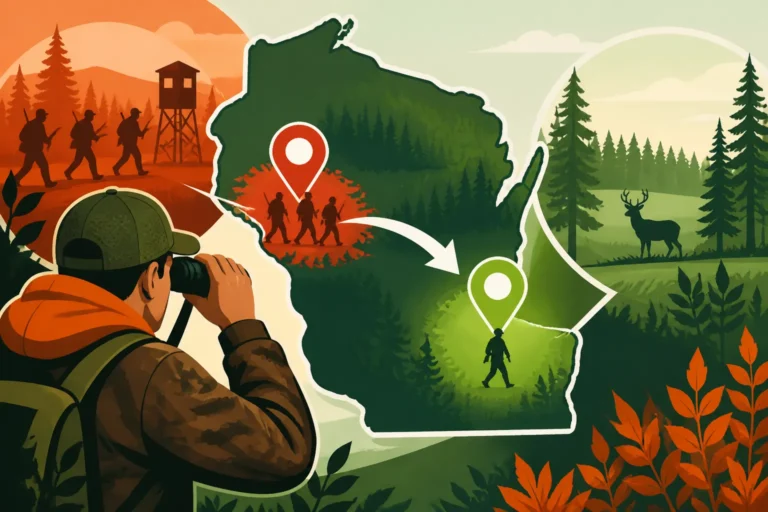
At its core, VPA is a program where the Wisconsin Department of Natural Resources (DNR) partners with private landowners who agree to open their land for public hunting, fishing, and/or trapping. In exchange, these landowners receive a payment, incentivizing them to allow access. Think of it as a lease agreement, but instead of one private individual or club leasing the land, the public gains access. This is huge, especially for those who don't have private land connections or who find themselves constantly battling crowds on state-owned properties. It essentially converts otherwise inaccessible private parcels into huntable ground, often in regions like the farmlands of southern Wisconsin where public land is a precious commodity. It means more options for chasing pheasants in a grassy field, still-hunting a small woodlot for deer, or setting traps along a lesser-known creek. It truly expands How Many Acres Wisconsin Opens to Hunters without requiring outright land acquisition by the state.
The Landowner's Role and Incentives
So, why would a private landowner open their property to the public? It boils down to a few key reasons, primarily financial incentives and a desire to support conservation and outdoor recreation. Landowners enter into a contract with the DNR, typically for several years, outlining the terms of public access. They are compensated for opening their property, which can help offset property taxes, farm expenses, or simply provide supplemental income. Beyond the money, many landowners are also keen to contribute to Wisconsin's hunting heritage and provide opportunities for others. They may have land that's difficult to farm, small woodlots, or marshy areas that are perfect for wildlife but not financially productive otherwise. The VPA program allows them to keep their land, manage it as they see fit (within program guidelines), and receive compensation while giving back to the hunting community. It's a win-win: hunters get more places to go, and landowners get paid for sharing their passion.
Where VPA Lands Tend to Be Found
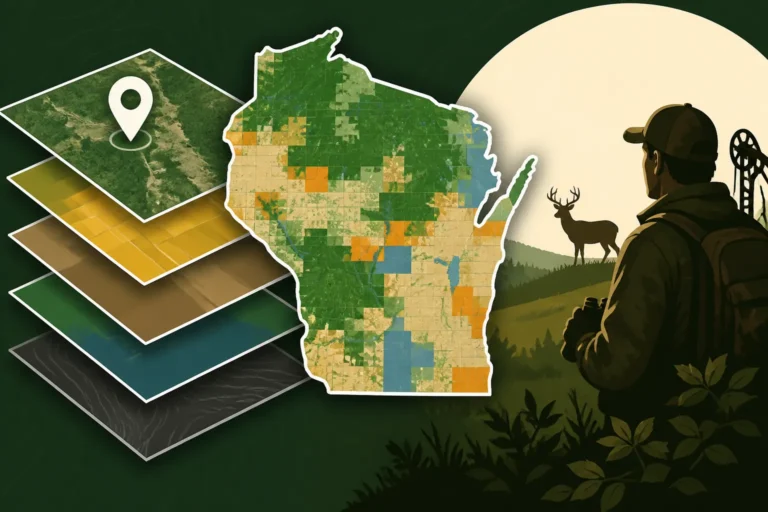
VPA properties are strategically located to address regional needs for public access. You won't typically find VPA lands concentrated in areas already flush with public forests or wildlife areas. Instead, the program targets regions with limited public hunting opportunities, particularly in southern and eastern Wisconsin, where agricultural lands dominate the landscape and private ownership is the norm. These parcels are often smaller, ranging from a few acres to sometimes over a hundred, and can include anything from grasslands and crop fields (after harvest, of course) to brushy woodlots, wetlands, and river bottoms. The variety means you might find excellent pheasant habitat, small pockets of deer cover, or even prime waterfowl spots. It requires a bit of detective work to find them, but that's part of the adventure. It's like finding hidden gems on a treasure map, particularly when looking for Finding Wisconsin VPA Parcels.
Identifying and Locating VPA Properties in the Field
Knowing the VPA program exists is one thing; actually finding and successfully hunting these parcels is another. It requires a combination of digital savvy and traditional on-the-ground scouting. You need to be methodical and diligent, but the rewards of discovering a new, low-pressure hunting spot can be immense.
Utilizing Digital Maps and Apps for VPA Lands
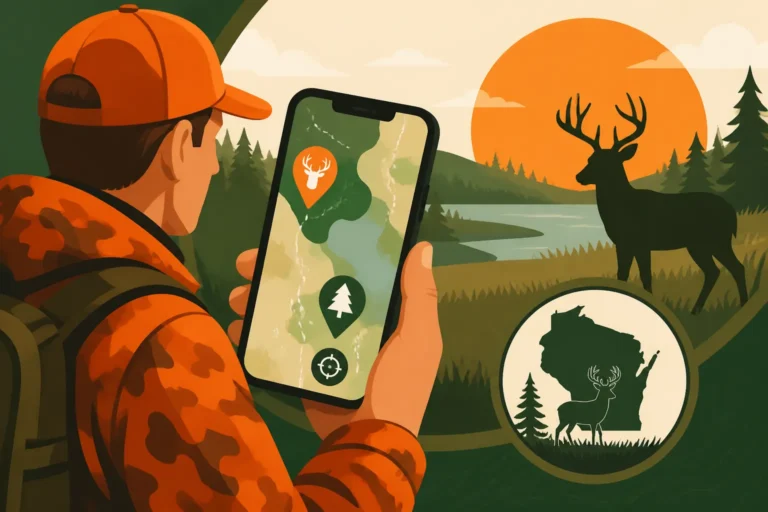
In today's hunting world, digital mapping applications are absolutely indispensable, and they are your best friend for locating VPA lands. The Wisconsin DNR provides updated maps of VPA properties, often integrated with their broader Wisconsin Public Access Lands Maps. You can usually find these on the DNR website, which will show you the exact boundaries of enrolled parcels. Beyond the state's official resources, powerful mapping apps like onX Hunt or GoHunt are incredibly valuable. These platforms offer detailed satellite imagery, property lines, and often highlight public land designations, including VPA.
For example, imagine you're looking to hunt pheasants in Dodge County. You can open your preferred mapping app, zoom into that area, and look for parcels marked as VPA. The app will clearly delineate the property boundaries, helping you understand where you can and cannot go. This is crucial for avoiding accidental trespass onto adjacent private property that isn't part of the program. I can't stress enough how important it is to zoom in, understand the surrounding area, and plan your entry and exit points before you even leave your driveway. Using Scouting With the Wisconsin Hunt Wild App or similar tools can save you a lot of grief and ensure you're hunting legally and respectfully.
Recognizing On-the-Ground Signage
While digital maps get you to the general vicinity, actual VPA properties are marked with distinctive signs that confirm their public access status. These signs are typically yellow and feature the VPA logo, clearly stating that the land is open for public hunting, fishing, or trapping. When you arrive at a potential VPA parcel, always look for these signs at common access points, along property boundaries, or near parking areas.
The signs are there for a reason: they are the official declaration that you are on VPA land. If you don't see the signs, even if your map app shows it as VPA, exercise caution. Land agreements can change, and maps, while usually up-to-date, might have slight discrepancies. Always verify with the physical signage. These signs also often provide critical information, such as the specific activities allowed (hunting, fishing, trapping) and sometimes even unique restrictions for that particular parcel. Never assume; always look for the yellow signs.
Planning Your Hunt on VPA Ground
Once you've identified a VPA parcel on your map and confirmed it with signage, it's time to plan your hunt. Just like any new hunting area, VPA lands benefit from good old-fashioned scouting, even if it's just a quick walk-through. Pay attention to obvious deer trails, bedding areas, food sources (especially if adjacent to active agriculture), and water. For bird hunting, look for thick cover, brushy edges, and food plots.
Consider the size and shape of the parcel. Many VPA lands are smaller, irregular shapes, or long narrow strips. This means your hunting strategy might need to be adapted. A small woodlot might be perfect for a quiet still-hunt or an archery stand, while a large grass field is ideal for pushing pheasants with a dog. Think about wind direction, potential stand locations, and how you'll approach the area without spooking game. Because these are often smaller, unpressured areas, a subtle approach can make all the difference. Remember, these lands are likely less frequently hunted than large state forests, offering a unique opportunity to find Finding Ground Others Walk Past.
Navigating the Rules and Expectations on VPA Lands
Just because land is open to public access doesn't mean it's a free-for-all. VPA lands are still private property, and respecting the landowner's wishes and adhering to DNR regulations is paramount. Understanding these rules ensures the program continues to thrive and that future access remains available for all.
General Regulations and Specific Restrictions
When hunting VPA lands, generally, all standard Wisconsin hunting regulations apply. This means you need the proper Wisconsin Hunting Licences and What They Cost, you must abide by season dates, bag limits, and legal shooting hours. However, individual VPA parcels may have additional site-specific restrictions. These might include:
- No vehicle access beyond designated parking areas: Many VPA lands require walk-in access.
- No baiting or feeding: This is a common restriction, especially in counties that might not have a general ban. Always double-check Baiting Rules on Wisconsin Public Land.
- No permanent treestands or ground blinds: Portable stands and blinds are usually fine, but they must be removed daily. Be aware of treestand rules on Wisconsin hardwoods (or public land generally).
- No target shooting or camping.
- Restrictions on certain hunting methods: For instance, some parcels might only allow archery or shotgun hunting, or specific furbearer trapping methods.
- Times of access: Some agreements might restrict access to certain hours or days.
These restrictions are often noted on the yellow VPA signs or detailed on the DNR's online maps. It is your responsibility as a hunter to know and follow these rules. Ignoring them not only jeopardizes your hunt but also the entire VPA program, as landowners may choose not to renew their contracts if issues arise.
Here's a quick overview of typical activities and rules on VPA lands:
| Activity | Generally Allowed (with license/tags) | Common Restrictions/Considerations |
|---|---|---|
| Hunting | Yes | Species-specific seasons, bag limits, legal weapons apply. Check for parcel-specific weapon restrictions. |
| Trapping | Yes | Check for parcel-specific furbearer restrictions or designated trap types. |
| Fishing | Yes (if water present) | State fishing regulations apply. Some parcels might have special access points. |
| Vehicle Access | No | Typically walk-in only beyond designated parking. Park legally and don't block gates or driveways. |
| Treestands/Blinds | Portable only | Must be removed daily. No permanent structures allowed. Adhere to general public land rules for attachment. |
| Baiting/Feeding | No | Often prohibited. Assume it's not allowed unless explicitly stated. Always check county baiting bans too. |
| Target Shooting | No | Generally prohibited to ensure safety and prevent disturbance. |
| Camping | No | VPA is for day-use recreational access; it is not for camping. |
| ATVs/Snowmobiles | No | Unless specifically marked as part of an official trail, motorized vehicle use is usually not permitted on VPA parcels. |
Ethical Conduct and Respecting Private Property
Remember, you are a guest on someone else's property. Your actions reflect not only on you but on all hunters. This is why ethical conduct is paramount. Treat VPA lands with the same respect, if not more, than you would your own property or a close friend's land.
- Leave no trace: Pack out everything you pack in. Don't litter. This includes spent shell casings, broadhead packaging, and food wrappers.
- Stay within boundaries: Use your mapping app to verify Finding Wisconsin Property Lines and ensure you don't stray onto non-VPA private property. If in doubt, back out. Unintentional trespass can lead to serious consequences and reflects poorly on hunters.
- Be mindful of farming operations: If you're hunting near active farm fields, avoid disturbing crops or livestock. Do not block farm access roads or gates.
- Respect landowner privacy: VPA means hunting access, not access to the landowner's home, outbuildings, or private yard. Keep your distance.
- Report violations: If you see someone abusing VPA privileges or violating regulations, report it to the DNR. Protecting these opportunities is everyone's responsibility. The last thing we want is for a landowner to pull out of the program because of disrespectful behavior. Wisconsin Wildlife Violation Penalties exist for a reason.
The Importance of Checking Before You Go
The VPA program is dynamic. Parcels can be added or removed from the program. Landowners renew or decline to renew contracts. Therefore, it is critical to always check the most current VPA maps before heading out. Don't rely on last year's printout or an old screenshot on your phone. The DNR regularly updates its online resources, and mapping apps like onX Hunt strive to keep their data current. A quick check of the official DNR website or your mapping app will confirm the status of the parcel you intend to hunt. This simple step can prevent an uncomfortable encounter with a landowner or inadvertently violating Wisconsin Trespass and Permission Law.
Maximizing Your Success on VPA Parcels
Hunting VPA lands offers unique challenges and rewards. These aren't vast, sprawling tracts of wilderness; they are often smaller, more fragmented pieces embedded within a predominantly private landscape. But with the right approach, they can be incredibly productive.
Scouting and Strategy for Smaller Tracts
Hunting smaller VPA parcels demands a refined strategy. Deer, turkeys, and small game often use these smaller woodlots or brushy strips as sanctuaries, travel corridors, or feeding areas, especially if surrounded by open farm fields.
- Focus on pinch points and funnels: Look for natural bottlenecks where game movement is concentrated, such as narrow strips of cover between two fields, fence lines, or small draws. A VPA woodlot that acts as a bridge between larger timber and a distant food source can be a goldmine. This is similar to Hunting a Funnel Between Two Swamps but often on a smaller scale.
- Understand adjacent land use: What surrounds the VPA parcel? Active cornfields, bean fields, pastures, or dense woods? This will dictate what game might be attracted to or passing through the VPA land. For instance, a VPA parcel with thick cover next to a cut cornfield can be fantastic for late-season deer.
- Pressure-sensitive approaches: Since VPA parcels can be small, a heavy-handed approach can quickly blow out the area. Consider still-hunting, low-impact scouting, and quick in-and-out hunts. For Rattling and Grunting in Wisconsin, consider the size of the area and the proximity to non-VPA land; you don't want to call in a buck onto private ground where you can't legally pursue it.
- Focus on edge habitat: The edges of VPA parcels, where cover meets open fields or different habitat types merge, are often high-traffic areas for game.
Pressure Management and Timing Your Visits
One of the often-unspoken benefits of VPA is the potential for reduced hunting pressure. Because these parcels are often smaller and require proactive hunter effort to find, they may not see the same level of hunter traffic as well-known state forests or wildlife areas. However, this isn't always the case, especially for easily accessible parcels during peak seasons.
- Hunt midweek: If possible, hunting VPA parcels on weekdays can significantly reduce competition from other hunters. Weekends, particularly during the gun deer season, will naturally draw more people.
- Early season opportunities: The early archery season can be a great time to explore VPA lands, as deer patterns are often more predictable, and pressure is generally lower. Hunting Wisconsin's Late Archery Season can also be productive, as deer seek out late-season food sources.
- Consider odd hours: Hunting during mid-day or taking extended sits can sometimes pay off, especially if other hunters are moving in and out, which can push deer onto or through VPA cover.
- Have a backup plan: Identify several VPA parcels in an area. If one is occupied or shows signs of heavy pressure, you can quickly move to another. This flexibility is key to consistent success.
The Future of VPA and Hunter Opportunity
The Wisconsin Voluntary Public Access program is a vital tool for maintaining and expanding hunting opportunities in a state with significant private land ownership. Its success hinges on the continued participation of landowners and the responsible behavior of hunters. Every positive experience on a VPA parcel reinforces the value of the program, making it more likely that landowners will continue to enroll and that funding will remain available.
As hunters, we are ambassadors for our sport. By understanding how VPA works, utilizing the available tools like mapping apps, respecting the rules, and practicing ethical conduct, we contribute to a stronger hunting future for everyone. It's not just about harvesting an animal; it's about preserving access, fostering goodwill with landowners, and ensuring that future generations have places to explore the rich hunting heritage of Wisconsin. The VPA program offers a fantastic avenue to explore new territory and enjoy the outdoors, often literally in our own backyards, providing essential access in areas where finding public ground can be a real challenge.
Disclaimer
This article is for general informational purposes only and does not constitute professional advice. Laws, prices and regulations vary by location and change over time. Consult a qualified professional for guidance on your specific situation.