Wisconsin State Park Hunting Rules
For many Wisconsin hunters, the idea of pursuing game within the boundaries of a state park might feel like a contradiction. We're so used to associating parks with hiking trails, picnic areas, and birdwatching, that the thought of setting up a treestand or calling in a turkey amidst these recreational hubs can seem outright impossible, or at the very least, confusing. This guide is here to clear up that confusion, diving deep into the specifics of hunting in Wisconsin's state parks, helping you understand where, when, and how you can experience a unique hunt.
Why the Perception of "No Hunting" in State Parks?
It's completely understandable why many hunters assume state parks are off-limits. Traditionally, state parks were established with a primary focus on recreation, conservation, and scenic beauty, often leading to blanket rules against hunting to ensure public safety and a peaceful experience for all visitors. This ingrained perception has, for decades, steered hunters toward county forests, national forests, and state wildlife areas instead.
The "Park" Misconception
The very word "park" often conjures images of manicured lawns and protected spaces where human activity is curated for leisure, not resource extraction. This is a deeply rooted cultural association that extends beyond Wisconsin, making it difficult for many to reconcile hunting—a consumptive activity—with the tranquil image of a park. We see signs for trails, campgrounds, and observation decks, rarely for hunter access, which only reinforces the idea that these areas are for everyone but hunters. This historical framing has led to a significant knowledge gap, causing many to miss out on potential hunting grounds.
Historical Context of Hunting Restrictions
Historically, hunting was indeed largely prohibited or heavily restricted in most Wisconsin State Parks. The focus was on providing safe, non-consumptive outdoor experiences. However, over time, wildlife management needs within these park systems evolved. Deer populations, in particular, could boom without natural predators or hunting pressure, leading to overbrowsing, habitat destruction, and increased deer-vehicle collisions on surrounding roads. To address these ecological challenges and provide additional recreational opportunities, the Wisconsin Department of Natural Resources (DNR) began to selectively open certain state park lands to hunting, often under specific rules and management plans. This shift wasn't a sudden change but a gradual evolution based on ecological data and public input.
Identifying Open State Parks and Specific Zones
Finding where you can hunt in Wisconsin State Parks isn't always as simple as looking for a general "hunting allowed" sign. The rules are often parcel-specific, and what applies to one park, or even one section of a park, might not apply to another. It requires a bit of digging, but the effort can lead to some fantastic, less-pressured opportunities.
Checking the DNR Website and Maps
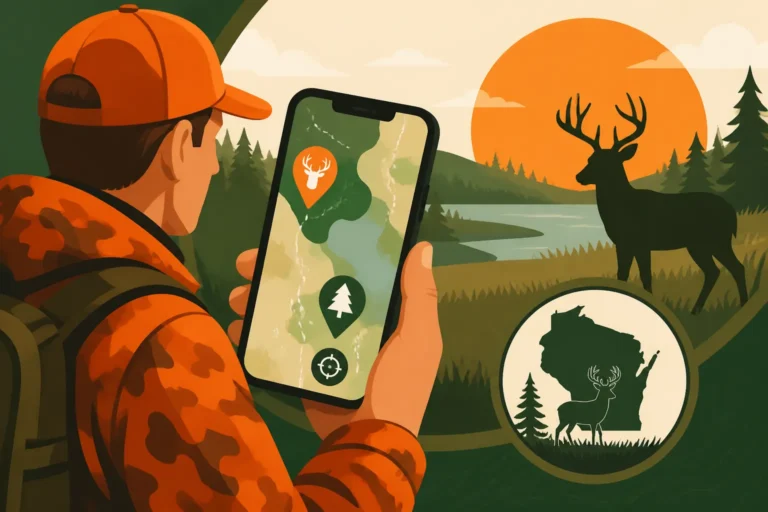
Your absolute best friend in this endeavor will be the Wisconsin DNR's official website. They maintain an updated list of state parks, forests, and trails that are open to hunting, often providing detailed maps specific to each property. These maps will show designated hunting areas, non-hunting safety zones (like near buildings, campgrounds, or high-use trails), and sometimes even specific species regulations. It's crucial to check these resources annually, as regulations and open areas can change from one season to the next based on management objectives or public safety concerns. Don't just rely on what you remember from last year; verify everything before you plan your trip. You'll often find these details under the individual park's page or within the larger hunting regulations publications. Many hunters also find value in digital mapping tools like onX Hunt, which can layer DNR public land information over satellite imagery, making it easier to visualize boundaries and access points. Using the Wisconsin Hunt Wild App is another great way to get information directly on your phone.
Understanding Designated Hunting Areas
Within a state park, hunting is typically restricted to "designated hunting areas." These aren't just random sections; they are carefully chosen areas often located away from high-traffic recreational zones. You might find that larger state parks with extensive undeveloped acreage or those with specific ecological needs are more likely to have designated hunting areas. Some parks might only allow hunting in specific seasons, like during the Wisconsin's Nine-Day Gun Deer Season or Spring Turkey Hunting in Wisconsin, while others might be open for Wisconsin Small Game and Furbearer Seasons.
It's common for parks to have "safety zones" or "no hunting zones" around buildings, campgrounds, nature centers, and frequently used trails. These zones are often marked with signage, but it's your responsibility as a hunter to know where they are. Imagine setting up your stand only to realize you're too close to a popular hiking loop – it's a quick way to spoil your hunt and potentially create a conflict with other park users. Always study the maps and understand these boundaries thoroughly.
General Rules and Regulations for State Park Hunting
Hunting in a state park isn't just "hunting as usual" but in a park. There are often specific rules that augment or modify the general statewide hunting regulations, designed to ensure public safety and minimize conflicts with other park users. Understanding these nuances is critical for a legal and ethical hunt.
Blaze Orange and Fluorescent Pink Requirements
One of the most important safety considerations in shared-use areas like state parks is visibility. While Wisconsin Blaze Orange and Pink Rules apply statewide during specific seasons, some state parks might have extended or specific blaze orange/pink requirements even during periods when it's not strictly mandatory elsewhere, such as during the early archery season if other recreational activities are heavy. Always double-check the specific park's regulations.
The idea here is simple: if you're hunting in an area frequented by hikers, birdwatchers, or families out for a stroll, wearing highly visible clothing becomes even more paramount. It's about being seen, identifying yourself as a hunter, and minimizing any potential for misunderstanding or alarm from non-hunting park users. Even if the regulations don't explicitly require it outside of the gun deer season, wearing some form of blaze orange or pink is a courteous and smart practice when hunting in any state park setting.
Permitted Weapon Types
Just like with general hunting regulations, state park rules often specify what types of weapons are permitted. For instance, some parks might be designated as "shotgun/muzzleloader only" for deer hunting, even if rifles are generally legal in that county. This is often a safety measure, as shotguns and muzzleloaders typically have a shorter effective range and different ballistic properties compared to high-powered rifles, making them safer in areas with closer proximity to trails, roads, or non-hunting visitors.
You'll need to confirm if archery, crossbow, muzzleloader, or firearm hunting is allowed for your target species in the specific area you plan to hunt. Don't assume that because you can use your rifle for Wisconsin's Nine-Day Gun Deer Season on county land, you can use it in a state park. Always consult the detailed park-specific regulations to ensure your chosen weapon is permissible. It's also vital to understand the safe handling and transport rules for your weapon within the park boundaries, especially when moving through non-hunting areas to reach your designated hunting zone.
Special Permit Considerations
Some state parks, especially those with sensitive ecosystems or high deer populations, might require special permits or participate in managed hunts beyond a standard hunting license and tag. These hunts are often designed to achieve specific wildlife management goals, such as reducing overpopulation or controlling disease spread like Chronic Wasting Disease. You might need to apply for these permits through a lottery system, similar to Wisconsin Bear Preference Points and Zones or Wisconsin Spring Turkey Zones and Periods, and they often have specific dates and quotas.
These special hunts can be highly sought after, offering a unique opportunity to hunt within areas that are normally closed or have very limited access. Keep an eye on the DNR's special hunt announcements early in the year, as application deadlines can be well in advance of the hunting season. Using a resource like GoHunt can sometimes help you stay on top of application periods and draw odds, though it's always best to verify directly with the Wisconsin DNR for state-specific information. Missing a deadline means missing out on these potentially exclusive hunting experiences.
Species-Specific Hunting Opportunities
While deer hunting often comes to mind first, state parks can offer a surprising diversity of hunting opportunities for various game species, each with its own set of rules and unique challenges.
Deer Hunting in State Parks
Deer hunting is perhaps the most common type of hunting permitted in Wisconsin State Parks. These areas can be excellent for deer, often holding older, larger animals due to reduced pressure over the years. However, the presence of non-hunters means that stealth, ethical shot selection, and awareness of your surroundings are even more critical. Hunters need to be particularly vigilant about shot angles and backstops. Treestand Setups in Wisconsin Hardwoods might require more thought in a state park, considering visibility to trails and ensuring minimal disturbance to other users.
Many state park deer hunts are often focused on antlerless harvest to manage herd numbers, which can be a great way to fill your freezer if you're not solely focused on a trophy buck. Remember to always consult the park-specific regulations for antler point restrictions, antlerless tag requirements, and season dates. Some parks may even have specific check-in or registration procedures unique to their property.
Turkey Hunting in Designated Areas
Spring and fall turkey hunting can also be available in select state parks. Similar to deer hunting, the key is to identify the specific designated areas where turkey hunting is allowed. Turkeys thrive in many park environments, especially those with a mix of mature timber and open fields. However, just like with deer, calling in a gobbler or busting a fall flock requires being acutely aware of other park users.
A successful turkey hunt in a state park often means scouting well in advance, identifying roosting areas and feeding zones away from main trails. Consider Run-and-Gun Turkey Tactics on Public Land if the park allows for mobile hunting, but always be mindful of where you are in relation to non-hunting zones. Early morning hunts, right at legal shooting hours, are often your best bet to beat the influx of hikers and dog walkers.
Small Game and Furbearers
Don't overlook the possibilities for small game and furbearer hunting in state parks. Depending on the park's habitat, you might find opportunities for squirrels, rabbits, or even coyotes. These hunts typically have less impact on other park users, especially if you're pursuing them with quiet methods like still-hunting.
Before heading out for Squirrel Hunting Wisconsin Hardwoods or Rabbit and Hare Hunting in Wisconsin in a state park, check the park's specific small game regulations. Are dogs allowed? What are the season dates and bag limits, and do they differ from general statewide rules? These details are important to prevent any issues. Small game hunting can be a fantastic way to introduce new hunters to the sport in a relatively controlled environment, provided you've done your homework on the park's rules and safety protocols.
Navigating Unique Challenges in State Parks
Hunting in a state park presents a unique set of challenges that are different from those encountered on vast, remote public lands. These challenges primarily revolve around balancing your activity with the presence and expectations of other recreational users.
Managing Non-Hunter Encounters
One of the most common challenges you'll face is encountering non-hunters: hikers, photographers, dog walkers, or families enjoying the park. It's easy for these encounters to escalate if not handled with grace and understanding. Your goal as a hunter in a shared space is to be an ambassador for the sport. This means being polite, maintaining a friendly demeanor, and educating when appropriate, without being confrontational.
If you encounter someone while walking to your stand, a simple "Good morning, just heading out for a hunt," can go a long way. If they have questions, answer them calmly and respectfully. Always ensure your weapon is cased or carried safely and openly when walking to and from your hunting area, especially on trails or near public access points. Avoid anything that might be perceived as aggressive or unsafe. Remember, a negative encounter can leave a lasting impression and potentially lead to further restrictions on hunting in that park.
Respecting Boundaries and Safety Zones
Every state park with hunting access will have clearly defined hunting zones and non-hunting or safety zones. These zones are not suggestions; they are strict boundaries that must be respected for the safety of all park users. Ignoring these boundaries can lead to fines, loss of hunting privileges, and, most importantly, puts others at risk.
Use your maps – both the official DNR maps and perhaps a digital tool like onX Hunt, which often highlights public land boundaries and can help you pinpoint your exact location in real-time. Know the legal setbacks from buildings, roads, and trails. If you're hunting near a property line with private land, ensure you understand Wisconsin Trespass and Permission Law and have checked for "no trespassing" signs. Accidentally crossing into a non-hunting zone or private land can quickly turn a good hunt into a legal headache.
Pressure and Accessibility
While some state parks might offer less-pressured hunting due to the general perception of "no hunting," others that are known to allow it can see significant pressure, especially on opening days or weekends. The accessibility of many state parks, with well-maintained roads and parking areas, can sometimes make it easier for more hunters to access them, creating competition for prime spots.
To mitigate this, consider hunting during weekdays if possible, or focusing on areas that require a longer walk or more effort to reach. Study aerial maps carefully, looking for overlooked pockets of habitat or difficult-to-access terrain that might deter other hunters. Just because it's a state park doesn't mean you can't find secluded spots; it just means you have to work a little harder to identify them. Finding Ground Others Walk Past is still a valuable tactic, even within these more regulated areas.
Planning Your Hunt: Resources and Best Practices
A successful hunt in a Wisconsin State Park hinges on thorough preparation and a deep understanding of the rules unique to each property. Don't leave it to chance; invest time in scouting and research.
Utilizing Mapping Tools like onX Hunt
Modern hunting has been revolutionized by digital mapping tools, and they are especially valuable when navigating the sometimes complex rules of state park hunting. Applications like onX Hunt allow you to view public and private land boundaries, topo maps, satellite imagery, and even layers indicating designated hunting areas or non-hunting zones. This makes it incredibly easy to visualize where you can legally hunt, where safety zones are, and how to plan your access routes.
Before you even step foot in the park, use onX Hunt or similar tools to study the terrain, identify potential bedding and feeding areas, locate funnels, and pinpoint legal access points. You can mark potential stand locations, scout trails, and even measure distances to ensure you're outside any prohibited zones. This level of detail helps you avoid trespassing, stay safe, and maximize your hunting efficiency within the park's specific regulations.
Applying for Special Permits
As mentioned earlier, some state parks might require special permits for specific hunts, often for deer or turkey management. These permits are typically handled through an application process via the Wisconsin DNR. It's crucial to pay close attention to application periods and deadlines, which are usually announced well in advance of the hunting season.
If you're interested in one of these unique opportunities, make it a point to regularly check the DNR's website or sign up for their email newsletters to stay informed. Sometimes, these special hunts have unique rules regarding weapon types, bag limits, or even hunter numbers, so ensure you understand all the stipulations before applying. Successfully drawing one of these permits can open doors to hunts in areas that are otherwise off-limits, offering an incredible and memorable experience.
Pre-Season Scouting Strategies
Pre-season scouting is always important, but for state park hunting, it's absolutely paramount. Not only do you need to find game sign, but you also need to understand how human activity patterns might influence deer or turkey movement. Visit the park during different times of day, if possible, to observe where hikers go, when dog walkers are most active, and where quiet zones might exist. Scouting Wisconsin Public Land Before Season becomes even more critical in these shared-use environments.
Look for areas where game might naturally seek refuge from human disturbance, such as thicker cover adjacent to trails, overlooked corners of the park, or sections that require a slightly longer walk to access. Pay attention to natural features that create barriers or funnels for both wildlife and humans. Scouting helps you identify prime hunting locations, but just as importantly, it allows you to plan your approach and exit routes to minimize encounters with non-hunters and ensure a safe, respectful, and productive hunt.
Below is a table summarizing some key differences between general public land hunting and state park hunting in Wisconsin:
| Feature | General Public Land (e.g., County Forest, National Forest) | Wisconsin State Park Hunting |
|---|---|---|
| Primary Purpose | Timber management, recreation, wildlife habitat | Recreation, conservation, scenic beauty (hunting secondary) |
| Hunting Access | Generally widespread, with fewer restrictions | Limited to designated hunting zones; specific properties only |
| Weapon Rules | Generally follow statewide rules (e.g., rifle allowed where legal) | May have more restrictive weapon types (e.g., shotgun/muzzleloader only) |
| Safety Zones | Around buildings, roads | More extensive: around buildings, trails, campgrounds, visitor centers |
| Blaze Orange/Pink | Statewide requirements apply | Statewide requirements apply, but may have extended requirements in some parks |
| Permits | Standard licenses and tags | Standard licenses/tags, but often requires special permits/draws for specific hunts |
| Human Activity | Can be low, especially in remote areas | High potential for encounters with non-hunters; shared use is common |
| Mapping Needs | Essential for boundaries, property lines | Crucial for precise hunting zone boundaries, safety zones, access points |
| Flexibility | More freedom in stand placement, access | More constrained by designated zones, non-hunting areas |
Hunting in Wisconsin State Parks offers a unique challenge and a rewarding experience for those willing to do their homework. By understanding the specific rules, utilizing available resources, and prioritizing safety and respect for all park users, you can unlock some truly exceptional hunting opportunities close to home. It's a chance to harvest game and demonstrate what responsible hunting looks like in a shared natural space.
Disclaimer
This article is for general informational purposes only and does not constitute professional advice. Laws, prices and regulations vary by location and change over time. Consult a qualified professional for guidance on your specific situation.