Rangefinding Binoculars Worth the Cost
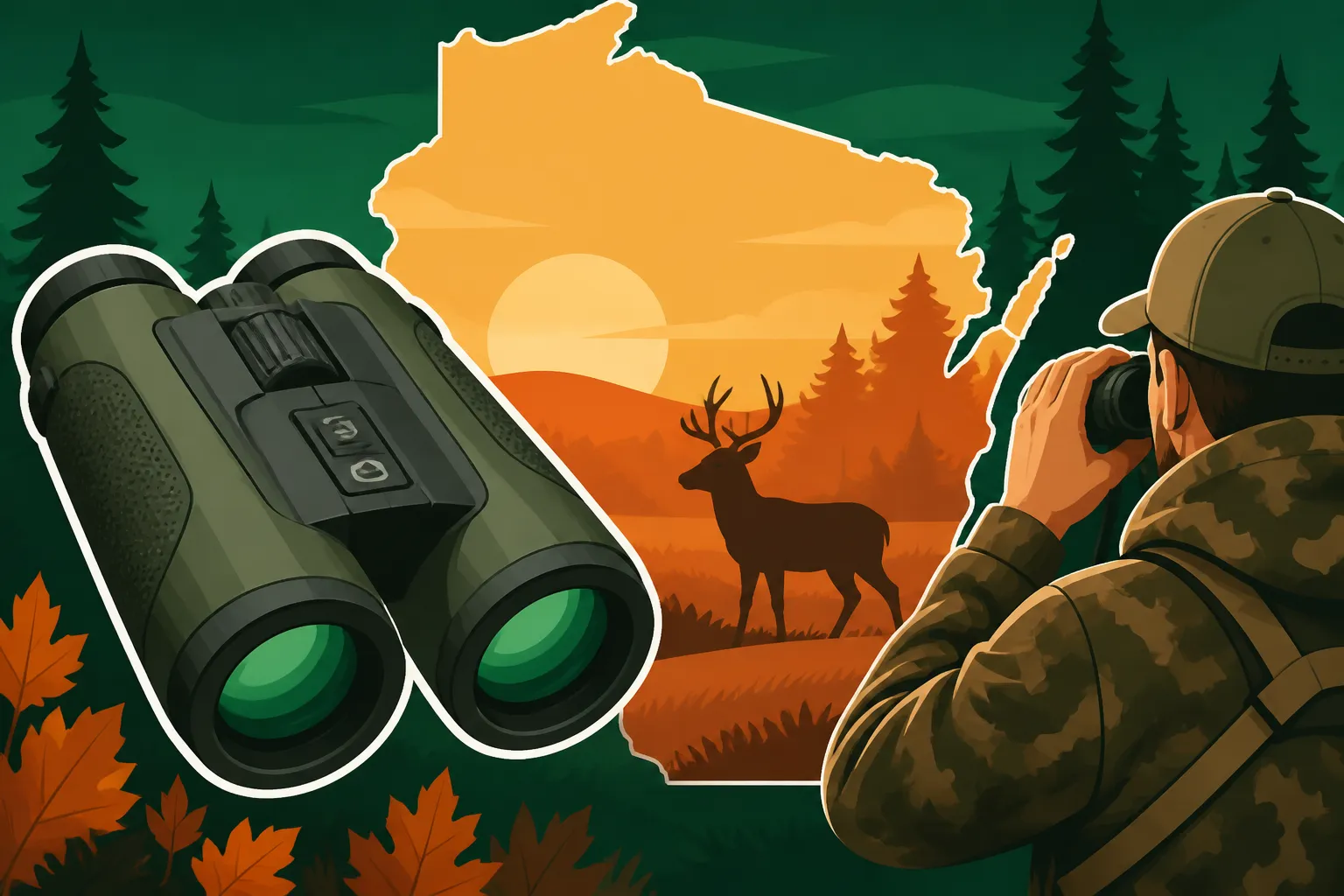
Let's be honest, we've all been there: fumbling with a rangefinder, then trying to bring our binoculars up to glass, only to miss that crucial moment a deer steps out. It's a dance that can cost you precious seconds, or worse, a clean shot opportunity. If you've been wondering whether those high-dollar rangefinding binoculars are truly worth the investment for your Wisconsin hunting adventures, you're in the right place. This guide will help you unpack the pros, cons, and practical applications to help you decide if they're the right piece of gear for your kit.
The Age-Old Debate: Separate Units vs. All-in-One Rangefinding Binoculars
For years, the standard setup for most serious hunters has involved a solid pair of binoculars for glassing and a separate, handheld rangefinder for getting precise distances. And for many, that still works perfectly well. But as technology advances, the integrated rangefinding binocular has become more prevalent, sparking a big debate around value and necessity.
The Frustration of Juggling Gear in the Field
Think about it: you're still-hunting through a thick aspen cut in Burnett County, carefully easing through the cover, when a buck ghosts across a small opening. Your binoculars are around your neck, but the rangefinder is in a pouch, or worse, buried in your pack. By the time you get it out, switch it on, range the deer, and then bring your rifle up, that buck might be gone, vanished into the pines. This isn't just a hypothetical scenario; it's a real frustration many of us face, especially when dealing with the unpredictable nature of wild whitetails in dense Wisconsin cover. The seamless transition from glassing to ranging with an integrated unit is a huge draw for folks who value efficiency and speed in the field.
It's not just about speed, though. There's also the simple fact of having less clutter. Every piece of gear adds weight and occupies space, and if you're like me, trying to keep things minimal, two devices can feel like one too many. When you're spending all day walking through a swamp or climbing the steep hills of the Driftless Area Deer Hunting in Wisconsin, every ounce and every consolidated action matters. The less you have to think about, the more you can focus on the hunt itself. Dropping a rangefinder while trying to grab your rifle, or forgetting to turn it on before you need it, are small but common pitfalls that an integrated unit aims to eliminate.
Initial Sticker Shock and Perceived Value
Let's not beat around the bush: good quality rangefinding binoculars come with a significant price tag. For many hunters, seeing those numbers makes them immediately write off the idea. "I can buy a good pair of binos and a good rangefinder for less money," is a common, and often valid, argument. It's easy to get caught up in the initial sticker shock and wonder if you're really getting double the value for what often feels like more than double the price of a single component.
This perceived value is where the rubber meets the road. Is the convenience worth the premium? For some, especially those who hunt in very specific ways or terrains, the answer is a resounding yes. For others, particularly those new to hunting or on a tighter budget, it might feel like an unnecessary luxury. We'll explore this more, but it’s crucial to acknowledge that the cost is a major hurdle for many, and it needs to be weighed against the tangible advantages an integrated system provides in real-world hunting situations. It's not just about what you can spend, but what provides the best utility for your hunting style.
Diving Deep into Rangefinding Binocular Features and Performance
When you're looking at rangefinding binoculars, you're not just buying a rangefinder tacked onto a binocular. You're investing in a sophisticated optical and electronic instrument. Understanding what truly matters in these units will help you sort through the options and determine if the performance justifies the cost.
Optical Clarity and Low-Light Performance: A Wisconsin Necessity
One of the most critical aspects of any binocular, and especially a high-end rangefinding one, is its optical quality. In Wisconsin, we often find ourselves hunting in challenging light conditions. Think about those first rays of dawn hitting the dew-soaked forest floor, or the last minutes of legal shooting light fading over a field edge in late November. Quality glass means better light transmission, sharper images, and superior color fidelity. This translates directly to being able to identify deer earlier in low light, discern antler points, and pick out crucial details in dense cover, especially in places like the Northern Forest Deer Density in Wisconsin.
Many integrated rangefinding binoculars, particularly from premium brands, boast exceptional low-light performance. This isn't just a marketing gimmick; it's a game-changer. Being able to glass a shadowy cedar swamp as the sun dips below the horizon, and then instantly range a deer that appears, without having to drop your binos and fumble for another device, can literally make or break your hunt. Our deer are often most active during these crepuscular hours, and your optics need to perform when it matters most. For more tips on this, consider checking out Optics for Wisconsin Timber and Coulees.
Ranging Capability and Speed in Varied Terrain
The ranging engine itself is another huge factor. You need a unit that can consistently and quickly acquire a range, even on difficult targets like deer or tree branches, and through various atmospheric conditions we experience in Wisconsin. Cold, fog, light rain – these shouldn't hinder your ability to get an accurate reading. Look for models that offer fast acquisition times, often measured in fractions of a second. This speed is what eliminates that fumbling frustration we talked about earlier.
Beyond raw speed, consider the maximum range and angle compensation. While you might not be making 1,000-yard shots in most Wisconsin woods, having the capability to range out to 800-1,000 yards on deer-sized targets gives you confidence for longer shots across open fields or wide-open clearcuts. Angle compensation is almost non-negotiable, especially if you hunt the rugged terrain of the Driftless Area. A deer standing 30 yards away down a steep ravine isn't truly 30 yards horizontally. Angle compensation provides the "shoot-to" distance, which is critical for precise archery or muzzleloader shots from a treestand overlooking a coulee. Without it, you could easily overshoot or undershoot, especially when Hunting Wisconsin Coulees and Ridge Tops.
Ergonomics and Durability for Rugged Wisconsin Hunts
You're not hunting from a comfortable armchair; you're often out in the elements, sometimes for hours on end. Your gear needs to hold up. This means looking for rangefinding binoculars that are robustly built, waterproof, and fog-proof. Wisconsin weather can be notoriously unpredictable – a beautiful fall morning can quickly turn into a cold, driving rain, or a sudden snow squall. Your optics need to survive these conditions without compromise. Look for rubber armor that provides a good grip, even with wet or gloved hands, and protects against bumps and drops.
Ergonomics also extend to how the unit feels in your hands and how easy it is to operate the ranging button and controls. Can you comfortably press the button and get a reading without shifting your grip significantly? Are the diopter and focus adjustments smooth and precise? A good binocular harness is also essential for carrying these units comfortably and keeping them accessible. When you're Still-Hunting Wisconsin Cedar Swamps or walking miles through the big woods, the last thing you want is uncomfortable or cumbersome gear. A well-designed, durable unit will become an extension of your hunting persona, not a burden.
When Rangefinding Binos Truly Shine in Wisconsin Hunting Scenarios
While the upfront cost might seem daunting, there are specific situations and hunting styles where rangefinding binoculars truly earn their keep and can significantly enhance your success and confidence in the field.
Precision Archery Shots and Long-Range Rifle Confidence
For archery hunters, especially those pushing their ethical range limits, precise distance is paramount. Every yard matters, and the ability to glass an area, pick out a lane, and instantly get an accurate angle-compensated range on a deer without moving a muscle is invaluable. Imagine you're bowhunting during Hunting the Peak Rut Week in Wisconsin, and a mature buck is cruising a ridge. Being able to glass him, then instantly range a tree near his path at 43 yards, and be ready to draw as he hits that mark, can mean the difference between a clean shot and a missed opportunity. This seamless action improves your efficiency and reduces unnecessary movement, which is critical when a wary whitetail is involved.
Rifle hunters also benefit, particularly in more open landscapes like the farmlands of southern Wisconsin or the vast expanses of some public lands where shots might stretch out. While a deer at 50 yards doesn't require a rangefinder, knowing the exact distance to one standing at 250 yards across a cut cornfield, or to a bear crossing a remote logging road, allows you to make precise holdover adjustments with confidence. This is especially true for those hunting during Wisconsin's Nine-Day Gun Deer Season where opportunities can be fleeting. The integrated unit means you're always ready, always ranging, and always confident in your shot placement.
Scouting and Glassing Vast Landscapes
Beyond the moment of truth, rangefinding binoculars are powerful tools for scouting, particularly when using platforms like GoHunt that integrate mapping and data. Before the season opens, you might be hiking through potential bedding areas or looking for Scrape Lines Along a Logging Road. Being able to glass distant clearings or ridge lines, identify potential pinch points, and then instantly range those features gives you a clearer understanding of the terrain and how deer might use it. You can mark precise distances to landmarks on your GoHunt app, building a more accurate picture of the hunting area.
This is especially helpful in the sprawling county forests up north or the vastness of the Chequamegon-Nicolet National Forest. Instead of guessing that a distant opening is "about 300 yards," you can confirm it, plan your approach, and identify potential stand locations with much greater accuracy. This methodical approach to scouting, aided by precise ranging, allows you to develop more effective strategies for Scouting Wisconsin Public Land Before Season and truly learn the ground you intend to hunt.
Specific Wisconsin Applications: Bear and Open Water Hunting
While often associated with deer hunting, rangefinding binoculars have unique advantages in other Wisconsin hunting pursuits. For bear hunters, especially those baiting, precise ranges to bait sites, shooting lanes, and nearby cover are critical. You want to know exactly how far that barrel is, and how far the tree is beyond it, to ensure a clean shot when a big bruin finally commits. Being able to range from your stand to multiple points around the bait without constant fumbling is a distinct advantage when your heart is pounding. For more on this, check out Baiting Bears in Wisconsin.
Waterfowl hunters on large bodies of water like Lake Winnebago or the sprawling backwaters of the Mississippi River also find them incredibly useful. Judging distances on open water can be incredibly deceptive. Are those ducks landing at 30 yards or 50? Is that goose flock coming in at 400 yards or 800? A quick range through your binoculars helps confirm decoy spreads, shot distances, and aids in identifying incoming birds well before they're in range. In the vastness of Hunting Horicon Marsh Waterfowl, where distances play tricks on your eyes, precise ranging ensures you're ready when the birds commit.
Making the Call: Are They Worth Your Investment?
Ultimately, the decision of whether rangefinding binoculars are worth the cost comes down to a personal assessment of your hunting style, priorities, and budget. There's no single "right" answer, but by breaking it down, you can make an informed choice.
Weighing the Benefits Against the Price Tag
Let's summarize the core trade-off: higher upfront cost for enhanced convenience, speed, and often, superior optics in a single, durable package.
| Feature | Separate Binoculars + Rangefinder | Rangefinding Binoculars (Integrated) |
|---|---|---|
| Cost | Potentially lower initial cost; can upgrade components separately | Generally higher initial cost; single investment |
| Convenience | Two items to carry, manage, and transition between | One integrated unit; seamless glassing and ranging |
| Speed of Use | May require switching between devices; potential for fumbling | Faster, seamless, and often instant ranging |
| Weight/Bulk | Two items add up; can be heavier if high-end | Often lighter/less bulky overall for comparable quality |
| Failure Point | If one breaks, the other still works; easier repair/replacement of single unit | If integrated unit breaks, both functions are lost; often specialized repair |
| Optics Quality | Can mix/match best of both worlds; independent choice | Quality varies, but often high-end in integrated models |
| Low-Light Perf. | Varies by individual unit quality; can be optimized | Generally excellent in higher-end models due to integrated design |
| Angle Comp. | Available in many dedicated rangefinders | Standard feature in most quality integrated models |
If your current separate system is causing you frustration, if you hunt in challenging terrain that demands quick, precise measurements, or if you simply prioritize streamlining your gear, the benefits of rangefinding binoculars can strongly outweigh the cost. The time saved, the missed opportunities averted, and the sheer confidence you gain from having precise information instantly accessible are tangible advantages that experienced hunters often value.
Considering Your Hunting Style and Budget
Not every hunter needs top-tier rangefinding binoculars. If you primarily hunt dense timber with short shot opportunities, or if you have a highly defined shooting lane from a ground blind that you've pre-ranged, a separate, basic rangefinder might suffice. However, if you're frequently glassing open country, still-hunting through varied terrain, or pushing your limits in archery, the value proposition shifts dramatically.
For hunters who spend a significant amount of time in the field, invest in scouting, and meticulously prepare for their hunts, the integration of high-quality optics and a precise rangefinder into one unit is a natural progression. It's about optimizing every aspect of your setup. This is where you really need to be honest with yourself about your hunting habits and the conditions you face. A weekend warrior who hunts a small, known private parcel might not see the same return on investment as someone who tackles large tracts of public land in diverse Wisconsin habitats.
The GoHunt Edge: Researching Before You Buy
Before you dive headfirst into such a significant purchase, do your homework. Platforms like GoHunt are fantastic resources for comparing features, reading user reviews, and understanding the nuances of different models. You can often find detailed specifications and real-world feedback that goes beyond manufacturer claims. Using GoHunt can help you zero in on brands and models that have a proven track record for durability and performance in conditions similar to what we face in Wisconsin.
They often provide insights into how these optics perform in various terrains and light conditions, which is invaluable when making a decision that impacts your hunting season. While I can't give you specific pricing, GoHunt or similar resources can also help you understand the general cost tiers and identify potential sales or promotions. Don't rush the decision; arm yourself with information, compare models, and consider how each option fits into your personal hunting strategy. For many, once you experience the seamless efficiency of a quality pair of rangefinding binoculars, you'll wonder how you ever hunted without them.
Disclaimer
This article is for general informational purposes only and does not constitute professional advice. Laws, prices and regulations vary by location and change over time. Consult a qualified professional for guidance on your specific situation.