Wisconsin Voluntary Public Access Acreage
One of the biggest headaches for any Wisconsin hunter is finding quality ground that isn't already crawling with people or locked up tight by private ownership. It's a real struggle, especially when you've scoured the usual state and county lands and feel like you're just rehashing the same few spots. This guide is here to shed light on a fantastic, often underutilized resource: Wisconsin's Voluntary Public Access (VPA) program, offering a deeper dive into how it works and how you can benefit from its expanding acreage.
Understanding Wisconsin's Voluntary Public Access Program
The Voluntary Public Access (VPA) program is a brilliant initiative by the Wisconsin Department of Natural Resources (DNR) that works with private landowners to open their property for public hunting, fishing, and trapping. Think of it as a bridge between the ever-growing demand for public access and landowners who might be willing to share, but need a little incentive and protection. It's not just a handshake deal; it's a formal agreement that benefits everyone involved, especially those of us looking for more places to chase deer, pheasants, or turkeys.
The Philosophy Behind VPA
At its heart, the VPA program is about expanding opportunities. Wisconsin has a tremendous amount of private land, and a significant portion of it holds excellent wildlife habitat. The DNR recognizes that outright purchasing huge tracts of land isn't always feasible or necessary. Instead, they’ve found a way to leverage existing private ownership by offering incentives to landowners. This collaborative approach means more acres become available to the public, often in areas that wouldn't typically have public access. It's about thinking creatively to address the access crunch many hunters feel, particularly in more populated or agriculturally rich areas of the state where traditional public lands might be scarce.
Landowners who enroll receive a payment for allowing access, which can be a significant draw, especially for those managing large parcels or looking to supplement their income. Beyond the financial aspect, the program also provides liability protection for landowners, a crucial consideration that often prevents them from opening their gates to the public. It really boils down to making it a win-win scenario, where landowners are compensated and protected, and we, the hunters, get more ground to explore. This approach helps the state meet its conservation goals by promoting wildlife-friendly land management practices on these private parcels, ultimately benefiting the entire ecosystem.
Types of Land You'll Find in the VPA Program
The beauty of the VPA program lies in the diversity of habitats it opens up. Unlike a large state forest, which might be predominantly timber, VPA lands can encompass a wide array of cover types. You'll often find agricultural fields with significant patches of woods, brush, or wetlands, offering prime habitat for pheasants, turkeys, and deer. Imagine a patchwork of corn stubble alongside a dense creek bottom or a woodlot bordering a CRP field – these are common sights on VPA properties.
It's not uncommon to discover parcels with diverse cover, such as small oak ridges, alder thickets perfect for grouse and woodcock, or even sprawling marshy areas ideal for waterfowl. These tracts are frequently located within the agricultural zones of southern and central Wisconsin, where public land can be particularly challenging to come by. This means hunters in regions less dominated by vast forests can gain access to productive land, often closer to home. You might find a 40-acre block of mature timber connected to a parcel of dense hawthorn thickets, or a series of wetland fingers perfect for jump-shooting ducks. This variety is what makes VPA so exciting, as each parcel often presents its own unique hunting puzzle and opportunity.
How the VPA Program Benefits Wisconsin Hunters
For many hunters, the VPA program is nothing short of a godsend. It tackles one of the most frustrating aspects of hunting in Wisconsin: the constant search for open ground. With increasing hunting pressure on traditional public lands and dwindling access to private parcels, VPA offers a crucial expansion of our hunting territories. It's about providing options and relieving some of that pressure on the tried-and-true spots.
Expanding Your Hunting Grounds
The most obvious benefit of VPA is the sheer increase in accessible acreage. Imagine you’ve been hunting the same state wildlife area for years, watching the orange army grow thicker each season. VPA opens up completely new possibilities, often adding hundreds or even thousands of acres to the statewide public hunting portfolio annually. These aren't necessarily huge, contiguous blocks like national forests; rather, they're often smaller, scattered parcels that create a mosaic of huntable land. This dispersion can actually work in your favor, as it spreads out hunter effort and provides opportunities to find overlooked pockets of game.
I’ve had friends discover phenomenal pheasant hunting on VPA parcels near their homes that they never knew existed, simply because these lands were previously private and unposted. The VPA program specifically targets areas with high private land ownership, essentially "filling in the gaps" where public hunting access is otherwise limited. This means if you live in a county dominated by farms and private woodlots, the VPA program might be your best bet for finding new hunting adventures without having to drive hours north or try to Getting Private Land Permission in Wisconsin from scratch every year. It’s like finding hidden gems right under your nose, extending your reach and providing fresh ground.
Diverse Habitat Opportunities and Reduced Pressure
Another significant advantage is the ecological diversity these VPA lands bring to the public hunting landscape. As we discussed, these parcels often represent a mix of agricultural, forested, and wetland habitats. This means you’re not limited to just deer hunting in big woods; you can find fantastic opportunities for small game, turkeys, and waterfowl in areas that traditionally might have been inaccessible. For instance, a VPA parcel might offer excellent edge habitat where farmland meets a woodlot, a classic deer travel corridor, or a thick cattail marsh ideal for waterfowl that's too small to be a designated state wildlife area.
While VPA lands are public, they often experience less concentrated pressure than widely known public hunting grounds. Because they can be smaller, more scattered, and sometimes less prominently advertised than massive state properties, many hunters either don’t know about them or choose to overlook them in favor of larger tracts. This creates potential for those willing to do their homework. You might find a productive 80-acre VPA woodlot that holds a surprising number of deer, simply because most hunters drive past it on their way to a larger county forest. The key is using mapping tools to find these properties and then putting in the legwork to scout them effectively. It's a fantastic way to Finding Ground That Sees Fewer Hunters.
How VPA Benefits Landowners
While the focus for us hunters is on finding new places to pursue game, it’s really important to understand why landowners participate in the VPA program. It’s not just an act of generosity; there are tangible benefits for them, and recognizing these helps us appreciate the program and respect the rules when we’re out in the field. This partnership is what makes the VPA program sustainable and expanding.
Incentivizing Conservation and Management
For many private landowners, participating in the VPA program offers a reliable source of income in exchange for public access. The DNR provides annual payments based on the acreage enrolled and the type of habitat provided. This financial incentive can be particularly appealing to farmers or those with large undeveloped parcels who are looking for ways to make their land work for them, especially if they aren't actively farming or timbering certain areas. It's a pragmatic approach to land management, allowing them to monetize a resource (public access) that they might otherwise leave untapped.
Beyond direct payments, the program often connects landowners with DNR wildlife biologists who can offer technical assistance and advice on habitat improvement projects. This means VPA lands aren't just open; they are often actively managed to enhance wildlife populations. A landowner might receive guidance on planting native grasses, creating brush piles, or implementing selective timber harvests that benefit deer, pheasants, or turkeys. This synergy means the land isn't just a place to hunt; it's a part of a larger conservation effort that ensures healthy ecosystems and robust game populations for years to come.
Legal Protections for Participating Landowners
One of the biggest concerns for any private landowner considering opening their property to the public is liability. The fear of someone getting hurt on their land and suing them is a powerful deterrent. The Wisconsin VPA program directly addresses this by providing significant liability protection to enrolled landowners. This legal safeguard is a cornerstone of the program's success, giving landowners peace of mind.
Under state law, when a landowner enrolls their property in the VPA program, they are granted broad immunity from liability for injuries sustained by users, except in cases of willful or malicious failure to warn against a dangerous condition or for an injury caused by a malicious act. This greatly reduces the risk associated with public access. This protection is a huge selling point for landowners, making them far more comfortable opening their gates. Without it, many would simply keep their land closed, regardless of any financial incentive. Knowing that this protection is in place helps us, as hunters, understand the importance of respecting the rules and the property, as our actions directly impact the landowner's continued participation and the overall health of the program.
Finding and Using Wisconsin VPA Lands
So, you're ready to explore these new hunting grounds! Finding VPA lands isn't quite like rolling up to a state park with a giant sign, but it's easier than you might think thanks to modern mapping technology. It requires a bit of homework, but the payoff can be huge. The key is knowing where to look and how to interpret the information.
Your Go-To Mapping Resources
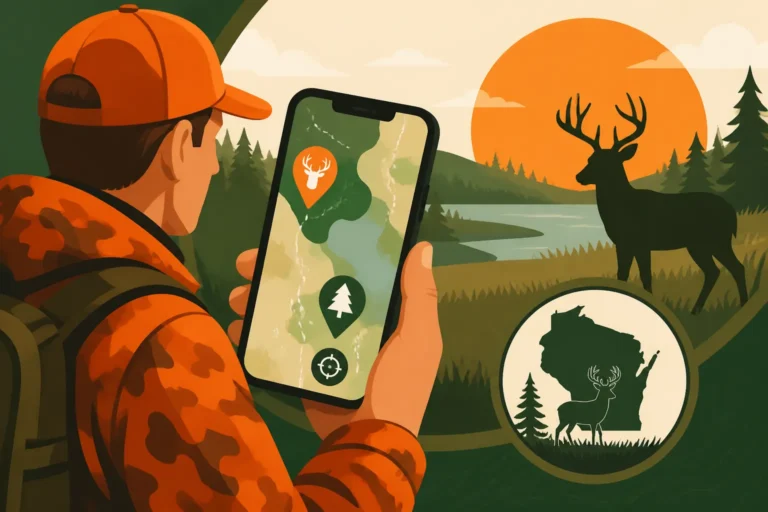
The most essential tool for locating Voluntary Public Access lands in Wisconsin is the DNR’s own online mapping application, often integrated into the Wisconsin Hunt Wild App. This app is an absolute game-changer for navigating all public lands, including VPA. You can filter by VPA properties and see the exact boundaries, access points, and often specific rules for each parcel. It's truly your first stop. I highly recommend downloading it and spending some time getting familiar with its features before you head out.
Beyond the official DNR tools, popular mapping platforms like onX Hunt are incredibly valuable. These apps allow you to layer different maps, showing property boundaries, ownership information, and topographical features. You can overlay the VPA boundaries you find on the DNR map with aerial imagery, satellite views, and topo maps to get a comprehensive understanding of the terrain, cover, and potential access points. This is crucial for scouting from home, identifying natural funnels, bedding areas, and water sources without ever stepping foot on the property. These tools help you understand the lay of the land, even if you’re looking at a small VPA parcel tucked away in an agricultural zone. They truly bridge the gap between abstract map data and real-world hunting scenarios.
Scouting VPA Before You Go
Once you've identified potential VPA parcels using your mapping apps, the next critical step is scouting. Unlike large state forests where general strategies might apply, VPA parcels are often unique. Their size, shape, and surrounding land use can vary wildly. Effective scouting is paramount. Start by studying aerial photos to identify cover types, field edges, pinch points, and potential bedding or feeding areas. Look for natural barriers or funnels that might dictate deer movement, or thickets that could hold pheasants.
When you make your initial visit, pay close attention to the designated parking areas and access points. VPA properties often have specific entryways, and respecting these is non-negotiable. Walk the boundaries, looking for fresh sign like rubs, scrapes, tracks, or droppings. Assess the actual habitat on the ground versus what you saw on the map. Sometimes a seemingly sparse woodlot might have a thick understory, or a wetland might be drier or wetter than anticipated. Take notes, mark waypoints on your onX Hunt app, and observe how the property relates to adjacent private lands. Does a cornfield on neighboring property funnel deer onto the VPA parcel? Is there a thick bedding area just off the VPA boundary? This kind of detailed scouting will give you a significant advantage and help you avoid Hunting Pressure on Wisconsin Public Land by finding those less obvious, productive spots.
Rules and Etiquette on VPA Properties
Hunting on Voluntary Public Access lands comes with a few specific guidelines and an overarching expectation of respect. Remember, these are private lands generously opened to us, and our behavior directly influences the landowner's willingness to continue participating. Adhering to the rules and practicing good etiquette is not just about legality; it’s about ensuring the future of the program.
General Rules of Engagement
The most important rule on any VPA property is to always know the specific regulations for that particular parcel. While there are general VPA rules, some landowners may have additional requirements, such as restricting access to certain areas, prohibiting ATVs, or specifying parking locations. These details are usually clearly marked on signage at the property or noted within the DNR's online VPA maps and the Wisconsin Hunt Wild App. Ignoring these specifics can lead to program violations and, worse, jeopardize the entire program if landowners decide to pull out.
Key general rules often include:
- No baiting or feeding: This is a common restriction on VPA lands, regardless of broader county regulations, unless explicitly stated otherwise. Always check. This is different from some other public lands.
- No permanent stands or blinds: You generally cannot leave treestands or ground blinds on VPA properties overnight or for extended periods. Portable stands are typically allowed, but must be removed daily. Be aware of Treestand Rules on Wisconsin Public Land.
- Designated parking: Always park in marked parking areas. Do not block gates or driveways.
- No vehicle access off designated roads: Unless specifically permitted, do not drive vehicles into fields or wooded areas. Foot traffic is usually the only permitted form of travel beyond parking.
- Leave no trace: Pack out everything you pack in. No littering, no cutting branches, no building fires. The goal is to leave the property exactly as you found it, or better.
Respecting the Land and the Landowner
Beyond the official rules, ethical conduct and respect are paramount. Remember that these lands are someone's private property. Treat it as you would your own, or even better. This means being mindful of crops, fences, and any existing structures. Close gates behind you. Avoid making excessive noise or disturbing neighboring properties. If you encounter the landowner, offer a friendly greeting and thank them for participating in the program. A little courtesy goes a long way.
One crucial aspect of respect is being absolutely certain of property boundaries. While onX Hunt and similar apps are excellent, always double-check with physical signage or property markers if there's any doubt. Accidentally trespassing onto an adjacent private parcel, even if it's not posted, can create tension with the landowner and give the VPA program a bad name. Finding Wisconsin Property Lines is a crucial skill. If you harvest an animal, retrieve it carefully and efficiently, and if it crosses onto adjacent private property, you are legally obligated to seek permission from that landowner before pursuing it. This demonstrates good sportsmanship and protects the reputation of all hunters. Your actions on a VPA parcel reflect not just on you, but on the entire hunting community and the future availability of these vital access points.
VPA Challenges and Considerations for Hunters
While the VPA program offers incredible opportunities, it's not without its quirks. Understanding these potential challenges will help you approach VPA lands with realistic expectations and plan more effectively, ensuring a safer and more successful hunt.
The Dynamic Nature of VPA
One of the unique aspects of VPA lands is their potentially temporary nature. A parcel enrolled this year might not be available next year if the landowner chooses not to renew their contract. This dynamic quality means that your favorite VPA spot could disappear, or new opportunities could emerge in unexpected places. It requires hunters to stay vigilant, checking the DNR’s VPA maps annually (or even more frequently) to see what’s new and what’s changed. This constant flux can be a source of frustration for those who prefer consistency, but it also means there's always a chance for new, hidden gems to pop up.
Furthermore, VPA parcels can be irregular in shape and size, sometimes consisting of narrow strips of cover, isolated woodlots, or oddly shaped agricultural fields. This means you might not always have the expansive tracts of land you find in a large state forest. Hunting these smaller, often fragmented parcels requires a different approach, often focusing on precise entry and exit routes, understanding how game moves through tight cover, and being acutely aware of property lines. It’s an exercise in micro-management, where a single good tree stand placement or a well-executed still-hunt might be more effective than covering miles of ground.
Managing Expectations on VPA Parcels
It's important to approach VPA lands with an open mind and realistic expectations. While some parcels can offer fantastic hunting, others might be less productive depending on the year, the habitat, and surrounding land use. Just because a property is part of VPA doesn't automatically mean it's a deer haven or a turkey paradise. Some parcels may be heavily pressured if they're well-known and easily accessible, especially if they are among the few public options in a densely populated area. This is where your scouting and research truly pay off.
The quality of hunting can also vary year-to-year based on crop rotations on adjacent private land, winter severity, or even changes in landowner management practices. It's a constantly evolving landscape. Be prepared to adapt. If a specific VPA parcel doesn't produce, don't be discouraged; use your mapping tools to find another one nearby. The program's strength lies in its volume and distribution, offering many different chances rather than relying on a single spot. Patience and persistence are key when exploring these valuable, but sometimes unpredictable, hunting grounds. This is where tools like GoHunt, which provide broader harvest data and mapping features, can help you gain a broader perspective and compare potential areas, even if they aren't directly showing VPA boundaries.
Comparing VPA to Other Public Hunting Options
Wisconsin offers a variety of public hunting lands, each with its own characteristics, rules, and benefits. Understanding how VPA acreage stacks up against other options like state forests, county forests, and wildlife areas can help you decide where to focus your efforts.
| Feature | Voluntary Public Access (VPA) Lands | State Forests / Wildlife Areas | County Forests |
|---|---|---|---|
| Land Ownership | Private land, leased by DNR for public access | State-owned and managed | County-owned and managed |
| Typical Size | Often smaller, fragmented parcels (e.g., 20-160 acres) | Large, contiguous blocks (thousands of acres) | Large, contiguous blocks (thousands of acres), often extensive |
| Habitat Diversity | High, often includes agricultural fringes, small woods, wetlands | Varies; extensive timber, marsh, or specific managed habitat | Primarily timber, some wetlands; managed for timber, recreation |
| Hunter Pressure | Variable; often less than well-known state areas, but can be high locally | High on easily accessible areas; low in remote sections | Moderate; often less than state lands, but can be popular for deer drives |
| Access Points | Often specific, designated parking and walk-in only; clearly marked | Numerous roads, parking lots, boat launches | Extensive network of logging roads, parking areas |
| Rules & Regulations | General VPA rules plus potential parcel-specific landowner rules; check DNR map | Standard state rules apply; specific regulations for wildlife areas | County-specific rules; often allow ATVs on certain roads; check county maps |
| Annual Availability | Can change year-to-year as landowner contracts expire or renew | Generally stable and permanent | Stable and permanent |
| Baiting/Feeding | Generally prohibited, unless specified for individual parcel | Depends on county-level ban; check regulations | Depends on county-level ban; check regulations |
This table illustrates that VPA lands fill a crucial niche by providing accessible parcels in areas that might otherwise lack public hunting opportunities, particularly in agricultural regions. While they may require more research and have more specific rules, their potential to offer less crowded or unique hunting experiences makes them a valuable asset for any Wisconsin hunter.
The Future of Voluntary Public Access in Wisconsin
The VPA program has been a resounding success since its inception, continually growing and evolving to meet the needs of both landowners and hunters. As traditional public lands face increasing pressure and private land access becomes more challenging, programs like VPA are becoming not just an option, but a necessity for the future of hunting in Wisconsin.
The DNR is committed to expanding VPA acreage, and federal funding often plays a crucial role in supporting these efforts. This commitment ensures that the program will likely continue to grow, adding more valuable acres for us to explore. However, the long-term success of VPA hinges on several factors, including sustained funding, continued landowner participation, and, most importantly, the responsible behavior of hunters. Every time we leave a VPA parcel cleaner than we found it, respect the property lines, and follow the specific rules, we are contributing to the program's longevity.
For hunters, staying informed about new VPA enrollments and changes to existing properties is an ongoing task. Regularly checking the DNR's VPA map and using tools like onX Hunt to scout new parcels should become a regular part of your hunting preparation. As Wisconsin's hunting landscape continues to shift, innovative solutions like the VPA program will be vital in preserving our traditions and ensuring that future generations have ample opportunities to enjoy the outdoors. So, next season, consider venturing beyond the familiar and exploring the hidden potential of Wisconsin's Voluntary Public Access acreage. You might just discover your new favorite spot.
Disclaimer
This article is for general informational purposes only and does not constitute professional advice. Laws, prices and regulations vary by location and change over time. Consult a qualified professional for guidance on your specific situation.