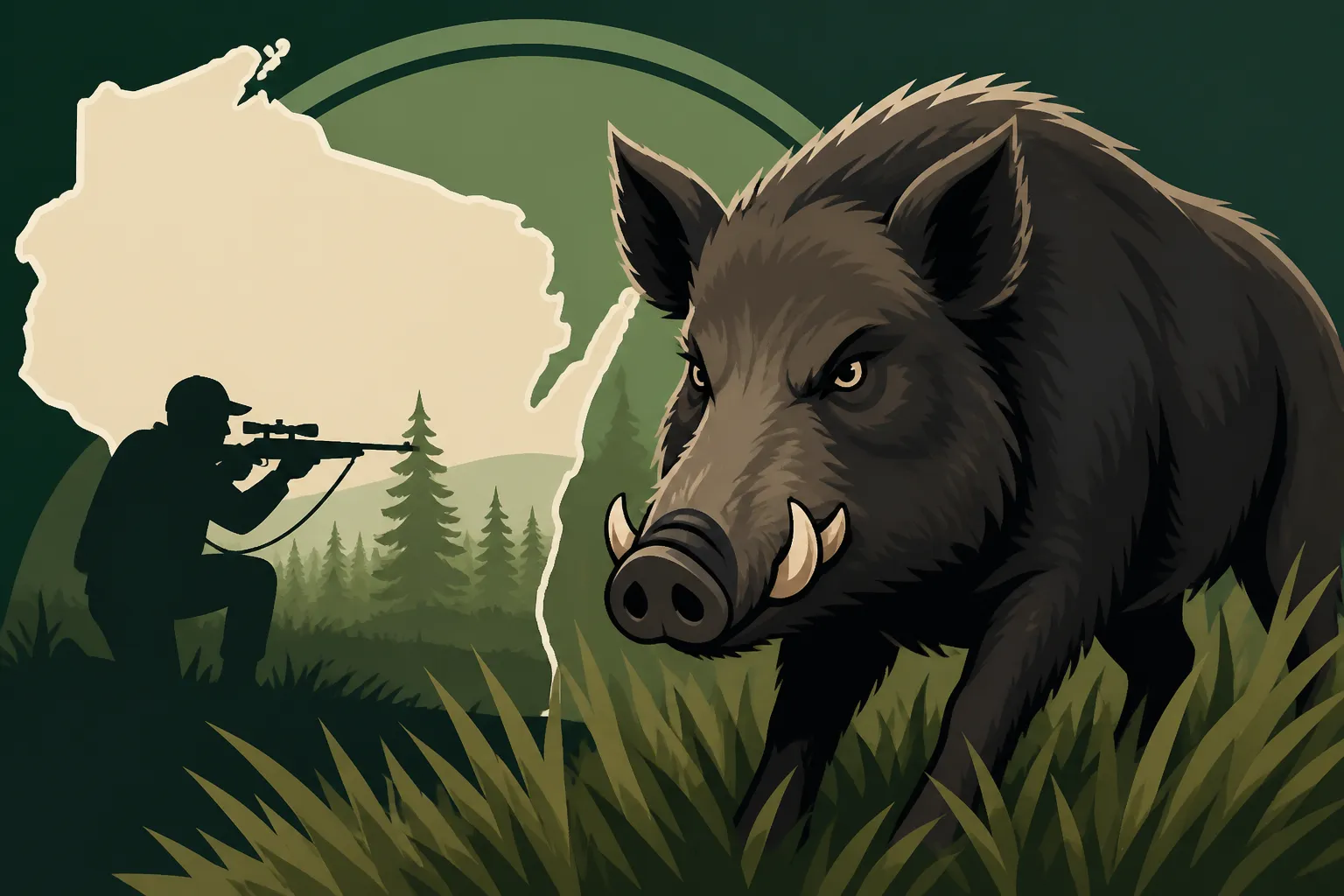
Feral Swine Sightings in Wisconsin
It's a chilling thought for anyone who cherishes Wisconsin's wild spaces and the health of our deer herds: feral swine. While not an established, widespread problem like in some southern states, the occasional sighting of these highly destructive animals sends shivers down the spine of wildlife managers and hunters alike. This guide is here to shed light on what these creatures are, why they're such a menace, how to identify them, and most importantly, what you need to do if you ever cross paths with one in our beautiful state.
The Growing Threat of Feral Swine in Wisconsin
The term "feral swine" might conjure images of wild boars from European forests, but the reality here in Wisconsin is a bit different, and arguably, even more concerning. These aren't native animals. They are a dangerous mix, and their presence, even in small numbers, poses an existential threat to our ecosystems and agricultural backbone.
What Exactly Are Feral Swine?
When we talk about feral swine, we're really talking about a free-ranging pig that is not under human control. This can include domestic pigs that have escaped captivity and adapted to life in the wild, or it can be a hybrid mix of these escapees with truly wild hogs, often descendants of Eurasian wild boar introduced to North America centuries ago. It's easy to dismiss them as just "wild pigs," but the reality is far more grim. These animals are incredibly intelligent, adaptable, and prolific breeders. A sow can have multiple litters in a year, with each litter containing numerous piglets. This rapid reproduction rate means that even a small founding population can explode in numbers if left unchecked.
Physically, feral swine often look different from your typical farm pig. They tend to be leaner, with coarse hair that can range from black to brown to mottled patterns. Many develop prominent tusks, especially the boars, which are canine teeth that grow continuously and can be quite formidable. Their snouts are typically longer and more rigid, perfectly evolved for their destructive rooting behavior. They're built for survival, not for a comfy life in a barn, and their instincts are geared towards finding food, avoiding predators, and reproducing, all of which puts immense pressure on everything else in their environment.
Why Are They Such a Problem for Wisconsin?
The reasons feral swine are considered such a devastating invasive species are numerous and far-reaching, striking at the very heart of what we value about Wisconsin's outdoors. Their impact isn't just an inconvenience; it's a profound ecological and economic threat.
Firstly, let's talk about the sheer physical destruction they wreak. Feral swine are voracious eaters and their primary method of finding food is "rooting"—tearing up the ground with their powerful snouts. Imagine a rototiller gone wild, indiscriminately tilling up acres of forest floor, agricultural fields, and sensitive wetlands. This rooting behavior destroys native plant communities, disturbs delicate soil structures, and can lead to significant erosion, especially on slopes or near waterways. They target crops like corn and soybeans, causing millions of dollars in damage in states where they are established. For Wisconsin's farmers, this would be a catastrophic new challenge.
Beyond physical destruction, their impact on native wildlife is truly alarming. They compete directly with our beloved white-tailed deer, black bears, and wild turkeys for critical food sources like acorns, mushrooms, and other mast crops. Not only do they compete, but they also prey on the young of other species, including fawns, turkey poults, and the eggs of ground-nesting birds. This direct predation can decimate local populations of game animals we work so hard to manage.
Perhaps the most terrifying aspect of feral swine is their role as disease vectors. They are known carriers of numerous diseases that can affect livestock, humans, and critically, our wild deer herd. Diseases like pseudorabies, brucellosis, and even some strains of avian influenza can be carried by swine. The fear that they could act as a reservoir or vector for Chronic Wasting Disease in Wisconsin is a serious concern for wildlife managers, as CWD is already a challenging issue. They can also spread E. coli and other bacteria, contaminating water sources and agricultural products. This isn't just about losing a few plants; it's about potentially undermining the health and safety of our entire agricultural industry and our cherished wild game populations. For hunters, the spread of diseases from feral swine would add another layer of complexity to practices like Wisconsin Carcass Movement Restrictions.
Identifying Feral Swine and Their Sign
Recognizing feral swine is the first step in combating their spread. It’s not always straightforward, especially if you’re used to seeing only domestic farm pigs or the occasional badger digging in your woods. However, with a keen eye for detail, you can learn to distinguish them and their tell-tale signs.
Distinguishing Feral Swine from Domestic Pigs
While a domestic pig that has recently escaped might look very much like the farm animal it once was, truly feral swine, or those that have been living wild for generations, often exhibit distinct differences. Understanding these differences is crucial for accurate identification.
Firstly, consider their build and appearance. Feral swine are typically much leaner and more muscular than their domestic counterparts. They've adapted to a life of constant movement and foraging, lacking the fat layers common in pigs raised for meat production. Their coat is usually darker, often black, brown, or a grizzled mix, and much coarser and thicker, sometimes with a distinctive mane along the spine. Domestic pigs, by contrast, come in a much wider array of colors—pink, spotted, red—and tend to have smoother, sparser hair. A dead giveaway for a feral boar is the presence of prominent tusks, which can grow several inches long and curve outwards from their mouths. These are far less common or developed in domestic pigs. Their snouts also tend to be longer and more pointed, perfect for rooting deep into the soil.
Behaviorally, they are worlds apart. Feral swine are incredibly wary and elusive. They are often nocturnal, moving under the cover of darkness to feed and avoid human contact. If you encounter one, it's likely to bolt at the first sign of your presence. Domestic pigs, even escapees, are usually more accustomed to humans and may not be as quick to flee. If cornered, however, feral swine, especially a sow with piglets or a large boar, can be aggressive and dangerous. It's vital to maintain a safe distance and never approach them. Think of them more like a wild predator than a farm animal, even if their lineage traces back to a barn.
Reading the Signs: Tracks, Rooting, and Wallows
Even if you don't catch a glimpse of a feral pig, their presence leaves unmistakable clues on the landscape. Learning to read these signs is key, especially when you're Scouting Wisconsin Public Land Before Season or just exploring.
The most obvious and destructive sign of feral swine is their "rooting." This looks like someone took a small plow or a rototiller to the ground. They use their powerful snouts to dig up soil, searching for roots, tubers, grubs, and other food sources. The disturbed area will often cover a significant patch of ground, appearing as overturned earth, sometimes extending for dozens of yards. You might initially mistake rooting for a bear or a particularly busy badger, but once you know what to look for, the sheer scale and consistency of the disturbance, often in varied habitats from woods to fields, usually points to swine. Bears tend to flip over logs or dig more focused holes for specific food items, while badgers create distinct burrow entrances. Feral swine rooting is broader, shallower, and much more extensive.
Feral swine also leave distinct tracks. While they are cloven-hoofed like deer, their tracks are generally rounder and wider, with shorter, blunter toes. The two dewclaws behind the main hooves will often register in the mud or soft ground, giving the track a four-point impression, which is less common for deer unless the ground is very soft or the deer is running hard. Look for a splayed appearance to the toes, especially in soft substrates. Comparing tracks can be helpful; deer tracks are typically more heart-shaped and elongated.
Another classic sign is a "wallow." Feral swine love to roll around in mud and water, especially in hot weather, to cool down and rid themselves of parasites. These wallows are essentially muddy depressions, often found near water sources like streams, ponds, or low-lying wet areas. You might find nearby trees or fence posts with mud rubbed off on them, where the pigs have scratched themselves after a good wallow. These rub marks, often accompanied by coarse hairs stuck to the bark, are another strong indicator. Lastly, their scat can be varied, similar to large dog scat but often containing more undigested plant material, depending on their diet. Finding these multiple types of sign together in an area solidifies the identification of feral swine. If you're out Finding Sign in Big Timber, keep your eyes peeled for these unusual disturbances.
| Feature | Feral Swine | Domestic Pigs (Typical) |
|---|---|---|
| Appearance | Leaner, often dark/striped, coarse hair, prominent tusks (boars), longer snouts, smaller ears | Plumper, various colors (pink, spotted, red), less hair, smaller or no tusks, shorter snouts |
| Temperament | Wild, wary, elusive, often nocturnal, aggressive if cornered, quick to flee | Docile, accustomed to humans, less aggressive, may approach humans |
| Habitat | Forests, swamps, dense brush, agricultural edges, remote areas, anywhere with food and cover | Barns, pens, fenced pastures, confined to farm properties |
| Diet | Omnivorous: roots, tubers, acorns, crops, grasses, fungi, insects, small animals (fawns, eggs), carrion | Commercial feed, supplemented with farm scraps or pasture forage |
| Sign | Extensive rooting (like a rototiller), mud wallows, tree rubs, tracks with splayed toes and dewclaw marks | Limited rooting (if pastured), confined area disturbance, typical livestock tracks |
| Disease Risk | High potential to carry/transmit wildlife and livestock diseases (e.g., pseudorabies, brucellosis, CWD concerns) | Generally managed for health; escapees may pose risk, especially if not quickly recovered |
Where Feral Swine Have Been Sighted in Wisconsin
It's important to understand that while feral swine are a significant concern, Wisconsin does not have established, widespread breeding populations. Unlike some states further south, our winters and aggressive containment efforts have largely prevented them from taking a firm foothold. However, that doesn't mean we don't see them.
Documented Sightings and Hotspots
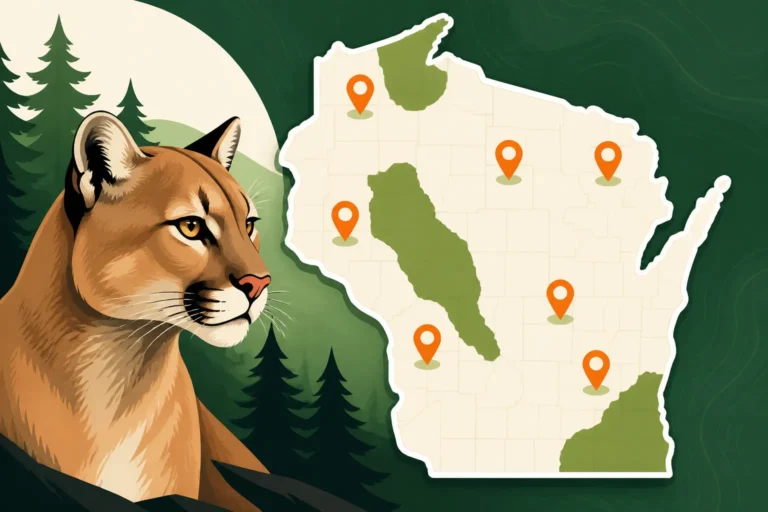
Feral swine sightings in Wisconsin tend to be sporadic and geographically isolated. Historically, most confirmed reports have come from southern counties, particularly those bordering Illinois. These areas often have a mix of agriculture and patchy woodlands, providing both food sources and cover. There have also been occasional reports in other parts of the state, often isolated incidents quickly investigated by the Wisconsin DNR and USDA Wildlife Services.
It’s not uncommon for these sightings to involve a single animal or a small group, rather than a large, established sounder. This distinction is crucial because a solitary animal, while still a threat, is much easier to contain and remove than a deeply entrenched, reproducing population. The key is that these are often transient individuals or small family groups that are quickly located and dealt with. It speaks volumes about the proactive approach Wisconsin takes to keep this invasive species from becoming a permanent fixture.
What this means for hunters and outdoor enthusiasts is that you probably won't stumble upon a widespread feral pig problem across acres of public land. Instead, a sighting is likely to be an unusual and alarming event, emphasizing the importance of immediate action when it occurs.
How They Arrive: Escapes and Intentional Releases
The presence of feral swine in Wisconsin almost always boils down to one of two scenarios, both of which are problematic.
The most common way feral swine end up in our wild spaces is through accidental escapes from domestic farms. Pigs are incredibly intelligent and surprisingly adept at finding weaknesses in fencing, especially if they are motivated by hunger or curiosity. A domestic pig, once free, can quickly revert to more feral behaviors, adapting to foraging for its own food and avoiding humans. If an escaped sow is pregnant, she can give birth to a litter of piglets that are born wild, accelerating the feralization process. This isn't always some grand, nefarious plot; sometimes it's just an unfortunate escape that, if not quickly remedied, can have significant ecological ripple effects. Farmers have a responsibility to keep their livestock contained, and incidents do happen.
The second, and far more egregious, pathway is through illegal, intentional releases. Uninformed or misguided individuals sometimes release domestic pigs into the wild, believing they are "stocking" a new game animal for hunting. This practice is not only incredibly irresponsible and dangerous for the environment but also strictly illegal, carrying severe penalties. These intentional releases introduce animals directly into a natural ecosystem, bypassing the initial adaptation period and immediately posing a threat. It's a prime example of how human actions, however well-intentioned or ignorant, can have devastating consequences for our wild heritage. Authorities take such releases extremely seriously, and those caught doing so face significant legal repercussions. Just as it's vital to report illegal hunting activities through avenues like Reporting a Poacher in Wisconsin, it's equally important to report any suspicious activity related to animal releases.
Reporting and Management in Wisconsin
Dealing with feral swine isn't like hunting deer or turkeys; it requires a very specific, coordinated approach. The key to preventing their establishment in Wisconsin lies in rapid detection and immediate, effective action. This means the individual citizen plays a critical role.
The Critical Importance of Reporting
If you ever see a feral pig or find signs of their presence in Wisconsin, your immediate response is the most important step in protecting our state. It might feel like a hassle to make that call, but trust me, it's the single most important thing you can do to help prevent a major problem.
Do NOT attempt to approach, capture, or even shoot the animal yourself, unless specifically directed and authorized by the Wisconsin Department of Natural Resources (DNR) or USDA Wildlife Services. While the impulse to "deal with it" might be strong, especially for hunters, an uncoordinated effort can actually do more harm than good. Shooting a feral pig without proper authorization can scatter the remaining animals, making them more wary and much harder for trained professionals to track and eliminate. Dispersed groups are harder to find and can quickly establish new pockets of infestation. Think of it like trying to catch a handful of sand; if you just grab at it, it goes everywhere.
Instead, the moment you suspect you've seen a feral pig or its sign, you need to report it immediately. The Wisconsin DNR and USDA Wildlife Services have a joint rapid response protocol in place specifically for feral swine. They have the expertise, equipment, and legal authority to handle these situations effectively.
Here's what you should do:
- Do NOT approach the animal. Feral swine can be dangerous, especially a sow with piglets or a large boar.
- Take photos or videos if possible, from a safe distance. This helps with identification.
- Note the exact location, including GPS coordinates if you have them, or detailed landmarks.
- Note the date and time of the sighting.
- Note the number of animals and their size/description.
- Contact the Wisconsin DNR immediately. They will direct you to the appropriate personnel. Their website typically has a dedicated phone number or reporting portal for invasive species or wildlife observations.
Your report allows professionals to deploy rapidly, trap, and remove the animals before they can establish a breeding population or spread diseases. This strategy is part of a broader effort of Wisconsin Wildlife Disease Monitoring.
Wisconsin's Strategy for Containment
Wisconsin's approach to feral swine is one of eradication, not management. This is a critical distinction. For established game animals like deer or turkeys, we manage populations through regulated hunting seasons and quotas. For an invasive species like feral swine, the goal is to completely eliminate them from the landscape.
To achieve this, the Wisconsin DNR works in close collaboration with the United States Department of Agriculture (USDA) Wildlife Services. This partnership brings together state and federal resources and expertise to implement a rapid and aggressive response to any confirmed sightings. Their methods primarily involve:
- Rapid Response Trapping: When a sighting is confirmed, specialized traps are deployed. These are often large corral traps designed to capture entire sounders (groups of pigs) at once. This is far more effective than individual hunting, which, as mentioned, can disperse animals.
- Targeted Removal: In certain situations, sharpshooters may be utilized to remove animals safely and efficiently. This is done under strict protocols to ensure effectiveness and public safety.
- Disease Surveillance: Any removed animals are typically tested for various diseases, providing crucial data on potential health risks to native wildlife and livestock. This is another area where CWD concerns are particularly relevant.
- Public Education: The DNR actively educates the public about the dangers of feral swine and the importance of reporting. This is why you won't find an open hunting season for feral swine in Wisconsin – because public hunting can complicate eradication efforts by scattering the animals. This concept is similar to how rules are made for other species listed under Game You Cannot Hunt in Wisconsin without specific permits.
This aggressive, zero-tolerance approach is why Wisconsin has largely avoided the widespread problems seen in other states. It's a testament to the dedication of wildlife professionals and the cooperation of informed citizens, including hunters who understand that sometimes, the best way to protect our hunting heritage is to trust the experts with a serious threat like feral swine. Learning about hunter safety, as outlined in guides like Wisconsin Hunter Safety and Mentored Hunting, also reinforces the importance of knowing proper procedures for every situation you might encounter in the field.
Disclaimer
This article is for general informational purposes only and does not constitute professional advice. Laws, prices and regulations vary by location and change over time. Consult a qualified professional for guidance on your specific situation.