Wisconsin Sandhill Crane Numbers
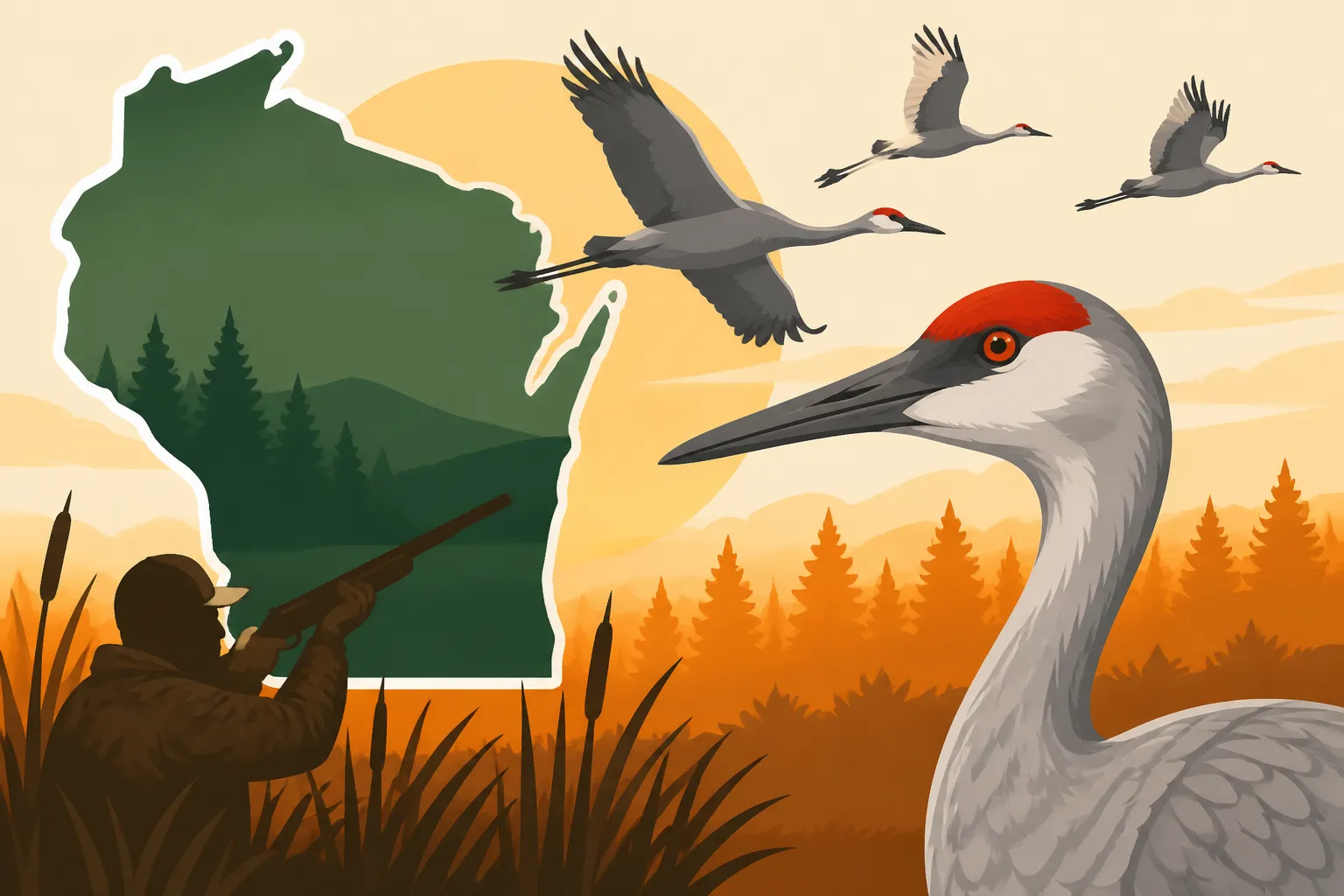
It's truly incredible how many Sandhill Cranes we see across Wisconsin these days, especially when you consider they were once on the brink of vanishing from our state. For many, seeing these majestic birds soar overhead or hearing their distinct bugle call is a highlight of any day afield, but it also raises questions about just how many of them there are, how they're managed, and what the future holds. This guide will take a deep dive into the fascinating story of Wisconsin's Sandhill Crane numbers, exploring their resurgence, how wildlife experts track their populations, and the important factors that influence their presence in our landscapes.
The Remarkable Comeback of Wisconsin's Sandhill Cranes
The story of Sandhill Cranes in Wisconsin is one of the most heartwarming conservation success stories we have. It’s hard to imagine now, with their frequent presence in our skies and fields, but these magnificent birds were nearly wiped out from our state by the late 1800s and early 1900s. Habitat loss, primarily the draining of vast wetlands for agriculture and development, coupled with unregulated hunting, pushed their numbers to critically low levels. By the 1930s, estimates suggested there might have been fewer than 50 breeding pairs left in Wisconsin, primarily confined to a few isolated pockets of remaining marshland.
Can you imagine a Wisconsin without the iconic bugle of a Sandhill Crane? It's a stark thought, and thankfully, it's a reality we avoided due to concerted efforts. The establishment of wildlife refuges and management areas, particularly places like Necedah National Wildlife Refuge and Horicon Marsh, became crucial sanctuaries. These protected lands provided the undisturbed wetland habitats necessary for the cranes to nest and raise their young. Furthermore, changes in public attitudes towards conservation and the implementation of wildlife protection laws played an equally vital role. It wasn't an overnight fix; it took decades of dedicated work, but slowly, surely, the cranes began to creep back.
From Scarcity to Abundance: A Conservation Triumph
The rebound of the Sandhill Crane population didn't happen by accident. It was the direct result of understanding their ecological needs and implementing strategic conservation measures. Protecting critical nesting and foraging habitat was paramount. Marshes, wet meadows, and even flooded agricultural fields provide the diverse food sources and secure breeding grounds these birds require. Hunters and non-hunters alike have contributed to these conservation efforts through various programs and purchases, recognizing the intrinsic value of diverse wildlife in our state. This collective appreciation for wild spaces has been a cornerstone of their recovery.
Early conservationists recognized that simply stopping hunting wasn't enough; active habitat restoration and protection were essential. Land acquisitions by state and federal agencies carved out safe havens, while private landowners also contributed by preserving wetlands on their properties. Education also played a part, teaching people about the importance of these wetlands, not just for cranes, but for a host of other wildlife. It's a testament to what can be achieved when people commit to environmental stewardship, turning what looked like an irreversible decline into a thriving population. For many, witnessing their successful return is a point of pride for Wisconsin's outdoor heritage.
Historical Population Trends and Recovery Milestones
Looking back at the trajectory of Sandhill Crane numbers truly paints a picture of perseverance. From those dismal lows in the early 20th century, the population began a slow but steady climb through the mid-century. By the 1970s and 80s, their recovery was undeniable, and their range started to expand beyond the core refuges. This expansion brought them back into areas where they hadn't been seen for generations, thrilling birdwatchers and surprising farmers. The ability of these birds to adapt to some human-modified landscapes, utilizing agricultural fields for foraging, also helped accelerate their spread.
By the turn of the millennium, Wisconsin's Sandhill Crane population was estimated to be in the tens of thousands, a remarkable feat from mere dozens of pairs. This growth has continued, with cranes becoming a common sight in many parts of the state, from the farmlands of southern Wisconsin to the northern forests. This success has also led to new discussions and challenges, such as managing crop damage and considering how a healthy population fits into broader wildlife management strategies. The species has now firmly re-established itself as a vibrant part of Wisconsin's natural heritage.
Understanding Current Sandhill Crane Population Estimates
Pinpointing an exact number for any wild animal population is notoriously difficult, and Sandhill Cranes are no exception. However, wildlife biologists employ several sophisticated methods to estimate their numbers and track population trends over time. These methods help us understand not just how many cranes there are, but also how healthy the population is, where they're concentrated, and if they're expanding or declining in certain areas. This data is absolutely crucial for informed conservation and management decisions.
The primary method for estimating Sandhill Crane populations in Wisconsin, and across their migratory flyways, often involves coordinated ground and aerial surveys. These surveys are typically conducted during specific times of the year, such as migration staging or during the breeding season, when cranes are more predictable in their locations. Biologists also rely on partnerships with other states and federal agencies, like the U.S. Fish and Wildlife Service, to get a continental perspective, as Wisconsin's cranes are part of a larger Eastern Population that migrates through multiple states. This collaborative approach ensures that the data collected is as comprehensive and accurate as possible.
Survey Methodologies: Counting Cranes from the Ground and Air
One of the most important tools for counting Sandhill Cranes is the Mid-Continent Sandhill Crane Survey, though Wisconsin's Eastern Population is also closely monitored. During these surveys, trained observers systematically count cranes in designated plots or along transects. For instance, teams might drive specific routes, stopping at pre-determined points to scan fields and wetlands for cranes. This ground-based effort is often supplemented by aerial surveys, where biologists fly over large wetland complexes and staging areas, counting birds from above. These aerial observations are particularly effective for vast, less accessible habitats or for estimating large concentrations of cranes during migration.
The timing of these surveys is critical. Counting birds during the breeding season helps estimate the number of nesting pairs and reproductive success, while surveys during migration staging periods provide a snapshot of the overall population size as birds congregate. These counts, combined with statistical analysis, allow biologists to generate population estimates with a certain degree of confidence. While these aren't always exact numbers, they provide invaluable trend data that tells us whether the population is growing, stable, or declining, which is the most important factor for long-term management. Data from these surveys can sometimes be accessed through platforms like GoHunt, giving enthusiasts a deeper look at wildlife trends.
Factors Influencing Data Accuracy and Annual Variability
It's important to remember that population estimates are just that: estimates. Several factors can influence the accuracy of these numbers and lead to annual variability. Weather conditions during surveys, for example, can impact visibility for aerial crews or affect how widely dispersed cranes are on the ground. A late spring snowstorm or unusually heavy rains can change crane behavior and distribution, making them harder to count accurately in certain areas. Also, the natural behavior of cranes, like their tendency to concentrate in massive flocks during migration, can make it challenging to count every single bird without double-counting or missing groups.
Furthermore, factors beyond the immediate survey conditions can cause real fluctuations in crane numbers from year to year. Reproductive success, influenced by everything from nest predation to drought or flood conditions in breeding areas, plays a huge role. Habitat availability, especially the quality and quantity of wetlands and agricultural foraging grounds, also directly affects how many cranes an area can support. Disease outbreaks, while not typically a major issue for Sandhills, could also cause localized declines. All these elements contribute to the dynamic nature of wildlife populations, making continuous monitoring essential. For those interested in broader avian trends, exploring resources on Ruffed Grouse and Woodcock in Wisconsin or Wisconsin Waterfowl Migration Timing can offer comparative insights into bird population dynamics.
Habitat, Food, and Conservation: The Pillars of Crane Success
The booming numbers of Sandhill Cranes in Wisconsin are a direct reflection of abundant and healthy habitats, coupled with robust conservation efforts. These elegant birds thrive in a mosaic of wetland and agricultural landscapes, and understanding their specific needs is key to ensuring their continued success. Without these foundational elements, even a resilient species like the Sandhill Crane would struggle to maintain its impressive population levels.
Our state's diverse landscape offers exactly what cranes need: expansive wetlands for secure nesting and roosting, and adjacent agricultural fields for foraging. The interconnectedness of these habitats is critical. Cranes will nest deep in a marsh, where they are protected from many predators, and then lead their young to nearby fields to feed on waste grains, invertebrates, and even small vertebrates. This adaptability to utilize both wild and cultivated lands has been a significant factor in their ability to expand their range and increase their numbers.
The Importance of Wetlands and Agricultural Lands
For Sandhill Cranes, wetlands are non-negotiable. They provide the seclusion and water depth necessary for nesting, protecting eggs and young from terrestrial predators. These wet environments are also rich in invertebrates, amphibians, and plant matter, offering a vital food source. Areas like Horicon Marsh, the Necedah National Wildlife Refuge, and numerous state wildlife areas provide extensive wetland complexes that serve as breeding grounds, migratory stopovers, and wintering areas. The health of these wetlands directly correlates with the health of our crane population. Understanding how these areas are managed is critical, whether you're interested in Hunting Horicon Marsh Waterfowl or simply observing wildlife.
Beyond wetlands, agricultural fields, particularly those with leftover corn or other grains, have become crucial foraging grounds. As harvesters move through fields, they inevitably leave behind kernels, which provide an easily accessible and highly nutritious food source for cranes. This reliance on waste grain allows cranes to build up fat reserves for migration and supports breeding adults and their growing chicks. However, this interaction with agriculture also presents challenges, such as crop damage in newly planted fields, which is a key management consideration when discussing future population strategies and even potentially Whether Wisconsin Will Hunt Sandhill Cranes.
Conservation Strategies and Their Ongoing Impact
The enduring success of Sandhill Cranes in Wisconsin is a testament to long-term, adaptive conservation strategies. These aren't just one-off projects; they are ongoing commitments to habitat protection, restoration, and careful monitoring. State and federal agencies, along with private conservation groups, continuously work to acquire, manage, and restore wetlands, ensuring that suitable crane habitat remains available. Programs that incentivize private landowners to maintain or restore wetlands on their property also play a vital role, broadening the network of safe havens for these birds.
Furthermore, public education campaigns have helped foster an appreciation for cranes and their habitat needs. Understanding that a healthy crane population is a sign of a healthy ecosystem encourages responsible land use and minimizes human-wildlife conflicts. While cranes are not currently hunted in Wisconsin, their population is still closely managed, much like other migratory birds, under frameworks such as the Migratory Bird Treaty Act. This ensures their numbers are sustainable across their entire flyway. Keeping up to date with programs like Wisconsin HIP Certification for Bird Hunters is crucial for anyone engaging with migratory bird species.
Managing Interactions: Cranes and Human Landscapes
As Sandhill Crane numbers have soared, so too have their interactions with human landscapes, particularly in agricultural areas. While their presence is widely celebrated as a conservation triumph, these interactions can sometimes lead to challenges, creating a need for ongoing management strategies that balance ecological success with economic realities for farmers. It’s a delicate balance, and one that Wisconsin wildlife managers are continually evaluating.
The sight of hundreds, or even thousands, of cranes staging in a field can be breathtaking, but for a farmer, it can also represent potential crop loss. Cranes are opportunistic feeders, and while waste grain is a primary food source, they will also pull up newly sprouted corn seedlings or feed on maturing crops. This creates a specific set of challenges that need to be addressed thoughtfully. It’s not about reducing crane numbers indiscriminately, but about finding ways for both cranes and agricultural operations to coexist effectively.
Agricultural Conflicts and Damage Mitigation
One of the most significant challenges arising from increased crane populations is crop damage. Cranes, especially during spring planting and fall harvest, can cause considerable damage to corn, soybeans, and other crops. They are particularly fond of digging up newly planted seeds, which can necessitate replanting and incur significant costs for farmers. This issue is more prevalent in areas where prime crane habitat (like large marshes) directly borders expansive agricultural fields.
To mitigate this, various strategies have been explored and implemented. These can include hazing techniques to scare cranes away from vulnerable fields, propane cannons, or even the use of specific chemical repellents on seeds that make them unpalatable to cranes without harming the birds. Farmers and wildlife agencies often collaborate on these efforts, trying to find solutions that protect livelihoods while respecting the cranes' right to exist and thrive. Data collected by state agencies, sometimes available through platforms like GoHunt, can help identify hotspots for these conflicts, allowing for targeted intervention.
The Discussion Around Potential Hunting Seasons
The remarkable recovery of the Sandhill Crane population in Wisconsin has naturally led to discussions, sometimes quite passionate ones, about whether a hunting season for these birds should be considered. Proponents often point to the large and growing numbers of cranes, the documented agricultural damage, and the fact that other states in the flyway already have limited hunting seasons for Sandhills. They argue that a controlled hunt could be a tool for managing populations and mitigating crop damage, similar to how deer or Canada Goose populations are managed. In fact, a dedicated post explores Whether Wisconsin Will Hunt Sandhill Cranes.
Opponents, however, often highlight the crane's conservation history, its majestic status, and the potential for misidentification with other protected crane species. They express concerns about the ethical implications of hunting a species that was so recently endangered and question the effectiveness of hunting as a primary solution for agricultural damage. This ongoing debate underscores the complex nature of wildlife management, where ecological success, economic concerns, and public sentiment must all be carefully weighed. Any decision on a potential hunting season would involve extensive public input, biological studies, and careful consideration of all these factors.
Future Outlook for Wisconsin's Sandhill Cranes
The future for Wisconsin's Sandhill Cranes appears bright, but it's not without its ongoing considerations. Their incredible comeback story is a testament to effective conservation, but maintaining their healthy numbers and managing interactions with human activities will require continued diligence and adaptive strategies. As our landscapes continue to change, so too will the challenges and opportunities for these iconic birds.
One thing is certain: the Sandhill Crane has firmly re-established itself as an integral part of Wisconsin's natural heritage. Their distinctive calls and graceful presence are now woven into the fabric of our outdoor experience, reminding us of the power of conservation and the resilience of nature. For those who love watching these birds, or simply appreciate wild spaces, their thriving numbers are a source of immense pride and a promise of vibrant ecosystems for generations to come.
Balancing Population Health with Human Interests
The core challenge moving forward will be to continually balance the health of the Sandhill Crane population with various human interests, particularly agriculture. As crane numbers remain high, proactive management of crop depredation will become even more critical to maintain positive relationships between farmers and wildlife. This might involve expanding current mitigation programs, exploring new deterrent technologies, or even incentivizing farmers to adopt crane-friendly practices where feasible. It’s about finding a sweet spot where cranes can flourish without disproportionately impacting agricultural producers.
Furthermore, monitoring their habitat needs will remain crucial. While wetlands are generally protected, continued development pressures and potential impacts of climate change could alter these vital ecosystems. Ensuring clean water, healthy marsh environments, and available foraging grounds will be an ongoing task for wildlife managers and conservation organizations. Regular surveys will continue to provide the data needed to make informed decisions about population trends and habitat conditions.
The Role of Continuous Monitoring and Research
Continuous monitoring and scientific research are the bedrock of responsible wildlife management. For Sandhill Cranes, this means maintaining robust survey programs to track population numbers, reproductive success, and migratory patterns. Researchers also study crane diet, habitat use, and the effectiveness of various management techniques. This data-driven approach allows wildlife agencies to respond to changes in the environment or the crane population with targeted, effective strategies.
The data gathered isn't just for biologists; it's also vital for informing the public and stakeholders about the status of the population. Whether through state DNR reports or platforms that aggregate wildlife data like GoHunt, transparency about population numbers and management strategies helps ensure public trust and support for conservation efforts. By staying informed and engaged, Wisconsin residents can continue to play a part in the ongoing success story of our Sandhill Cranes.
| Time Period | Estimated Wisconsin Breeding Pairs (Approximate) | General Population Trend | Key Factors |
|---|---|---|---|
| Early 1900s | <50 | Severely Declining | Habitat loss, unregulated hunting |
| Mid-1900s | 500-1,000 | Slow Recovery | Early refuge establishment, protection |
| Late 1900s | 5,000-10,000 | Moderate Growth | Wetland restoration, expanding range |
| Early 2000s | 20,000-30,000+ | Rapid Growth | Strong conservation, agricultural food sources |
| Present | Tens of thousands (migratory and breeding) | Stable to Increasing | Continued habitat management, adaptable foraging |
Disclaimer
This article is for general informational purposes only and does not constitute professional advice. Laws, prices and regulations vary by location and change over time. Consult a qualified professional for guidance on your specific situation.