What Wolves Eat in Northern Wisconsin
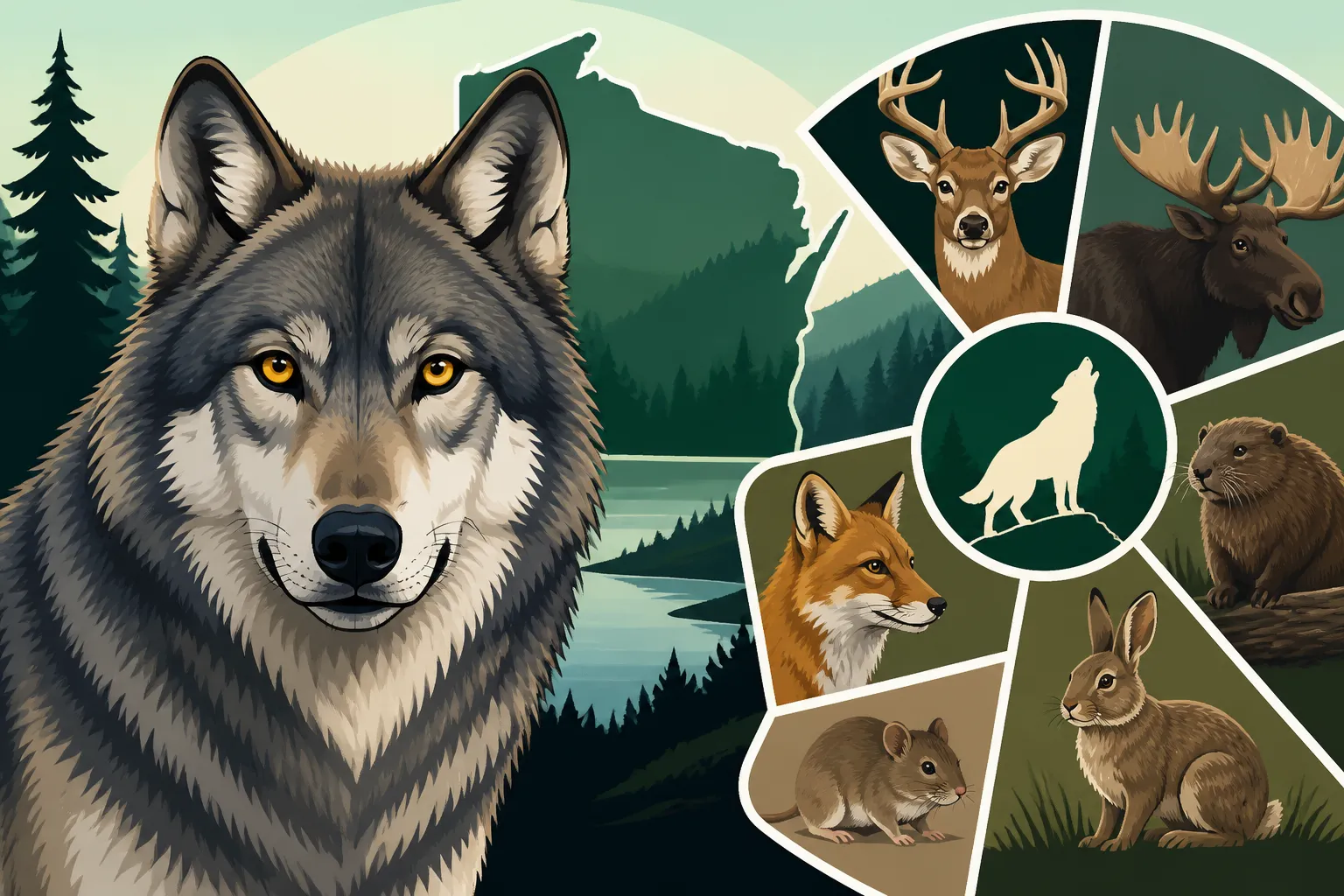
It’s a question that echoes across deer camp fires and through conversations at the local diner: what exactly are the wolves eating up in Northern Wisconsin? For many of us who hunt or simply enjoy the Northwoods, the presence of these top predators naturally sparks curiosity, and sometimes, a little concern about their impact on the deer herd. This guide will dive deep into the fascinating, complex diet of Northern Wisconsin's wolves, offering insights into their prey choices, hunting strategies, and how their presence shapes the wild landscape.
The Foundation of Their Diet: White-Tailed Deer
For Wisconsin’s wolves, especially those ranging through the vast forests of the northern part of the state, white-tailed deer are undeniably the cornerstone of their diet. It's not just a preference; it's an ecological reality dictated by availability and efficiency. A wolf pack is a finely tuned hunting machine, and a mature deer provides a substantial meal for multiple animals, making it an incredibly valuable resource.
Year-Round Reliance
Wolves rely on white-tailed deer throughout all four seasons in Wisconsin. In the spring, after a long winter, they might target pregnant does or young fawns, which are particularly vulnerable. During the summer months, while fawns are growing, adult deer are still a primary food source, alongside other opportunities. Then, as fall approaches and hunting season gets underway, wolves continue to pursue deer, often cleaning up gut piles or scavenging deer that hunters might not recover. Even in the thick of winter, deer are the main course. When you're out Still-Hunting Wisconsin Cedar Swamps in January, remember that wolves are also actively patrolling those same areas, seeking out their next meal.
The sheer abundance of deer across much of Northern Wisconsin makes them the most consistent and calorie-rich food source for wolves. Imagine a pack needing to feed itself daily; constantly chasing smaller, less substantial prey would be energetically draining and less efficient. A successful deer hunt can sustain a pack for several days, allowing them to rest, patrol their territory, and conserve energy. This foundational reliance on deer is a key aspect of understanding What Wolves Eat in Northern Wisconsin and how they fit into the ecosystem.
Targeting the Vulnerable
While wolves are powerful predators, they are also incredibly efficient. This means they often target the easiest prey, which tends to be the most vulnerable individuals in the deer herd. This includes fawns, which lack experience and speed, and older deer, which may be weakened by age, injury, or disease. Deer suffering from ailments like EHD Die-Offs in Wisconsin Deer or those simply past their prime are often the first to fall to a wolf attack. This natural culling process, though sometimes difficult for hunters to witness or contemplate, is a vital part of maintaining a healthy and robust deer population over time.
Think about a harsh Northern Wisconsin winter, where deep snow can make it incredibly difficult for deer to move and find food. A deer already struggling with malnutrition or an old injury becomes an easier target for a wolf pack that can move more effectively through the snow or patiently track a weakened animal. It’s not about wanton killing; it's about survival for the wolves and a natural selection process for the deer. This is where tools like GoHunt can be invaluable for hunters, allowing them to study historical snow depth and understand how certain areas might become gauntlets for deer, influencing both predator and prey movement.
Impact on Deer Numbers and Hunter Perception
The relationship between wolves and deer populations is a frequent and sometimes passionate topic of discussion among Wisconsin hunters. It’s a very real concern for many who spend countless hours in the woods and observe the deer herd firsthand. While scientific studies often point to other factors like habitat quality, winter severity How Severe Winters Hit Northern Deer, and hunter harvest as primary drivers of deer numbers, wolf predation is undoubtedly a significant pressure, especially in areas where wolf densities are higher.
Hunters often express frustration when they see wolf tracks everywhere, hear howling, and then struggle to find deer. It’s a valid observation from the field, and it shapes perception. It's natural to link the presence of a predator directly to a perceived decline in prey. However, the ecosystem is far more complex. While wolves do kill deer, they also play a role in dispersing deer, potentially reducing localized over-browsing, and, as mentioned, culling weaker individuals. Understanding Wisconsin Deer Population Estimate alongside How Many Wolves Wisconsin Has requires looking at the bigger picture, rather than isolating a single factor.
Beyond Deer: A Diverse Menu of Opportunity
While deer are the bread and butter of the wolf's diet, these intelligent predators are also opportunistic and will diversify their meals based on what’s available. A wolf’s diet is a dynamic reflection of its environment and the seasonal changes that bring different prey into reach.
Other Ungulates and Medium Game
Beyond white-tailed deer, wolves in Northern Wisconsin will sometimes prey on other larger game species, though these are typically less common targets. For example, if a young Wisconsin's Black Bear Population cub strays too far from its mother, it could become a target, or a sick adult bear might be scavenged. Similarly, elk, primarily found in the Clam Lake and Black River herds, could theoretically be preyed upon, though these populations are still relatively small, and healthy adult elk are formidable animals. Calves, however, would be more vulnerable.
Medium-sized game animals also make their way into a wolf's diet. Beavers, with their fat reserves and tendency to be active near water, can be a target, especially when encountered away from their lodges. Raccoons, opossums, and even larger fox species might be taken if the opportunity arises, particularly during denning season when pups are present. These aren't primary food sources like deer, but they fill important nutritional gaps when available, especially for a lone wolf or a smaller pack.
Small Mammals, Birds, and Scavenging
Wolves are not above smaller fare. When larger prey is scarce, or when younger, less experienced wolves are learning to hunt, they will pursue small mammals like rabbits and hares. In winter, Rabbit and Hare Hunting in Wisconsin can be tough for humans, but wolves, with their keen senses and endurance, can certainly catch them. Squirrels, mice, and voles might also be consumed if easily caught. They are quick calories, even if not substantial.
Birds, too, can sometimes fall victim to a wolf. Ground-nesting birds, or those that are injured or sick, could be caught. And, importantly, scavenging plays a huge role in a wolf's diet. A wolf pack will readily consume carrion, whether it's an animal that died naturally, a roadkill deer, or leftover scraps from another predator's kill. For hunters, this often means that gut piles from successful hunts are quickly cleaned up by wolves or other scavengers. It's a natural and efficient way for wolves to acquire sustenance without expending significant energy on a chase. This natural behavior highlights why responsible handling of game meat is always important, especially in areas with active wolf populations.
Seasonal Shifts and Availability
The wolf's menu truly reflects the seasons in Northern Wisconsin. Spring brings new life and new vulnerabilities – fawns, bird nests, and young small game. Summer offers a broader array of small game and a healthy deer herd, though deer are at their peak physical condition. Fall brings the rut, making deer more active and sometimes less wary, potentially increasing hunting success for wolves. It also brings hunters to the woods, creating opportunities for scavenging.
Winter, however, is the most challenging time for prey, and often the most fruitful for wolves. Deep snows and bitter cold take their toll on deer, making them more susceptible. This is when wolves are often observed more frequently, leaving tell-tale tracks in the snow as they patrol ridges and creek bottoms. When you're learning about Hunting the Wisconsin Northern Forest for Deer, understanding these seasonal shifts in wolf predation can help you anticipate deer behavior as well, as deer will often adapt their movements to avoid areas of high wolf activity.
The Role of Habitat and Landscape
The "what" wolves eat is inextricably linked to the "where" they live and hunt. Northern Wisconsin's diverse habitats play a crucial role in shaping both the availability of prey and the strategies wolves employ to catch it.
Forested Cover and Prey Abundance
Northern Wisconsin is characterized by vast expanses of mixed hardwoods, conifer swamps, and regenerating aspen stands. This varied forest cover is prime habitat for white-tailed deer, providing them with food, thermal cover, and escape routes. Naturally, where deer thrive, wolves follow. Dense timber offers wolves the concealment they need to stalk prey and set up ambushes, rather than relying solely on open-country chases.
Consider areas with a good mix of mature timber and younger clearcuts. The clearcuts provide browse for deer, drawing them into specific locations, while the surrounding mature forest offers security cover. Wolves will often patrol the edges of these habitat types, looking for deer moving between feeding and bedding areas. Understanding the dynamics of these habitats, much like a hunter does when learning Hunting Wisconsin Clearcuts and Aspen Cuts, is key to a wolf's hunting success. A mapping tool like GoHunt can help you visualize these transitions, which often correspond to prime wolf hunting grounds.
Winter Conditions and Predation Dynamics
Winter truly alters the landscape and the dynamics of predation. The deep snows, especially those common in far Northern Wisconsin, can be a major advantage for wolves and a severe disadvantage for deer. Wolves, with their large paws and powerful legs, are often better equipped to travel through deep, unbroken snow than deer, which can struggle and expend critical energy.
Hypothetically, imagine a winter with persistent, deep snow. Deer are forced to travel along packed trails or plow through drifts, burning precious calories and making them easier to track. A wolf pack might exploit this, ambushing deer that are struggling in the snow or cornering them against natural barriers. This explains why winter is such a critical time for wolves to secure food, and why it can have a significant impact on local deer populations, especially if several severe winters occur in succession.
Human Influence and Livestock
While Northern Wisconsin is largely wild, human presence does occasionally factor into a wolf's diet, though often in problematic ways. Wolves are primarily wild animal predators, but opportunities for easy meals, such as unattended livestock or even certain domestic animals, can unfortunately arise. This is where conflicts can emerge, leading to serious concerns for landowners and farmers in areas adjacent to wolf territories.
Another aspect of human influence is scavenging. Hunters leave gut piles, and roadkill is a common occurrence. Wolves, being highly adaptable and efficient, will readily take advantage of these readily available food sources. This demonstrates their incredible ability to adapt and utilize any viable food source within their range, underscoring their survival instincts in a landscape that increasingly intersects with human activity. Hunters should be aware of this, particularly concerning Wolf Depredation on Wisconsin Hounds, as trailing dogs can sometimes become unintended targets or conflicts with wolves.
Understanding Predation Patterns for Hunters
For those of us who spend time in the Wisconsin woods, especially hunters, understanding wolf predation isn't just academic; it can influence how we scout, hunt, and interpret the movements of other game animals.
Reading the Landscape for Wolf Sign
Learning to read wolf sign is an invaluable skill for any outdoors person in Northern Wisconsin. Wolf tracks are much larger than a coyote's, typically more oval and symmetrical, with visible claw marks. Scats can reveal their diet, often full of hair and bone fragments. You might find kill sites – areas where a deer has been taken down, often marked by scattered hair, blood, and disturbed snow or leaves. These sites can be critical indicators of wolf activity, showing you where a pack has been successful and might return.
Pay attention to natural travel corridors, like logging roads, ridge lines, or frozen creek bottoms. Wolves, like deer, use the path of least resistance. If you're scouting for deer in big timber, keep an eye out for these signs. If wolf sign is abundant, it might indicate higher predation pressure on deer in that specific area. A good strategy tool, perhaps an app like GoHunt with its detailed satellite imagery, can help you identify these potential travel corridors and pinch points where wolf activity might be concentrated. This helps you understand the overall ecosystem and where your deer might be moving to avoid or coexist with predators.
How Wolves Shape Prey Behavior
The presence of wolves fundamentally alters the behavior of their prey, especially white-tailed deer. Deer in wolf country are often more vigilant, more scattered, and more prone to using dense cover. They learn to move more cautiously, often using winding paths rather than straight lines, and may avoid open areas during certain times of day. This can make them incredibly challenging to hunt.
For a deer hunter, this means that those older, wiser bucks in Northern Wisconsin are not just evading human hunters; they are constantly aware of wolves. They might bed in thicker cover, choose different travel routes, or become more nocturnal in areas with heavy wolf presence. This behavioral adaptation is crucial for their survival, and understanding it can inform your own hunting strategies. For example, if you suspect high wolf activity in a particular area, focusing on dense thermal cover or thick conifer swamps, where deer feel safer, might be more productive. This connects directly to tactical considerations like Where Northern Forest Bucks Bed.
Coexisting with a Major Predator
Living and hunting in a landscape with wolves requires a certain level of acceptance and adaptation. Wolves are a protected species and an integral part of Wisconsin's ecosystem. While their impact on local deer populations can be a concern for hunters, they also contribute to the overall health of the forest by culling weak animals and influencing prey behavior in ways that can strengthen the herd genetically.
For us, the challenge is to understand their role and adapt our strategies accordingly. This might mean adjusting expectations for deer numbers in some areas, focusing on different hunting tactics, or simply appreciating the wildness that a top predator brings to the Northwoods. It's about respecting their place in the natural world and finding ways to coexist, recognizing that they are a powerful, ancient force that truly embodies the spirit of wild Wisconsin.
| Prey Category | Primary Examples (Northern Wisconsin) | Seasonal Availability | Wolf Hunting Strategy | Notes |
|---|---|---|---|---|
| Primary Ungulates | White-tailed Deer (all ages, especially fawns/weakened) | Year-round | Pack hunting, stalking, ambushing, exploiting deep snow | Core diet, provides most calories, influences deer behavior |
| Other Ungulates | Elk calves (rare), Moose (rare) | Occasional | Opportunistic, targeting young or very vulnerable individuals | Less frequent due to lower availability or larger prey size |
| Medium Mammals | Beaver, Raccoon, Fisher | Seasonal | Opportunistic, ambush near water or dens | Supplement diet, especially when deer are harder to find |
| Small Mammals | Snowshoe Hare, Rabbit, Squirrel, Voles | Year-round | Opportunistic, individual hunting, less energy efficient | Important for younger wolves, fill hunger gaps, less calorie-dense |
| Birds | Grouse, Turkey (rare), ground-nesters | Seasonal (spring/summer) | Opportunistic | Very minor component, typically only injured or easily caught birds |
| Scavenging | Roadkill, Hunter gut piles, natural mortality | Year-round | Highly efficient, low energy cost | Significant food source, especially in winter or during hunting seasons |
Disclaimer
This article is for general informational purposes only and does not constitute professional advice. Laws, prices and regulations vary by location and change over time. Consult a qualified professional for guidance on your specific situation.