Wisconsin Squirrel Harvest Numbers
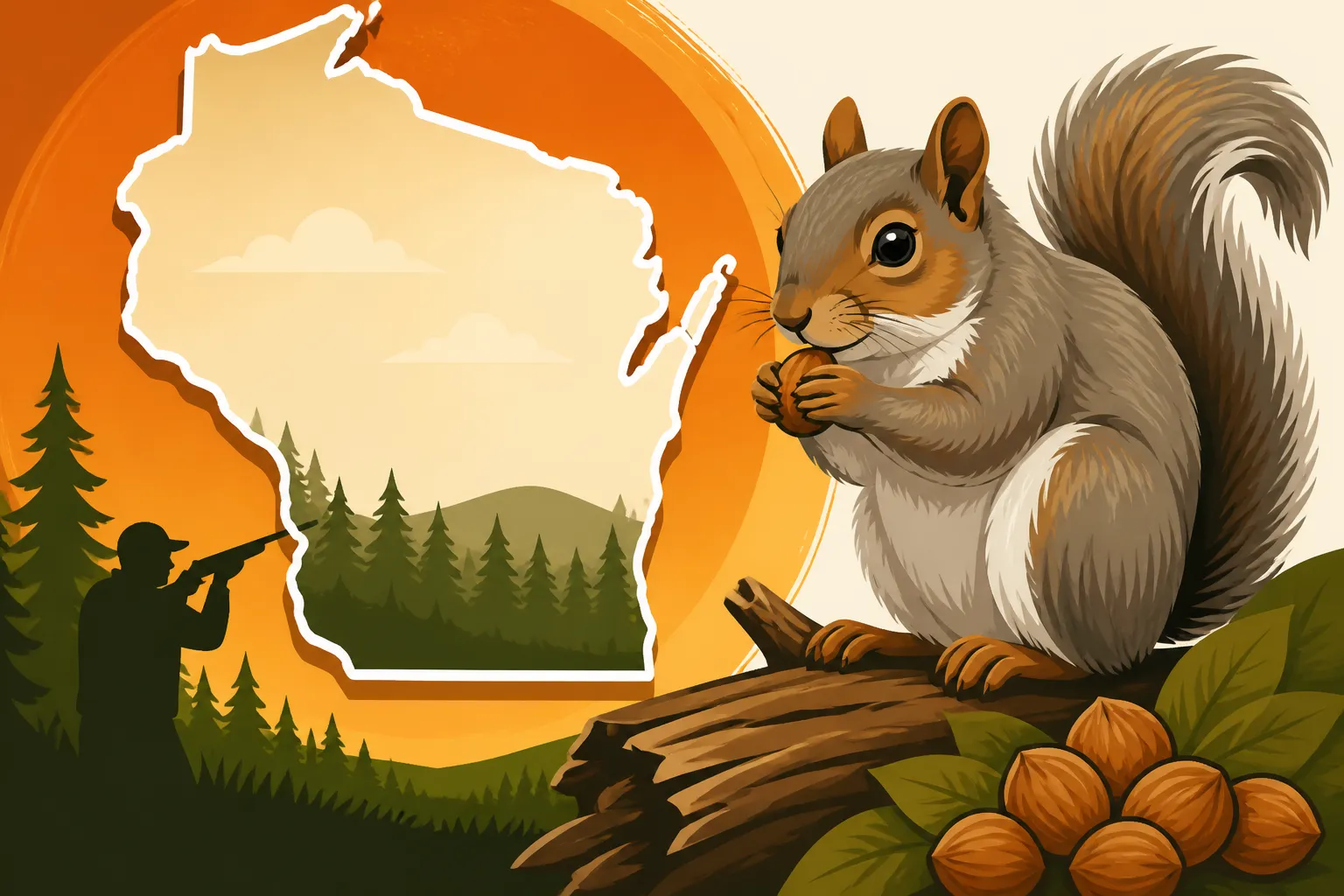
For many of us who grew up in Wisconsin, chasing squirrels with a .22 or a shotgun was our first real taste of hunting, a tradition passed down through generations. But when you start to think about the bigger picture, it's easy to wonder: what do these individual hunts add up to? Understanding Wisconsin's squirrel harvest numbers isn't just about statistics; it’s about grasping the health of our small game populations, recognizing good hunting years versus lean ones, and appreciating the accessible opportunities these bushy-tailed critters provide across our diverse landscapes. This guide will dive into what these numbers tell us, how they're collected, and what factors really drive the success of a squirrel season in our state.
Understanding Wisconsin's Squirrel Harvest Trends
It might seem like a simple thing, harvesting a few squirrels for the pot, but when you zoom out, the collective effort of thousands of hunters across Wisconsin creates a fascinating picture of wildlife health and ecosystem dynamics. The harvest numbers aren't just random figures; they reflect a blend of ecological realities and hunter participation. For anyone invested in the future of small game, or even just looking to improve their own success in the woods, paying attention to these broader trends is incredibly insightful.
The Annual Snapshot: What the Numbers Represent
Each year, the Wisconsin Department of Natural Resources (DNR) collects data from hunters, and these reports coalesce into annual harvest estimates for various game species, including squirrels. These numbers represent the total count of squirrels — primarily fox squirrels and gray squirrels — reported as harvested by hunters. This isn't just a tally; it’s a vital piece of the puzzle that helps wildlife managers assess population levels, reproductive success, and even the impacts of environmental changes.
Think of it like an annual health check-up for our squirrel populations. A high harvest number might suggest a robust population, benefiting from favorable conditions, while a dip could signal a tougher year, perhaps due to poor mast crops or severe winters. It’s never just one factor, but a combination, and these numbers give us a tangible way to monitor those interactions. For hunters, these aggregate figures can inform expectations, helping them understand if a particular season is likely to be abundant or if they might need to work a little harder to fill their bag.
Historical Perspective on Squirrel Harvests
Looking back at decades of data, Wisconsin's squirrel harvest numbers have seen their ups and downs, much like any other game species influenced by natural cycles. There have been periods of exceptional harvests, often following mild winters and abundant food sources, and years where numbers were more modest. These fluctuations are normal and expected in wildlife populations. They provide a historical baseline against which current trends can be measured, allowing both state biologists and curious hunters to gauge the relative health of the resource.
For instance, observing the Wisconsin Squirrel Harvest Numbers over the past few decades reveals patterns that often align with broader ecological events. A string of good mast years — when oak, hickory, and other nut-producing trees produce heavily — will often precede an increase in squirrel populations, and subsequently, higher harvest numbers. Conversely, a severe ice storm that strips branches of their buds, followed by a harsh winter, can lead to reduced food availability and higher mortality, which then shows up in the harvest data. It's a cyclical dance, and understanding the historical rhythm can help us predict what might come next.
Factors Influencing Annual Squirrel Harvest
When you head into the woods for a morning squirrel hunt, you're not just looking for a target; you're observing a complex ecosystem at play. The success you find, or the lack thereof, is often a direct result of several intertwined environmental factors that dictate how many squirrels are out there and how easy they are to find. It's much more than just hunter effort, though that certainly plays a role too!
Mast Crops and Food Availability
The single biggest driver of squirrel populations, and thus harvest numbers, is the availability of their primary food source: mast. When we talk about "mast," we're referring to the nuts, seeds, and fruits produced by trees and shrubs, especially acorns from oaks and nuts from hickory trees. A bumper mast crop one year directly translates to better overwinter survival for squirrels and increased reproductive success the following spring. More food means healthier squirrels, which means more successful litters and more young squirrels entering the population.
Imagine a fall after a fantastic acorn year. Squirrels can feast, burying stashes for winter, and enter the cold months in prime condition. They have the energy to withstand the elements and the reserves to fuel breeding. The next spring, there's a higher chance of larger, healthier litters. This abundance then filters down to hunters, who often report seeing more squirrels and achieving higher success rates. Conversely, a poor mast year can lead to reduced numbers, as squirrels struggle to find enough to eat, increasing mortality rates and decreasing breeding success. This ripple effect is a crucial aspect of Squirrel Hunting a Wisconsin Oak Ridge.
Weather Patterns and Climate
Wisconsin's famously variable weather can profoundly impact squirrel populations. Mild winters, with less prolonged deep snow and extreme cold, generally favor squirrel survival. Easier access to cached food and less energy expenditure for warmth means more squirrels make it to spring. On the flip side, exceptionally cold, snowy winters can lead to increased mortality, especially for younger squirrels or those in less-sheltered habitats.
Beyond winter, spring and summer weather also play a part. A cold, wet spring can reduce the survival rate of newborn squirrel litters, which are incredibly vulnerable. Droughts in summer can impact the development of mast crops, leading to a lean fall food supply. These large-scale weather patterns set the stage for the annual squirrel drama, influencing everything from when you might start Reading Cuttings Under an Oak to how many squirrels you spot scampering across the forest floor.
Habitat Health and Forest Management
Squirrels thrive in mature hardwood forests, particularly those with a diverse mix of oak, hickory, and other nut-producing trees. They need old-growth trees for dens and nesting cavities, and a healthy understory for foraging and escape cover. The amount and quality of this habitat directly correlate with squirrel density. As Wisconsin's forests mature or are managed for timber, these changes inevitably affect squirrel populations.
Forest management practices, such as selective logging or clear-cutting, can have mixed impacts. While mature stands are crucial, some disturbance can create new growth that eventually provides food sources and cover. However, widespread removal of older, cavity-producing trees can be detrimental. Wildlife agencies and private landowners often work to maintain and enhance these crucial habitats. When you're scouting potential hunting grounds using tools like GoHunt, look for those older, diverse hardwood stands; they're often the hotspots for both Gray Versus Fox Squirrels in Wisconsin.
Hunter Participation and Effort
While ecological factors largely determine the number of squirrels available, the actual harvest numbers are also a reflection of hunter participation and effort. If fewer people go squirrel hunting, or if those who do hunt less frequently, the harvest numbers will naturally be lower, even if the squirrel population is booming. Squirrel hunting is often a gateway for new hunters or a relaxed pursuit for seasoned veterans, and its popularity can fluctuate.
For example, if deer hunting pressure is high and opportunities are abundant, some hunters might prioritize that, leading to less time spent pursuing small game. Conversely, in years with challenging deer seasons, some might turn to squirrel hunting for a more consistent and accessible experience. Trends in hunter numbers for other small game species, as well as the overall popularity of hunting, can subtly influence the reported squirrel harvest.
Interpreting Harvest Data for Better Hunting
So, we've talked about how these numbers come to be and what drives them. But for you, the hunter, how can actually using this information translate into better success in the woods? It's not about turning into a statistician, but about learning to read the signs and apply general knowledge to your specific hunting efforts.
Predicting Good Years and Bad Years
While you can't get a crystal ball, understanding the factors behind harvest numbers allows for some educated guesses about the upcoming season. If you pay attention to the previous fall's mast crop – did you see a carpet of acorns in the woods? – you can anticipate whether the squirrel population has had a good foundation for the year. Similarly, remembering if the past winter was exceptionally harsh or unusually mild can offer clues.
For example, a hunter might notice that after a bountiful hickory nut crop the previous autumn, the following summer feels like a busy nursery rhyme, with squirrels everywhere. That's a strong indicator that the harvest numbers for the current year are likely to be on the higher side. This doesn't guarantee success, but it tells you to expect more action. This predictive ability can help you plan your Wisconsin Small Game and Furbearer Seasons hunting efforts, perhaps prioritizing squirrel outings when conditions seem most favorable.
| Factor | Impact on Squirrel Population | Expected Harvest Trend | Hunter Strategy |
|---|---|---|---|
| Heavy Mast Crop | High survival, increased breeding | Higher | Focus on food sources, expect more active squirrels. |
| Poor Mast Crop | Lower survival, reduced breeding | Lower | Hunt longer, scout more actively for concentrated food. |
| Mild Winter | High overwinter survival | Higher | Expect healthier, more numerous squirrels. |
| Severe Winter | Increased mortality | Lower | Target prime habitat, consider later season challenges. |
| Extensive Hardwood Habitat | Consistent population density | Consistent/Higher | Prioritize diverse oak/hickory forests. |
| Habitat Loss/Fragmentation | Reduced population density | Lower | Seek out protected public or private land. |
Finding Productive Hunting Areas
Harvest data, even if not hyper-local, can point to broader trends in certain regions. If a particular county or region consistently shows higher squirrel harvests, it suggests good habitat and healthy populations there. While these might also be popular spots, they are productive for a reason. Combining this general knowledge with detailed scouting, perhaps using mapping tools from GoHunt, can help you pinpoint areas within those productive regions.
Look for areas on maps that show extensive, unbroken hardwood forests, particularly those with a strong presence of oak and hickory. These are the natural strongholds for squirrels. Public lands within these regions, such as state forests or wildlife areas, are often managed with small game in mind. Consider linking this with insights from articles like Scouting Wisconsin Public Land Before Season to maximize your chances.
Adapting Hunting Tactics
Understanding the environmental factors influencing squirrel numbers can also help you adapt your hunting tactics. In years following a poor mast crop, for instance, squirrels might be more concentrated around the few remaining food sources. This could mean focusing your efforts more intently on isolated patches of nut trees, rather than spreading your efforts too thin across vast areas.
Similarly, if you know it's been a tough winter, and harvest numbers reflect a lower population, you might need to hunt more slowly and methodically. Still-hunting, where you move quietly and deliberately through the woods, stopping frequently to listen and observe, might be more effective than simply walking through the timber. Sometimes, the difference between success and failure is simply adjusting your approach to what the environment is telling you. This level of adaptability is key to consistent success, whether you're after squirrels or whitetails in the Wisconsin Gun Deer Season Structure.
How Hunters Contribute to Wildlife Management Through Harvest Reporting
It might seem like a bureaucratic step, but reporting your harvest, even for small game like squirrels, is a critical component of Wisconsin's wildlife management strategy. Every single piece of information provided by hunters adds to a larger dataset that allows state agencies to make informed decisions, ensuring healthy game populations for future generations. Your participation truly matters.
The Importance of Accurate Reporting
When you register a deer or report small game, you're not just fulfilling a requirement; you're directly contributing to the pool of data that wildlife biologists use to estimate populations and set future seasons. For squirrels, this data helps track population trends, understand local fluctuations, and identify potential issues before they become major problems. Without accurate hunter reports, the DNR would have a much harder time getting a clear picture of what's happening on the ground.
This reporting helps answer questions like: Are squirrel populations stable, increasing, or decreasing? Are there regional differences in harvest success? How do harvest numbers correlate with mast production or severe weather events? Every hunter who participates in the reporting system provides a valuable data point, adding to the collective intelligence about our wildlife resources. It's a fundamental aspect of conservation that sometimes gets overlooked in the excitement of the hunt.
The Role of Hunter Survey Data
Beyond mandatory harvest reporting for big game, the DNR also conducts various hunter surveys for small game like squirrels. These surveys might ask about your hunting effort, where you hunted, how many animals you saw, and your overall success. While not every hunter will receive a survey, those who do have a unique opportunity to provide qualitative and quantitative data that complements the direct harvest numbers.
These surveys help flesh out the story behind the numbers. For instance, if harvest numbers are down, a survey might reveal that fewer hunters pursued squirrels that year, rather than a significant drop in the squirrel population itself. Or, it might highlight areas where squirrels are particularly abundant, or where habitat improvements are paying off. It's a partnership between hunters and managers, ensuring that decisions are based on the best available information, which ultimately benefits us all by maintaining abundant hunting opportunities. Remember, obtaining your Wisconsin Resident Licence Options or nonresident equivalent is the first step in this partnership.
Protecting Future Hunting Opportunities
Ultimately, understanding and contributing to squirrel harvest data is about ensuring that this accessible and enjoyable hunting tradition continues. If wildlife managers have accurate information, they can set appropriate season lengths, bag limits, and management strategies that ensure squirrel populations remain healthy and robust. This proactive approach prevents overharvesting in lean years and allows for liberal seasons when populations are thriving.
It's a testament to sound wildlife management that Wisconsin has Wisconsin's Long Squirrel Season Explained, offering ample opportunity for hunters of all ages and skill levels. By participating in the reporting process, you're doing your part to keep this tradition alive and ensure that future generations will also have the chance to experience the simple pleasure of chasing bushy-tails in the autumn woods. It's a small but significant way to give back to the resource that provides so much enjoyment.
Disclaimer
This article is for general informational purposes only and does not constitute professional advice. Laws, prices and regulations vary by location and change over time. Consult a qualified professional for guidance on your specific situation.