Nest Predation and Turkey Hatches
It's a frustrating reality for many of us who love chasing Wisconsin's wild turkeys: some years, it just feels like the woods are silent, and the birds are few and far between. We pour our hearts into scouting, learning gobbler habits, and perfecting our calls, only to be met with low poult numbers, which often trace back to unsuccessful nests. This guide is here to shed light on one of the biggest challenges affecting our turkey populations – nest predation – and explore the complex interplay of factors that influence how many little poults actually make it to see their first fall.
Understanding the Turkey Hatch Cycle in Wisconsin
The annual cycle of wild turkeys in Wisconsin is a delicate dance with nature, starting anew each spring with the promise of a new generation. While we often focus on the booming gobblers, the true future of the flock lies with the hens and their ability to successfully hatch and raise their young. It's a journey fraught with peril, and understanding each stage helps us appreciate just how challenging it is for these birds.
The Spring Ritual of Nesting and Laying
As Wisconsin shakes off winter's chill and spring blossoms across the landscape, wild turkey hens begin their most important work: finding a suitable spot to lay their eggs. This isn't a random decision; hens are incredibly particular, seeking out secluded locations that offer natural concealment from prying eyes and hungry mouths. Think dense brush, thick stands of young hardwoods, tall grasses at a field edge, or even the base of a fallen tree in a secluded woodlot. These hidden nooks provide a sense of security, which is paramount when a hen is vulnerable and tied to a fixed location for weeks on end. They'll scratch out a shallow depression, often lining it with leaves and bits of vegetation, creating a subtle, camouflaged nest.
Once the nest is prepared, the hen will typically lay one egg per day, usually in the late morning or early afternoon, until her clutch is complete. A typical clutch size can range anywhere from 8 to 15 eggs, though numbers can vary based on the hen's age, health, and previous nesting success. During this laying period, she'll often leave the nest to feed and drink, returning to deposit the next egg. This temporary absence is a high-risk time for the nest, as it's left unattended and exposed to potential threats. The entire laying process can take up to two weeks, a significant period of vulnerability before incubation even begins.
Incubation Period and Vulnerability
After all the eggs are laid, the hen settles in for the long haul: incubation. For approximately 28 days, she will sit almost continuously on her clutch, maintaining the optimal temperature and humidity for the embryos to develop. During this phase, she is incredibly dedicated, often leaving the nest only for very short periods to feed, drink, and dust herself. Her camouflage is her primary defense, blending seamlessly into her surroundings, often relying on her stillness to avoid detection. However, this dedication also makes her incredibly vulnerable. She's a fixed target, and any disturbance or discovery of her nest can lead to its demise. If she's forced off the nest repeatedly, the eggs can cool, and development can cease.
This incubation period is perhaps the most critical window for nest survival. A hen might endure rain, cold snaps, and even close calls with predators, all while steadfastly performing her duty. The success of this period directly dictates how many poults will eventually hatch. Any disruption, whether from a curious raccoon, a persistent coyote, or even human activity, can spell disaster for the entire clutch. A failed nest at this stage means a significant loss for the local turkey population, especially if the hen is too exhausted or too late in the season to attempt a second nest.
The Critical First Weeks for Poults
When the incubation period culminates, the poults hatch, emerging as tiny, vulnerable fuzzballs. Unlike many songbirds, wild turkey poults are precocial, meaning they are relatively mature and mobile shortly after hatching. Within 24 hours of hatching, the hen will lead her brood away from the nest site. This immediate departure is a survival mechanism, as the now-empty nest is a beacon for predators. The first few weeks of a poult's life are incredibly tenuous, often referred to as the "pivotal" period for recruitment into the population.
During these initial weeks, poults are highly susceptible to exposure, disease, and, perhaps most significantly, predation. They lack the full flight capabilities of adult birds, relying on their small size, quick movements, and the hen's protective instincts for survival. The hen will guide them through dense cover, teaching them to forage for insects, seeds, and berries, which provide the essential protein and energy needed for rapid growth. She’s a vigilant protector, constantly on the lookout for danger, and will courageously defend her brood from smaller threats. However, even the most diligent hen can't protect against every predator lurking in the undergrowth. A cold, wet spring can also decimate a brood, as young poults are susceptible to hypothermia before their feathers fully develop.
The Impact of Nest Predation on Turkey Populations
Nest predation is an undeniable force shaping wild turkey populations across Wisconsin, often playing a more significant role in annual recruitment than hunter harvest. It’s a constant battle, a high-stakes game of hide-and-seek between nesting hens and a diverse array of opportunistic predators. For those of us observing Wisconsin Turkey Population Trends, the impact of predation can feel like an invisible hand, limiting the success we see in our hunting seasons.
Common Nest Predators in Wisconsin
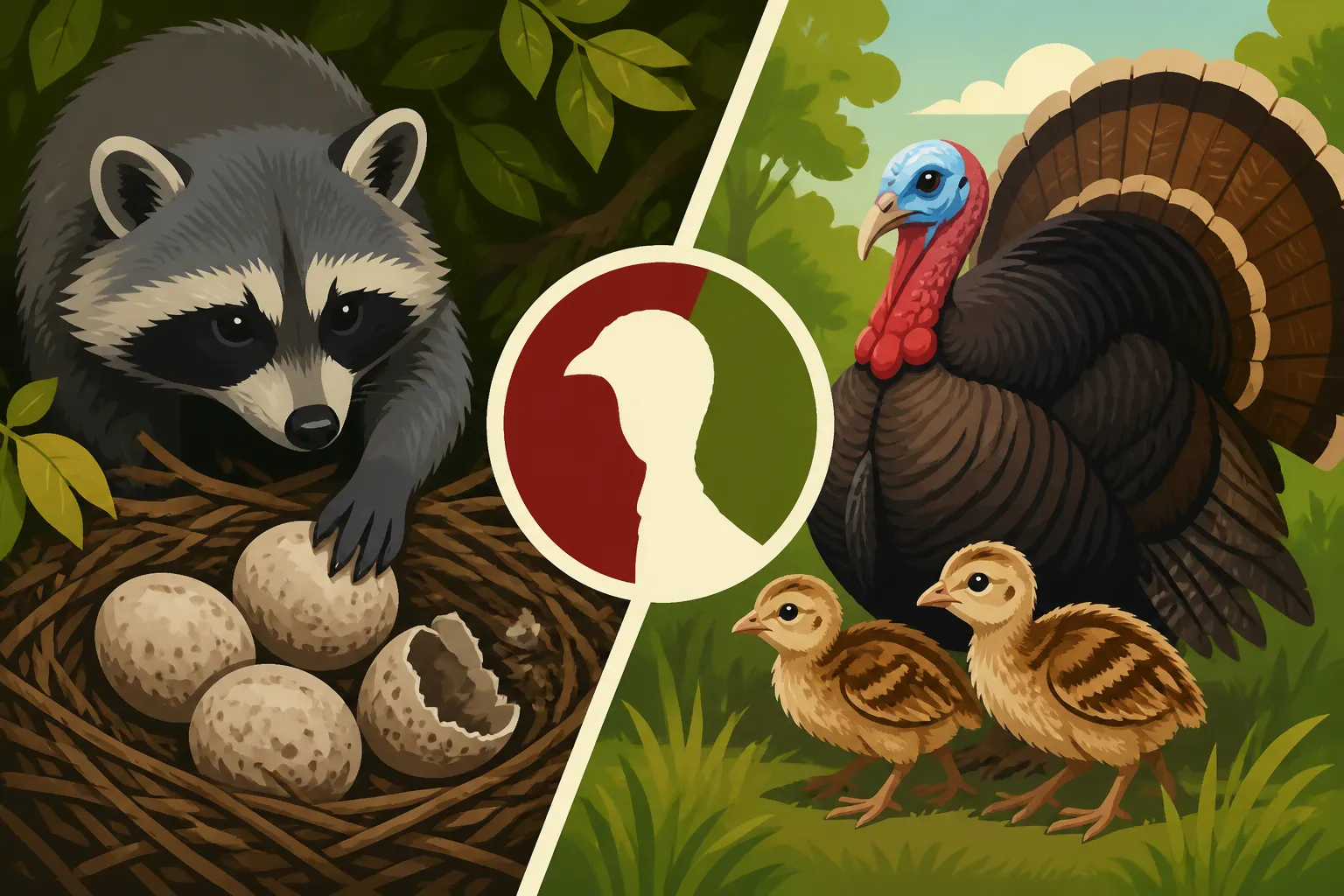
Wisconsin's diverse landscape supports a robust community of wildlife, and unfortunately for nesting turkeys, many of these animals view turkey eggs and young poults as a valuable food source. The most common nest predators in our state include raccoons, opossums, skunks, foxes (both red and gray), coyotes, and various snake species. These aren't just occasional threats; they are persistent hunters with keen senses and an opportunistic nature. Raccoons, with their dexterous paws and inquisitive nature, are notorious egg-eaters. Opossums and skunks, while perhaps slower, are equally effective at rooting out a nest once they catch a scent. Foxes and coyotes, particularly, pose a double threat, as they will consume eggs but also readily prey on hens on the nest or young poults. Even avian predators like crows and raptors can contribute to nest and poult mortality, though typically to a lesser degree than ground-based mammals.
The presence and density of these predators can vary significantly depending on the specific habitat. For example, areas with a mix of agricultural fields, woodlots, and wetlands often have higher populations of generalist predators like raccoons and foxes, which thrive in these edge environments. In contrast, deep forests might see more pressure from coyotes and bobcats. Understanding which predators are most prevalent in a given area can sometimes inform targeted management strategies, though it’s a complex ecological balance.
Signs of Predation and its Frequency
Identifying nest predation isn't always straightforward, but there are tell-tale signs for those who know what to look for. A turkey nest that has been raided will often show distinct patterns of disturbance. Raccoons tend to leave a messy scene, often crushing eggs or leaving shell fragments scattered around the nest bowl, sometimes carrying eggs away entirely. Opossums and skunks might also leave shells, but their methods can be less destructive to the nest structure itself. Foxes and coyotes might leave more signs of a struggle if they've attacked a brooding hen, or simply a disappearance of eggs with some tracks nearby. Snake predation is harder to spot, as snakes typically swallow eggs whole and leave little trace. Sometimes, the only sign is the abrupt abandonment of a nest where eggs have simply vanished.
The frequency of nest predation is alarmingly high in many areas. Studies in various parts of the turkey's range consistently show that over half, and sometimes up to 80-90%, of all wild turkey nests fail due to predation. This isn't just a Wisconsin phenomenon; it’s a widespread challenge. When you consider that a hen might only have one or two successful nests in her lifetime, the sheer volume of predation underscores its significant impact on annual recruitment. This high rate of nest loss is a primary reason why Poult-to-Hen Ratios and What They Mean are so closely monitored by wildlife biologists and hunters alike. Low ratios often point directly back to poor nest success due to predation or other environmental factors.
How Predator Numbers Affect Turkey Abundance
It stands to reason that an increase in predator populations can lead to a decrease in prey populations, and for wild turkeys, this correlation is often observed. While the relationship isn't always a simple cause-and-effect, a high density of opportunistic nest predators can significantly suppress turkey reproduction. When predator populations are high, more nests are discovered and destroyed, leading to fewer poults surviving to adulthood. This can create a downward spiral, especially if other factors, like poor habitat or harsh weather, are also unfavorable.
However, it's important to remember that predator management is a nuanced topic. Removing all predators is neither feasible nor desirable, as they play vital roles in the ecosystem. Instead, the focus is often on understanding the balance. In areas with declining turkey numbers, intense predator management, often combined with habitat improvements, can sometimes yield positive results for turkey recruitment. This might involve increased trapping efforts for species like raccoons and opossums, or even strategic efforts to manage coyote populations, as discussed in topics like Coyote Calling in Wisconsin Winter. Tools like those found on platforms like GoHunt can help hunters understand typical habitat for both turkeys and predators, offering insights into potential pressure points. The goal isn't eradication, but rather creating an environment where hens have a better chance of bringing off a brood.
Factors Influencing Nest Success Beyond Predators
While nest predation justly receives a lot of attention, it’s crucial to understand that a complex web of environmental and biological factors all play a role in whether a turkey hen successfully hatches a clutch of eggs. Think of it like a delicate ecosystem where every element needs to align for optimal success. It's rarely just one thing; rather, it's a combination of pressures that determines the fate of a turkey nest.
Weather's Role in Hatch Success
Wisconsin's famously fickle spring weather can be a major player in turkey nest success, sometimes as impactful as predator pressure. A cold, wet spring, especially during the incubation period or immediately after hatching, can be devastating. Heavy, prolonged rains can flood nests located in depressions, drowning clutches of eggs. Chilly temperatures can cause incubating hens to burn more energy, leading to abandonment, or worse, can lead to the death of newly hatched poults. Poults are particularly vulnerable to hypothermia in their first few weeks of life before their feathers are fully developed and they can regulate their own body temperature effectively. A cold, damp brood that gets separated from the hen for even a short time can quickly succumb to the elements.
Conversely, an unusually hot and dry spring can also present challenges. While less common in Wisconsin during the core nesting period, extreme heat can impact egg viability and stress hens. Ultimately, moderate, stable weather conditions—not too hot, not too cold, with gentle rains rather than downpours—provide the best chances for successful incubation and poult survival. This is why we sometimes see years with fantastic hatches followed by years where the poult crop seems to vanish, even if predator numbers haven't dramatically changed.
Habitat Quality and Nest Concealment
High-quality nesting habitat is arguably the most critical factor a hen can control in her quest for a successful hatch. It's her first line of defense against predators. Ideal nesting cover provides dense, overhead concealment that makes it difficult for aerial predators like crows or raptors to spot the nest, and thick lateral cover that obscures it from ground-based predators. This often means a mosaic of diverse vegetation: tall grasses, thickets of briars, dense regenerating timber, or even undisturbed patches of brushy edges. When hens have ample choices for secure nesting sites, they can spread out, making it harder for predators to systematically find nests.
Areas with poor nesting cover—think open, manicured lawns right up to the woods edge, or heavily grazed pastures—force hens to nest in suboptimal, exposed locations, significantly increasing their risk of predation. Hunters and landowners can actively influence this by improving habitat, a practice that benefits many other species too, as explored in articles like Habitat Work on Wisconsin Wildlife Areas. Creating and maintaining diverse cover is a long-term investment that yields dividends for turkey populations. Resources available through GoHunt often highlight satellite imagery and land analysis tools that can help identify areas with prime nesting cover or pinpoint where improvements could be made.
Hen Health and Renesting Efforts
The overall health and condition of the breeding hen also play a significant, though often overlooked, role in nest success. A healthy hen, one that has good fat reserves from a successful foraging season and isn't stressed by disease or malnutrition, is more likely to lay a full clutch of viable eggs. She'll also have the stamina to endure the 28-day incubation period, remaining steadfast on her nest even through minor disturbances. A hen in poor condition might lay fewer eggs, produce weaker poults, or abandon her nest more readily if stressed.
Furthermore, a hen's ability to "renest"—to lay a second clutch of eggs if her first nest fails—is a critical component of population resilience. If a hen loses her first nest early in the season, and she's in good health, she has a reasonable chance of attempting a second nest. While these renests typically have fewer eggs and often occur in less ideal locations, they can still contribute significantly to the annual poult crop. However, if she's already exhausted or if the season is too far advanced (typically late June or July), her chances of successfully bringing off a second brood diminish dramatically. Factors like consistent food sources, minimal disturbance, and healthy habitat all contribute to a hen's ability to maintain her condition and make these crucial renesting efforts.
What Hunters and Landowners Can Do
Understanding the challenges that wild turkeys face, especially concerning nest predation and hatch success, can feel overwhelming. However, both hunters and landowners are uniquely positioned to make a positive impact on local turkey populations in Wisconsin. We all share a common goal: healthy, thriving wildlife. By focusing on practical, science-backed strategies, we can help tilt the odds in favor of our feathered friends.
Habitat Improvement Strategies
Creating and maintaining high-quality habitat is hands down the most impactful thing anyone can do for wild turkeys. This isn't just about planting food plots (though those can help with overall hen health); it's about providing the specific types of cover turkeys need at different stages of their life cycle. For nesting, focus on areas that offer dense, undisturbed concealment.
Consider these habitat improvement tactics:
- Native Grasses and Wildflower Plantings: Establish or maintain fields of native warm-season grasses (like switchgrass, big bluestem, and indiangrass) or diverse wildflower mixes. These provide excellent vertical and horizontal cover for nesting and poult rearing, offering better concealment than short, mowed fescue fields. These areas should be allowed to grow tall and dense.
- Brushy Thickets and Edge Feathering: Create or enhance thick, brushy areas by planting shrubs, creating brush piles, or simply allowing certain edges of woodlots and fields to grow wild. These thickets provide critical escape cover for poults and secure nesting locations. "Edge feathering" involves gradually transitioning from open field to mature timber, creating a layered effect that offers diverse cover.
- Timber Stand Improvement: In wooded areas, selective thinning or controlled burns (where appropriate and permitted) can promote the growth of ground-level vegetation and provide early successional habitat that turkeys use for nesting and foraging. This also helps with insect production, a vital food source for young poults.
- Minimizing Disturbance: During the spring nesting and early poult-rearing periods (typically April through June), minimize human disturbance in known or potential nesting areas. This includes avoiding unnecessary mowing, heavy equipment use, or excessive recreational traffic that could inadvertently flush a hen from her nest or separate a brood.
- Water Sources: Ensure access to reliable water sources, especially during dry periods, as hens and poults need to stay hydrated.
These efforts can create a safer haven for hens to nest, reducing the likelihood of a predator stumbling upon a nest. Platforms like GoHunt can be invaluable for mapping out your property or public land, identifying potential areas for habitat work, and even researching soil types to choose appropriate native plantings.
Responsible Predator Management Considerations
Addressing nest predation is a delicate balance. As mentioned earlier, eradicating all predators is neither possible nor ecologically sound. However, targeted, responsible predator management can be a tool to help increase turkey nest success in specific areas, especially when combined with robust habitat improvements.
Consider these aspects:
- Integrated Approach: Predator management should always be part of a broader, integrated wildlife management plan that prioritizes habitat. Without good habitat, even reduced predator numbers might not significantly boost turkey populations.
- Targeting Generalist Predators: Efforts are often focused on generalist predators that frequently raid nests, such as raccoons, opossums, and skunks. Increased trapping efforts during late winter or early spring, before hens begin nesting, can sometimes alleviate pressure. Engaging with a local trapper or participating in authorized trapping seasons, as outlined in Predator and Furbearer Hunting in Wisconsin or Wisconsin Small Game and Furbearer Seasons, can be part of this strategy.
- Understanding Local Dynamics: Predator populations fluctuate, and their impact can vary. In some areas, coyote numbers might be high, while in others, raccoons are the primary threat. Understanding your local predator landscape can help tailor efforts. Hunters pursuing coyotes, for example, can contribute to managing their numbers, particularly in agricultural areas.
- Legal and Ethical Considerations: Any predator management activity must adhere strictly to Wisconsin's hunting and trapping regulations. Responsible methods that prioritize animal welfare are paramount. For new hunters or trappers, courses like those covered in Wisconsin Hunter Safety and Mentored Hunting are essential.
It's important to approach predator management with a long-term perspective and an understanding that it's just one piece of the puzzle. It should complement, not replace, habitat work.
Monitoring and Reporting
Staying informed about local turkey populations and contributing to statewide data can help wildlife managers make better decisions. As hunters and enthusiasts, we are often the first to notice changes on the ground.
Ways to monitor and report:
- Summer Brood Surveys: Participate in summer brood surveys if offered by the Wisconsin DNR. This often involves recording sightings of hens and poults throughout the summer months, providing critical data on annual recruitment. Knowing your Poult-to-Hen Ratios and What They Mean is vital.
- Gobbler Observations: Pay attention to the number of gobblers you hear and see during the spring season. While not directly linked to nest success, it's an indicator of the overall health and age structure of the local population.
- Report Sick or Injured Wildlife: If you encounter sick or injured turkeys or other wildlife, report it to the Wisconsin DNR. This helps them monitor for disease outbreaks that could impact turkey populations or their predators.
- Utilize Mapping Tools: Tools like those found on GoHunt can help you keep records of turkey sightings, nest locations (if discovered incidentally and not disturbed), and habitat changes over time. This personal data, combined with wider observations, can paint a clearer picture of trends in your hunting area.
- Engage with Local Wildlife Biologists: Attend local conservation meetings or reach out to your regional DNR wildlife biologist. They are a wealth of knowledge and can offer specific advice for your area.
By actively engaging in habitat improvement, considering responsible predator management, and contributing to monitoring efforts, we can all play a part in ensuring robust and thriving wild turkey populations for future generations to enjoy in Wisconsin.
Disclaimer
This article is for general informational purposes only and does not constitute professional advice. Laws, prices and regulations vary by location and change over time. Consult a qualified professional for guidance on your specific situation.