Where the Wisconsin Elk Came From
For many of us who cherish Wisconsin's wild places, the sight of an elk is a truly awe-inspiring experience, one that many thought was lost to history. The thought of these magnificent creatures roaming our forests again fills a deep longing, but it also prompts the question: how did they return after being absent for so long? This guide will dive deep into the fascinating journey of elk reintroduction in Wisconsin, tracing their historical presence, the challenges they faced, and the dedicated efforts that brought them back home.
The Echoes of the Past: Wisconsin's Original Elk
Before European settlement transformed the landscape, elk, specifically the Eastern elk subspecies, were a prominent fixture across much of what is now Wisconsin. Imagine vast tracts of savanna, open woodlands, and forest edges, where these majestic animals once roamed freely, grazing and browsing, their bugles echoing through the fall air. They were an integral part of the ecosystem, influencing vegetation patterns and serving as a critical food source for both indigenous peoples and a diverse array of predators. Their presence contributed to the rich biodiversity of the pre-settlement wilderness.
Disappearance from the Landscape
Sadly, this majestic presence didn't last. As European settlers pushed westward, bringing with them intensive agriculture, logging, and an expanding human population, the elk's habitat began to shrink dramatically. Forests were cleared for farms, and the vast, interconnected landscapes they needed to thrive were fragmented. On top of habitat loss, unregulated market hunting and subsistence hunting by settlers, often with no bag limits or seasons, put immense pressure on their populations. Elk were a valuable resource for meat and hides, and their numbers dwindled rapidly. By the late 1800s, the last native wild elk in Wisconsin was believed to have been extirpated, vanishing from the state's forests and leaving only historical records and the occasional archaeological find as proof of their once-thriving existence. It was a profound loss, leaving a void in Wisconsin's natural heritage for over a century.
The Dream of Return: Seeds of Reintroduction
The idea of bringing elk back to Wisconsin wasn't a fleeting thought but a long-held dream for many conservationists and wildlife enthusiasts. For decades, the absence of elk was keenly felt, a reminder of what had been lost. Serious discussions about reintroduction began to gain traction in the late 20th century, fueled by successful efforts in other states and a growing understanding of ecological restoration. There was a strong desire to restore a missing piece of Wisconsin's wildlife puzzle, to right a historical wrong, and to bring back the ecological and aesthetic benefits these animals provide.
Initial Planning and Feasibility Studies
Before any elk could set hoof on Wisconsin soil, years of meticulous planning, scientific study, and public engagement were required. This wasn't a simple matter of releasing a few animals; it involved understanding complex ecological factors, potential challenges, and public perception. Wildlife biologists conducted extensive feasibility studies, examining historical elk range, potential habitat suitability in modern landscapes, and public land availability. They considered factors like food sources, water access, and crucial wintering areas.
One of the most significant considerations was the potential for conflict with agriculture and vehicle collisions, especially given Wisconsin's developed landscape compared to states with more expansive wilderness. They also had to assess the availability of suitable source herds from other states, ensuring genetic diversity and health. Early discussions also focused on disease risks, particularly Chronic Wasting Disease (CWD), which was already a concern in the deer population and needed to be carefully managed for elk. Securing public support and funding was also paramount, involving outreach to local communities, landowners, and various conservation groups. These groundwork efforts were absolutely essential to lay a solid foundation for a successful reintroduction program.
Bringing Them Home: The First Elk Herds
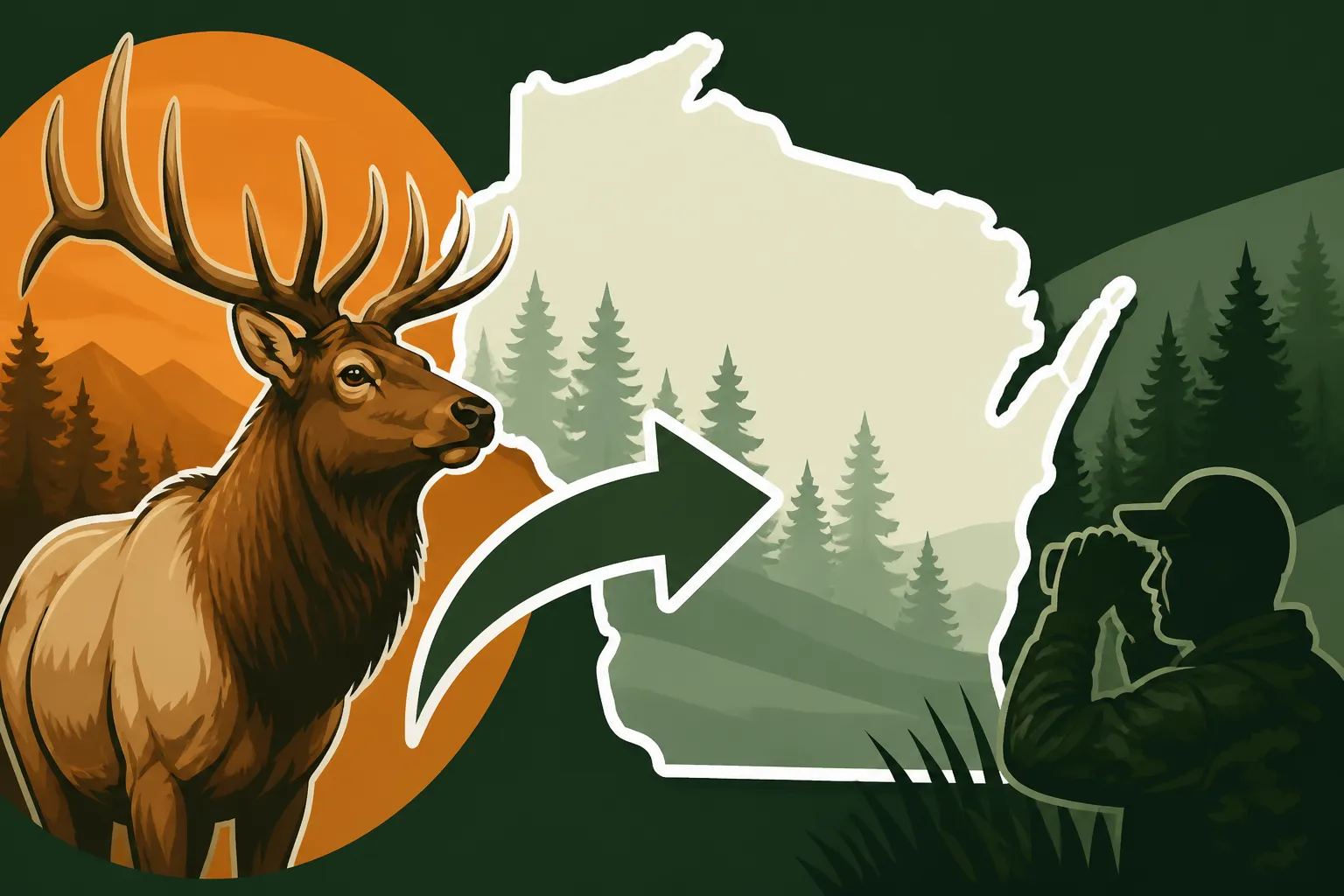
The culmination of years of dreaming and planning finally arrived in 1995 when the first modern wild elk were reintroduced to Wisconsin. This marked a monumental step in the state's conservation history, a tangible effort to restore a piece of its natural heritage. The choice of release site and the source of the elk were critical decisions made after extensive research.
The Clam Lake Herd: A New Beginning
The inaugural reintroduction effort focused on a remote, rugged expanse of forest in northern Wisconsin, near Clam Lake in Ashland and Sawyer counties. This area, within the Chequamegon-Nicolet National Forest, offered vast stretches of public land, a mix of hardwood and conifer forests, and relative isolation, providing the ideal conditions for a pioneering elk herd to establish itself without immediate significant human conflict.
The first 25 elk for this initial release came from Michigan's successful elk herd, carefully selected for health and genetic diversity. These animals were trapped, thoroughly health-screened, and then transported to Wisconsin. Their release in 1995 was a momentous occasion, a symbol of hope and perseverance. These first elk had to adapt to their new surroundings, learn the landscape, and establish social structures. Their early days were closely monitored, with biologists tracking their movements, assessing their health, and observing their behavior as they explored their new home. This initial herd, though small, was the seed from which Wisconsin's wild elk population would begin to grow, slowly but surely reclaiming their ancestral lands. For hunters looking to understand the core range of these animals, especially when scouting, tools like GoHunt can provide valuable insights into public land boundaries and habitat types common in this northern region.
The Black River Falls Herd: Expanding the Vision
Over a decade after the success of the Clam Lake introduction, the desire to establish another elk herd in a different part of the state gained momentum. The goal was to diversify the elk population, reduce the risk of a single disease or environmental factor impacting the entire species, and provide more widespread opportunities for public viewing and, eventually, hunting. This led to the establishment of the Black River Falls herd.
In 2015, another group of elk, again sourced from Kentucky, was released in the Black River State Forest and surrounding public lands in Jackson County, located in west-central Wisconsin. This region, characterized by its mix of pine barrens, oak forests, and wetlands, offered a different type of habitat compared to the northern herd. The Kentucky elk, known for their robust health and adaptability, were another excellent choice for expanding Wisconsin's elk population. This second reintroduction was not just about increasing numbers; it was about strategically placing elk in a new ecosystem to create a more resilient and geographically diverse population. The experience gained from the Clam Lake project proved invaluable for managing this new release, ensuring careful health monitoring, tracking, and habitat assessment. The continued growth of The Clam Lake and Black River Elk Herds represents a monumental achievement in modern conservation.
Here's a quick look at the origins of these two foundational herds:
| Herd Location | Reintroduction Year | Source State | Key Habitat Type | Initial Numbers |
|---|---|---|---|---|
| Clam Lake (Northern) | 1995 | Michigan | Mixed Hardwood/Conifer Forest, Chequamegon-Nicolet | 25 |
| Black River (Central) | 2015 | Kentucky | Pine Barrens, Oak Forest, Black River State Forest | 73 |
The Journey Continues: Growth, Challenges, and the Future
Since those initial releases, Wisconsin's elk population has steadily grown, a testament to the dedication of wildlife managers and the adaptability of the elk themselves. The sight of a majestic bull elk bugling in the Wisconsin woods is no longer a distant memory but a vibrant reality, drawing wildlife watchers and inspiring conservation efforts. The success of these herds has been carefully monitored, with annual surveys tracking population numbers, herd health, and range expansion. The expansion of Wisconsin's Northern and Central Elk Herds is one of the state's great wildlife triumphs.
Population Growth and Herd Management
Both the Clam Lake and Black River Falls herds have shown encouraging growth, expanding their numbers and gradually extending their range beyond the immediate release sites. This growth hasn't been without its challenges, but robust management strategies have been in place to ensure their long-term viability. Wildlife agencies, in collaboration with tribal nations, continuously monitor habitat conditions, assess reproductive success, and address any potential issues. This careful stewardship is crucial for maintaining healthy, thriving herds. Understanding the dynamics of Wisconsin's Black Bear Population can offer insights into how large game animals are managed in similar northern forest environments, facing comparable habitat challenges.
For many years, the primary focus was on allowing the herds to grow undisturbed. However, as populations reached sustainable levels, the topic of regulated hunting naturally arose. This wasn't about reducing numbers indiscriminately, but about managing the population in a way that balances ecological health, public interest, and opportunities for hunters, similar to how Wisconsin Deer Seasons and Zones are structured.
Navigating Challenges: Disease and Habitat
Despite the success, challenges persist. Disease management is a continuous concern, especially with the ongoing presence of Chronic Wasting Disease (CWD) in parts of Wisconsin's deer population. While no CWD has been detected in wild elk herds in Wisconsin, rigorous monitoring and testing protocols are in place to safeguard the health of the elk. Understanding Wisconsin Wildlife Disease Monitoring is key to appreciating the efforts made to protect these valuable herds. Habitat fragmentation and highway mortality also remain ongoing considerations as the herds expand into areas with more human development.
Future management will continue to prioritize herd health, habitat connectivity, and public education. The goal is to ensure that elk remain a permanent and flourishing part of Wisconsin's natural landscape for generations to come. When planning a trip to observe or hunt, a resource like GoHunt can be particularly useful for identifying specific public land areas and potential elk zones, helping you navigate the sometimes complex boundaries, especially within Wisconsin Elk Hunt Zone Boundaries. This allows for better planning and understanding of where these incredible animals might be found.
The Future of Elk in Wisconsin: Hunting and Beyond
The return of elk has opened up new opportunities and responsibilities for Wisconsin residents and visitors. Elk viewing has become a popular activity, drawing tourists to the northern and central parts of the state. These majestic animals offer an incredible chance to connect with nature and witness a truly wild spectacle, particularly during the fall bugling season, which you can learn more about by exploring Elk Viewing in Wisconsin.
Additionally, with healthy and growing populations, limited, highly regulated hunting opportunities have been introduced. The chance to pursue an elk in Wisconsin is an incredibly rare and sought-after experience, managed through a lottery system that allocates a very small number of tags each year. This controlled hunt is not only a management tool but also generates vital funds for ongoing elk research and conservation efforts. Hunters interested in these rare opportunities should certainly familiarize themselves with Wisconsin Elk Application Rules to understand the process. Whether you're an avid hunter or simply a wildlife enthusiast, the story of Wisconsin's elk is a powerful reminder of what dedicated conservation efforts can achieve, bringing a once-lost icon back to its rightful place in the wild.
Disclaimer
This article is for general informational purposes only and does not constitute professional advice. Laws, prices and regulations vary by location and change over time. Consult a qualified professional for guidance on your specific situation.