The Northern Wisconsin Elk Herd Size
For many Wisconsin residents, the idea of majestic elk roaming our northern forests still feels like a wild echo from a century past, almost too good to be true. It can be a real challenge to get a clear, accurate picture of just how far these incredible animals have come since their reintroduction, or even to understand the current size and health of the northern elk herd. This guide aims to provide a comprehensive look at the remarkable recovery and growth of Wisconsin's northern elk population, detailing its current status, the journey of its return, and the dedicated efforts ensuring its long-term future in the Northwoods.
The Resurgent Numbers of Wisconsin's Northern Elk Herd
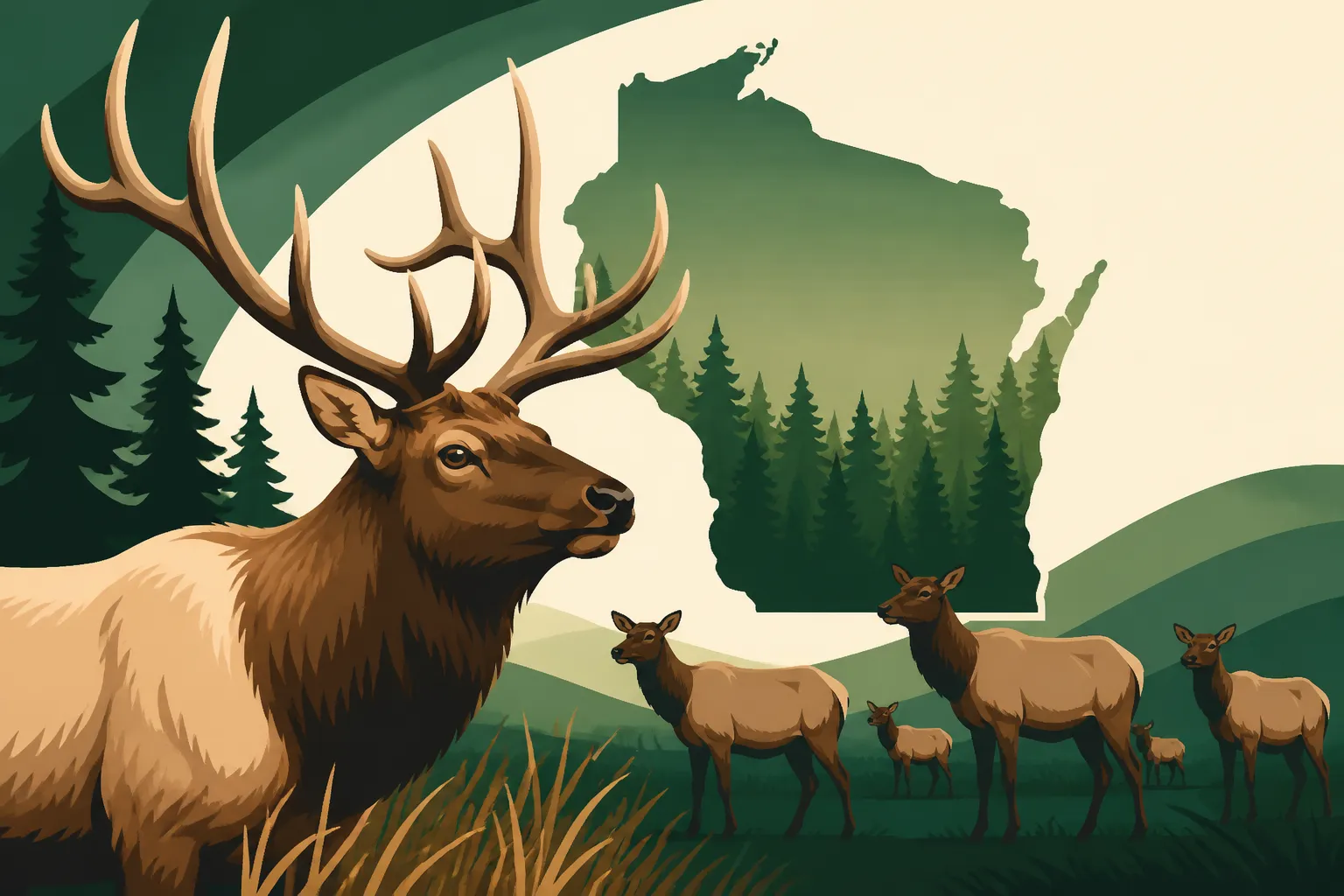
It's truly inspiring to witness the comeback of elk in our state, especially in the rugged, beautiful northern forests. The northern herd, primarily centered around the Clam Lake region, has been a testament to dedicated conservation work and the resilience of these magnificent animals. While exact, real-time numbers can fluctuate with calf production, natural mortality, and research efforts, we can look at the general trends and current status to understand their incredible journey.
When elk were first reintroduced, the numbers were, understandably, quite small. We're talking about a handful of animals brought in, carefully monitored, and given every chance to thrive. From those humble beginnings, the northern herd has steadily grown, overcoming numerous hurdles. Today, the population is in the hundreds, a significant leap from those initial release figures. This growth isn't just about more elk; it's about a healthier, more established population that is beginning to spread its influence across the landscape. The ultimate goal, of course, is a robust, self-sustaining population that can withstand environmental pressures and contribute meaningfully to the ecosystem. Knowing the approximate number of elk in the wild helps not only wildlife managers but also those of us who simply appreciate seeing these animals flourish.
Understanding the size and distribution of these herds is crucial for both management and for those hoping to catch a glimpse of an elk in the wild. While specific real-time counts are collected by wildlife agencies through various methods like aerial surveys, ground observations, and GPS collaring, the general trend indicates a healthy, expanding population. For anyone interested in tracking wildlife populations or analyzing potential hunting opportunities (should they arise in the future), platforms like GoHunt provide valuable tools to sift through data and understand herd dynamics. These tools can offer insights into the health and distribution of various game species, even if you're not actively hunting them.
A Legacy Restored: The History of Elk in Northern Wisconsin
The presence of elk in Wisconsin isn't new; they once roamed our forests freely before being extirpated over a century ago due to unregulated hunting and habitat loss. The idea of bringing them back was a dream for many, and it took incredible effort and planning to turn that dream into a reality for the Northwoods. This ambitious reintroduction began in the mid-1990s, marking a significant milestone in Wisconsin's conservation history.
The initial reintroduction efforts focused on the Clam Lake area in Sawyer County, deep within the Chequamegon-Nicolet National Forest. This location was chosen for its vast tracts of public land, suitable habitat, and lower human population density, offering the best chance for the elk to settle and reproduce without excessive disturbance. The first groups of elk were carefully translocated from other states, primarily Michigan, and released into specially designed acclimation pens before being set free into the wild. It was a slow and painstaking process, with wildlife biologists constantly monitoring their movements, health, and adaptation to their new home. You can learn more about this incredible journey by exploring resources on How Elk Returned to Wisconsin.
This period wasn't without its challenges. The elk had to adapt to a new environment, new predators, and, of course, the harsh Wisconsin winters. Early calf survival rates were a major concern, and there were instances of elk wandering far from the release site. However, through continuous dedication from wildlife agencies, local communities, and conservation groups, the herd began to take root. Understanding these early struggles makes the current success even more remarkable. The resilience of these animals and the commitment of those involved truly paved the way for the thriving population we see today. The story of The Clam Lake and Black River Elk Herds is really one of perseverance.
Factors Influencing Elk Herd Growth and Challenges
Bringing elk back was one thing, but ensuring their long-term growth and stability is an ongoing process that involves understanding and managing a host of environmental and biological factors. The northern elk herd faces a unique set of challenges and benefits from specific conditions that impact its overall size and health.
One of the most significant factors is habitat quality and availability. Northern Wisconsin offers extensive tracts of forest, providing forage, cover, and breeding grounds. However, managing this habitat to meet the changing needs of a growing elk population is critical. This includes timber management practices that create diverse forest structures, promoting young forest growth for browsing, and maintaining open areas for grazing. The availability of consistent food sources, especially during harsh winters, plays a direct role in the survival rates of calves and the overall health of adult elk. Areas that offer a mosaic of older timber for cover and younger clearings for food are prime elk real estate.
Predation is another natural but impactful factor. Wolves and bears, both native to northern Wisconsin, will prey on elk, especially calves. While this is a natural part of the ecosystem, wildlife managers keep a close eye on these interactions to ensure that predation doesn't hinder the herd's overall growth excessively. Disease can also be a silent threat. Monitoring the herd for illnesses like Chronic Wasting Disease (CWD), even though it has not been detected in Wisconsin's elk herds, is crucial to prevent widespread outbreaks that could devastate the population. Agencies conduct regular health checks and require testing if an elk is harvested, reflecting the comprehensive approach to protecting these animals. Understanding these complex ecological relationships is key to the long-term health of the elk herd. Information tools, such as those found on platforms like GoHunt, can sometimes aggregate research and news regarding wildlife health and population trends.
The table below provides a general overview of the northern elk herd's journey through different growth phases, illustrating the significant increase in numbers since the initial reintroduction efforts.
Approximate Northern Wisconsin Elk Herd Growth Phases
| Phase | General Timeframe | Estimated Numbers | Key Characteristics |
|---|---|---|---|
| Initial Reintroduction | Mid-1990s | Dozens | Small, cautious expansion from initial release |
| Early Growth | Late 1990s – Early 2000s | Low hundreds | Adapting to habitat, slow but steady increase, focus on survival |
| Sustained Growth | Mid 2000s – Present | Several hundreds | Established herds, natural reproduction, ongoing management |
| Future Outlook | Ongoing | Growing steadily | Expanding range, potential for continued population increase |
Experiencing the Northern Herd: Viewing and Future Prospects
One of the most exciting aspects of the northern elk herd's return is the opportunity for wildlife enthusiasts and hunters alike to experience these magnificent animals firsthand. While hunting opportunities are extremely limited and highly coveted, the chance to view elk in their natural habitat is a draw for many to the Northwoods.
The Clam Lake area, where the reintroduction began, remains a prime location for elk viewing. Several viewing areas and scenic drives have been established to allow visitors to observe elk without disturbing them. Dawn and dusk are typically the best times, as elk are most active during these periods, grazing in open fields or along forest edges. Patience is key, as these are wild animals, and there are no guarantees. But the experience of seeing a bull elk with a massive rack bugling in the autumn air is unforgettable. For specific locations and tips, checking out resources like Elk Viewing in Wisconsin can provide invaluable guidance. Even if you're not planning a hunt, understanding elk behavior and their preferred habitats, which you might find aggregated through platforms like GoHunt, can enhance your viewing experience.
Looking to the future, the northern elk herd is expected to continue its growth, gradually expanding its range beyond the immediate Clam Lake area. This expansion could lead to new opportunities for viewing and potentially, in time, for more widespread hunting opportunities, although these will always be tightly managed. The success of the northern herd also served as a blueprint for the establishment of the central Wisconsin elk herd, demonstrating the potential for elk to thrive in other parts of the state. This continued growth depends on ongoing conservation efforts, habitat management, and public support. The health of the population is continuously monitored, and details like Why Wisconsin Elk Numbers Hit a Record give us hope for what's to come. Understanding their population dynamics, including factors like Wolves and Wisconsin Elk Calves, is part of appreciating their return.
Ultimately, the story of Wisconsin's northern elk herd is one of hope and successful conservation. From a small group of reintroduced animals, it has grown into a substantial, vibrant population that enriches our state's biodiversity and offers a glimpse into a wilder past. Whether you're interested in Where to Hunt Inside Wisconsin's Elk Zone or simply want to witness a truly wild success story, the northern elk herd is a testament to what dedicated conservation can achieve.
Disclaimer
This article is for general informational purposes only and does not constitute professional advice. Laws, prices and regulations vary by location and change over time. Consult a qualified professional for guidance on your specific situation.