Heaviest Bears Killed in Wisconsin
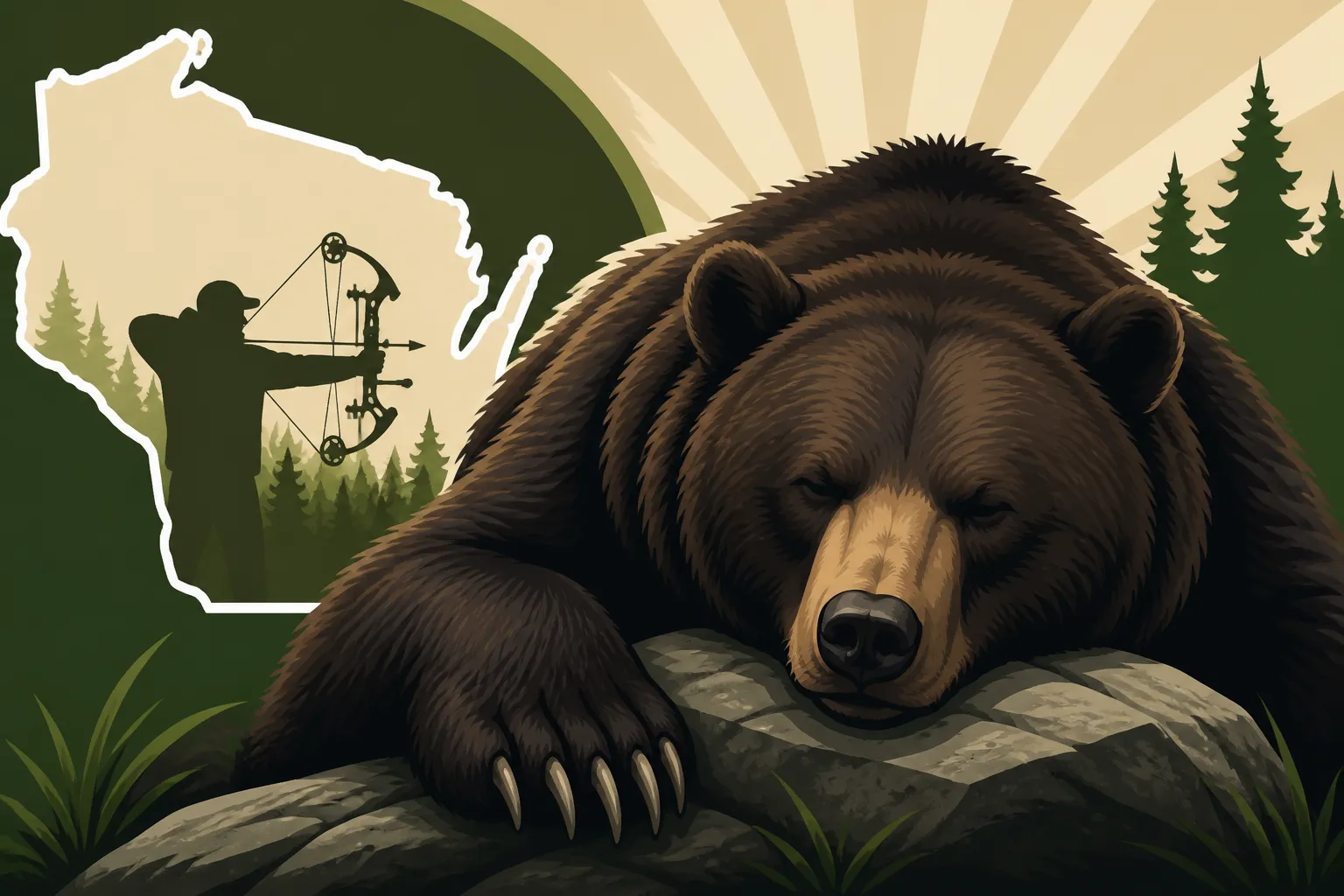
Many Wisconsin hunters dream of taking a truly massive black bear, a true monster of the Northwoods that stands head and shoulders above the rest. But what does "heaviest" really mean when it comes to bears, and how do you even begin to pursue such a formidable animal in a state known for its thriving bear population? This comprehensive guide will peel back the layers on Wisconsin's heaviest bears, exploring the nuances of official weights, the key factors that contribute to their impressive size, and where and how dedicated hunters might encounter one of these giants.
Understanding "Heaviest": Live Weight vs. Dressed Weight
When you hear tales of colossal bears, the conversation inevitably turns to weight. But there's often a crucial distinction many folks miss: whether we're talking about the bear's live weight or its dressed weight. This difference can be significant, and understanding it is key to appreciating true trophy-class animals in Wisconsin.
The Tale of the Tape: Official Records and Estimates
The Wisconsin Department of Natural Resources (DNR) tracks bear harvest data meticulously, and while they record some weights, the emphasis is often on dressed weight (the weight after internal organs have been removed). This is a more consistent and verifiable metric for official purposes. Live weights are often estimates, sometimes made by the hunter in the field or by a taxidermist using a formula. A general rule of thumb is that a bear's dressed weight is roughly 75-80% of its live weight. So, a bear that "tips the scales" at 600 pounds live weight might dress out closer to 450-480 pounds. Wisconsin has certainly produced bears in that upper tier, with some dressed weights exceeding 600 pounds, which translates to truly massive animals in the field. These are the giants that fuel hunting legends and make for incredible stories around the campfire.
Why Weight Matters to Hunters and the DNR
For hunters, a bear's weight is often a direct indicator of its maturity and genetic potential, a testament to a long life well-lived in the wild. It speaks to the health of the habitat and the success of conservation efforts. For the DNR, understanding harvest weights helps them monitor the health and age structure of the Wisconsin's Black Bear Population. Trends in weight can signal changes in food availability, population density, or overall habitat quality. For instance, if average weights begin to decline across a broad area, it could suggest that a particular bear management zone is experiencing increased competition for resources or that the population is skewed younger. This data informs their management strategies, helping ensure sustainable hunting opportunities for future generations.
The Reality of Field Weighing
Let's be honest, trying to get an accurate live weight on a freshly harvested black bear in the field is a monumental task. These aren't small creatures. Most hunters rely on a combination of visual estimation, a good ol' fashioned guessing game, and then later, a more precise measurement of dressed weight at a certified scale, usually at a butcher shop or taxidermist. Some outfitters and determined hunters will use specialized scales and heavy-duty tripods to get a live weight before field dressing, especially when they suspect they've got a true record-breaker on their hands. However, the logistical challenges of hoisting a 500+ pound bear in rough terrain are substantial, to say the least. It’s a moment of immense pride and adrenaline, but precise field weighing can often take a backseat to the hard work of recovery and proper meat care.
Factors Contributing to a Wisconsin Bear's Size
Just like any other wildlife species, a black bear's size isn't just luck. It's a complex interplay of several critical factors that work together throughout its life. To understand what produces those truly massive bears in Wisconsin, we need to look at age, nutrition, and genetics.
Age is the Ultimate Factor for Big Bears
While nutrition and genetics play their part, age is arguably the single most important factor when it comes to a bear reaching trophy proportions. Black bears grow throughout their lives, but their most significant growth spurts typically occur in their younger years. However, they continue to put on weight and size well into maturity, often peaking in their prime years, usually between 8 and 15 years old. Bears harvested at younger ages, even those with good nutrition, simply haven't had the time to accumulate the sheer mass that an older, more established bear has. A bear that has successfully navigated many hunting seasons, avoided other bears, and survived multiple harsh Wisconsin winters is truly a magnificent animal, and its age is often reflected in its impressive size. This is why experienced bear hunters often prioritize seeking out mature males, knowing that those old boars hold the greatest potential for record-book weights.
Nutrition: The Feast and Famine Cycle
Wisconsin's diverse landscape provides a feast for bears, but it's not always consistent. Their diet changes dramatically throughout the year. In spring, they emerge from dens hungry, seeking fresh greens, roots, and carrion. Summer brings berries like raspberries and blueberries, as well as insects and grubs. But it's often the late summer and fall, before denning, that allows bears to pack on the most weight. Acorns, beechnuts, corn, and other mast crops are high in calories and fat, providing the crucial reserves they need for winter hibernation. Bears that consistently have access to abundant, high-quality food sources – especially those nutrient-dense mast crops – throughout their lives will naturally grow larger and heavier. This is one reason why areas with diverse forests and agricultural interfaces can produce exceptional bears. Areas impacted by baiting, where legal, can also influence a bear's ability to consistently gain weight, as supplemental food provides a reliable calorie source. If you're looking for information on baiting practices, you might find insight in articles like Wisconsin Bear Baiting Start Date or Building and Freshening a Wisconsin Bear Bait.
Genetics and Geographic Differences
While less understood than age and nutrition, genetics undoubtedly play a role in a bear's ultimate size potential. Some bears are simply predisposed to grow larger than others, inheriting traits from their parents that allow for greater mass and bone structure. This can lead to subtle but noticeable differences in size even among bears of the same age and with similar diets. Beyond individual genetics, there can also be some geographic differences. While not as pronounced as in some other species, certain regions might historically produce slightly larger bears due to a combination of genetic factors and long-term habitat quality. For a broader look at bear distribution, checking out Where Wisconsin Bears Range can be helpful.
Where Wisconsin's Heaviest Bears are Typically Found
So, where do you start looking for these heavyweight champions? Wisconsin's bear population is robust and expanding, but certain regions consistently produce larger animals, often due to a combination of habitat, food sources, and bear management strategies.
Northern Forest Giants: The Traditional Strongholds
Historically, the vast northern forests of Wisconsin have been the undisputed strongholds for black bears, including the biggest specimens. Areas within the Chequamegon-Nicolet National Forest, the larger County Forests, and expansive tracts of private timberland in counties like Ashland, Bayfield, Douglas, Iron, and Price, are prime territory. These areas offer vast expanses of uninterrupted habitat, plenty of cover, and a rich diversity of natural food sources, particularly hard mast and soft mast, critical for weight gain. The lower human population density also means less disturbance and more opportunity for bears to grow old. When considering these zones for hunting, understanding Wisconsin Bear Preference Points and Zones is crucial, as demand in these areas can be very high.
Central and Southern Bear Expansion: New Opportunities
In recent decades, Wisconsin's bear population has been expanding southward, with bears now regularly sighted and hunted in central and even parts of southern Wisconsin. While the sheer density might not rival the far north, these newer territories offer unique opportunities. Agricultural lands, particularly corn and oat fields, provide an extremely rich and readily available food source that can help bears put on weight quickly. As these populations establish and mature, we're starting to see some impressive bears come out of counties further south, especially those with good mixes of woodland and farmland. These areas might offer different hunting challenges and tactics compared to the dense northern woods.
Specific Counties and Habitat Types
While it's impossible to pinpoint an exact "best" county every year, historical data often points to the major northern forest counties as consistent producers of heavy bears. Think of counties like Ashland, Bayfield, Douglas, Sawyer, Iron, and Price. These counties hold the necessary ingredients: large tracts of mature forest, diverse mast crops, and a long history of a healthy, mature bear population.
Table: General Bear Size Potential by Wisconsin Region
| Region | Primary Habitat Types | Average Bear Size Trend | Potential for Heaviest Bears | Notes |
|---|---|---|---|---|
| Northern Forests | Dense forests, timber cuts, bogs, lakes | Generally larger, older bears | Highest Potential | Ample cover, traditional bear country, diverse natural foods |
| Central Wisconsin | Mixed forests, agricultural lands, wetlands | Good size, growing potential | Moderate to High Potential | Access to rich agricultural food sources, increasing bear population |
| Southern Wisconsin | Fragmented woodlands, extensive agriculture | Smaller average, but expanding, occasional large bears | Low to Moderate Potential (currently, but growing) | Bears are establishing, agricultural diet can promote rapid growth |
| Driftless Area | Steep coulees, oak ridges, scattered agriculture | Good size, but less dense population | Moderate Potential (in specific, food-rich pockets) | Excellent mast crops, but habitat can be more fragmented |
Within these regions, look for areas with mature oak and beech stands (for acorns and beechnuts), areas with abundant berry crops in late summer, and regions where bears have access to agricultural fields (if legal and accessible). The interface between these habitat types is often key. You can utilize tools like the GoHunt app to scout aerial photos and identify these prime habitat features on public lands or while researching private land access.
Hunting Strategies for Trophy-Class Bears
Pursuing a truly heavy bear in Wisconsin requires dedication, patience, and often a specialized approach. Whether you prefer the strategic game of baiting, the thrilling chase with hounds, or the challenging solitude of spot and stalk, each method has its place in the pursuit of a giant.
Patience and Persistence on Bait Sites
Bear baiting is a popular and highly effective method for harvesting bears in Wisconsin, and it's particularly well-suited for targeting large, mature animals. The strategy isn't just about throwing out some donuts; it's about establishing a consistent food source that attracts bears, and then patiently observing their patterns. Big boars, in particular, can be very wary. They often visit baits at night or just at first light or last light, avoiding daytime activity or the presence of smaller bears. Success often comes down to scouting, running trail cameras, and understanding the individual bear's behavior at your specific bait site. This often means sitting long hours, being extremely quiet, and meticulously managing your scent. For more on this method, consider reading about Bear Hunting With Bait and Dogs in Wisconsin.
The Thrill of Running Hounds for Big Bears
For many, the ultimate bear hunting experience in Wisconsin involves running hounds. This method is incredibly demanding, requiring specialized dogs, extensive training, and a deep knowledge of bear behavior and local terrain. While dogs will track any bear, experienced hound handlers often try to cut tracks of larger bears, relying on track size and other sign. Once a bear is treed or bayed, the hunter must move quickly and quietly to the location for a shot. This method can be particularly effective for covering vast tracts of the northern forest, getting into areas that would be almost impossible to hunt otherwise. It's a high-energy, immersive experience that demands a huge commitment, both in time and resources. Details on this approach can be found in resources like How a Wisconsin Bear Hound Race Works.
Spot and Stalk in Remote Country
While less common for bear in Wisconsin than baiting or hounds, a dedicated spot and stalk approach can be incredibly rewarding, especially for hunters seeking a truly wild experience. This method is best suited for remote, lightly pressured areas, often in the vast public lands of northern Wisconsin, such as the Chequamegon-Nicolet National Forest. It involves covering a lot of ground, often glassing clearings, cutovers, and ridge lines at dawn and dusk, looking for bears feeding naturally. Success hinges on exceptional tracking skills, patience, and the ability to move silently through dense cover. This method might be more challenging to target a "heavy" bear specifically, as you're relying on chance encounters, but when it pays off, it's an unparalleled accomplishment. This method resonates with the spirit of Hunting Bear Without Bait or Dogs, offering a purer, more direct engagement with the wild.
Ultimately, landing one of Wisconsin's heaviest bears is a monumental achievement, a testament to an animal's long life and a hunter's skill and perseverance. These magnificent creatures are a symbol of Wisconsin's thriving wildlife and the rich hunting heritage we all share.
Disclaimer
This article is for general informational purposes only and does not constitute professional advice. Laws, prices and regulations vary by location and change over time. Consult a qualified professional for guidance on your specific situation.