Wisconsin Trapping Season Opening Dates
Navigating the myriad of regulations for Wisconsin's trapping seasons can feel like trying to untangle a snarled trap line, especially when dates shift based on species, location, and even management goals. It's a common frustration for even seasoned trappers to keep all those opening dates straight. This comprehensive guide aims to cut through the confusion, offering a clear breakdown of when various trapping seasons typically open across Wisconsin, giving you the detailed information you need to plan your season effectively.
Understanding Wisconsin's Trapping Season Philosophy
Before we dive into the specific dates, it's crucial to understand the overarching philosophy behind how Wisconsin manages its furbearer populations and sets its trapping seasons. The Wisconsin Department of Natural Resources (DNR) doesn't just pull dates out of a hat; they're based on extensive biological data, population trends, and a deep commitment to sustainable harvesting. It’s all about finding that sweet spot where wildlife populations remain healthy, and trappers still have ample opportunity to pursue their passion.
The primary goals often revolve around pelt quality, minimizing conflicts with other land uses (like waterfowl hunting in early fall), and ensuring seasons align with the natural cycles of the animals. For instance, many furbearer seasons are timed to begin when pelts are "prime," meaning the fur is thickest and most valuable, usually in late fall and winter. This ensures a better return for trappers and encourages ethical harvesting. Another key consideration is population management; if a species is overabundant in an area, seasons might be more liberal, while struggling populations might see restricted seasons or bag limits. It's a delicate balance that requires constant monitoring and adjustment, which is why dates can occasionally see tweaks from year to year.
Key Furbearer Opening Dates by Species and Zone
Wisconsin's diverse landscape means that trapping seasons are often split into different zones, primarily "Northern" and "Southern," and sometimes even a specific "Mississippi River Zone," especially for aquatic furbearers. This zonal approach accounts for differences in climate, habitat, and animal behavior across the state. The Northern Zone generally experiences colder temperatures and earlier pelt priming, leading to earlier season openings for some species compared to the Southern Zone. Always double-check the current regulations, perhaps using a tool like the Wisconsin Hunt Wild App, as these dates are subject to annual review by the DNR.
Muskrat and Mink
These semi-aquatic furbearers are mainstays for many Wisconsin trappers. Their seasons are typically among the first to open in the fall, largely due to pelt primeness and to allow harvest before deep freezes make trapping difficult or impossible in shallow waters.
- Northern Zone: The muskrat and mink season in the Northern Zone usually kicks off around the last Saturday of October. This timing allows for pelts to be getting good, while still having some open water before winter truly sets in. Trappers often focus on marshes, small streams, and beaver ponds.
- Southern Zone: In the Southern Zone, you can generally expect the muskrat and mink season to open a bit later, often the first Saturday of November. The slightly warmer climate means a later pelt prime and longer access to open water. This zone includes a lot of agricultural ditches, larger rivers, and lakes, offering diverse opportunities.
- Mississippi River Zone: This unique zone, covering parts of Crawford, Grant, La Crosse, and Vernon counties along the Mississippi River, often has its own specific opener, sometimes aligning with the Northern Zone or a date close to it, typically in late October. The sheer scale and habitat diversity of the Mississippi River backwaters mean distinct management strategies. Trapping here often involves specialized gear for larger bodies of water and fluctuating water levels.
Beaver
Beaver trapping seasons are generally longer than those for muskrats and mink, reflecting their slower reproductive rate and the management need to control their impact on waterways and timber.
- Zones A, B, and C: The state is divided into specific beaver zones. Historically, Zones A and B (largely northern Wisconsin) see seasons opening the first Saturday of November, running through April or May. Zone C (southern Wisconsin) might open slightly later, often the first Saturday after Thanksgiving, and typically runs into April or May as well. These long seasons allow trappers to work different conditions, from open water to under-ice trapping. Beaver trapping is often integral to local wetland management, helping to prevent flooding and maintain healthy timber stands. The sheer hard work involved in setting and tending beaver traps, especially in frozen conditions, is a testament to trappers' dedication.
Raccoon, Fox (Red and Gray), and Coyote
These terrestrial furbearers often have very early opening dates, sometimes even before traditional hunting seasons are fully underway. This is partly due to population management and offering opportunities during milder weather.
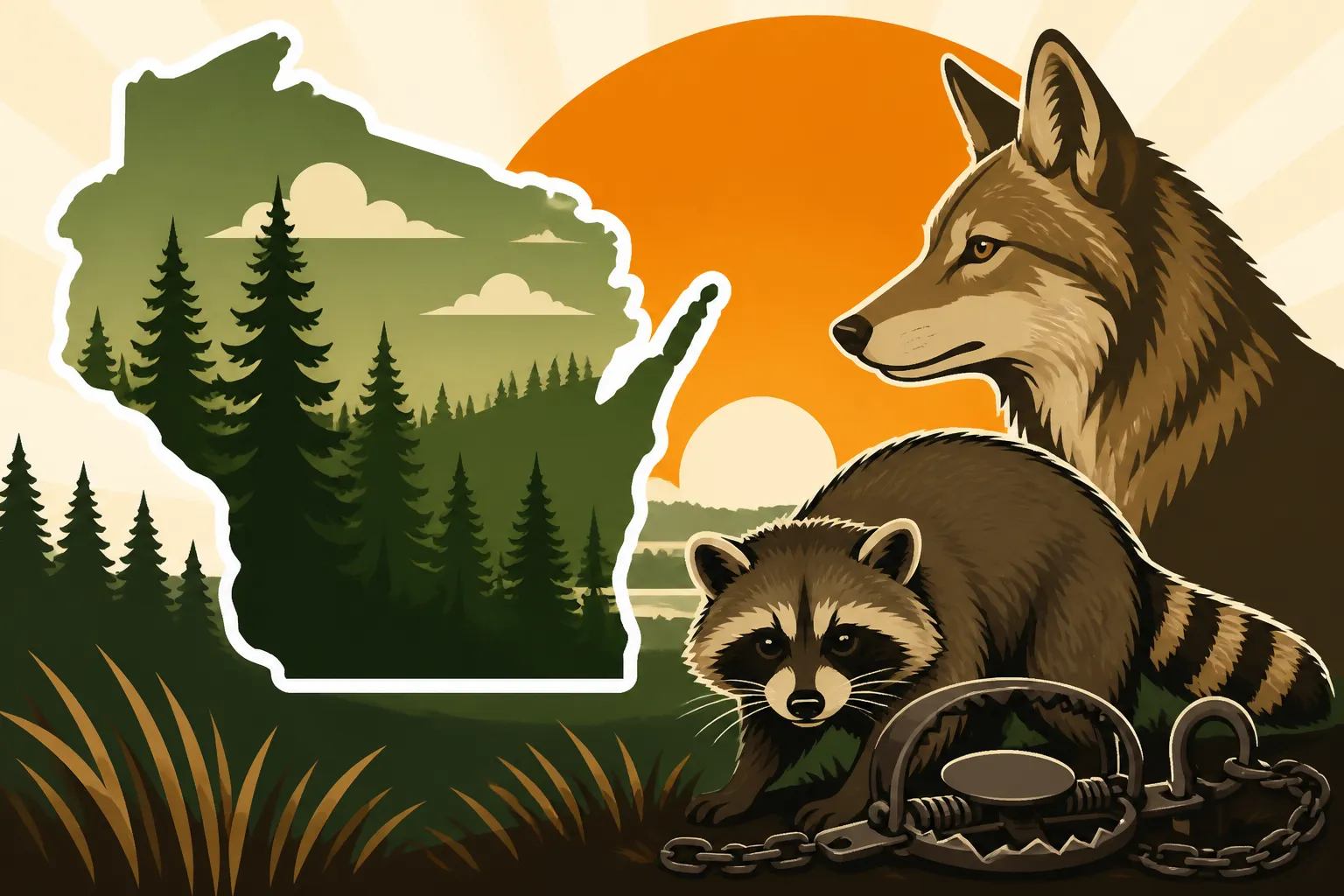
- Raccoon: The raccoon season typically opens very early, often the third Saturday of October, statewide. This early start allows trappers to target raccoons before winter densing and before their pelts become fully prime, as raccoons are often managed for nuisance control in addition to fur harvest.
- Fox (Red and Gray): Both red and gray fox seasons also generally open on the third Saturday of October, statewide. Trapping for fox involves different strategies than water sets, focusing more on dirt hole sets, flat sets, and scent posts. The early season allows for relatively comfortable working conditions before deep snows make travel and trap tending more arduous.
- Coyote: Coyotes are unique in that their trapping season is often open year-round, or with very few restrictions, statewide. This reflects their status as a prolific predator and the management goal of maintaining balance with deer and small game populations. While hunting coyotes, which has its own set of rules including Wisconsin Coyote Hunting Season Rules, is popular, trapping allows for more consistent year-round population control.
Bobcat and Otter
These species are considered "quota" furbearers, meaning harvest is strictly controlled through a limited number of permits due to lower population numbers or conservation goals. Drawing a permit to trap a bobcat or otter is a significant achievement and often requires accumulating preference points. Information on permits and zones can be found in resources like Wisconsin Bobcat Permit and Tagging and Wisconsin Fisher and Otter Permits.
- Bobcat: Wisconsin's bobcat season is split into two distinct periods, typically starting in late October for Period 1 and mid-December for Period 2. The exact start dates will be specified on your permit, which is won through a highly competitive drawing. Bobcat zones are also distinct, usually labeled as Zone A, B, and C, covering different parts of northern and central Wisconsin. The season lengths are typically short, reflecting the strict quota.
- Otter: Similar to bobcats, otter trapping requires a permit. The season usually opens the first Saturday of November, statewide, but the number of permits and the specific harvest quotas are carefully managed. Trappers lucky enough to draw an otter permit often combine these sets with beaver trapping, as otters frequent similar aquatic habitats.
Here's a quick overview of typical opening dates for common furbearers, but always remember to consult the current DNR regulations for precise, up-to-the-minute information.
| Species | Northern Zone (Typical Open) | Southern Zone (Typical Open) | Mississippi River Zone (Typical Open) | Special Notes |
|---|---|---|---|---|
| Muskrat | Last Saturday of October | First Saturday of November | Last Saturday of October | Focus on water sets, before deep freeze. |
| Mink | Last Saturday of October | First Saturday of November | Last Saturday of October | Often trapped in conjunction with muskrat. |
| Beaver (Zone A & B) | First Saturday of November | N/A | N/A | Zones A & B cover northern/central WI. |
| Beaver (Zone C) | N/A | First Saturday after Thanksgiving | N/A | Zone C covers southern WI. Long season. |
| Raccoon | Third Saturday of October | Third Saturday of October | Third Saturday of October | Statewide opener, often early. |
| Red Fox | Third Saturday of October | Third Saturday of October | Third Saturday of October | Statewide opener. |
| Gray Fox | Third Saturday of October | Third Saturday of October | Third Saturday of October | Statewide opener. |
| Coyote | Continuous / Year-Round | Continuous / Year-Round | Continuous / Year-Round | Often no closed season, check local rules. |
| Bobcat | Late October (Period 1) | N/A | N/A | Quota species, permit required. Split periods. |
| Otter | First Saturday of November | First Saturday of November | First Saturday of November | Quota species, permit required. Statewide opener. |
This table represents typical opening dates. Always verify current season dates and regulations with the Wisconsin DNR.
Factors Influencing Season Dates and Special Considerations
It's not just about the calendar date; several factors can subtly, or sometimes significantly, influence how trapping seasons are structured in Wisconsin. Understanding these can help you anticipate changes and make you a more informed and prepared trapper.
Weather and Climate Patterns
Wisconsin is known for its dramatic seasonal changes, and these play a huge role in furbearer management. An unusually warm fall might delay pelt primeness in the Southern Zone, for example, but seasons are usually set well in advance. However, severe early cold fronts or deep snow can greatly impact trapper access and success. For instance, in the Northern Forest, early, heavy snowfalls can make it incredibly challenging to access remote trap lines. This is where scouting ahead of time and using tools like GoHunt for mapping terrain and access points becomes invaluable. The DNR considers long-term climate trends and typical freeze-up dates when setting seasons to maximize opportunities while ensuring healthy populations.
Population Management Goals
Each furbearer species has its own unique population dynamics and management goals. For species like beaver, which can cause significant property damage (like flooding timber or culverts) if populations get too high, seasons tend to be long and relatively liberal. Conversely, for species like bobcat and otter, which are managed for more stable, lower densities, seasons are short, quota-based, and require special permits.
Disease outbreaks can also influence seasons. While less common for furbearers than deer (e.g., CWD), localized outbreaks of diseases affecting furbearers could potentially lead to adjustments in season length or harvest quotas to either reduce density or allow populations to recover. It's a constant balancing act to ensure healthy ecosystems.
Interaction with Other Hunting Seasons
The DNR also has to consider how trapping seasons interact with other hunting seasons. For example, setting early furbearer trapping seasons can sometimes create conflicts with waterfowl hunting, especially if trappers are in the same marshes. While the goal is to provide opportunities for all outdoor enthusiasts, sometimes compromises have to be made. This is why you'll often see distinct opening dates between terrestrial and aquatic furbearers, or even within the same species across different zones. Being aware of the Wisconsin Waterfowl Seasons and Zones can help you plan your trapping to minimize conflicts and maximize your time in the field.
Navigating Regulations and Staying Updated
The sheer volume of regulations can be intimidating, but staying on top of them is crucial for ethical and legal trapping. Ignorance of the law is never an excuse, and violations can lead to significant penalties under Wisconsin Wildlife Violation Penalties.
The Wisconsin DNR Website and Publications
Your absolute first stop for official and up-to-date trapping regulations should always be the Wisconsin DNR website. They publish an annual "Small Game and Furbearer Regulations" pamphlet (available both online and in print) that details every season, zone, bag limit, and special rule. This pamphlet is your bible for the season. Don't rely on outdated information or hearsay. It's also where you'll find information on obtaining the necessary Wisconsin Hunting Licences and What They Cost for trapping.
Using Digital Tools and Mapping Applications
In today's world, digital tools make it much easier to stay informed. The Wisconsin DNR's "Go Wild" system is not just for buying licenses; it's also a portal for accessing regulations and managing your permits. Many trappers also utilize mapping applications like GoHunt, which can overlay public land boundaries, habitat types, and even specific regulations onto a detailed map. This is incredibly useful for scouting new areas, understanding property lines, and planning your trap sets efficiently. Imagine being able to see where Managed Forest Law Land Open to Hunters is, or pinpointing remote corners of the Chequamegon-Nicolet National Forest Hunting where you might set a line for fox or coyotes. These apps can be game-changers for planning your Running a Trapline in Northern Wisconsin.
Local DNR Contacts and Trapping Organizations
Don't underestimate the value of personal connections. Your local DNR conservation warden or wildlife biologist is an invaluable resource for specific questions about local conditions or nuanced regulations. They can often provide insights that go beyond the printed page. Additionally, joining a local or statewide trapping organization, such as the Wisconsin Trappers Association, can keep you connected to the trapping community. These groups often host workshops, share information about season changes, and advocate for trappers' rights. They're a fantastic way to learn from experienced trappers and stay in the loop. These connections can also provide invaluable advice on Scouting Wisconsin Public Land Before Season.
Final Thoughts on Your Trapping Season
Trapping in Wisconsin is a rich tradition, a skill passed down through generations, and a vital tool for wildlife management. While the opening dates for various furbearers might seem like a maze, they are carefully considered decisions designed to promote healthy wildlife populations and provide sustainable opportunities. By staying informed through official DNR channels, leveraging modern digital tools, and connecting with the trapping community, you'll be well-prepared to hit the woods and waters when the seasons open. Good luck out there, and may your sets be productive!
Disclaimer
The information provided in this guide is for general informational purposes only and is subject to change. Hunting and trapping regulations in Wisconsin are established by the Wisconsin Department of Natural Resources (DNR) and are updated annually. Always consult the most current official Wisconsin DNR regulations and publications before participating in any hunting or trapping activities. Failure to comply with regulations can result in penalties.