Wisconsin Sharp-Tailed Grouse Harvest Zones
For many Wisconsin upland hunters, the thought of pursuing sharp-tailed grouse can feel like chasing a ghost. Unlike the more common ruffed grouse, sharp-tails occupy a very specific, ever-dwindling niche, making finding where and how to hunt them a real head-scratcher. If you've ever felt frustrated trying to understand the limited opportunities and complex regulations surrounding these incredible birds, you're not alone. This guide aims to pull back the curtain on Wisconsin's sharp-tailed grouse harvest zones, shedding light on their unique habitat, the special permit system, and what it takes to even dream of a sharp-tail hunt in our beautiful state.
The Elusive Wisconsin Sharp-Tailed Grouse and Its Habitat
Hunting sharp-tailed grouse in Wisconsin isn't just a pursuit; it's an immersive experience into a rare and fragile ecosystem. These birds are a world apart from their woodland cousins, the ruffed grouse, and understanding their unique needs is the first step in appreciating the complexities of their harvest zones.
A Unique Challenge for Upland Hunters
Imagine an open grassland dotted with patches of brush and young trees, a landscape that hums with the energy of a vast sky rather than the dense quiet of deep woods. That's sharp-tail country. These birds, known for their elaborate courtship dances on traditional "leks" or booming grounds, are a sight to behold, and their calls are distinct from any other game bird in Wisconsin. Their preference for these open, brushy environments makes them incredibly specialized, and consequently, their populations are much smaller and more localized than other game birds. For many upland hunters, the sheer scarcity of sharp-tails and the difficulty in accessing their habitat is a major frustration. It's easy to feel like you're searching for a needle in a haystack, especially when the areas they inhabit are so different from typical grouse cover. The sheer privilege of seeing one flush is a memory to cherish, let alone harvesting one.
The Importance of Barrens Ecosystems
Sharp-tailed grouse are intrinsically linked to what we call "barrens" ecosystems. These aren't barren in the traditional sense of lifeless, but rather refer to naturally occurring landscapes dominated by grasses, sedges, wildflowers, and scattered pine or oak trees, interspersed with dense patches of brush like hazel, willow, or aspen. Think of it as a mosaic of open prairies and young forest, maintained historically by natural wildfires and now, critically, by prescribed burns and specific timber management practices. These areas, like the famed Crex Meadows State Wildlife Area in Burnett County or the Namekagon Barrens Wildlife Area, are vital. The birds need these open spaces for their breeding dances and foraging, while the brush provides essential cover from predators and harsh weather. Without active management, these barrens would slowly revert to dense forest, completely eliminating sharp-tail habitat. The decline of these barrens over the last century due to fire suppression and changing land use is precisely why sharp-tail populations dwindled to critical levels, leading to the highly regulated hunting opportunities we have today.
Deciphering Wisconsin's Sharp-Tailed Grouse Harvest Zones
When it comes to hunting sharp-tailed grouse in Wisconsin, it's not a matter of simply heading out with your shotgun during the small game season. The state has very specific, limited harvest zones, a testament to the fragile nature of this unique game bird. This careful management is crucial for their survival and is why hunters must understand these zones.
Specific Zones and Their Geographic Footprint
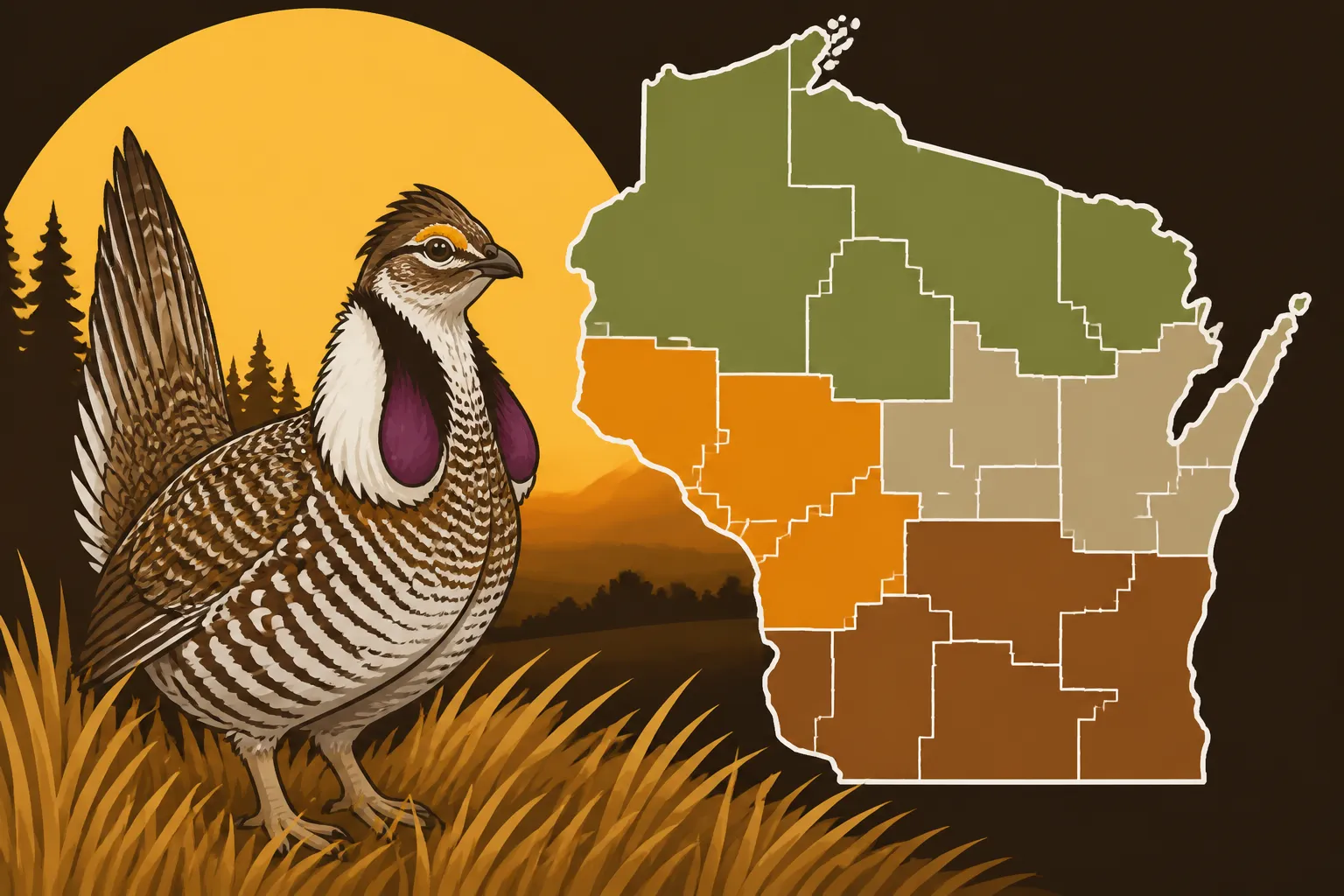
Wisconsin's sharp-tailed grouse harvest zones are few and far between, reflecting the limited "Barrens Habitat and Sharptail Numbers" that remain. Historically, sharp-tails were found across much of the northern half of the state, but today, viable populations are primarily confined to a handful of dedicated management areas, predominantly in northwestern Wisconsin. The most well-known of these include:
- Crex Meadows Wildlife Area (Burnett County): This is arguably the most famous and actively managed sharp-tail habitat in the state. It's a vast landscape of pine barrens, wetlands, and prairies, meticulously maintained through prescribed burns and other habitat work.
- Namekagon Barrens Wildlife Area (Burnett and Douglas Counties): Another critical area, working in conjunction with Crex to provide the necessary open, brushy habitat.
- Douglas County Grouse Management Area (Douglas County): This area also holds significant sharp-tail populations and is part of the state's broader effort to restore and maintain these unique barrens.
These are not just casual hunting areas; they are specific, recognized zones where the limited sharp-tail hunting is permitted. You can't just hunt them anywhere that looks like potential habitat. The Wisconsin DNR designates these areas with extreme care, and you'll need to know their exact boundaries if you're lucky enough to draw a tag. To truly explore these unique landscapes and plan your strategy, hunters often use tools like the GoHunt app, which provides detailed land ownership and habitat maps, allowing you to visualize "Where Wisconsin Sharptails Survive" within these specific zones.
Here's a breakdown of the primary sharp-tailed grouse zones and their characteristics:
| Zone/Area | Primary Counties | Habitat Type | Management Focus | Notes |
|---|---|---|---|---|
| Crex Meadows Wildlife Area | Burnett | Pine/Oak Barrens, Prairies, Wetlands | Prescribed burns, savanna restoration | Heavily managed, high-quality habitat, usually highest permit allocation |
| Namekagon Barrens Wildlife Area | Burnett, Douglas | Pine Barrens, Oak Savanna | Brush management, fire ecology | Critical for connectivity and population expansion |
| Douglas County Grouse Mgmt Area | Douglas | Pine Barrens, Aspen, Prairies | Timber harvest, prescribed fire | Important northern strongholds, supports diverse wildlife |
| Northwest Sands Ecological Landscape | Bayfield, Sawyer, Washburn (parts) | Sandy Pine/Oak Barrens | Landscape-level restoration | Broader landscape approach, less concentrated populations |
The Logic Behind Limited Entry
The reason these zones are so restricted, and the hunting opportunities within them so limited, boils down to conservation. The "Sharp-Tailed Grouse Range in Wisconsin" has shrunk dramatically over the last century. We're talking about a species that was once abundant but now exists in fragmented populations. The DNR’s strategy is not to maximize harvest, but to ensure the long-term viability of the species. This means controlling hunter numbers to minimize pressure on breeding populations and maximize the chance of successful reproduction.
It’s completely understandable to feel frustrated when you realize how few opportunities there are. It's not like the widespread access available for "Grouse and Woodcock Hunting in Wisconsin" in many other forested areas. The limited entry system, where you apply for a special permit, ensures that only a small number of hunters are in the field, reducing disturbance during a critical period for the birds. This approach allows conservationists to closely monitor the population trends, habitat health, and the impact of hunting. It’s a delicate balance, but one that is absolutely necessary to prevent these beautiful birds from disappearing from Wisconsin entirely.
Navigating the Wisconsin Sharp-Tailed Grouse Permit System
Given the unique conservation status of sharp-tailed grouse in Wisconsin, hunting them isn't as simple as buying a general small game license and heading to the woods. It requires navigating a specific, limited-entry permit system. This process can feel a bit daunting, like trying to win a golden ticket, but understanding the steps is key.
Applying for the Coveted Permit
To hunt sharp-tailed grouse in Wisconsin, you must apply for and draw a special permit. This isn't a permit you can just purchase over the counter; it’s a competitive draw. The application period typically runs from August 1st through August 31st each year. You'll submit your application through the Wisconsin DNR's Go Wild licensing system. It's a critical window, so if you're serious about pursuing sharp-tails, mark your calendar!
The number of available permits, or "Wisconsin Sharp-Tailed Grouse Permits" as they're known, is extremely limited, often in the range of a few dozen statewide each year. This means the draw odds are quite low, and it can take several years of applying to finally get a tag. I've known hunters who've put in for over a decade before finally seeing their name drawn. It's a true test of patience and persistence. When applying, you'll be asked to choose a specific zone if there are multiple options, or sometimes the permit will be general for all open sharp-tail areas. It's wise to research which zone offers the best habitat or the most consistent populations, although with such low numbers, it often comes down to pure luck. Using resources like GoHunt's mapping features can help you pinpoint areas within the potential zones where historical bird sightings or suitable habitat might exist, helping you make an informed decision when applying.
Understanding Harvest Quotas and Regulations
If you're one of the fortunate few to draw a sharp-tailed grouse permit, you'll find the regulations are just as strict as the application process. The season length is usually quite short, often only a week or two, and the daily bag limit is very small, typically one bird per day. This isn't a hunt where you expect to fill a cooler; it's about the experience and the rare opportunity to pursue such a magnificent bird.
When you receive your permit, make sure to read all the accompanying documentation carefully. It will specify the exact dates, times, and boundaries for your hunt. Remember, these are specific management areas, and general hunting rules for "Wisconsin Small Game and Furbearer Seasons" might differ slightly within these zones. You'll also need to ensure you meet all the general requirements for "Wisconsin Hunting Licences and What They Cost," including a valid small game license and a Wisconsin pheasant stamp, even if you're not targeting pheasants, as the stamp is required for hunting grouse. Additionally, remember to wear your blaze orange or pink during the sharp-tail season, especially if it overlaps with other hunting seasons, to ensure safety. The emphasis during these hunts is on ethical pursuit and respecting the fragility of the population, making every flush and every shot a truly meaningful event.
The Future of Sharp-Tailed Grouse Hunting in Wisconsin
The journey of Wisconsin's sharp-tailed grouse is a fascinating, if sometimes precarious, tale of conservation. For many of us who cherish upland hunting, ensuring these birds continue to thrive for future generations is paramount. The role of habitat management and hunter support cannot be overstated.
Conservation Efforts and Habitat Restoration
The very existence of sharp-tailed grouse hunting zones in Wisconsin is a testament to dedicated conservation efforts. Organizations like the Wisconsin Sharp-tailed Grouse Society, along with the Wisconsin DNR, work tirelessly to maintain and restore the critical barrens habitat these birds depend on. This isn't just about protecting existing areas; it's about active, hands-on management. Prescribed burns are a cornerstone of this strategy. Controlled fires mimic natural processes that historically kept barrens open, preventing them from becoming overgrown with dense forest that sharp-tails can't use. Without these burns, the open prairies and brushy savannas would vanish.
Beyond fire, timber management plays a crucial role. Selective logging and clear-cutting in specific areas can create the early successional habitat and open spaces that sharp-tails need. It's a constant battle against natural succession, and every acre of restored barrens is a victory. These efforts benefit more than just sharp-tails; they create a rich mosaic of habitats that support a wide array of wildlife, from deer and elk to various songbirds and pollinators. Understanding these efforts can truly enhance your appreciation for the opportunity to hunt these unique birds, whether you're actively "Hunting Sharptails on Wisconsin Barrens" or simply observing them.
How Hunters Can Contribute to Sharp-Tail Survival
Even if you haven't drawn a sharp-tailed grouse permit, or perhaps never even apply, you can still play a vital role in their survival. First and foremost, financial support for organizations like the Wisconsin Sharp-tailed Grouse Society or by purchasing the Pittman-Robertson-funded ammunition and equipment you use for "Wisconsin Small Game and Furbearer Seasons" directly contributes to habitat conservation. Every dollar helps fund those critical prescribed burns and habitat improvements.
Secondly, ethical hunting practices are paramount. If you are fortunate enough to draw a tag, adhere strictly to all regulations. Respect the limited quotas and understand that this is a conservation hunt, not a freezer-filling endeavor. Finally, become an advocate. Educate others about the importance of barrens ecosystems and the unique challenges facing sharp-tailed grouse. Sharing sightings, even if they aren't during hunting season, can provide valuable data to the DNR. Learning about "Scouting Wisconsin Public Land Before Season" in general can help you identify areas with potential, even if outside the permit zone, for general bird watching and appreciating this magnificent species. By appreciating the rarity and supporting the efforts to maintain their habitat, hunters ensure that the dance of the sharp-tail continues in Wisconsin for generations to come.
Disclaimer
The information provided in this guide is for general informational purposes only and does not constitute legal advice. Hunting regulations, seasons, and permit requirements are subject to change by the Wisconsin Department of Natural Resources (DNR). Always consult the most current official Wisconsin DNR hunting regulations and publications before planning any hunting activities.