Which Wisconsin Turkey Zone to Apply For
It’s a common dilemma for spring turkey hunters in Wisconsin: you're staring at the application screen, ready to pick your zone and time period, but a wave of uncertainty washes over you. Which of the seven turkey zones offers the best chance? Which one truly aligns with your hunting style and expectations? This comprehensive guide is designed to help you navigate those crucial decisions, breaking down each zone and giving you the insights you need to apply with confidence for your Wisconsin turkey authorization.
Understanding Wisconsin's Turkey Zone System
Wisconsin’s wild turkey program is a true conservation success story, going from virtually no birds to a robust, huntable population across much of the state. To manage this incredible resource and distribute hunting pressure, the Wisconsin Department of Natural Resources (DNR) established a system of turkey management zones. These zones are more than just lines on a map; they dictate everything from permit availability to the type of hunting experience you can expect. Understanding how these zones work is the first step in making an informed application choice.
The Seven Wisconsin Turkey Zones
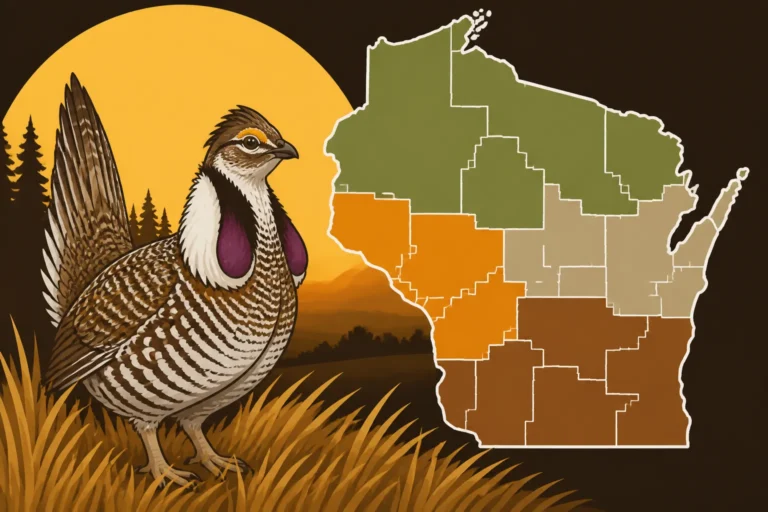
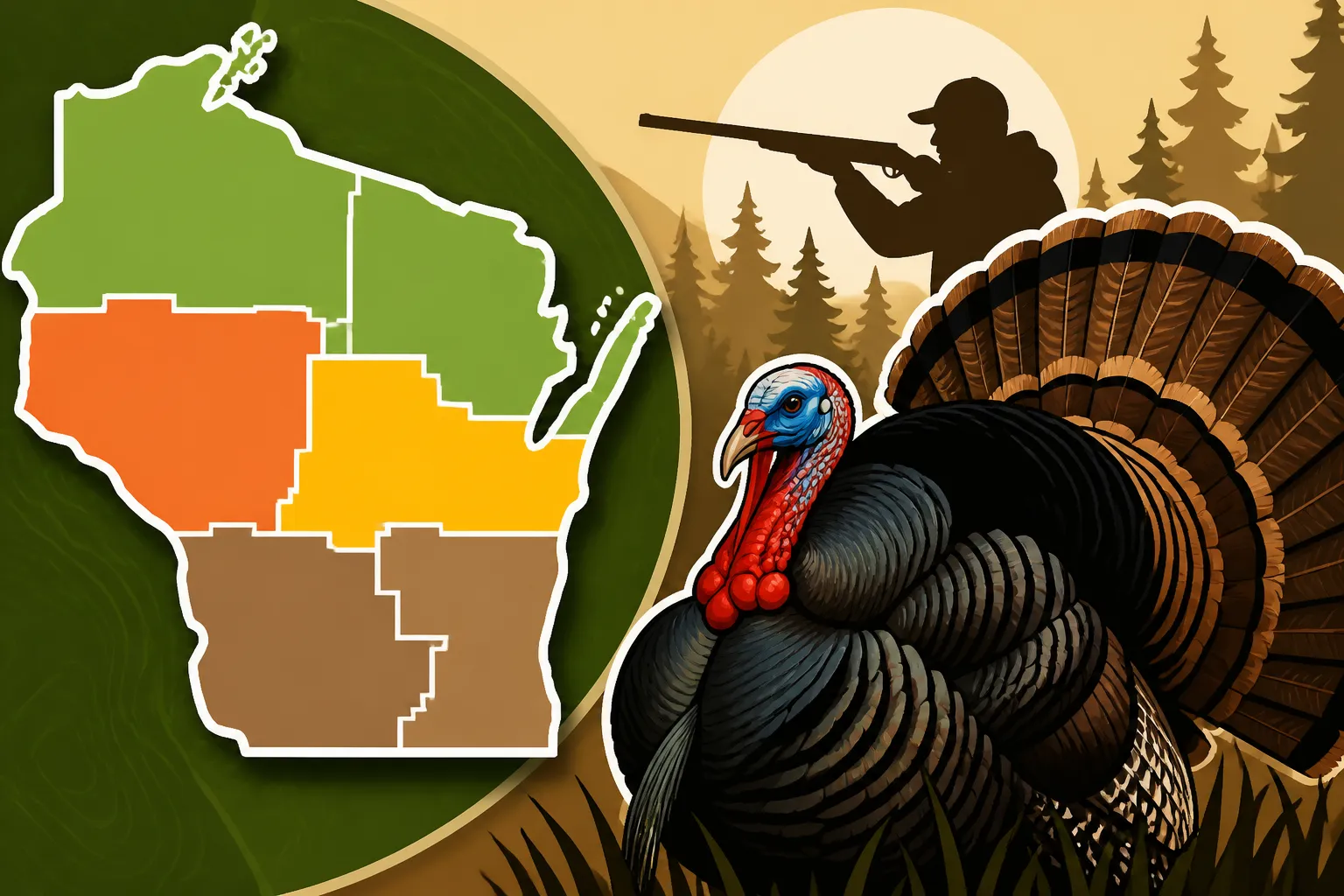
Wisconsin is divided into seven distinct turkey zones, each with its own unique characteristics in terms of geography, habitat, and turkey population dynamics. Knowing these differences is crucial for any hunter considering where to apply.
-
Zone 1: Western Wisconsin's Driftless Area
This zone is a turkey hunter's dream, famous for its steep coulees, hardwood ridges, and agricultural lands. It encompasses much of the unglaciated region of western and southwestern Wisconsin. The topography here lends itself to classic run-and-gun tactics, working birds along ridge tops and in valley bottoms. The habitat is a mosaic of mature timber, pastures, and croplands, providing abundant food and cover. Turkey populations here are generally robust, but so is hunting pressure, especially in the early periods. This is where you might find some of the highest turkey densities in the state, offering exciting, challenging hunts. If you're looking for terrain where you can truly practice your calling and woodsmanship, this zone, covering counties like Buffalo, Trempealeau, and Crawford, is a prime choice. -
Zone 2: Southern Farmland and Woodlots
Extending across much of south-central Wisconsin, Zone 2 is characterized by a mix of extensive farmlands, small woodlots, and river corridors. This zone includes areas from Dane and Columbia counties down towards the Illinois border. Here, turkeys often roost in the scattered timbered areas and feed in agricultural fields, making them somewhat predictable if you can gain access to private land. Public land can be scarce or highly pressured, so knocking on doors for permission is a valuable strategy here. While the birds might be slightly more patterned to feed sources, they can also be more wary due to consistent exposure to human activity. Tactics often involve setting up on field edges or calling birds from roosts near farm fields. For hunters focused on hunting Wisconsin farmland deer, this zone also offers similar challenges and rewards for turkey. -
Zone 3: Central Wisconsin's Sand Plains
This zone, covering a significant portion of central Wisconsin including counties like Jackson, Juneau, and Wood, is a landscape of large pine plantations, oak barrens, and expansive wetlands. It's a different world from the driftless. Turkeys here can be found ranging through the pines, often utilizing the edges of marshes and scattered oak stands for food and roosting. Success often hinges on covering ground, identifying specific pockets of suitable habitat, and being prepared for longer walks. Pressure can vary, with some areas seeing less traffic due to the sheer size of public land available, particularly in the state and county forests. Hunters who enjoy the solitude of vast timber and don't mind navigating dense cover often find this zone appealing. -
Zone 4: East-Central Farmland and Forests
Zone 4 takes in the east-central part of the state, including areas around Green Bay and extending south and west. This zone is a blend of agricultural lands, particularly dairy farms, and significant pockets of deciduous and conifer forests. Counties like Brown, Outagamie, and Waupaca fall within this zone. Turkey populations are strong, often thriving on the diverse food sources provided by both farming operations and forest ecosystems. As with Zone 2, private land access is often key, though some state and county forests offer opportunities. Hunters should expect birds to move between various habitat types throughout the day, requiring adaptable strategies. -
Zone 5: Northern Forest Fringe
This zone generally covers the southern edge of Wisconsin's expansive northern forest, bordering areas like the Chequamegon-Nicolet National Forest but also including more developed areas. Counties like Marathon, Langlade, and Oconto might be included. It represents a transition zone, with a mix of timber, smaller farms, and recreational properties. Turkeys here navigate a varied landscape, often utilizing both mature forests and edges of clearings. Pressure can be moderate, and knowing how to hunt Wisconsin's northern forest for deer can give you a leg up on understanding turkey movement patterns here. -
Zone 6: Far Northern Forest
Zone 6 delves deep into Wisconsin's legendary northern forest, stretching across counties like Vilas, Oneida, and Iron. This is a vast, mostly timbered landscape, dominated by pines, hardwoods, and numerous lakes and swamps. Turkey populations here are generally lower in density compared to the southern zones, as the habitat can be more challenging for turkeys, especially during harsh winters. However, for hunters seeking a truly wild experience, away from heavy pressure, this zone can be incredibly rewarding. Success often comes from extensive scouting, targeting specific river bottoms, logging roads, or small clearings where turkeys concentrate. If you enjoy the challenge of finding birds in big woods, this is your zone. -
Zone 7: Mississippi River Corridor
Though small in land area, Zone 7 is distinct, primarily encompassing the immediate river corridors along the Mississippi. This unique habitat offers a mix of river bottom timber, islands, and backwater sloughs. Turkeys thrive in these rich ecosystems, utilizing the mature timber for roosting and the diverse vegetation for foraging. Access can be tricky, often requiring boat use or navigating public lands specific to the river, such as the Upper Mississippi River National Wildlife and Fish Refuge. This zone can offer unique opportunities for hunters willing to put in the effort to explore riverine environments.
How Zone Structure Influences Hunting Pressure and Success
The way Wisconsin’s turkey zones are structured directly impacts your hunting experience. Zones with historically higher turkey populations and easier access, like Zone 1, tend to have more applicants and thus, higher hunting pressure. This means birds can be warier, and you might encounter other hunters more frequently, particularly during the popular early season periods. If you're planning on Run-and-Gun Turkey Tactics on Public Land, be prepared for competition.
Conversely, zones in the northern reaches, like Zone 6, often see fewer applicants and less pressure. While the turkey density might be lower, the quality of the hunting experience can be higher in terms of solitude. You might have to work harder to find birds, but once you do, they might be less pressured and more responsive to calling. It's a trade-off between higher bird numbers and lower hunter density. The structure also dictates the number of available authorizations and the success rates in the permit drawing, which brings us to understanding the application process itself. Many hunters utilize mapping resources, often through platforms like GoHunt, to analyze public land access and historical hunting data within these zones before making their final decision.
Factors to Consider When Choosing Your Zone
Choosing the right turkey zone isn't just about picking the one with the highest success rate; it's about finding the zone that best suits your hunting style, available time, and access opportunities. There's a real art to it, balancing ambition with realism.
Habitat and Terrain Preferences
Your personal hunting preferences should heavily influence your zone choice. Do you thrive in steep, challenging terrain where you can use elevation to your advantage, or do you prefer flatter ground with more open visibility?
-
For the "Run-and-Gun" Hunter: If you love to cover ground, aggressively call, and pursue vocal gobblers, the rugged topography of Zone 1 (Driftless Area) or even portions of Zone 5 might be your ideal. The rolling hills and abundant timber offer fantastic opportunities for chasing down birds that are moving and responsive. You'll be climbing, descending, and moving frequently, setting up quickly on turkeys that gobble back. The challenge is navigating the dense cover and often private land holdings, though ample public land exists for those willing to put in the miles. For insights into this style, consider reading up on Calling a Wisconsin Gobbler Off the Roost.
-
For the "Set-Up and Call" Hunter: If you prefer a more patient approach, finding a strategic location with good visibility and calling birds to you, zones with more open fields and scattered woodlots like Zone 2 or Zone 4 could be a better fit. Here, you might find birds roosting consistently in certain timber stands and then feeding in specific fields. Your tactics would involve scouting for these patterns, setting up a ground blind or finding natural cover along a field edge, and enticing birds with realistic calling sequences. This style often works well on private land, but also on public parcels adjacent to agriculture where birds funnel.
-
For the "Big Woods" Adventurer: If solitude and the challenge of finding birds in vast, unbroken forests appeal to you, then Zone 6, the heart of the northern forest, could be your calling. This hunting is less about hearing constant gobbling and more about deep woodsmanship, tracking, and pinpointing isolated groups of birds. It requires more commitment to scouting and covering extensive areas, but the reward is a truly wild experience. Success might mean knowing Where Wisconsin Gobblers Roost in relation to water or clearings.
Public vs. Private Land Access
Access is arguably one of the biggest determinants of where you should apply. Wisconsin offers a substantial amount of public hunting land, but its distribution and type vary significantly by zone.
-
Zones with Abundant Public Land: Zones like 1, 3, and 6 tend to have more extensive public land options, including state forests, county forests, and national forest lands. For instance, Zone 3 contains large portions of the Necedah National Wildlife Refuge and Black River State Forest, offering thousands of acres to roam. Zone 6 has vast tracts of the Chequamegon-Nicolet National Forest and numerous county forests. If you primarily rely on public land, these zones will give you the most options. However, even within these zones, specific parcels can experience heavy pressure. Resources like the Wisconsin DNR's "Hunt Wild" app or commercial mapping tools from GoHunt are invaluable for identifying open public land and understanding property boundaries.
-
Zones Requiring More Private Land Access: Zones 2 and 4, which are more dominated by agriculture and private ownership, often require hunters to secure permission from landowners. This isn't necessarily a bad thing; successful private land access can lead to incredible hunting opportunities with less competition. It simply means your pre-season scouting might involve more door-knocking and relationship-building. Even within these zones, there are often smaller state wildlife areas or river bottom public lands that can hold birds. Remember to always respect landowner wishes and adhere to Wisconsin Trespass and Permission Law.
Turkey Population and Harvest Statistics
While not the sole factor, looking at turkey population estimates and historical harvest statistics can provide valuable context for your zone choice. The DNR publishes annual harvest reports that show success rates and total harvests by zone and period.
-
Analyzing Past Performance: Reviewing past data can give you an idea of which zones consistently produce higher numbers of harvested birds. Generally, zones in the Driftless Area (Zone 1) and the southern farmland areas (Zone 2, 4) tend to have higher overall turkey populations and thus, higher harvest numbers. This doesn't guarantee your success, but it indicates a strong bird presence. For a broader overview, you might want to review Wisconsin Turkey Population Trends.
-
Balancing Quantity and Quality: A zone with lower harvest numbers, such as Zone 6, might indicate fewer birds or more challenging hunting, but it often translates to a higher quality experience in terms of solitude and less pressured birds. Conversely, a high-harvest zone might mean more opportunities to hear gobbling, but also more competition from other hunters. It’s a personal decision whether you prioritize more potential encounters or a quieter, more isolated hunt. Keep in mind that success rates also vary greatly by period, with the earliest periods often having the highest success, but also the highest demand.
| Wisconsin Turkey Zone | General Location | Primary Habitat Types | Relative Turkey Density | Typical Hunting Pressure | Key Characteristics |
|---|---|---|---|---|---|
| Zone 1 | Western (Driftless) | Hardwood ridges, steep coulees, agriculture | High | High (especially early) | Classic challenging terrain, vocal birds |
| Zone 2 | South Central | Farmland, scattered woodlots, river corridors | High | Moderate-High | Private land often key, field-edge setups common |
| Zone 3 | Central Sand Plains | Pine plantations, oak barrens, wetlands | Moderate | Moderate | Large public land tracts, vast timber hunting |
| Zone 4 | East Central | Farmland, deciduous/conifer forests | High | Moderate | Diverse habitat, good food sources |
| Zone 5 | Northern Forest Fringe | Mixed forests, small farms, transition zone | Moderate | Moderate-Low | Mix of hunting styles, varied terrain |
| Zone 6 | Far Northern Forest | Extensive pines, hardwoods, lakes, swamps | Low-Moderate | Low | Wilderness feel, challenging but rewarding |
| Zone 7 | Mississippi River Corridor | River bottom timber, islands, backwaters | Moderate-High | Moderate | Unique riverine hunting, often requires boat access |
Applying for a Turkey Authorization: Strategy and Tips
Once you've considered the different zones and what they offer, it's time to tackle the application process itself. Wisconsin uses a preference point system for its spring turkey hunt, which can be a little confusing for new hunters or those just dipping their toes into the process. But with a bit of strategy, you can maximize your chances of drawing the tag you want.
Navigating the Wisconsin Turkey Period Drawing
The Wisconsin spring turkey hunt is divided into six periods (A through F), running from mid-April through late May, in addition to the seven zones. When you apply, you're essentially applying for a specific zone and a specific period. The system allocates tags based on a preference point system.
-
Understanding Preference Points: For every year you apply for a spring turkey authorization and are unsuccessful in drawing your first choice, you earn a preference point. The more preference points you have, the better your chances of drawing your desired zone and period in subsequent years. This system is designed to give loyal applicants a better shot over time. It's similar to how Wisconsin Bear Preference Points Work, but for turkeys. If you're a first-time applicant, you'll start with zero points, meaning you'll likely draw a less popular zone or a later period in a more popular zone. Don't be discouraged; everyone starts somewhere!
-
Strategic Application: If you have zero or few points, you might want to consider applying for a less popular zone (like Zone 6) or a later period (E or F) in a more popular zone if your goal is just to get a tag. These options often have tags available even for those with minimal points. If you have several preference points built up, you can be more aggressive and apply for a highly sought-after zone and early period, knowing your chances are significantly better. Many hunters use their points strategically, waiting to accumulate enough for a specific, desirable hunt.
When and How to Apply
Missing the application deadline means missing out on the drawing entirely, so marking your calendar is paramount. The process itself is straightforward through the Go Wild system.
-
Key Dates: The application period for the Wisconsin spring turkey drawing typically runs from early December to early January. It's crucial to check the DNR's official website or the latest hunting regulations booklet each year for exact dates. The actual drawing usually happens in late January or early February. Knowing When the Wisconsin Turkey Drawing Happens allows you to plan. Don't procrastinate; submit your application well before the deadline to avoid any last-minute technical glitches.
-
Using the Go Wild System: All turkey applications are submitted through the Wisconsin DNR's Go Wild licensing system. This online portal is where you purchase all your licenses, stamps, and apply for drawings. You'll need to select your top three choices for zone and period combinations. Take your time to carefully enter your choices, ensuring they align with your hunting strategy and preference point status. If you're unfamiliar with the system, getting your Wisconsin Hunting Licences and What They Cost is the first step, and the Go Wild system is where you do it all. The online interface is intuitive, but double-checking your selections before submission is always a good idea.
What to Do if You Don't Draw Your First Choice
It happens to the best of us: you put in for your dream zone and period, and the drawing results come back with a "Sorry, better luck next time" message. But don't despair! Wisconsin offers several avenues for hunters to still get a tag.
-
Leftover Turkey Authorizations: If licenses remain after the preference point drawing, they are sold as "leftover" authorizations, often starting in mid-March. These are sold on a first-come, first-served basis, and hunters can purchase multiple leftover tags up to an annual limit. The key here is to be ready right when they go on sale, as popular zones and periods can sell out within minutes. The DNR announces the specific sale dates and times well in advance, so keep an eye on their website. For detailed information, look into Leftover Turkey Authorizations in Wisconsin.
-
Consider a Fall Hunt: If spring doesn't pan out, or if you simply enjoy fall hunting, Wisconsin also offers a fall turkey season. While it's a different hunting experience (often focusing on breaking up flocks and calling them back together), it's another great opportunity to harvest a bird. The fall season is often less pressured and can be an excellent way to gain experience. Exploring Hunting Wisconsin's Fall Turkey Season could open up new possibilities. The most important thing is not to give up; there are almost always ways to get out in the woods for turkeys in Wisconsin, even if it's not exactly your first choice of zone or period.
Disclaimer
Please note that hunting regulations, season dates, and zone boundaries can change. Always consult the official Wisconsin Department of Natural Resources (DNR) hunting regulations and website for the most current and accurate information before planning any hunting trip. This guide is for informational purposes only and does not replace official DNR documentation.