How Northern Forest Quotas Are Set
The vast, wild expanses of Wisconsin’s Northern Forest offer a completely different deer hunting experience than the rich farmlands to the south. Many hunters who trek "up north" understand this inherently, often experiencing longer stretches between deer sightings and grappling with the persistent question: how exactly are the deer quotas for this challenging region determined? It can feel like a guessing game each year, leaving hunters wondering if the system truly understands the unique pressures and conditions of the northern woods. This guide aims to shed light on the detailed process behind setting Northern Forest deer quotas, helping you understand the intricacies that shape your hunting season.
Understanding Wisconsin's Northern Forest Deer Zone
The Northern Forest deer zone is unlike any other in Wisconsin. It's characterized by its expansive timberlands, often publicly owned, with a landscape that demands a different approach from both deer and hunters alike. The sheer scale and ruggedness of this region present unique challenges that significantly influence deer management strategies.
The Unique Challenges of Hunting Up North
Hunting in Wisconsin's Northern Forest isn't for the faint of heart. The deer densities here are naturally lower than in the state's agricultural zones, largely due to habitat limitations and the unforgiving climate. Deer rely heavily on conifer cover for shelter from brutal winter winds and deep snow, and food sources can be scarce, especially in mature, unbroken forests. This is why understanding the nuances of Northern Forest Deer Density in Wisconsin is so crucial. Hunters often walk miles through dense woods, navigating thick aspen cuts, cedar swamps, and pine plantations, sometimes going days without seeing a single deer. This low-density reality means that every deer harvested carries more weight, and management decisions must prioritize herd health and resilience above all else, ensuring a sustainable population for future generations of hunters. Predation from wolves and coyotes also plays a more significant role in fawn and adult deer mortality in this wilderness setting, adding another layer of complexity to population dynamics.
How the Northern Forest Differs from Farmland Zones
The contrast between the Northern Forest and Wisconsin's Farmland Zones couldn't be starker. While the southern counties boast abundant food sources like corn, soybeans, and alfalfa, leading to higher deer populations and often larger-bodied animals, the north relies primarily on natural browse, acorns (when available), and scattered clear-cuts for forage. Winters in the north are typically more severe, with deeper snow and longer periods of extreme cold, which can dramatically impact deer survival. This fundamental difference in environment dictates a completely different management philosophy. Quotas in the farmland typically aim to reduce agricultural damage and manage higher populations, whereas northern quotas are often more conservative, focused on rebuilding and sustaining a robust, healthy herd in the face of environmental stressors.
Here's a quick comparison of key factors:
| Factor | Northern Forest Zone | Farmland Zone (e.g., Driftless Area) |
|---|---|---|
| Primary Habitat | Dense conifer and hardwood forests, swamps | Agricultural fields, woodlots, river bottoms |
| Deer Density | Naturally lower, spread out | High, concentrated around food sources |
| Winter Severity | High (deep snow, extreme cold) | Moderate (less snow, milder temps) |
| Primary Food Source | Browse, acorns, clear-cut regeneration | Corn, soybeans, alfalfa, natural browse |
| Predation Impact | Higher (wolves, coyotes) | Lower (primarily coyotes) |
| Management Focus | Herd health, winter survival, habitat balance | Population control, agricultural damage |
The Role of County Deer Advisory Councils (CDACs)
One of the most impactful changes to Wisconsin's deer management system was the establishment of County Deer Advisory Councils, or CDACs. These local groups are the beating heart of deer management, particularly when it comes to setting those crucial quotas. They represent a significant effort to bring local knowledge and hunter perspectives directly into the decision-making process.
Local Input Shapes State Policy
CDACs are composed of local citizens, including hunters, landowners, farmers, foresters, and tourism operators, all with a vested interest in deer management within their county. Their existence acknowledges that deer management isn't a one-size-fits-all proposition across such a diverse state. These councils meet annually to review local deer population data, harvest trends, and habitat conditions. But perhaps most importantly, they solicit feedback from their communities. This means your voice, as a hunter or landowner, has a direct channel to influence the recommendations made to the Wisconsin Department of Natural Resources (DNR). It’s an opportunity to share your observations from the field, your concerns about herd health, or your desire for more hunting opportunities. For example, if you've been Scouting Wisconsin Public Land Before Season in a specific county and noticed a significant decline in deer sign, bringing that firsthand observation to your local CDAC meeting can truly make a difference. This local engagement ensures that the state’s broader management goals are informed by the specific, ground-level realities of each region.
The CDAC Recommendation Process
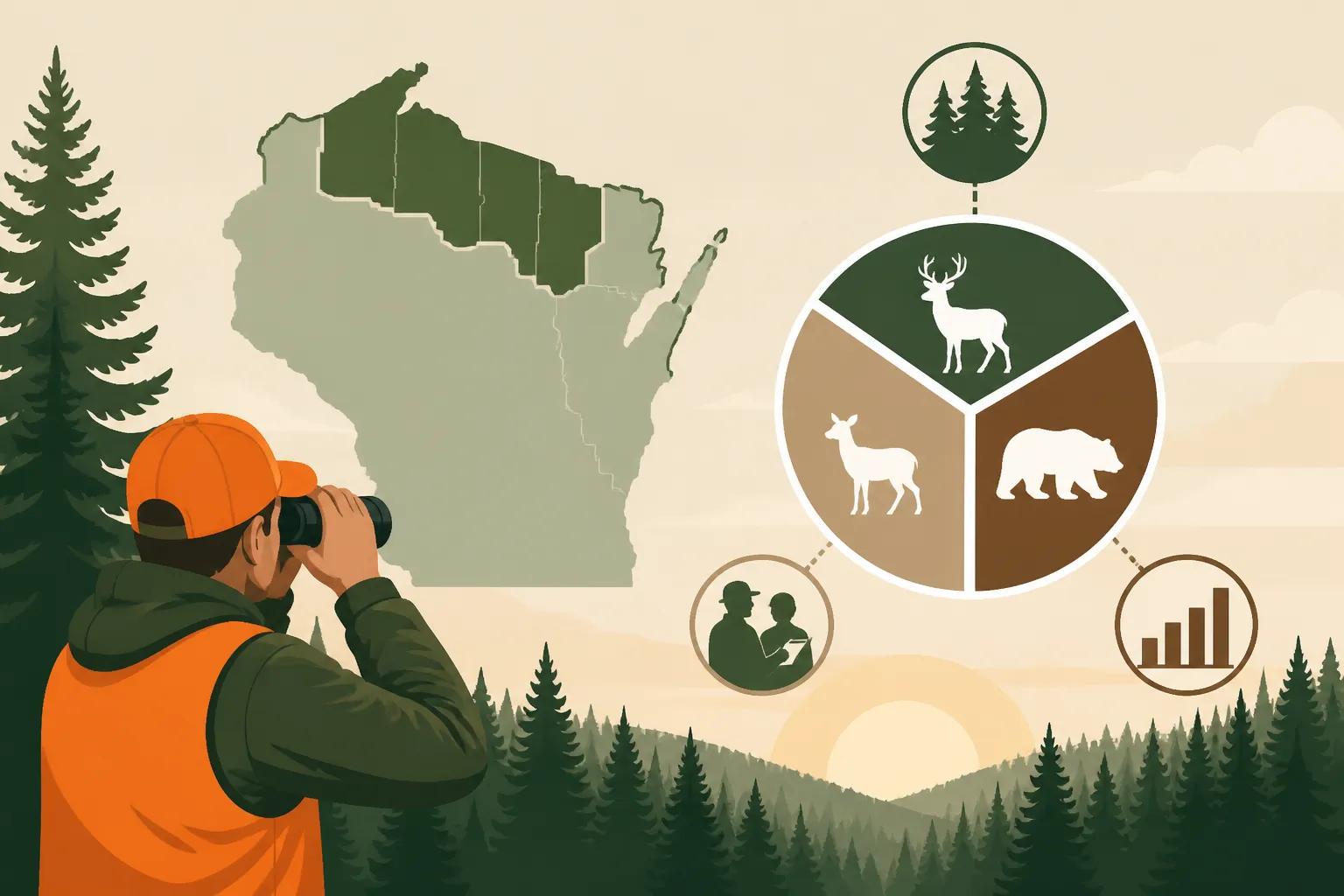
The process by which CDACs formulate their recommendations is thorough and multi-faceted. Each year, council members delve into a wealth of information provided by the DNR, including harvest statistics from previous seasons, deer population models, winter severity indices, and even disease prevalence data like Chronic Wasting Disease (CWD) where applicable. They also consider hunter satisfaction surveys and public comments gathered during open meetings. Imagine a group of dedicated volunteers poring over maps, data sheets, and public input forms, all trying to synthesize a coherent picture of the local deer herd. Using modern mapping and analytics tools, much like those offered by platforms such as GoHunt, CDAC members can visualize population data and understand habitat changes, which helps them make informed decisions. Based on this comprehensive review, they then propose a range of antlerless harvest quotas for the upcoming season, often offering different scenarios (e.g., maintaining the herd, increasing it, or decreasing it). These County Deer Advisory Council Recommendations are then submitted to the DNR, serving as a critical foundation for the final quota decisions.
Factors Influencing Quota Decisions in the Northern Forest
Setting deer quotas in the Northern Forest is a delicate balancing act, influenced by a unique set of environmental, biological, and social factors that rarely impact the rest of the state with the same intensity. These factors are meticulously analyzed to ensure the long-term health and sustainability of the deer herd.
Winter Severity and Deer Survival
Without a doubt, winter severity is one of the most significant determinants of deer quotas in the northern reaches of Wisconsin. Unlike southern counties where deer can often find food and shelter relatively easily through winter, How Severe Winters Hit Northern Deer can make or break a deer population. Extended periods of deep snow, especially over 18 inches for several weeks, make it incredibly difficult for deer to move and forage. They expend more energy, become more vulnerable to predators, and suffer from malnutrition. Prolonged stretches of sub-zero temperatures exacerbate these problems. When the DNR identifies a particularly harsh winter, often measured by its Winter Severity Index (WSI), it almost always leads to more conservative antlerless quotas in the following hunting season. This is a direct measure to allow the herd to recover from winter mortality, especially among fawns and older does, ensuring a healthy breeding population can bounce back. These decisions directly reflect the on-the-ground impacts of Mother Nature.
Forest Health and Habitat Considerations
The type and quality of habitat available in the Northern Forest are also crucial. Deer are browsers, relying on young saplings, shrubs, and herbaceous plants for sustenance. Extensive, mature forests, while beautiful, often provide limited understory browse due to a dense canopy that blocks sunlight. Conversely, timber harvesting practices, such as clear-cutting, create excellent early successional habitat that deer thrive on for several years post-harvest. The challenge lies in balancing timber production with deer habitat needs. Quotas might be adjusted to encourage deer to utilize certain areas, or conversely, to reduce pressure if habitat quality is declining. Management plans often involve working with the U.S. Forest Service and county forests to ensure sustainable forestry practices that also benefit wildlife. Knowing Where Northern Forest Bucks Bed often ties directly into understanding these habitat preferences and how they are shaped by forest health. Effective deer management in the north is inextricably linked to sound forest management.
Hunter Satisfaction and Opportunity
While biological data and habitat conditions are paramount, hunter satisfaction and opportunity cannot be overlooked. Hunters are integral to Wisconsin's conservation efforts, and their experiences shape the future of hunting participation. In the Northern Forest, where deer densities are lower, hunter success rates naturally tend to be lower than in high-density farmland zones. This can lead to frustration among hunters who feel there aren't enough deer. CDACs and the DNR must consider this sentiment when setting quotas. The goal is to provide reasonable hunting opportunities while ensuring the herd's long-term health. Sometimes this means a slight reduction in antlerless tags to allow for herd growth, even if biological data suggests a slightly higher harvest would be sustainable. It's a tricky balance between what the land can support and what hunters perceive as a "good" season. Organizations like GoHunt provide resources that allow hunters to delve into harvest data, which can sometimes help manage expectations and understand the challenges and successes specific to northern counties.
The DNR's Final Quota Setting Process
After all the local input and data analysis, the final decision on Northern Forest deer quotas rests with the Wisconsin Department of Natural Resources. This final stage involves synthesizing all the information collected and making choices that serve the statewide deer management goals while respecting regional differences.
Balancing Biological Data with Public Feedback
Once the County Deer Advisory Councils submit their recommendations, the DNR takes over. They meticulously review each county's proposals, cross-referencing them with broader state population models and overall deer management objectives. This includes looking at Wisconsin Deer Population Estimate data and the methods behind How the DNR Counts Wisconsin Deer. The DNR's wildlife biologists ensure that the proposed quotas align with sound scientific principles and the health of the entire state's deer herd. However, this isn't simply a matter of crunching numbers; it's also about interpreting the spirit of the CDAC recommendations and the public input received. Sometimes, a CDAC might recommend a very conservative quota due to strong local sentiment about low deer numbers, even if biological models suggest a slightly higher harvest is possible. The DNR then evaluates if such a recommendation still allows for healthy herd management and sustainable hunting. It’s a delicate negotiation to ensure that both science and the public's desire for quality hunting experiences are acknowledged in the final decision.
Annual Adjustments and Future Outlook
The process of setting deer quotas is not static; it's a dynamic, annual cycle. Every year, new data emerges from winter surveys, harvest reports, and changing habitat conditions, prompting adjustments to the following year's quotas. This adaptability is key to responsible wildlife management, especially in an environment as variable as the Northern Forest. For instance, a mild winter followed by robust fawn recruitment might lead to slightly more liberal antlerless quotas, aiming to keep the herd within ecological carrying capacity. Conversely, a severe winter will likely trigger more conservative quotas. Hunters should always check the most up-to-date regulations for Wisconsin Deer Seasons and Zones and Wisconsin Antlerless Harvest Authorizations each year. The aim is to achieve a balanced herd that is healthy, resilient, and provides sustainable hunting opportunities for future generations. Staying informed about these annual adjustments, perhaps through online platforms or direct DNR communications, is vital for every hunter planning their next Northern Forest adventure.
Disclaimer
Please note that hunting regulations, seasons, and management policies in Wisconsin are subject to change. Always consult the official Wisconsin Department of Natural Resources (DNR) regulations and guidelines for the most current and accurate information before planning any hunting activities.