Wisconsin Archery Deer Season Dates
If you're like many Wisconsin deer hunters, the opening of archery season feels like coming home. It's a glorious, long stretch of time, but also one that can feel overwhelming with its many phases and ever-evolving regulations. This guide is here to walk you through the specifics of Wisconsin's archery deer season dates, helping you understand the structure, prepare for the varying conditions, and make the most of every precious day in the woods.
Understanding Wisconsin's Archery Deer Season Dates
The Wisconsin archery deer season is truly a gift for those of us who love the pursuit with stick and string (or crossbow, these days!). It's not just a weekend or a week; it's a marathon, stretching for months across some of the most beautiful and varied landscapes Wisconsin has to offer. Trying to keep track of it all, especially with the subtle changes year to year, can be a real head-scratcher.
Typically, the archery season kicks off in mid-September. This is when the leaves are still mostly green, the air is warm, and the bucks are still in their summer patterns, largely nocturnal and focused on food. This early opener is fantastic for hunters who prefer to chase deer in more predictable feeding patterns before the chaos of the rut. For many, this is prime time to fill a freezer with a doe or an early season buck. As the season progresses, it seamlessly blends into the more anticipated periods, like the pre-rut and the peak rut, making it incredibly versatile for different hunting strategies.
One of the most appealing aspects for hunters is that the archery season runs concurrently with the crossbow season. This means whether you prefer a traditional vertical bow or a modern crossbow, you're usually hunting the same dates. The season then extends continuously through the entire nine-day gun season in November, and then continues on its own well into December, often concluding in early January. This extended timeframe is truly unique and offers unparalleled opportunities, but it also means you need a long-term strategy, not just a plan for opening weekend. When Wisconsin's Archery Season Opens is a topic many hunters pore over, marking their calendars months in advance.
Navigating the Extended Season Structure and Licensing
The sheer length of Wisconsin's archery and crossbow season often catches non-residents or new hunters by surprise. It's not uncommon for the season to span nearly four months, offering incredible flexibility but also requiring a clear understanding of the rules and what you need to legally participate.
The Continuous Season and Crossbow Inclusion
For many years, there was a distinction, but now, the crossbow season runs concurrently with the traditional archery season for all deer hunting. This simplification has made it much easier for hunters to choose their preferred method without worrying about separate calendars. The season typically starts around the middle of September and continues without interruption, past the gun season, and often concludes in the first week of January. This lengthy period means you can hunt during the warm early season, experience the thrill of the rut in October and November, and even brave the late-season cold for a last-chance opportunity. This continuous nature is a huge advantage, allowing hunters to adapt to weather, deer movement, and personal schedules. If you're weighing your options, exploring the nuances of a Crossbow Versus Vertical Bow in Wisconsin can help you decide which method suits you best for this long season.
What often trips hunters up is the perception that the season "stops" during the gun hunt. It doesn't for archery/crossbow hunters! While blaze orange or pink requirements come into play, and pressure skyrockets, you can still be out there with your bow or crossbow. This is a critical point because many hunters opt to take advantage of the gun season pushing deer around, creating unique shot opportunities for archery hunters willing to brave the crowds. Be sure to check the specific regulations each year on the Wisconsin DNR website, or use mapping applications like GoHunt, which often integrate these season dates and regulations directly into their platform, making it easier to stay compliant.
Essential Licenses and Deer Authorizations
To participate in Wisconsin's archery deer season, you'll need the appropriate hunting licenses and deer authorizations. It’s not just a matter of showing up; you need to be properly tagged and licensed. For Wisconsin residents, a "Conservation Patron" license often covers all your bases, but you can also purchase individual licenses like the "Archery Deer License." Nonresidents also have options, though typically at a higher cost. It's crucial to understand that buying your license through the Wisconsin Go Wild system is the standard procedure. This online portal is where you'll manage all your hunting and fishing licenses. To understand the full cost, you might want to look at the Wisconsin Resident Archery Licence Cost or for non-residents, the equivalent.
Beyond the basic license, you'll need deer authorizations. Every hunter typically receives a statewide "Buck Authorization" with their deer license, allowing them to harvest one antlered deer. For antlerless deer, things get a bit more nuanced. Wisconsin Antlerless Harvest Authorizations are allocated by deer management zone and often by county. These are often available for purchase as "Bonus Antlerless Tags." The availability of these tags can vary significantly depending on the deer population goals for specific areas. Some counties might have plenty of public land antlerless tags, while others might only offer private land tags, or none at all if the population is low. It's vital to check these allocations before the season opens, as they sell out quickly in popular areas. This layered system ensures that harvest numbers are managed to maintain a healthy deer herd across the state.
Maximizing Your Opportunities Throughout the Archery Season
With a season spanning several months, archery hunters in Wisconsin have the unique advantage of adapting their strategies to different phases of deer behavior. This long season isn't just about having more days to hunt; it's about experiencing the full spectrum of a whitetail's annual cycle.
Early Season Tactics: From Green-Up to Falling Leaves
The early archery season, typically from mid-September through early October, is a fantastic time for patterns. Deer are still largely on their summer feeding patterns, hitting agricultural fields, food plots, and natural browse with predictable regularity. If you've been scouting since summer, this is when that hard work pays off. Setting up near known food sources or travel corridors between bedding and feeding areas can be highly effective. The key here is stealth and scent control, as deer aren't as distracted as they will be during the rut.
Weather plays a huge role in the early season. Warm temperatures mean deer are often more nocturnal, moving primarily at dawn and dusk. Cooler fronts, however, can really get them on their feet earlier in the afternoon. Pay close attention to wind direction, especially with thermals in hilly areas like the Driftless. Using mapping tools, such as the ones available through GoHunt, can help you identify prime bedding areas and feeding spots on public land, allowing you to plan your entry and exit routes meticulously to avoid detection. It’s a game of precision, not just persistence.
Rut-Time Strategies: When Bucks Are on the Move
As October progresses, the signs of the pre-rut begin to appear. Scrapes and rubs pop up, and bucks start cruising more frequently, looking for does. This period, often from late October into early November, is arguably the most exciting for many archery hunters. Hunting the Pre-Rut in Late October is a prime time to be in the stand, as bucks are moving during daylight hours, but aren't yet locked down with does. They are actively searching and more susceptible to calls and decoys.
Then comes the magic of November, when the Hunting the Peak Rut Week in Wisconsin electrifies the woods. Bucks are chasing does relentlessly, often oblivious to their surroundings. This is when patience and long hours in the stand can pay off handsomely. Setting up on pinch points, funnels between bedding areas, or along travel corridors that does use can be incredibly productive. While it's tempting to chase every sign, focusing on areas where does congregate will often lead a buck right to you. Understand that during the rut, deer behavior can be erratic, so staying flexible and being observant is key. Remember, you'll need to abide by Wisconsin's Blaze Orange and Pink Rules if you're hunting during the gun deer season, even with archery equipment.
Late Season Challenges: Cold, Snow, and Persistence
After the gun season and the peak of the rut, Wisconsin's archery season continues through December and into early January. This late season presents its own unique set of challenges and opportunities. Temperatures plummet, snow often covers the ground, and deer are focused almost entirely on finding readily available food sources and conserving energy. Many hunters overlook this period, thinking all the good bucks are gone or too hard to find.
However, for the dedicated hunter, the late season can be incredibly rewarding. Deer often group up and concentrate around prime food sources like standing corn, brassicas, or even areas where acorns might still be present after an Hunting After an Acorn Failure. Snow makes tracking easier and highlights deer movement patterns. Furthermore, hunting pressure tends to drop significantly, especially on public lands, making it a quieter experience. Layering up is crucial, and having good insulated boots and clothing for a Wisconsin November (or December!) can make or break your sit. Hunting during the late season demands grit, but if you can brave the cold, you might just find that overlooked mature buck focused solely on survival.
Key Regulations and Considerations for Archery Hunters
While the long archery season offers immense opportunity, it's also critical to stay informed about the specific regulations that govern hunting in Wisconsin. These rules are put in place for safety, disease management, and ethical hunting, and understanding them is paramount for a successful and legal hunt.
Blaze Orange, CWD, and Carcass Movement
One of the most important regulations to remember, especially during the overlap with the gun deer season, is the blaze orange or blaze pink requirement. All hunters, except waterfowl hunters, must wear a minimum amount of blaze orange or pink during the gun deer seasons. This applies even if you are archery hunting. It's a critical safety measure, so make sure you understand How Much Blaze Orange Wisconsin Requires and have the proper attire.
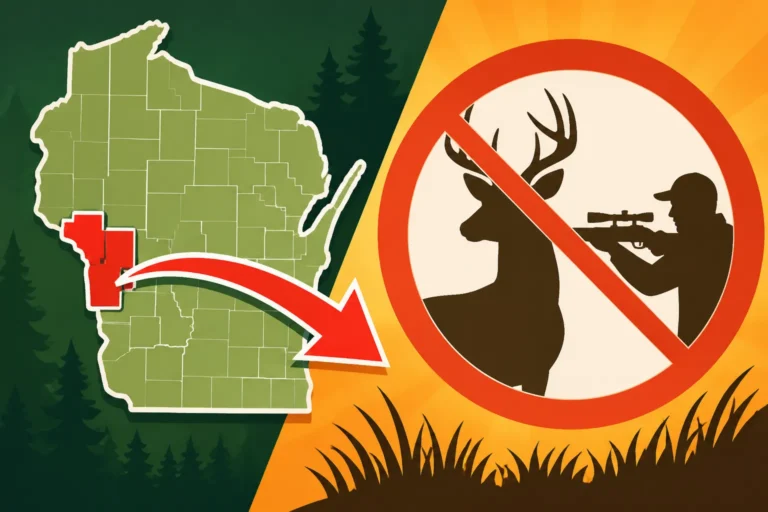
Another significant consideration in Wisconsin is Chronic Wasting Disease (CWD). This neurological disease affects deer and elk, and Wisconsin has designated CWD-affected areas. If you harvest a deer in one of these zones, specific rules apply regarding carcass movement and mandatory or voluntary testing. It is highly recommended to have your deer tested if harvested in a CWD-affected county. Information on Wisconsin CWD Testing for Hunters and drop-off locations is readily available through the DNR website and apps like GoHunt, which can help you locate testing kiosks. Furthermore, there are strict Wisconsin Carcass Movement Restrictions to prevent the spread of the disease, so be aware of what parts of the deer you can transport out of a CWD zone.
Baiting Bans and Ethical Hunting Practices
Wisconsin has a complex system of baiting and feeding bans, primarily driven by CWD prevalence. Wisconsin Baiting and Feeding Bans are established at the county level, and the rules can change. If a county has a CWD positive deer detected, it can trigger a multi-year baiting ban for that county and sometimes adjacent ones. This means you absolutely must check the current baiting regulations for your specific hunting location before placing any bait or feed. Ignoring these rules can lead to significant fines and penalties.
For many traditional archery hunters, avoiding bait is already a preference, but for those who have relied on it, these bans can be frustrating. However, they encourage more ethical and challenging hunting practices, focusing on scouting, understanding natural food sources, and movement patterns rather than relying on an artificial attractant. Strategies like finding natural scrape lines along a logging road or focusing on late-season food plots instead of bait become even more critical. Ultimately, responsible hunting means respecting the regulations, ensuring the safety of all hunters, and doing our part to manage the deer herd and mitigate the spread of diseases like CWD.
Table of Wisconsin Archery Season Key Dates and Requirements (Approximate)
Please note these are general dates and rules. Always check the official Wisconsin DNR regulations for the most current information each year.
| Season Phase | Typical Start Date (Approx.) | Typical End Date (Approx.) | Key Considerations | Required Gear/Info |
|---|---|---|---|---|
| Early Archery | Mid-September | Mid-October | Warm weather, deer on summer patterns, focus on food sources. Less hunting pressure. | Archery/Crossbow License, Buck/Antlerless Authorizations |
| Pre-Rut | Mid-October | Early November | Bucks begin cruising, making scrapes/rubs, increased daytime movement. Good for calling/decoys. Pressure increases. | Archery/Crossbow License, Buck/Antlerless Authorizations |
| Rut (Overlaps Gun) | Mid-November | Late November | Peak breeding activity, bucks highly active. High hunting pressure. Blaze orange/pink required during gun season. | Archery/Crossbow License, Buck/Antlerless Authorizations, Blaze Orange/Pink |
| Late Archery | Late November | Early January | Cold weather, snow often present. Deer focus on limited food sources. Lower hunting pressure. | Archery/Crossbow License, Buck/Antlerless Authorizations, Cold Weather Gear |
Disclaimer
The information provided in this guide is for general informational purposes only and is not intended as legal advice. Hunting regulations in Wisconsin can change annually. Always consult the official Wisconsin Department of Natural Resources (DNR) regulations and publications for the most accurate and up-to-date information before planning any hunting activity. Failure to do so could result in fines or penalties.