Public Versus Private Land Antlerless Tags
Navigating Wisconsin's deer hunting regulations can sometimes feel like trying to untangle a snarled fishing line after a long day on the water. One of the most common points of confusion, and frankly, frustration, revolves around antlerless deer tags—specifically, how they differ for public versus private land. This guide is here to cut through that complexity, helping you understand where, when, and how you can fill those crucial antlerless tags and contribute to healthy deer populations, whether you're stomping through a county forest or quietly watching a field edge on private property.
Understanding Wisconsin's Antlerless Tags
Wisconsin's approach to deer management is a dynamic system, one that’s constantly being adjusted to maintain a balance between deer populations, habitat health, and hunter satisfaction. At the heart of this system lies the antlerless tag, a critical tool in achieving those goals.
The Purpose of Antlerless Harvest
You might wonder why there's such an emphasis on harvesting does and fawns. It's not just about filling your freezer (though that's a wonderful bonus!). The primary purpose of antlerless harvest is population management. When deer numbers grow too high, it can lead to overbrowsing of habitat, increased vehicle collisions, and a higher risk of disease transmission like Chronic Wasting Disease (CWD). By allowing hunters to take antlerless deer, the Wisconsin Department of Natural Resources (DNR) works to keep the herd in check, ensuring the deer remain healthy, robust, and don't overwhelm the landscape. This proactive approach helps manage the overall deer population, which in turn influences buck quality and ensures long-term hunting opportunities for everyone.
How Antlerless Authorizations Are Allocated
The allocation of antlerless tags is a pretty involved process that starts at the local level. Each year, County Deer Advisory Councils (CDACs) across the state, comprised of local citizens, landowners, and hunters, meet to review harvest data, deer impacts, and public input. These councils then make recommendations to the DNR on how many antlerless tags should be issued in their specific Wisconsin Deer Management Zones. These recommendations, once approved, determine the quotas for regular and bonus antlerless authorizations available in each county. It’s a transparent, if sometimes slow, process designed to ensure local conditions and concerns are addressed, and it directly influences How Antlerless Authorizations Are Allocated across the state. This system tries to match hunting pressure with local deer populations, making sure enough tags are available where needed, and fewer where the herd might be struggling.
The Distinct World of Private Land Antlerless Tags
For many Wisconsin hunters, private land is their primary hunting ground. This often means a different experience with antlerless tags compared to those who primarily hunt public property.
Availability and Allocation for Private Land
Generally speaking, private land antlerless tags tend to be more readily available, especially in the state's Farmland Zones. In many of these areas, particularly those with high deer densities and agricultural damage concerns, hunters often receive a basic antlerless tag automatically with their deer hunting license for private land use. Sometimes, depending on the county and its specific deer management goals, these tags might even be free or heavily discounted for landowners and those hunting with landowner permission.
The idea here is to incentivize antlerless harvest in areas where deer can have a significant impact on crops and other private property. Counties with extensive agriculture, like those in the southern and western parts of the state, frequently have higher allocations of private land antlerless tags. It's crucial, however, to always verify the specific rules for the Deer Management Unit (DMU) you plan to hunt, as allocations can vary year to year and county by county. If you've been granted permission to hunt a farmer's back forty, you'll likely find a good opportunity to fill your tag there.
Advantages and Disadvantages of Private Land Tags
Hunting antlerless deer on private land comes with its own set of pros and cons.
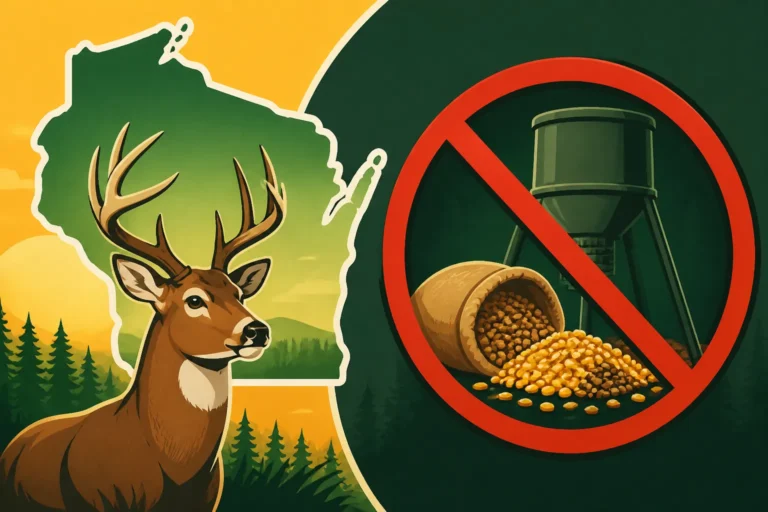
On the advantageous side, private land often means less hunting pressure. You're not competing with dozens of other hunters for the same patch of woods, which can lead to a more relaxed and, often, more successful hunt. Deer patterns can be more predictable on private land, especially if you have an understanding of the landowner's crops and property layout. You might find consistent deer numbers year after year, as the herd is less disrupted. This consistency can allow you to implement longer-term deer management strategies, potentially even incorporating features like Food Plots Instead of Bait if baiting is banned in your area. Having direct access and understanding the lay of the land can dramatically increase your chances of Filling a Wisconsin Antlerless Tag.
However, there are definite disadvantages. The most obvious is the need for permission. Getting Private Land Permission in Wisconsin can be challenging, especially in popular hunting areas. It requires building relationships, trust, and often a lot of knocking on doors. You're also typically limited to the specific property you have permission for, which might not always align with prime deer habitat or movement corridors. Additionally, if the landowner doesn't allow specific hunting methods (like certain stand types or tracking dogs), your options might be more restricted than on public land. It’s a trade-off: less competition for more effort in securing the spot.
Navigating Antlerless Opportunities on Public Land
For many hunters, especially those without access to private land, public hunting grounds are their only option. This means a different approach to securing and utilizing antlerless tags.
Limited Availability and Application Process
Antlerless tags for public land use are typically scarcer than their private land counterparts, especially in areas with significant public access. While some counties may offer "any land" antlerless tags as part of the basic license, many public land opportunities rely on the "bonus antlerless tag" system. These bonus tags are specific to a particular DMU and often to "public land only" use.
The process for obtaining these tags often involves an early summer application or sale period. Hunters must purchase these tags, and they are usually sold on a first-come, first-served basis, often selling out incredibly quickly in popular public land units. The competition can be fierce, particularly in the northern forests or specific state wildlife areas known for good deer numbers. It really emphasizes the need to be on top of the DNR’s regulations and sale dates. Using resources like the GoWild system (and staying informed through hunting communities like GoHunt) is crucial to know precisely when Bonus Antlerless Tag Sales in Wisconsin open up. Miss that window, and you might be out of luck for specific public land tags.
Challenges and Rewards of Public Land Antlerless Hunting
Hunting antlerless deer on public land presents a unique set of challenges and, for many, deeply satisfying rewards.
The challenges are real: high hunting pressure is often the biggest hurdle. Especially during the early archery season or the Wisconsin's Nine-Day Gun Deer Season, popular public parcels can feel crowded. This pressure can make deer incredibly wary and nocturnal, forcing hunters to work harder at scouting and finding less-pressured pockets. You'll likely need to cover more ground, hike further from access points, and be more adaptable with your strategies. Terrain can also be a challenge; while Public Hunting Land in Wisconsin offers diverse landscapes, it can also mean tackling swamps, dense timber, or steep ridges.
However, the rewards are often profound. There's a deep sense of accomplishment that comes from successfully harvesting an antlerless deer on public land, knowing you outwitted a wary animal in a challenging environment. Public lands offer access to vast, diverse ecosystems—from the expansive Chequamegon-Nicolet National Forest to smaller state wildlife areas and county forests. This diversity means you can explore different types of hunting, practice various tactics, and truly connect with the wild. For many, the public land ethos is about earning your harvest through hard work and woodsmanship, and filling an antlerless tag under those conditions is a badge of honor.
The Nuances of "Using a Private Land Tag on Public Land"
This is where a lot of confusion, and sometimes costly mistakes, can happen. It's a question asked every season: Can I use my "private land" tag on public ground? The short answer, with very few exceptions, is a resounding no.
Strict Rules and Misconceptions
Let's clear this up directly: You cannot use an antlerless tag specifically designated for "private land only" on public land in Wisconsin. Period. These tags are issued with strict limitations on where they can be used, and those limitations are clearly printed on the tag itself or specified when you obtain it through the GoWild system. A tag marked "Private Land" means exactly that—it's only valid on property where you have explicit permission to hunt.
The misconception often arises because hunters might receive an antlerless tag with their base license and assume it’s an "any land" tag. While some general antlerless authorizations might be valid statewide for either public or private land (these are often called "any land" tags or specific "bonus" tags), any tag explicitly stating "private land" is just that. DNR wardens are very familiar with these distinctions, and misusing a private land tag on public ground can result in fines and loss of hunting privileges. It’s a frustrating reality for hunters who might have ample private land tags but no public land opportunities, but the rules are in place for clear management purposes.
Cross-Zone and Cross-Property Considerations
Beyond the public/private land distinction, it's also vital to understand that antlerless tags, especially bonus tags, are often specific to certain Deer Management Units (DMUs) or zones. Even if you have an "any land" bonus tag, it will specify the DMU where it's valid. You can't just cross county lines or even DMU boundaries within the same county and expect your tag to be legal.
For example, a bonus antlerless tag for DMU 77A (a specific unit in the Farmland Zone) cannot be used in DMU 77B, even if they are adjacent. This hyper-local approach to tag allocation is designed to target deer populations precisely where they need to be managed. This means you need to know exactly Finding Your Wisconsin Deer Management Unit for the land you intend to hunt. Before heading out, take the time to look up your specific hunting location on the DNR's maps or using an app like GoHunt, which can help clarify land ownership and DMU boundaries. An antlerless tag is a valuable tool, but only if used within its very specific parameters.
| Feature | Private Land Antlerless Tags | Public Land Antlerless Tags |
|---|---|---|
| Availability | Generally more abundant, especially in Farmland Zones. Often included with basic license. | Generally scarcer, often require purchase of "bonus" tags. High competition. |
| Acquisition | Part of hunting license, or free/discounted for landowners in certain DMUs. | Purchased separately as "bonus tags" during specific sale periods. |
| Usage | Strictly for private land where legal hunting permission is granted. | Strictly for designated public lands within a specified DMU. |
| Competition | Lower hunter density, more predictable deer patterns. | Higher hunter density, deer can be more wary and nocturnal. |
| Primary Goal | Reduce deer impacts on agriculture/private property, manage local populations. | Manage public land deer populations and habitat. |
| Flexibility | Limited to specific properties; requires landowner permission. | Open to all licensed hunters, but often restricted by DMU and zone. |
| Legal Interoperability | Cannot be used on public land. | Cannot be used on private land (unless explicitly an "any land" tag valid for both). |
Strategies for Securing Your Antlerless Tags
With the complexities of public versus private land tags, having a clear strategy for securing your antlerless authorizations is essential for a successful hunting season.
Early Planning and Application
The absolute best advice for any Wisconsin hunter is to plan ahead. This isn't a "wing it" kind of state when it comes to tags. Start by reviewing the Wisconsin Antlerless Harvest Authorizations information on the DNR website well before the season. Pay close attention to the dates when bonus antlerless tags become available, especially if you plan to hunt public land. These often sell out in minutes for popular DMUs, so having your GoWild account ready and knowing exactly which DMU you need is critical. Many savvy hunters even set reminders on their phones!
For those who rely on private land, while tags might be more abundant, it's still smart to understand How Many Antlerless Tags You Can Buy for your specific area. This allows you to set realistic expectations for your harvest goals and coordinate with landowners if you're hunting a shared property. GoHunt and similar platforms can be excellent resources for tracking deadlines and understanding the current year's quotas and rules for various zones, ensuring you don't miss any crucial windows for application or purchase.
Scouting and Permission for Success
Securing a tag is only half the battle; knowing where to use it effectively is the other.
If you plan to hunt private land, your strategy should heavily involve building and maintaining relationships with landowners. This means not just asking for permission once, but being respectful, offering to help with chores, and always following their rules. Early scouting on private land, with permission, can reveal deer patterns, food sources, and bedding areas specific to that property, increasing your chances when the season opens. Understanding the particular property's nuances is key.
For public land hunters, pre-season scouting is paramount. With higher pressure, finding unpressured deer often means walking further, looking for overlooked pockets of cover, or identifying less obvious travel corridors. Utilize tools like the Wisconsin Hunt Wild App or online mapping services to identify potential bedding areas, bottlenecks, and alternative access points that might see less hunter traffic. Knowing your desired Public Hunting Land in Wisconsin like the back of your hand, identifying potential rub lines, and understanding natural funnels will give you a significant edge in finding those antlerless deer.
Making the Most of Your Antlerless Harvest
Successfully filling an antlerless tag, whether on private or public land, is a rewarding experience and an important contribution to wildlife management. But the journey doesn't end when the shot is fired.
Ethical Considerations and Herd Management
Harvesting an antlerless deer is not just about personal success; it's a vital part of responsible herd management in Wisconsin. By taking does, hunters help ensure the overall health of the deer population, preventing overpopulation that can lead to habitat degradation and increased disease risk. This is especially true in areas with CWD, where targeted antlerless harvest can help mitigate spread. As hunters, we have a responsibility to utilize the tags allocated to us, contributing to the balance of the ecosystem. It's about respecting the resource and understanding your role as a conservationist. Each antlerless deer harvested helps maintain a healthier, more resilient herd for future generations of hunters.
Field Dressing and Processing
Once your antlerless deer is on the ground, the clock starts ticking, especially if it's during the warmer early archery season or the brisk late season. Proper field dressing is crucial for preserving the quality of the meat. If you're hunting in the early fall, consider using techniques that allow for rapid cooling, like quartering the deer or utilizing game bags to maximize airflow. For later seasons, Field Dressing a Deer in Cold Weather presents its own challenges, primarily dealing with stiffening carcasses and frozen ground, but the cold itself aids in meat preservation.
Whether you plan to process the deer yourself at camp, using skills like Butchering a Deer at Camp, or take it to a professional processor, prompt and clean handling is key. Always ensure you register your deer promptly according to Wisconsin DNR regulations, whether online or by phone. This final step is not just a legal requirement but also provides crucial data for wildlife biologists to continue managing the state's deer herd effectively.
Disclaimer
Please remember that hunting regulations, season dates, and tag allocations can change. Always consult the official Wisconsin Department of Natural Resources (DNR) hunting regulations and guides for the most current and accurate information before heading afield. This guide is for informational purposes only and should not replace official sources.